2 weeks ago
Chandipura virus kills 25 children in Gujarat as spread baffles experts
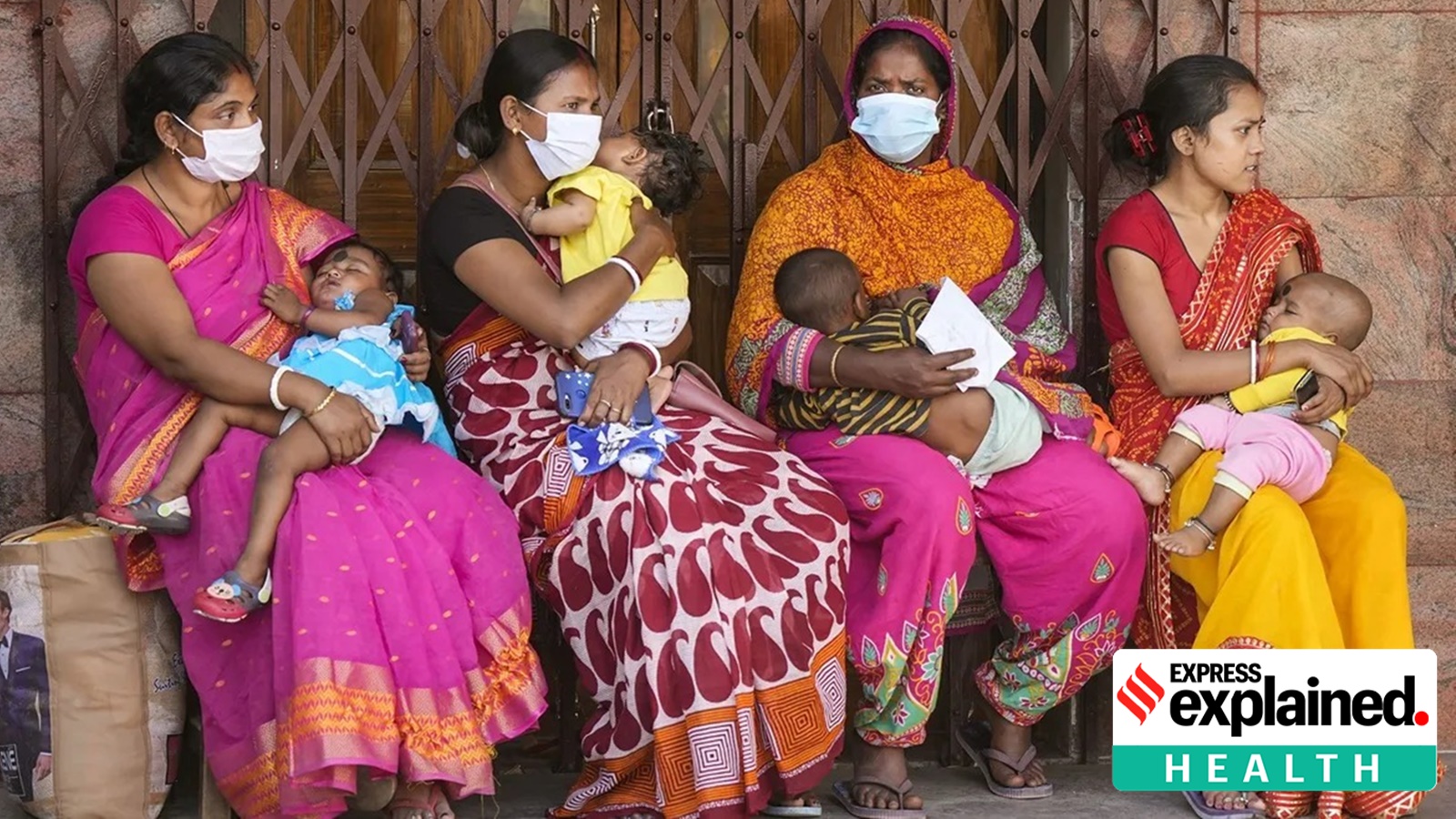
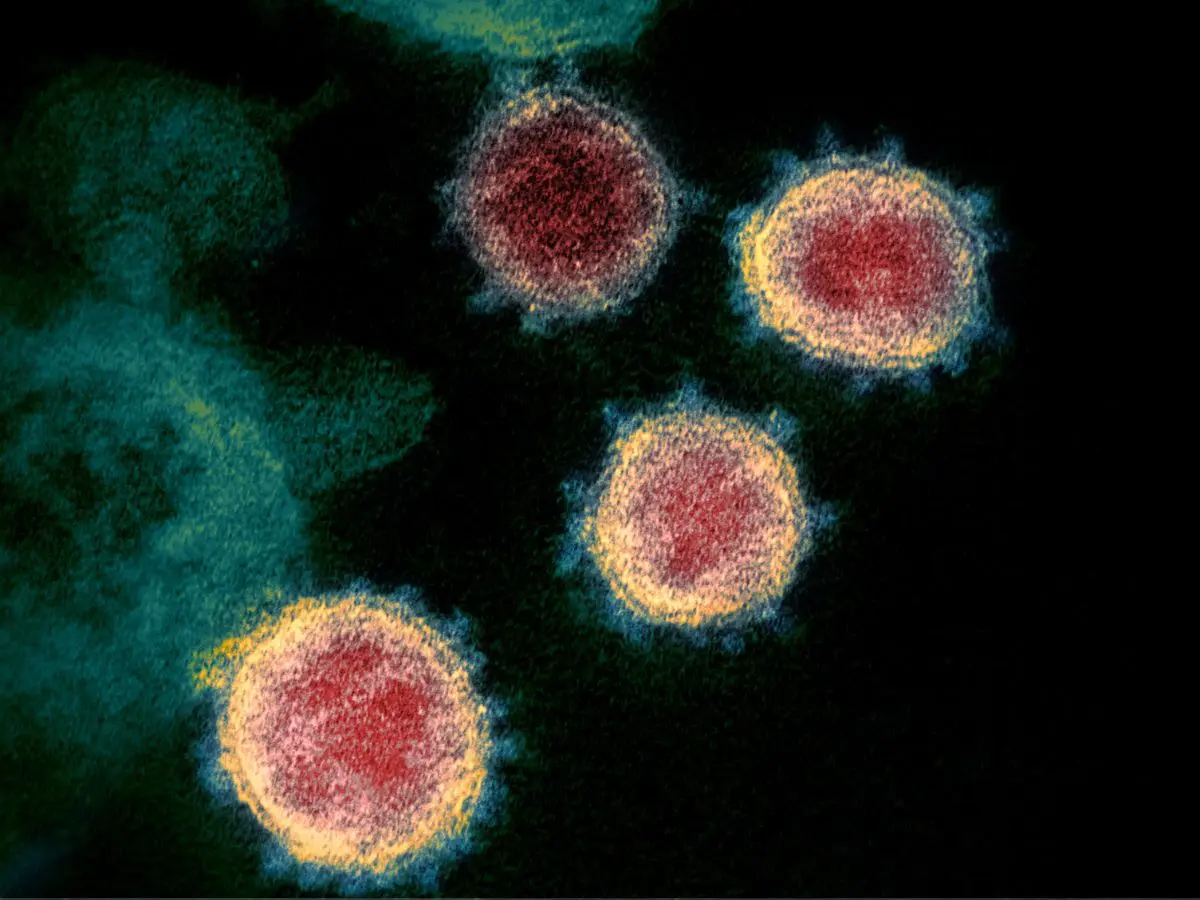
A tiny germ called the Chandipura virus is making children very sick in India.
In about five weeks, it has killed 25 children in the state of Gujarat, and 39 children are known to have the infection.
The germ mostly makes children younger than 15 very sick, and it can cause their brains to swell, which is very dangerous.
Scientists are like detectives trying to find out how the germ spreads to people.
They think biting insects called sandflies might carry it, but they tested thousands of sandflies, mosquitoes and ticks and found nothing.
They are now checking other bugs and farm animals like cows, buffaloes and goats for clues.
This is not the first time this has happened — scientists were also confused during an outbreak in 2024.
The virus was first found in a village called Chandipura back in 1965, yet it still puzzles experts today.
Some scientists say researchers need to look for the germ much more often and in many more places.
Until the mystery is solved, doctors and scientists keep working to protect children.

Chandipura virus has killed 25 children in Gujarat in about five weeks, with 39 confirmed infections.
Thousands of sandflies, mosquitoes and ticks screened since June 30 have returned no trace of the virus.
Confirmed cases span 12 Gujarat districts and 3 Rajasthan districts, with Patan (5) and Sabarkantha (4) highest.
The virus mainly hits children under 15, causing Acute Encephalitis Syndrome with fever, brain swelling and seizures.
Scientists are now testing ticks, mites and around 70 animal blood samples, but no vector has been conclusively identified.
- Who
- Children below 15 years in Gujarat and Rajasthan, and investigators from the National Joint Outbreak Response Team (NJORT) and national institutes.
- What
- A Chandipura virus (CHPV) outbreak causing Acute Encephalitis Syndrome that has killed 25 and infected 39 children, with the transmitting vector still unidentified.
- Where
- Gujarat (12 districts) and Rajasthan (3 districts), India; the virus was first identified in Chandipura village, Nagpur, Maharashtra.
- When
- Since around June 30, with deaths recorded over about five weeks during the 2026 monsoon season.
- Why
- The spread mechanism is unknown — thousands of tested sandflies, mosquitoes and ticks have shown no trace of the virus, and animal reservoirs have not been identified.
Scientific Experts
Health Officials
Surveillance Adequacy
Scientific Experts
Dr Sujatha Sunil of ICGEB says researchers may be missing the 'timing and depth' of surveillance, that vector sampling must be several times denser, and that it should run from June to August every year regardless of outbreaks.
Health Officials
The Union Ministry of Health and Family Welfare says unravelling the transmission cycle is a key focus, large numbers of vector samples are under analysis, and it is premature to identify the vector until scientific investigations are completed.
Transmission Vector
Scientific Experts
Because patients were found in Saurashtra (western Gujarat), where sandflies are not endemic, researchers have a preliminary conjecture that more than one vector may be transmitting the disease; mosquitoes, ticks, mites and animal reservoirs are being examined.
Health Officials
Sandflies are the established vectors of Chandipura virus since a 2018 outbreak (Sergentomyia species); while other arthropods are also being examined, even in the 2024 outbreak no specific vector could be conclusively implicated.
Key facts
- Deaths (current outbreak)
- 25 in Gujarat
- Confirmed infections
- 39 children
- Affected areas
- 12 districts in Gujarat, 3 in Rajasthan
- Districts with most cases
- Patan (5), Sabarkantha (4)
- Most vulnerable group
- Children below 15 years
- 2024 outbreak toll
- 28 children died out of 78 symptomatic cases
- First identified
- Chandipura village, Nagpur, Maharashtra, 1965
- Samples under analysis
- Around 70 animal blood samples; vectors like ticks and mites
- Established vector
- Sergentomyia species of sandflies (since 2018)
Quotes
A senior scientist from a national institute
Senior scientist studying vector‑borne diseases
“"There are no clusters of human cases, just single cases from every area. We are not even finding multiple cases from the same locality. So the number of carriers (vectors) will also be less, is what we assume. Usually, the more the number of victims in any vector-borne disease, the greater the chance of finding the vector."”
 indianexpress.com
indianexpress.com
indianexpress.com
“"We have collected several hundred samples of sandflies and are currently carrying out Reverse Transcription – Polymerase Chain Reaction (RT-PCR) to amplify and check if they were infected with Chandipura Vesiculovirus. Unfortunately, we haven’t found any positive results so far."”
indianexpress.com
Dr Sujatha Sunil
Group Leader, Vector‑borne Diseases, International Centre for Genetic Engineering and Biotechnology
“We need to be looking for all possible vectors, not just sandflies as well as animal reservoirs that maintain the virus between human outbreaks. And since it is an India-specific problem, we need proper vector surveillance especially in these hotspots that leave no stone unturned.”
indianexpress.com
indianexpress.com
Sources

Related news

Chandipura virus kills 27, confirmed cases rise to 41 in Gujarat

Chandipura virus outbreak kills 22 children in Gujarat
22 Children Die From Chandipura Virus in Gujarat

Chandipura Virus Outbreak: Children Most at Risk, Government Responds

Gujarat Chandipura Outbreak Reaches 42 Cases and 28 Deaths

India deploys outbreak response team as Chandipura virus spreads

Pune Reports Sharp Rise in Suspected Dengue Cases

Navi Mumbai Reports Lower Malaria, Suspected Dengue Cases
Multiple infections kill tribal children in Balaghat, Madhya Pradesh
Six children dead in Madhya Pradesh village outbreak; cause unknown