5 days ago
Mecca Pact Faces First Test After Houthi Strike
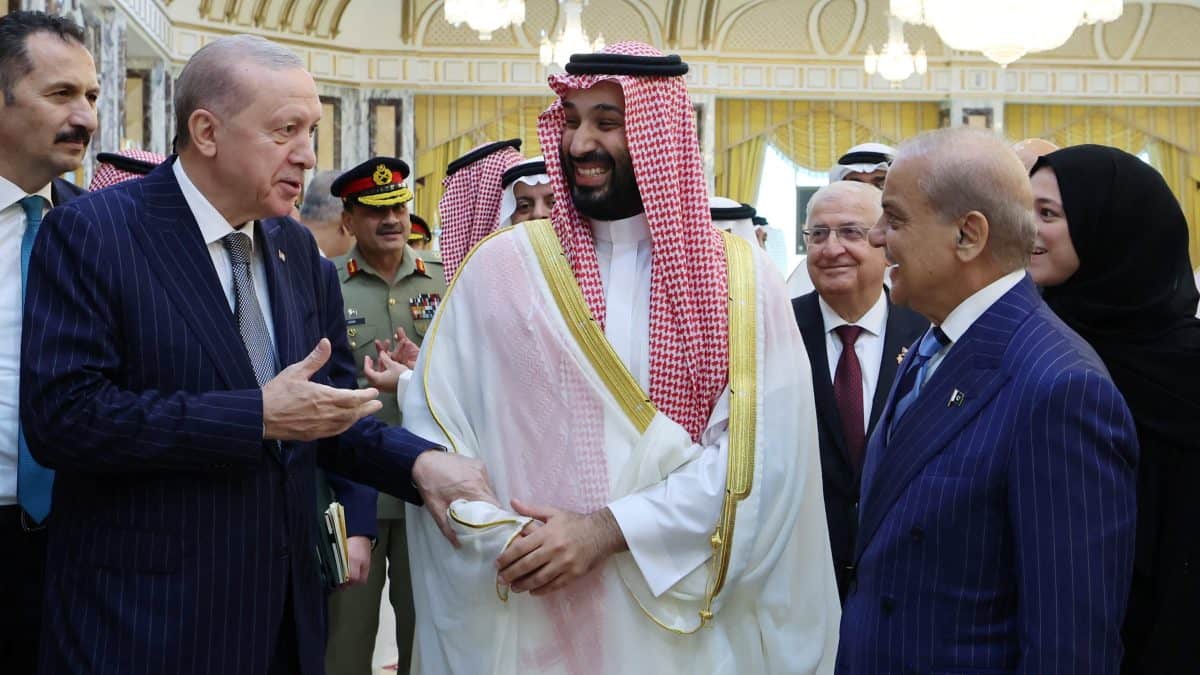
Three countries signed a security agreement in Mecca on August 7.
Two days later, Houthis attacked a Saudi refinery in Jazan.
The article says Saudi Arabia did not publicly ask Turkey or Pakistan to respond.
The pact promises action after an attack, but its full rules are secret.
It does not publicly explain who must fight, what forces would be used, or how decisions would be made.
Some people may see the agreement as a way for Saudi Arabia to work with several powerful countries.
Critics say that having many different enemies and unclear promises could make the pact weak.
The arrangement may also matter to India because Pakistan, Saudi Arabia, and Turkey have important links with India’s security and trade interests.

Three leaders signed the Mecca Pact on August 7, but its full text has not been published.
Two days later, Iran-aligned Houthis struck a Saudi refinery in Jazan, which the article calls the pact’s first test.
The pact’s joint statement refers to an “attack against them all,” but specifies no command structure, force commitments, or consultation process.
Saudi Arabia is described as balancing ties with the United States, Pakistan, Turkey, and Iran rather than relying on one security partner.
The pact could affect India through Pakistan’s expanded network, Gulf trade, and competing proposals for the India-Middle East-Europe Economic Corridor.
- Who
- Three unnamed leaders signed the Mecca Pact; Saudi Arabia, Pakistan, and Turkey are identified as its central participants, while the Iran-aligned Houthis carried out the reported strike.
- What
- A security pact was followed two days later by a Houthi attack on a Saudi refinery, prompting questions about whether the agreement provides a real collective response.
- Where
- The pact was signed in Mecca, the refinery attack occurred in Jazan, Saudi Arabia, and Jaishankar raised his question in Delhi.
- When
- The pact was signed on August 7; the refinery was struck two days later; S. Jaishankar questioned the pact’s response on August 22, and Bangladesh’s invitation was confirmed on August 24.
- Why
- The agreement appears intended to strengthen security cooperation among its participants, but the article says its obligations and response mechanisms remain unclear.
Pact Advocates
Pact Critics
Security value
Pact Advocates
The agreement can give Saudi Arabia a broader security network by combining ties with Pakistan and Turkey while maintaining relations with Washington and Tehran.
Pact Critics
The article argues that the pact’s first reported crisis produced no publicly invoked response, raising doubts about its deterrent value.
Strategic ambiguity
Pact Advocates
Unspecified obligations may preserve flexibility and prevent members from being automatically drawn into every conflict.
Pact Critics
Undefined terms such as “attack,” along with no disclosed command structure or force commitments, make the guarantee difficult to assess.
Membership expansion
Pact Advocates
Allowing countries such as Egypt or Bangladesh to join could widen cooperation and increase the pact’s regional reach.
Pact Critics
The article says additional members would bring more competing threat perceptions, potentially reducing cohesion as occurred with earlier regional groupings.
Key facts
- Pact date
- Signed on August 7 in Mecca.
- First reported test
- A Houthi strike on a Saudi refinery in Jazan two days after signing.
- Public wording
- The joint statement refers to “an attack against them all.”
- Unpublished details
- The full pact text has not been made public.
- Missing mechanisms
- The article says there is no publicly specified command structure, force commitment, or consultation procedure.
- Potential expansion
- Turkey says membership is open; Egypt has been mooted, and Bangladesh viewed its invitation positively.
- India-Saudi trade
- Trade between India and Saudi Arabia exceeded $40 billion in 2024, according to the article.
- Gulf connection to India
- About 8.8 million Indians live in the Gulf, and the GCC accounts for 15.4 percent of India’s trade.
Quotes

S. Jaishankar
India’s External Affairs Minister speaking in Delhi about the pact’s response to live military situations.
“In my calculus, everything counts, everything will have a weight.”
 firstpost.com
“What has the Makkah pact done in response to that?”
firstpost.com
Sources
Related news
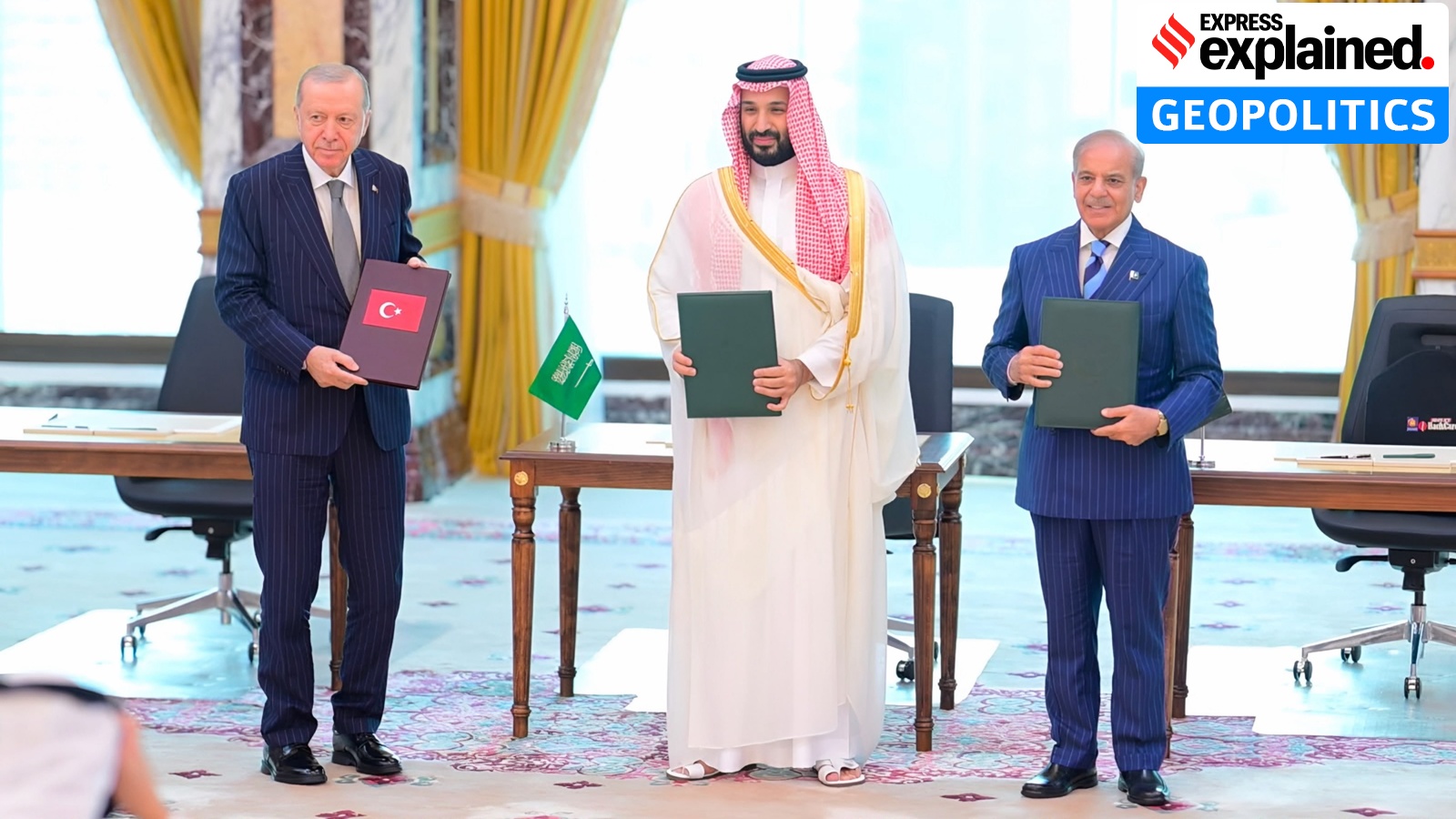
Saudi Arabia, Turkey, Pakistan Sign Mecca Joint Defence Agreement

Mecca Joint Defence Pact Risks Remaining Rhetorical, Report Warns
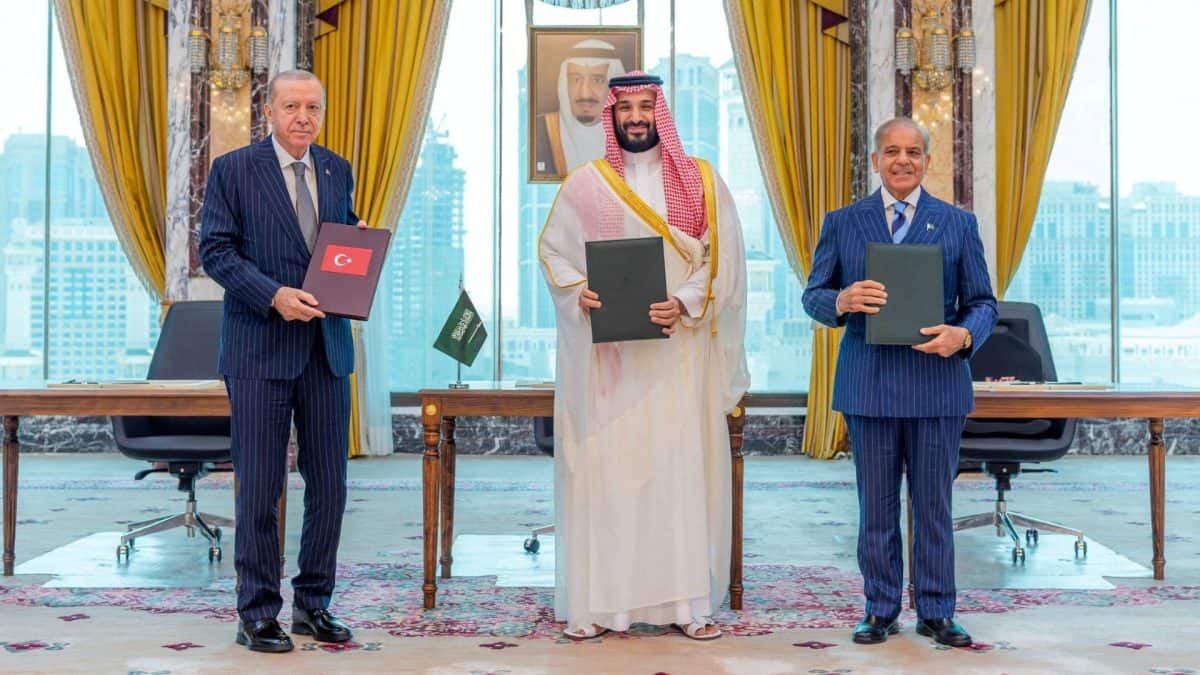
Why Pakistan’s Mecca Pact May Not Shield It From India
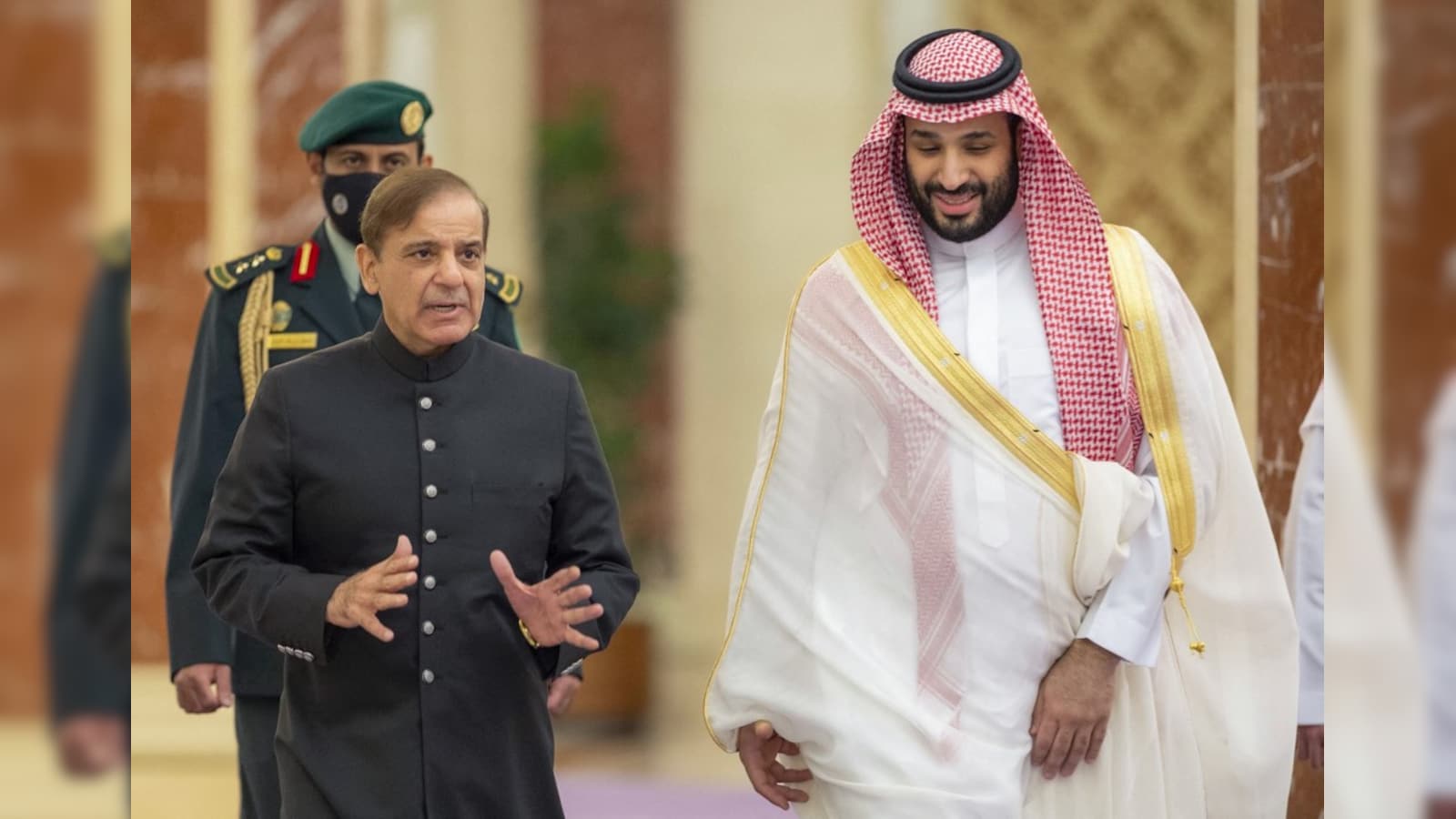
How Far Will Saudi Arabia Go for Pakistan's Mecca Pact?

India Watches Cautiously as MECCA Pact Members Meet
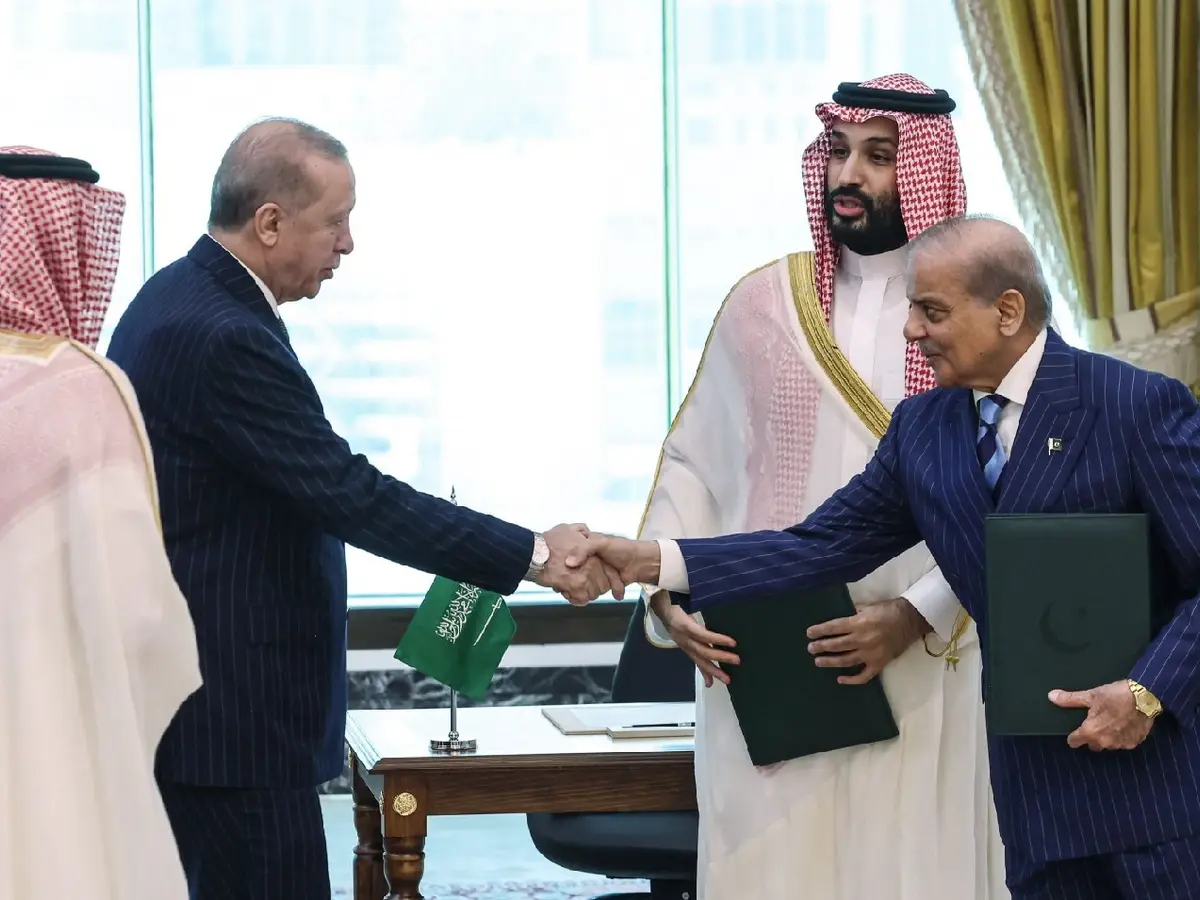
Pakistan hesitates as Houthi attacks expose Mecca Pact cracks
Bangladesh Recall Shanto, Mahmud for Asian Games T20 Squad

Sharma and Malik share halfway lead at Telangana Golconda Masters

India Replaces Sri Lanka as 2027 Women’s Champions Trophy Host
Centre Assures JDU Bihar’s Interests In Farakka Treaty Decision
India’s Record Wheat Harvest Opens $1.5 Billion Export Window