1 day ago
Gandhi’s Lesson: Democracy Needs Dissent and Dialogue
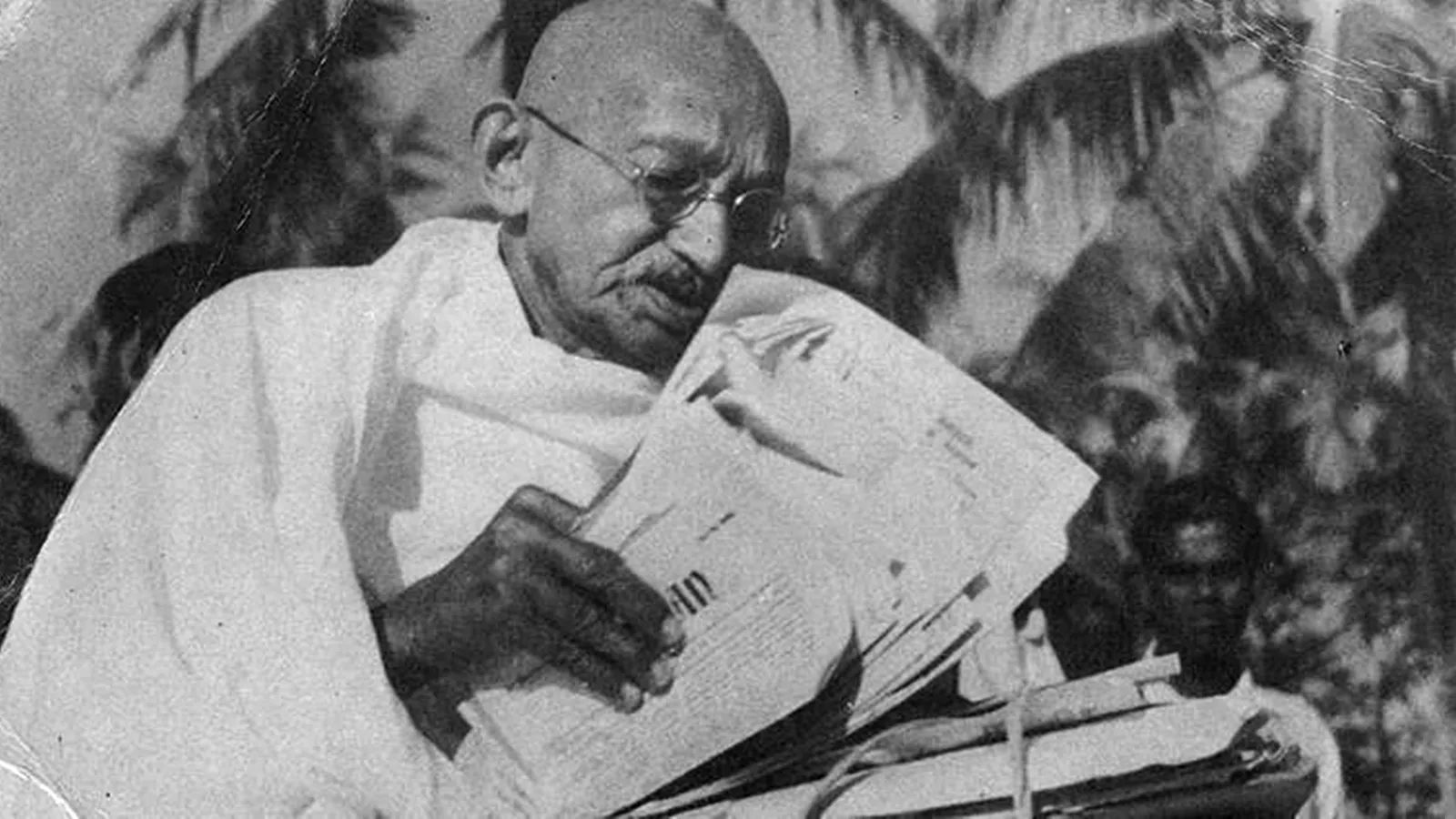
The article says Gandhi believed people should be allowed to disagree peacefully.
He thought protests could help democracy when they were truthful, disciplined, and respectful.
A spinning-wheel programme helped students understand these ideas through a calm, hands-on activity.
The charkha represented patience, self-control, hard work, and personal responsibility.
Today, many students are speaking up about exams, recruitment, fairness, and how institutions are managed.
The article says universities and governments should listen instead of treating criticism as a threat.
Protesters also have a responsibility to avoid cruelty, insults, and unverified claims.
Gandhi believed nobody owns the whole truth, so people should remain humble and willing to learn.
Democracy becomes stronger when disagreement can be expressed and answered with dignity.

A charkha programme at Gandhi Bhawan introduced students to Gandhi’s ideas through hands-on spinning.
The article argues that peaceful dissent is a vital expression of democracy, not a disruption of it.
Gandhian protest requires truth, discipline, respect for opponents, and persuasion rather than humiliation.
Student mobilisations over examinations, recruitment, institutional accountability, and governance reflect broader concerns about justice and public trust.
Public institutions strengthen their credibility when they respond to criticism with openness, dialogue, and restraint.
- Who
- Students, citizens, public institutions, and Gandhi’s ideas about ethical disagreement are central to the article.
- What
- The article argues that dissent, dialogue, accountability, and peaceful protest are essential to a healthy democracy.
- Where
- The examples focus on India, including universities and public spaces, especially the University of Delhi’s Gandhi Bhawan.
- When
- The discussion is framed around Gandhi Jayanti and recent student-led mobilisations.
- Why
- The author argues that citizens and institutions must pursue truth, protect peaceful dissent, and preserve public trust.
Dissent and Accountability
Order and Institutional Responsibility
Role of protest
Dissent and Accountability
Students and citizens should be able to raise concerns about fairness, governance, recruitment, examinations, and institutional processes.
Order and Institutional Responsibility
Institutions must manage demonstrations while preserving public order and ensuring that disagreement remains disciplined and respectful.
Response to criticism
Dissent and Accountability
Public institutions should listen, engage in dialogue, and address criticism rather than respond with silence or force.
Order and Institutional Responsibility
Authorities may need to balance openness to dissent with responsibility for administration, order, and the functioning of institutions.
Standards for disagreement
Dissent and Accountability
Peaceful dissent can strengthen democracy by making institutions more accountable and giving citizens a voice.
Order and Institutional Responsibility
Protest alone is not necessarily Gandhian; participants must avoid humiliation, hostility, certainty without evidence, and unverified claims.
Key facts
- Central idea
- Peaceful disagreement is presented as a high expression of democratic life.
- Charkha programme
- A certificate programme at Gandhi Bhawan invited students to spin cotton and engage with Gandhi’s ideas.
- Meaning of the charkha
- It represented self-reliance, discipline, self-mastery, dignity of labour, and personal responsibility.
- Student concerns
- Recent mobilisations addressed examinations, institutional accountability, recruitment, governance, fairness, and transparency.
- Gandhian protest
- A protest is described as Gandhian when it seeks persuasion and conscience rather than humiliation or hostility.
- Institutional responsibility
- Governments and universities are urged to answer criticism through listening, dialogue, openness, and restraint.
- Truth and information
- The article warns that rumours and edited videos can spread before verification, making humility and careful fact-finding necessary.
Sources
Related news
Gandhi Offers Ideas for Renewing India’s Democracy
Raj Thackeray Says Democracy Needs Gandhi Beyond Ceremonial Tributes
Rahul Gandhi Says Education System Fears Questioning Students
Why Teaching Gandhi Requires More Than Memes and Verdicts
Guterres Says Gandhi’s Lessons Urgent Amid Global Conflict
Historian Links Gandhi’s Satyagraha to Smartphone-Era Youth Protest
Nine Films and Shows to Watch on Gandhi Jayanti 2026

Two Women Die Post‑Childbirth at Bhilwara Hospital

Rajasthan Reports Another Maternal Death