2 hrs ago
Guterres Says Gandhi’s Lessons Speak Amid Global Division
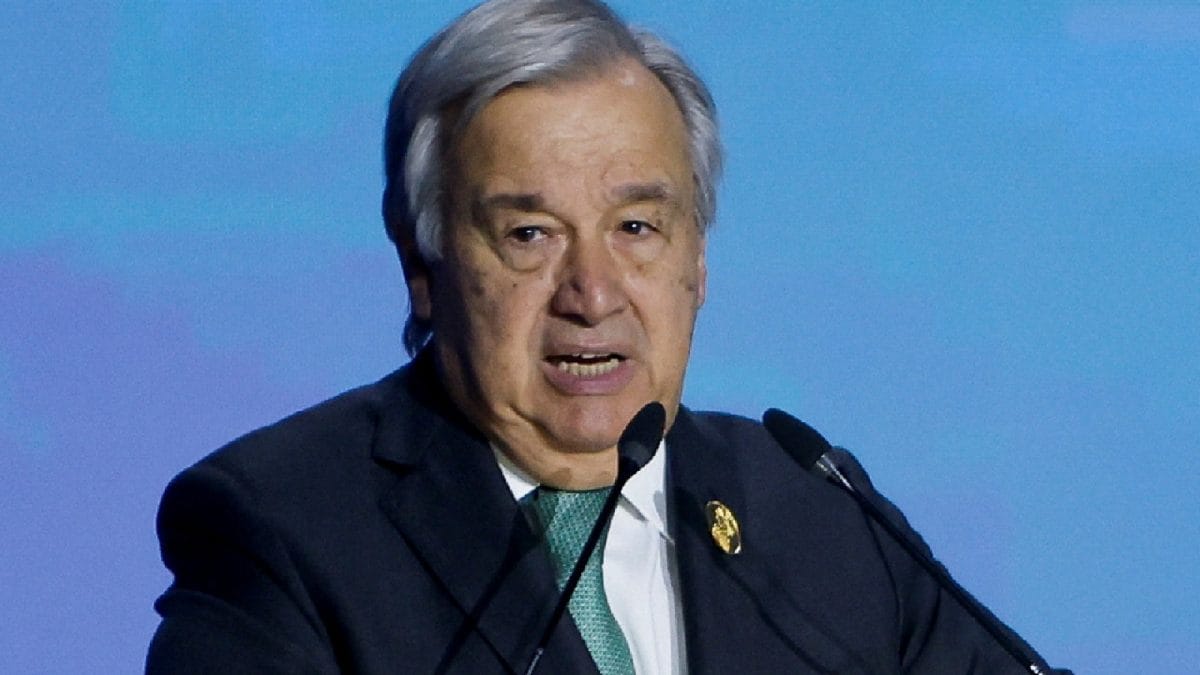
The United Nations marked a day that honors Mahatma Gandhi and non-violence.
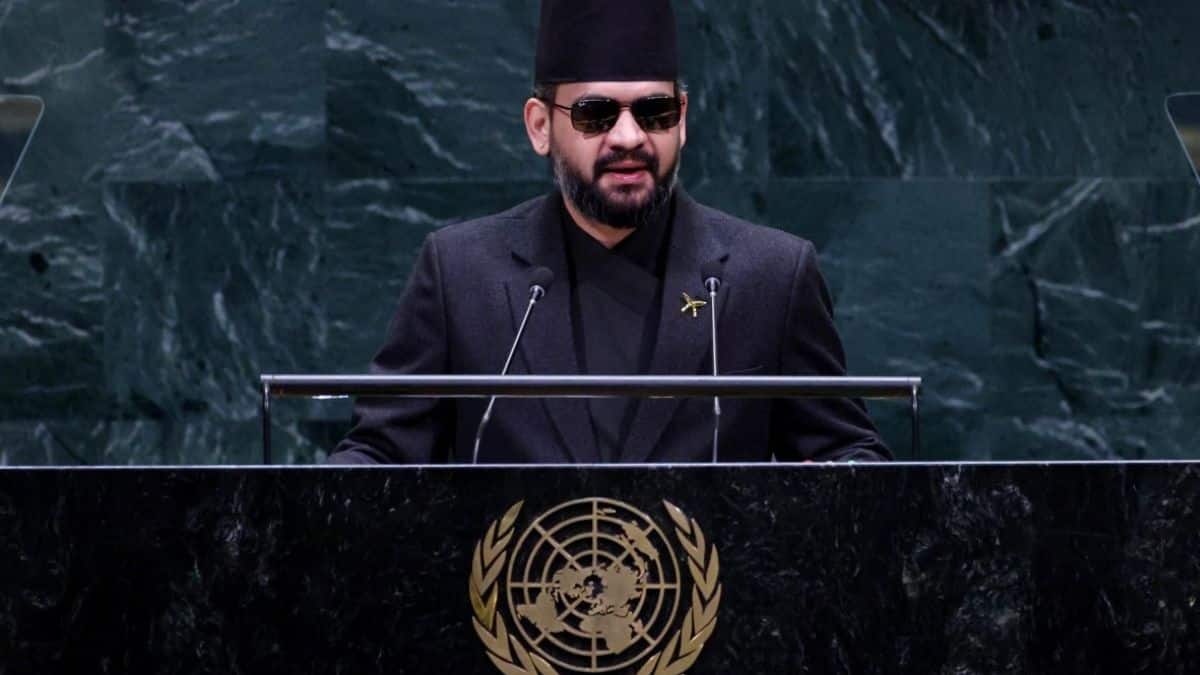
UN chief António Guterres said Gandhi showed that people can challenge injustice without using violence.
He said talking and listening can help people understand one another and make lasting changes.
Guterres warned that poverty and inequality are causing suffering.
He also said important rules and ideas that support peace are being ignored.
India’s UN ambassador, Harish Parvathaneni, said Gandhi’s ideas can help make development fair and protect the environment.
He also said they can help people respect different cultures while keeping their own traditions.
The ambassador connected Gandhi’s message to today’s conflicts and other global challenges.

UN Secretary-General António Guterres marked the October 2 International Day of Non-Violence by honoring Mahatma Gandhi.
Guterres said dialogue and non-violence can oppose injustice without repeating the cruelty and violence behind it.
He warned that poverty and inequality are worsening suffering, while foundations including human rights and international law are being disregarded.
At an event organized by India’s Permanent Mission to the UN, Ambassador Harish Parvathaneni linked Gandhi’s ideas to inclusive development, environmental responsibility and cultural coexistence.
Parvathaneni said Gandhi’s principles remain relevant amid conflict, climate concerns, extremism, technological disruption and inequality, and connected them to India’s proposed 2028–29 Security Council motto, SHANTI.
- Who
- UN Secretary-General António Guterres and India’s Permanent Representative to the UN, Harish Parvathaneni, spoke about Mahatma Gandhi’s principles.
- What
- Guterres urged people to draw on Gandhi’s non-violence, empathy and dialogue; Parvathaneni described the relevance of Gandhi’s ideas to current challenges.
- Where
- At the United Nations in New York, including an event organized by India’s Permanent Mission to the UN.
- When
- The remarks marked the International Day of Non-Violence on October 2; the reports were published October 3.
- Why
- To honor Gandhi and highlight how non-violence and dialogue may help address division, conflict, inequality and other challenges.
Gandhi’s principles as guidance
Challenges cited in the remarks
Responding to injustice
Gandhi’s principles as guidance
Guterres said dialogue and non-violence can counter injustice, build understanding and support lasting change.
Challenges cited in the remarks
He warned that division, tension and conflict are rising, while poverty and inequality are causing suffering.
Gandhi’s ideas and modern development
Gandhi’s principles as guidance
Parvathaneni said Gandhi’s ideas support inclusive, sustainable development, environmental stewardship, self-reliance and coexistence across cultures.
Challenges cited in the remarks
He cited climate crisis, armed conflict, extremism, technological disruption and deepening inequality as challenges facing the world.
Key facts
- Occasion
- International Day of Non-Violence, observed October 2
- UN Secretary-General
- António Guterres
- India’s Permanent Representative to the UN
- Harish Parvathaneni
- Event
- “Non-violence as a means to Peace and Development”
- Organizer
- Permanent Mission of India to the United Nations
- India’s proposed Security Council term
- 2028–29
- Motto cited by Parvathaneni
- SHANTI, which he said means peace in Hindi
Quotes
Harish Parvathaneni
India’s Permanent Representative to the United Nations
“People are suffering. Poverty and inequality are driving a wedge between the haves and have-nots. And the very foundations of peace and development — the UN Charter, human rights, international law and diplomacy and dialogue — are being ignored and flouted with impunity.”
 theprint.in
“I think in our daily lives here at the United Nations as we grapple with various issues that are enjoined upon us, the message of Mahatma Gandhi acts as a beacon.”
theprint.in
Sources
Related news
UN Diplomats Invoke Gandhi’s Non-Violence Message Amid Global Challenges
MIT-WPU Highlights Gandhi’s Message of Peace and Non-Violence

Gandhi Jayanti 2026: India Honors Gandhi With Wishes, Quotes
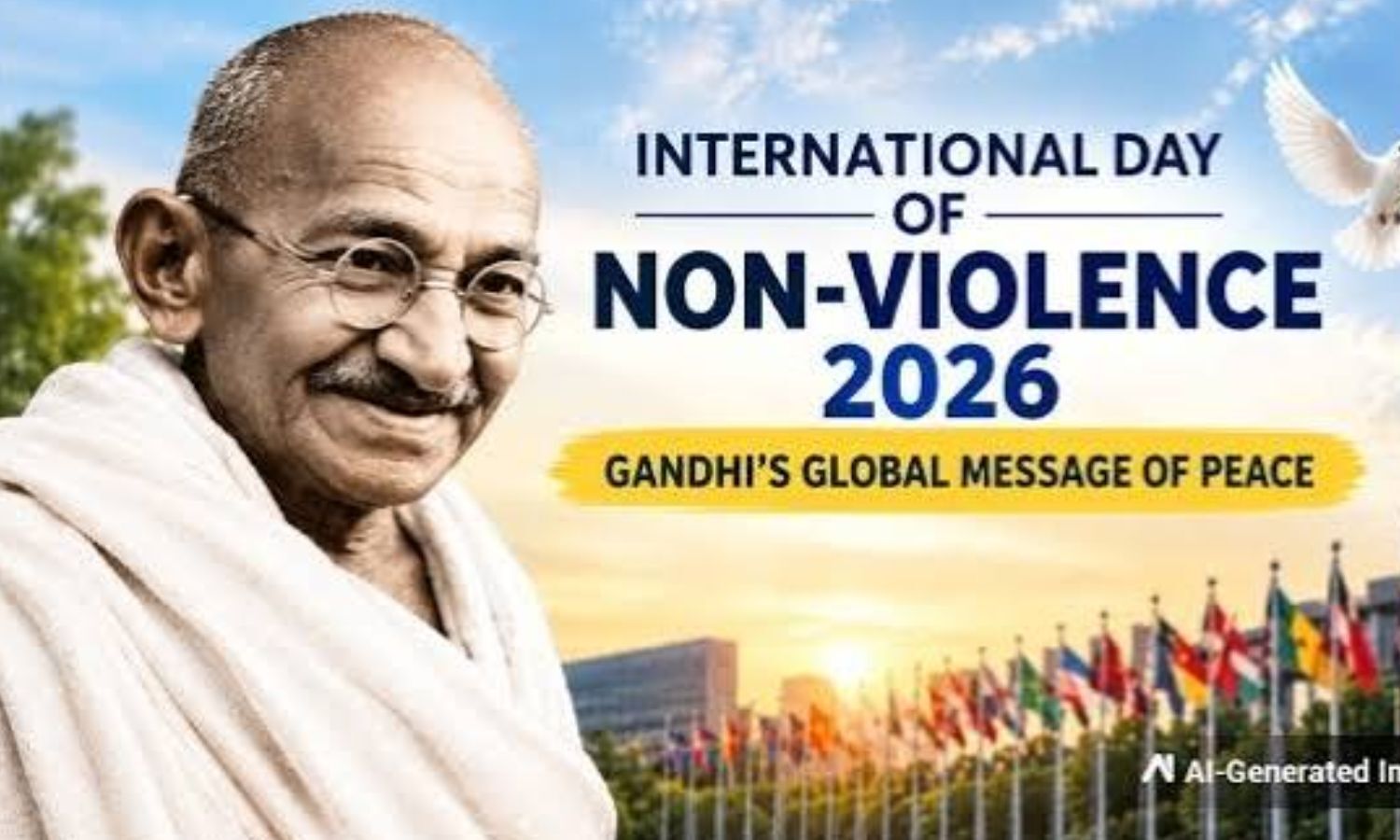
International Day of Non-Violence Honors Gandhi’s Peaceful Legacy
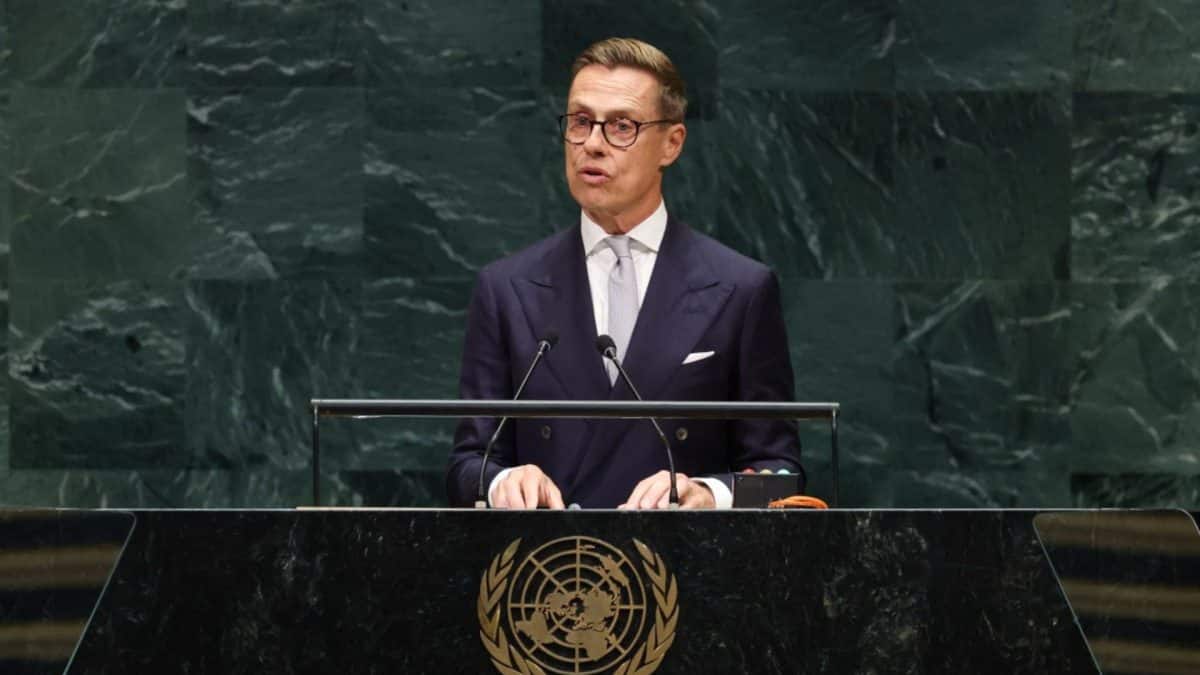
Finland’s Stubb Quotes Gandhi, Urges Defense of International Law

Tamil Nadu Leaders Invoke Gandhi’s Ideals of Peace
UN Chief Condemns Attack on Flydubai Flight, Praises Pilot
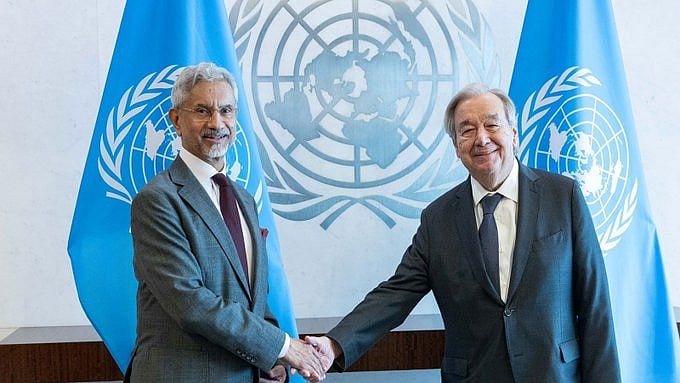
Jaishankar, Guterres Discuss Conflicts and Global South Challenges
UN General Assembly Session Draws Talk, Little Concrete Action
Renewed Tigray Fighting Raises Fears of Wider Regional War