1 day ago
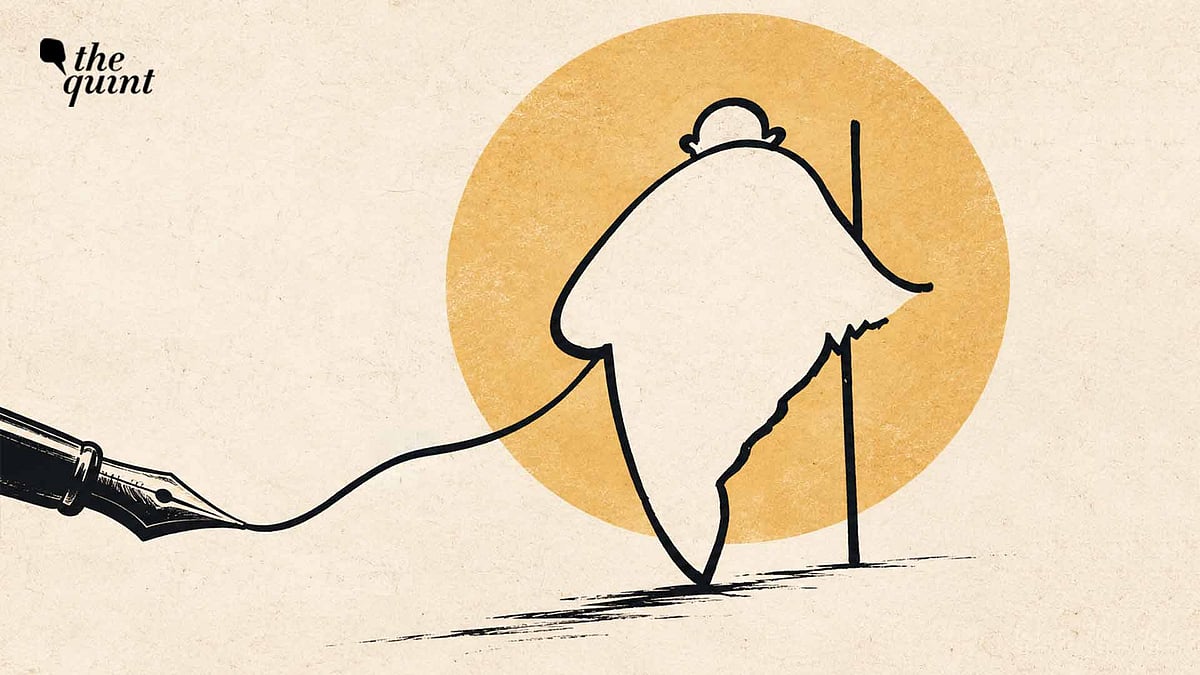
Gandhi Offers Ideas for Renewing India’s Democracy
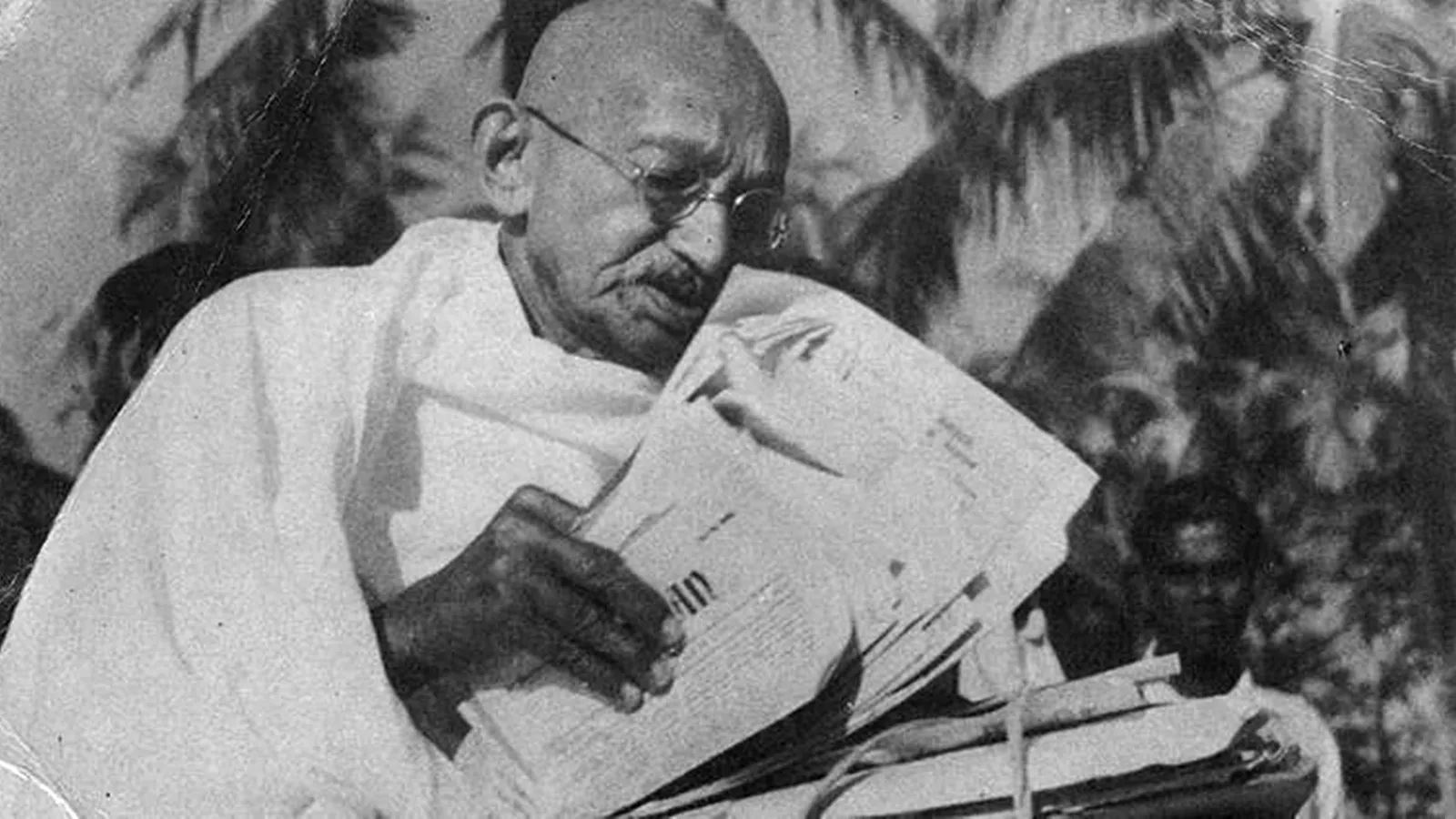
The article asks whether Gandhi’s ideas can help improve democracy in India today.
It says people often remember Gandhi for peaceful protests, but he also thought about how public institutions should work.
The writer says democracy is weakened when people face unfair treatment, poverty and unequal influence.
The article also worries that political power can affect the news people see.
Gandhi’s ideas suggest peaceful campaigns, honest public discussion and self-reflection.
The writer also says voters should learn about public issues and choose leaders independently.
These ideas, the article argues, could help make democracy fairer and more inclusive.

The writer argues Gandhi can help rethink democratic institutions, not only inspire protest movements.
Gandhi’s ideas emphasize humane, inclusive, decentralized institutions and resistance to injustice through truth and non-violence.
The article links caste prejudice, communal stereotypes, poverty and inequality to weaknesses in democratic public life.
It proposes peaceful action, public debate and personal self-examination to counter media-political influence and propaganda.
Gandhi’s call for informed, independent and morally conscious voters is presented as a response to political centralisation.
- Who
- A political scientist writing about Gandhi’s relevance to Indian democracy, and Yogendra Yadav, whose call to use Gandhi as a resource is discussed.
- What
- An argument that Gandhi’s ideas can help address inequality, media influence and political centralisation in India.
- Where
- India.
- When
- The article refers to contemporary democratic challenges and cites Gandhi’s writings from 1920, 1925 and 1929.
- Why
- To explore ways of making democratic institutions more egalitarian, inclusive and accountable.
Case for Gandhi’s relevance
Reservations and challenges
Gandhi and institution-building
Case for Gandhi’s relevance
Gandhi’s writings and politics include a constructive vision for humane, inclusive and decentralized democratic institutions.
Reservations and challenges
Gandhi was critical of the modern state, called himself a philosophical anarchist and is often treated as a protest symbol rather than an institution-builder.
Electoral morality
Case for Gandhi’s relevance
Informed, independent and morally conscious voters could help make democracy more inclusive and resist centralisation.
Reservations and challenges
The article acknowledges that this proposal may sound impractical in the present moment.
Key facts
- Central argument
- Gandhi can inform institutional renewal as well as protest politics.
- Challenges identified
- Social and economic inequality, politically influenced media, and political centralisation.
- Proposed response
- Peaceful action, public discourse and personal self-examination.
- Gandhi’s 1925 position
- He said people should remain loyal to institutions while they support growth, and oppose them when they obstruct it.
- Gandhi on public opinion
- He described awakened and intelligent public opinion as a powerful resource for a Satyagrahi.
- Gandhi on voters
- He called for an impartial, independent and intelligent electorate.
- Related article
- Yogendra Yadav’s article, “Democracy needs renewal. Our idea of Swaraj offers some answers,” was published September 22, as referenced in the text.
Quotes

Mahatma Gandhi
Indian independence leader and political thinker
“I remain loyal to an institution so long as that institution conduces to my growth, to the growth of the nation. Immediately I find the institution instead of conducing to its growth impedes it, I hold it to be my bounden duty to be disloyal to it.”
 indianexpress.com
“An awakened and intelligent public opinion is the most potent weapon of a Satyagrahi.”
indianexpress.com
Sources
Related news
Gandhi’s Lesson: Democracy Needs Dissent and Dialogue
Raj Thackeray Says Democracy Needs Gandhi Beyond Ceremonial Tributes

Swaraj Offers a Blueprint for Renewing Democracy Globally
Fadnavis, Gandhi Clash Over Election Commission and Democracy
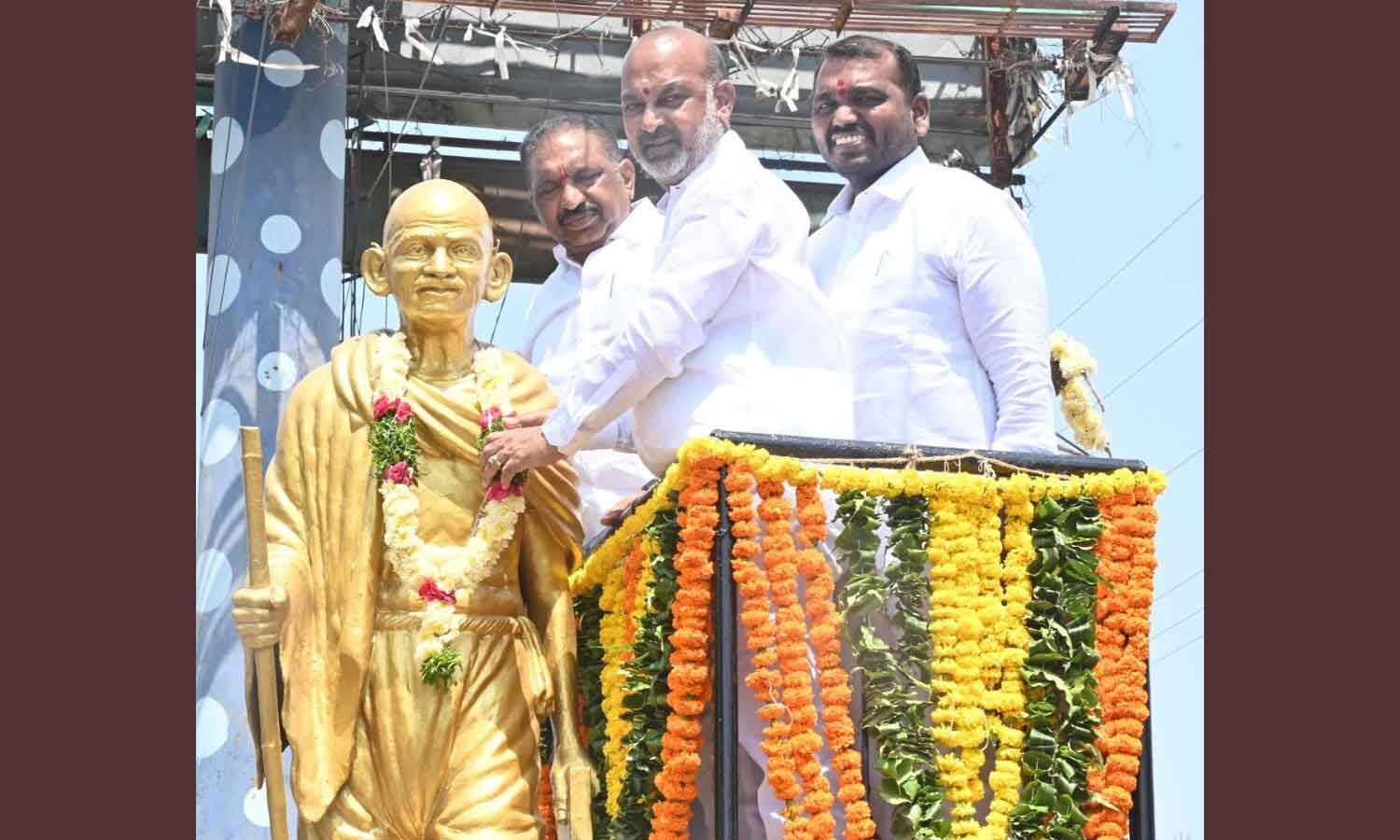
Bandi Sanjay Says Gandhi’s Ideals Remain Relevant Today

Gandhi’s Four Pillars of Swaraj Remain Essential but Weakened
Letters Discuss Delhi’s Heavy Dogs, Gandhi’s Legacy and Stadium
Rajasthan High Court Denies Bail to Five in Kanhaiya Lal Case
Gandhi Cartoon Stamp Shows Democracy’s Place for Humour