1 week ago
Morbi Ceramic Industry Faces Freight, Fuel Costs and Export Slump
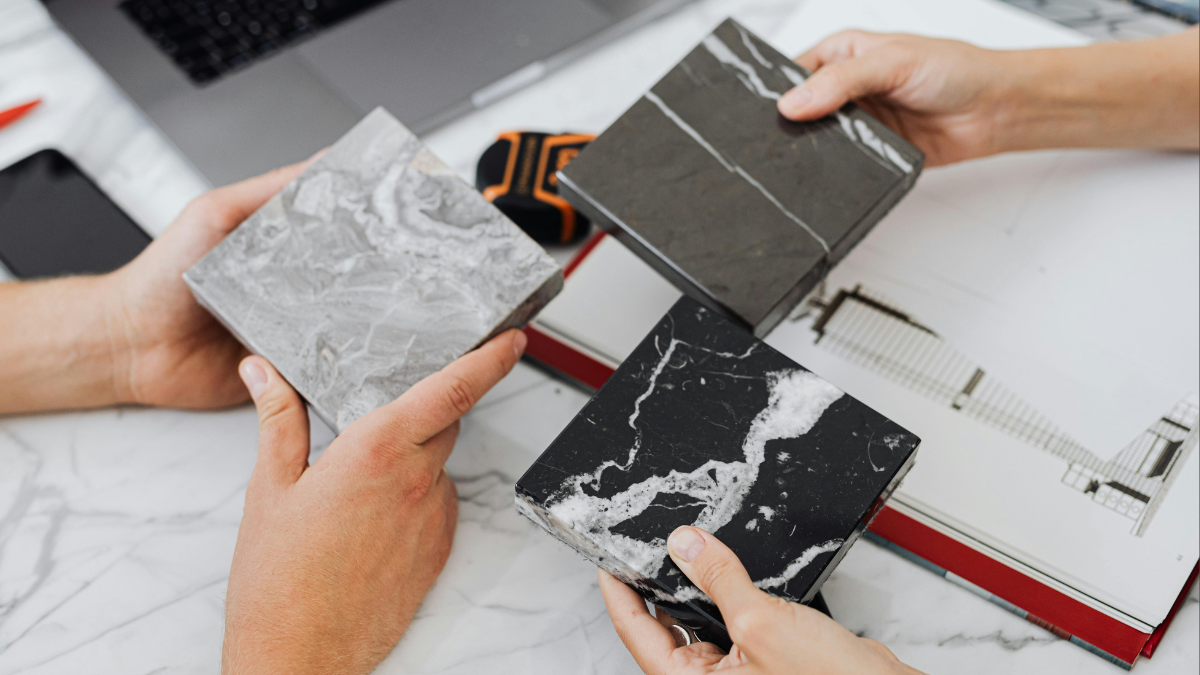
Morbi is a major place in India where ceramic tiles are made.
Its factories are having trouble because shipping containers and fuel have become much more expensive.
Tile exports fell sharply during the first three months of the financial year.
The industry had also stopped production for more than a month during the Hormuz crisis.
Foreign customers are ordering fewer Indian tiles because the higher costs make them more expensive.
Some customers are buying tiles from China, Turkey and South Africa instead.
Factory owners are earning very small profits, although workers currently have no major employment problem.
Industry leaders want India to develop its own shipping lines, but they say that could take three to four years.

Morbi’s ceramic tile exports fell 70% in the first quarter of the financial year.
Container freight rates have risen from about $800 to between $3,000 and $5,000.
Natural gas prices have nearly doubled since March 1, while propane prices increased 40%.
Industry leaders say higher costs are pushing buyers toward China, Turkey and South Africa.
Morbi’s ceramic cluster accounts for nearly 90% of India’s ceramic production and over 85% of its exports.
- Who
- Morbi’s ceramic tile manufacturers, exporters, factory owners and workers, along with industry representatives Manoj Arvadiya and Nilesh Jetpariya.
- What
- The industry is facing a sharp export decline and rising container, natural gas and propane costs.
- Where
- Morbi, Gujarat, India.
- When
- During the first quarter of the financial year; natural gas prices have nearly doubled since March 1.
- Why
- Geopolitical tensions, higher freight and fuel prices, weak foreign demand, and anti-dumping duties are raising costs and reducing competitiveness.
Industry Concerns
Current Market Conditions
Cost pressures
Industry Concerns
Industry representatives say freight, gas and propane costs are squeezing margins and could force factories to shut gradually if prices remain high.
Current Market Conditions
The article reports that factories have continued operating and that workers currently face no major problem, although owners are accepting wafer-thin margins.
Shipping capacity
Industry Concerns
Industry leaders support India developing its own shipping lines to reduce dependence on foreign carriers and stabilize freight rates.
Current Market Conditions
The article notes that creating such capacity could take three to four years, so it would not provide an immediate solution.
Key facts
- Export decline
- Morbi cluster exports fell 70% in the first quarter of the financial year.
- Container freight
- Rates increased from about $800 to between $3,000 and $5,000.
- Natural gas
- Prices have nearly doubled since March 1.
- Propane
- Prices have risen 40%, with supply remaining tight.
- Daily fuel use
- The industry uses about 50 lakh standard cubic meters of propane and 30 lakh standard cubic meters of natural gas daily.
- Industry scale
- Morbi has more than 900 ceramic units and annual industry turnover of about Rs 50,000 crore to Rs 70,000 crore.
- Global position
- The cluster is described as the world’s second-largest after Guangdong in China.
Quotes
Manoj Arvadiya
President of the vitrified tiles division of the Morbi Ceramic Manufacturers Association
“Our business has gone to China, Turkey, and South Africa due to cost-effectiveness. A few days ago, a client in Poland told me that they are getting the containers at US $ 2,400 vis-a-vis our price of US $ 5,000”
 financialexpress.com
“If the prices do not come down, then they will have shut factories gradually. There is also a fear that the exports will drop down further by 10%”
financialexpress.com
Sources
Related news
Unjha Spice Market Struggles Amid Freight and Export Disruptions
Hormuz crisis drives up costs, delays Indian exporter shipments

Morbi's Ceramic Industry Shapes India's Manufacturing Future as Global Cluster

West Asia War Raises Costs and Complicates India’s Logistics
India Hits Record Exports Despite Freight Surge Amid US-Iran War
Hormuz Disruption Drives India’s Crude Freight Costs Sharply Higher

India’s Fourth BRICS Chair Faces a Much Larger Summit

Nepal Families Seek Missing Loved Ones After Deadly Flash Floods

Putin Faces Western Isolation While Russia Builds Non-Western Ties
India’s Global Power Ambitions Face Economic and Democratic Setbacks
India’s 7.8% Growth Broad-Based, but Jobs Remain Challenge