1 week ago
TOFA Offers a Fat-Burning Alternative to Appetite-Suppressing Drugs

Scientists are testing a molecule called TOFA as a possible way to help the body burn more energy.
Most popular weight-loss drugs mainly make people feel less hungry.
TOFA appeared to work differently by encouraging cells to use more fat for energy.
In experiments, obese mice burned up to 18 percent more energy.
The mice lost fat but kept their lean muscle.
They also had better blood sugar, triglyceride and liver measurements.
Combining TOFA with GLP-1 drugs worked better than either treatment alone in the mice.
However, researchers do not yet know whether TOFA will be safe or effective for people.

UC Berkeley researchers found that TOFA increased energy expenditure in obese mice by up to 18 percent.
The mice lost fat while preserving lean muscle, without eating less or becoming more active.
TOFA improved insulin sensitivity, glucose control, triglyceride levels and fatty liver disease markers.
The compound works differently from GLP-1 drugs, which mainly reduce appetite and food intake.
TOFA has not yet been tested for safety or effectiveness in humans.
- Who
- Researchers at the University of California, Berkeley, led by metabolic biology professor Anders Näär, studied TOFA in obese mice.
- What
- They found that TOFA increased energy expenditure and improved several measures of metabolic health.
- Where
- The research was conducted by the University of California, Berkeley, in experiments involving obese mice.
- When
- The findings were published in Science Advances; the articles do not provide a publication date.
- Why
- Researchers are exploring a weight-loss approach that increases energy use rather than primarily suppressing appetite.
Potential Benefits
Unresolved Concerns
How the treatment works
Potential Benefits
TOFA could complement appetite-suppressing GLP-1 drugs by increasing energy expenditure and fat burning.
Unresolved Concerns
The findings come from mice, so it is not known whether the same effects will occur in humans.
Metabolic outcomes
Potential Benefits
Treated mice lost fat while retaining lean muscle and showed improved glucose, triglyceride and liver markers.
Unresolved Concerns
TOFA has not yet been tested for human safety or effectiveness.
Drug-development risks
Potential Benefits
Researchers found that TOFA appeared to activate receptors linked to fat uptake and energy burning in addition to blocking fat production.
Unresolved Concerns
Other acetyl-CoA carboxylase inhibitors have caused triglyceride increases that could raise heart-health concerns.
Key facts
- Molecule
- 5-tetradecyloxy-2-furoic acid, known as TOFA
- Energy expenditure
- Increased by up to 18 percent in treated obese mice
- Body composition
- Mice lost fat while preserving lean muscle
- Metabolic effects
- Improved insulin sensitivity, glucose control, triglycerides and fatty liver disease markers
- Combination treatment
- TOFA combined with GLP-1 drugs produced greater improvements in mice than either treatment alone
- Human testing
- TOFA has not yet been tested for safety or effectiveness in humans
- Study publication
- Science Advances
Quotes
Anders Näär
UC Berkeley metabolic biology professor who led the study
“Body weight responds to two levers: taking in fewer calories, or spending more energy. GLP-1s work almost entirely on the first, so we went after the second.”
 theprint.in
Sources
Related news

Experimental Weight-Loss Drug Aims To Reduce Fat While Preserving Muscle
New Oral GLP-1 Pill Helps Adults Lose 12.1% Weight

Nestle targets weight-loss drug users with AI-driven new products

Serena Williams Defends GLP-1 Weight-Loss Drug Use; Doctors Urge Caution

Study Links Ozempic-Like Drugs to Increased Hair Loss Risk

Karan Johar Explains Weight Loss Amid Ozempic Rumours
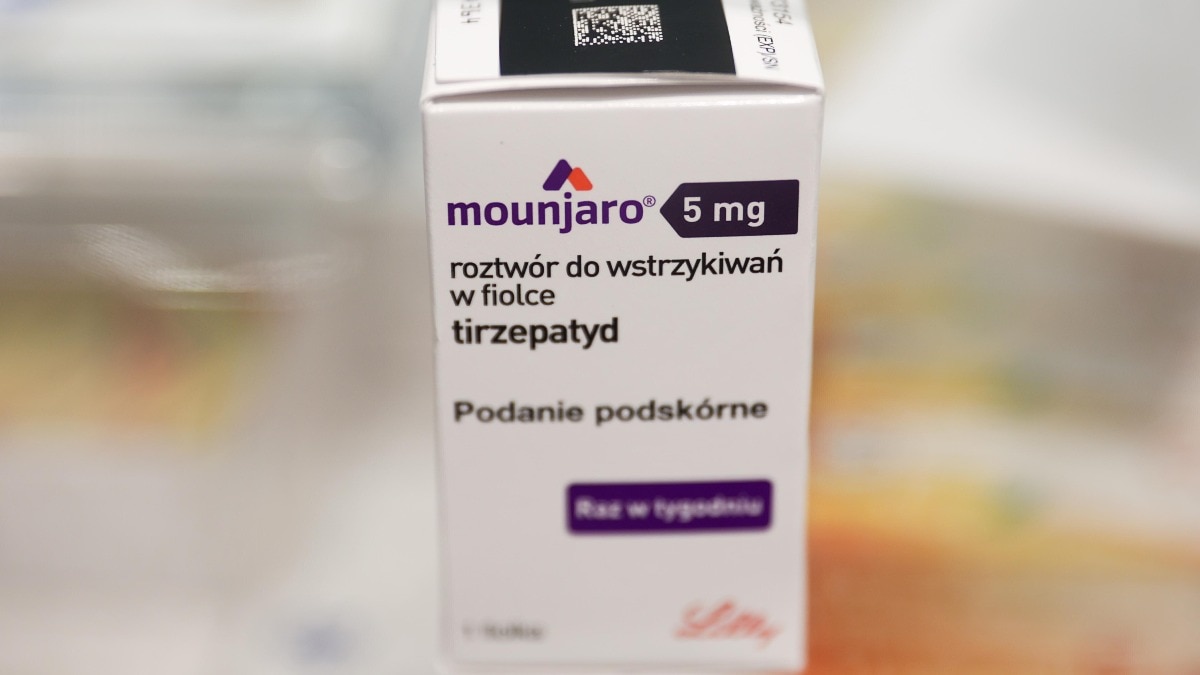
Eli Lilly’s Mounjaro Approved to Reduce Cardiovascular Risks

Hair Loss Drug Boom Sends Biotech Stocks Toward Next Ozempic

Bengaluru Peptide Party Cancelled Amid Safety Concerns Over Wellness Craze