2 days ago
Bengaluru Peptide Party Cancelled Amid Safety Concerns Over Wellness Craze

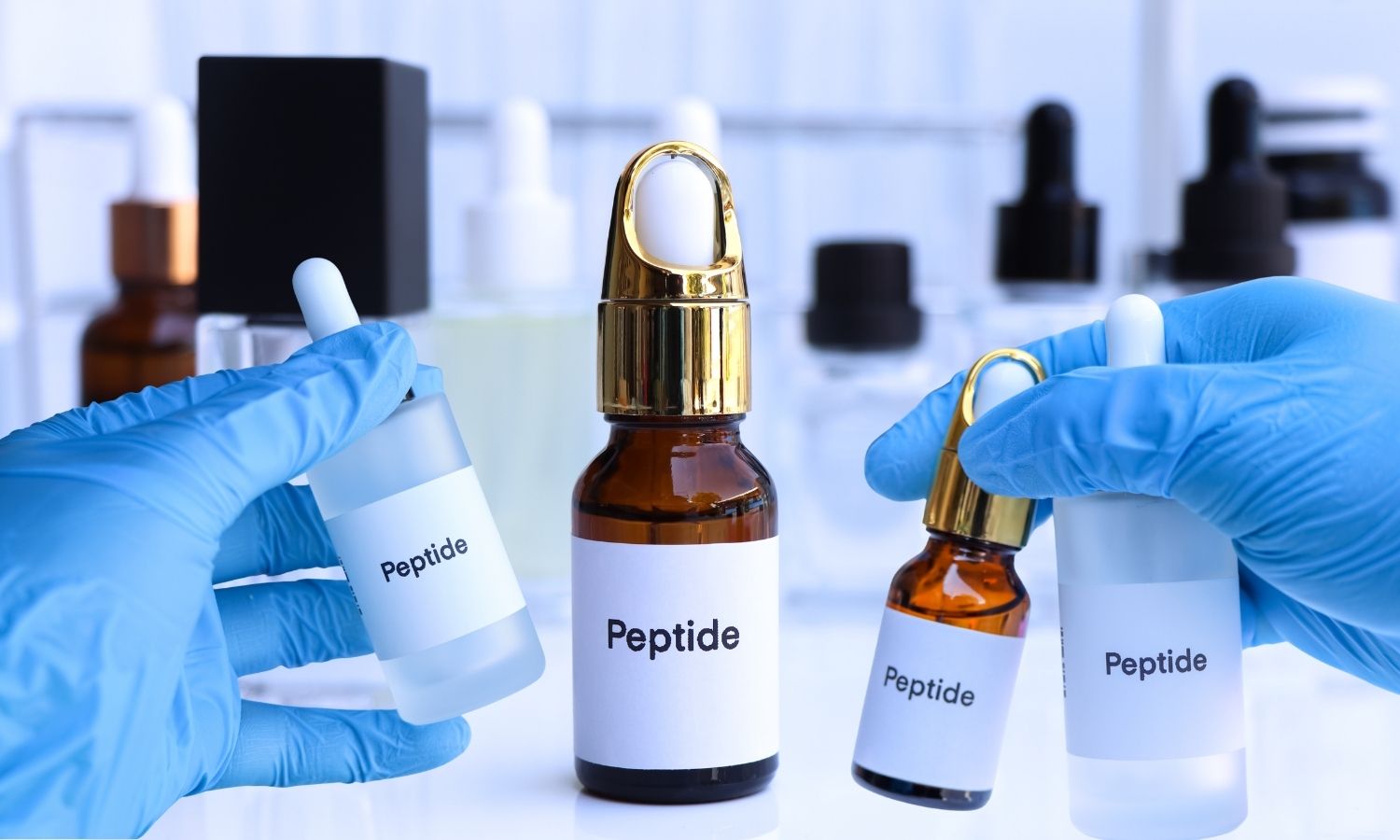
Peptides are tiny chains made from the same building blocks as proteins.
Some peptides, such as insulin and semaglutide, are approved medicines that have been carefully tested.
Other peptides are sold online or by wellness clinics without enough research in people.
Bengaluru planned a party where people could discuss these products, but the event was cancelled.
Some sellers and users say peptides may help with weight loss, muscle recovery or ageing.
However, stories from users are not the same as proof from medical studies.
Products bought online might contain the wrong amount or harmful contaminants.
Injecting them can also cause infections or immune reactions.
Doctors say people should not use these products without proper medical advice and reliable quality checks.

Bengaluru’s first invite-only Peptide Party was cancelled after attracting more than 200 registrations for about 50 places.
Approved medicines such as semaglutide, tirzepatide and insulin have evidence from human clinical trials, unlike many peptides sold online.
Compounds including BPC-157, TB-500, epitalon and MOTS-c are marketed for recovery, anti-ageing and longevity with limited human evidence.
Experts warn that unsupervised use can involve contamination, incorrect dosing, infections, immune reactions and unpredictable effects on organs or hormones.
Consumers are advised to seek qualified medical supervision, licensed pharmacies, traceable batches and credible published human-trial evidence.
- Who
- Bengaluru administrators cancelled the event; peptide users, wellness clinics, online sellers and medical experts are involved in the wider debate.
- What
- An invite-only Bengaluru Peptide Party was cancelled amid concerns about the safety and evidence behind peptide products marketed for wellness and longevity.
- Where
- Bengaluru, India, with peptide products also sold online and through wellness clinics.
- When
- The party was announced for August 29; the article also cites a United States Food and Drug Administration recommendation issued in July 2026 concerning BPC-157.
- Why
- Concerns center on limited human evidence, uncertain product quality, unsupervised dosing, contamination and risks from self-injection.
Peptide Promoters And Users
Medical And Safety Experts
Potential benefits
Peptide Promoters And Users
Wellness clinics, online sellers and users promote peptides for weight loss, muscle recovery, sleep, skin health, anti-ageing and longevity.
Medical And Safety Experts
Experts say approved medicines may work, but many compounds marketed for these purposes lack adequate controlled human clinical trials.
Access and regulation
Peptide Promoters And Users
Industry groups, political figures and patients have been involved in debates about relaxing regulatory rules for BPC-157 and pharmacy compounding.
Medical And Safety Experts
Regulatory debate should not be treated as proof that BPC-157 is safe or effective, and the label “research chemical” is not a safety certification.
Community dosing
Peptide Promoters And Users
Online communities and peptide gatherings allow users to share experiences about products, combinations, doses and administration methods.
Medical And Safety Experts
Doctors warn that anecdotal advice can normalize stacking, self-injection and unsupervised dose changes while overlooking contamination, interactions and organ damage.
Key facts
- Event registration
- More than 200 people registered for approximately 50 places.
- Approved examples
- Insulin, semaglutide and tirzepatide are described as peptide-based medicines supported by clinical trials.
- Online compounds
- BPC-157, TB-500, epitalon and MOTS-c are among the compounds sold by research-chemical suppliers.
- Capsule prices
- Some online peptide capsules cost ₹10,000–15,000 for 60 capsules.
- BPC-157 evidence
- The article says BPC-157 has very limited human clinical evidence.
- Product-quality concerns
- Testing cited in the article found heavy-metal contamination in some online peptides and discrepancies between labels and contents in some samples.
- Main risks
- Reported concerns include infections, immune reactions, incorrect dosing, hormonal or organ effects, contamination and unsafe injection practices.
Quotes
Dr Anoop Misra
Executive Chairman of Fortis C-DOC for Diabetes and Allied Sciences and a researcher on peptides
“The word ‘peptide’ itself can sound reassuring because some of the world’s most successful modern medicines are peptides. But scientific credibility does not automatically extend from semaglutide or insulin to every compound sold online under the same broad label.”
 indianexpress.com
Sources
Related news
Bengaluru Peptide Party Cancelled After Food Regulator Notice

GLP-1 Patent Expiries Bring Affordable Access and Counterfeit Risks

The dark side of India's booming market for weight-loss drugs

Crescent Canna India Promotes Transparent Botanical Wellness Products

Tata Elxsi, Sarla Aviation Partner on India’s Electric Air Taxi

India-Brazil Friendly Tickets Sell Out as Kolkata Anticipates Clash

Advocate Seeks Removal of Burial Sites from Bengaluru Kala Grama

Shivakumar Calls BJP Padayatra Cover-Up for Internal Crisis

Futura MedTech Appoints Abhishek Bhargava as Group CEO