3 days ago
Experimental Weight-Loss Drug Aims To Reduce Fat While Preserving Muscle
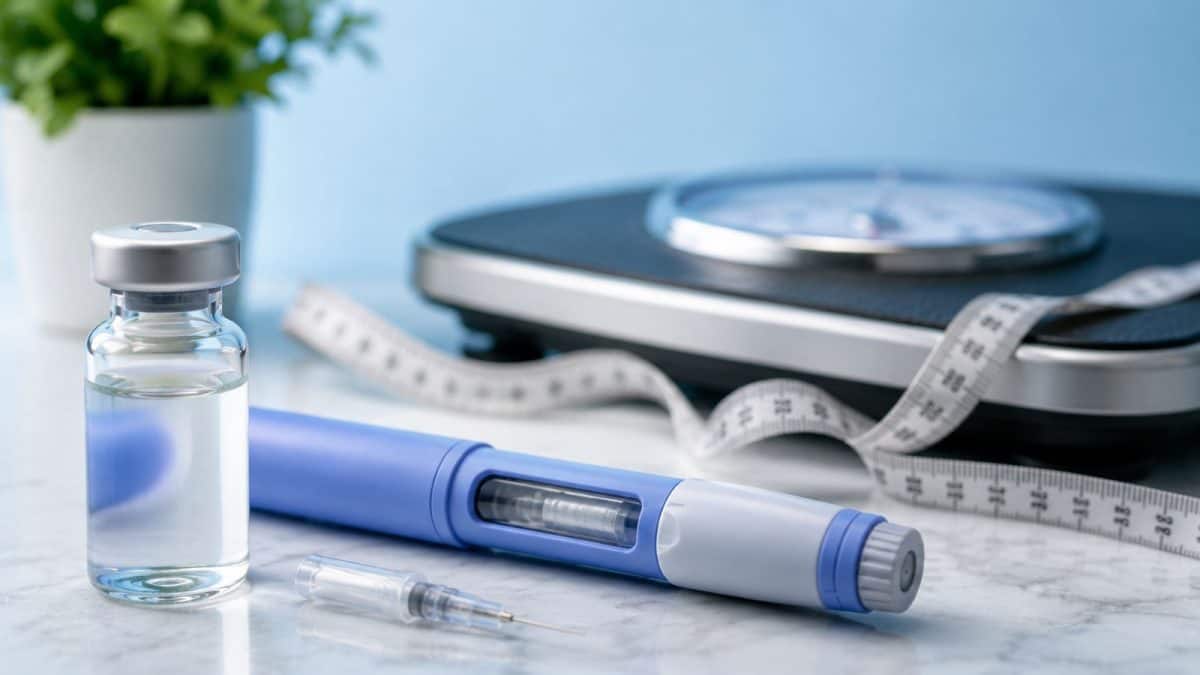
Scientists are testing a new medicine called survodutide for people with obesity.
The medicine is designed to help the body lose more fat than muscle.
In a large study, people lost up to about 17 percent of their body weight over 76 weeks.
They also lost fat around their organs and in their livers.
Losing too much muscle can make it harder to stay strong and keep weight off.
Some popular medicines, such as Ozempic and Mounjaro, can cause part of the weight loss to come from muscle.
Researchers are studying whether new medicines or combinations can protect muscle while still helping people lose weight.
The new drug is experimental, so more research is needed.

Experimental drug survodutide helped patients lose up to 16.6% of body weight over 76 weeks.
The trial reported reductions of up to 34% in visceral fat and more than 60% in liver fat.
Researchers said most of the weight lost came from fat, with only a small proportion from lean mass.
Studies suggest 25% to 40% of weight lost with some GLP-1 treatments may come from lean tissue.
Scientists are exploring next-generation and combination treatments that reduce fat while protecting muscle.
- Who
- Scientists and researchers studying experimental obesity treatments, including survodutide.
- What
- They are developing and testing weight-loss drugs designed to reduce fat while preserving muscle.
- Where
- The article does not specify where the clinical trial took place.
- When
- Early and late-stage trial data discussed in the article cover treatment over 76 weeks.
- Why
- To improve obesity treatment by reducing harmful visceral and liver fat while limiting muscle loss.
Next-Generation Treatment Promise
Current Evidence And Limitations
Muscle preservation
Next-Generation Treatment Promise
Supporters point to trial findings that most weight lost with survodutide came from fat, suggesting it may better preserve muscle.
Current Evidence And Limitations
Researchers still need more evidence because the drug is experimental, and current GLP-1 treatments can involve substantial lean-tissue loss.
Role alongside existing drugs
Next-Generation Treatment Promise
New therapies could improve obesity care by targeting visceral and liver fat, potentially alongside GLP-1 medicines.
Current Evidence And Limitations
Experts are not considering the new drugs replacements for Ozempic or similar treatments; combination approaches remain under study.
Key facts
- Drug discussed
- Survodutide, an experimental injectable treatment for obesity and related conditions.
- Study duration
- 76 weeks.
- Maximum body-weight reduction
- Up to 16.6%.
- Visceral-fat reduction
- Up to 34%.
- Liver-fat reduction
- More than 60%.
- Lean-mass concern
- Some studies link about 25% to 40% of weight lost with current GLP-1 treatments to lean tissue.
- Potential future approach
- Combining appetite-reducing GLP-1 drugs with treatments that preserve muscle or increase fat burning.
Sources
Related news
TOFA Offers a Fat-Burning Alternative to Appetite-Suppressing Drugs
Nestle targets weight-loss drug users with AI-driven new products
New Oral GLP-1 Pill Helps Adults Lose 12.1% Weight

Karan Johar Explains Weight Loss Amid Ozempic Rumours
Rapid Weight Loss Can Trigger Muscle Loss, Not Aging

Serena Williams Defends GLP-1 Weight-Loss Drug Use; Doctors Urge Caution
Eli Lilly’s Mounjaro Approved to Reduce Cardiovascular Risks
Hair Loss Drug Boom Sends Biotech Stocks Toward Next Ozempic
Bengaluru Peptide Party Cancelled Amid Safety Concerns Over Wellness Craze