

2 days ago
Hair Loss Drug Boom Sends Biotech Stocks Toward Next Ozempic
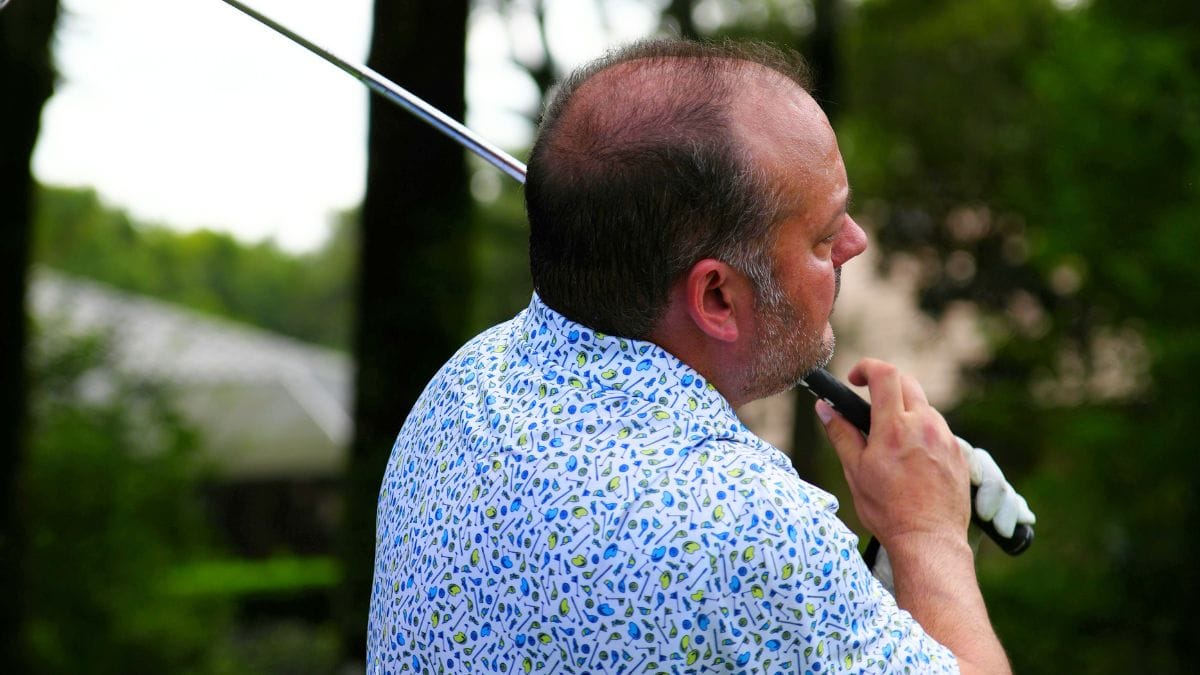
Many people lose hair, but there have not been many new medicines for it since the 1990s.
This has encouraged biotech companies to develop new treatments.
Investors are buying shares in these companies because they hope the medicines could become very popular.
Veradermics is testing a pill for hair loss in men and women.
Absci is testing an injectable medicine that might need only a few doses.
Eli Lilly has invested in Absci’s hair-loss research.
However, these medicines are still being tested and have not yet been proven safe and effective.
Hair loss is usually treated as a cosmetic issue, so insurance may not pay for these treatments.
That means their success will depend largely on whether people choose to pay for them themselves.

Biotech investors are backing experimental hair-loss treatments aimed at a large, underserved market.
Veradermics shares have risen nearly 500% since the company went public in February this year.
Veradermics is testing oral minoxidil for male-pattern hair loss and female-pattern hair loss.
Absci is developing an injectable treatment that may require only two or three doses over six months.
Unlike obesity drugs, hair-loss treatments are expected to rely mainly on consumers paying for cosmetic improvements.
- Who
- Biotech companies including Veradermics, Absci Corp, and Cosmo NV, along with investors and pharmaceutical company Eli Lilly and Company.
- What
- Experimental hair-loss drugs are attracting investor interest and driving gains in some biotech stocks.
- Where
- The investment activity and drug development described are centered on the US market, with Cosmo NV listed in Switzerland.
- When
- Veradermics reported trial results in April and July; Absci’s interim trial data is expected later this year.
- Why
- Investors and drugmakers see a large, underdeveloped market in consumers willing to pay for treatments to address hair loss.
Investor Optimism
Clinical and Market Caution
Market opportunity
Investor Optimism
Investors see millions of potential customers and a decades-old market with relatively few treatment options.
Clinical and Market Caution
Hair loss is not considered a health crisis, so demand and revenues may depend on consumers paying out of pocket for cosmetic improvements.
Drug potential
Investor Optimism
Companies are testing more convenient options, including pills and an injectable that may require only a few doses.
Clinical and Market Caution
The treatments are still experimental, and positive early or mid-stage results do not guarantee approval or commercial success.
Ozempic comparison
Investor Optimism
Drugmakers hope hair-loss medicines can replicate the consumer demand and financial success associated with Ozempic and other blockbuster drugs.
Clinical and Market Caution
Unlike many obesity treatments, hair-loss drugs generally lack the same medical indications and potential insurance coverage.
Key facts
- Affected population
- Pattern hair loss affects an estimated 50 million men and around 30 million women in the United States.
- Treatment gap
- No new hair-loss drugs have been approved in the United States since the 1990s, according to the article.
- Veradermics stock performance
- The company’s shares have climbed nearly 500% since its public debut in February this year.
- Veradermics treatment
- VDPHL01 is an oral minoxidil pill being developed for hair loss.
- Female-pattern hair loss
- If approved, VDPHL01 could become the first pill in the United States specifically for female-pattern hair loss.
- Absci treatment
- ABS-201 is an injectable drug that may be administered two or three times over six months.
- Clinical stage
- The treatments discussed remain in early or mid-stage clinical development and have not been proven.
Quotes
Gil Blum
Needham analyst commenting on consumer demand for hair-loss treatments
“People will fly all the way to Turkey to have some hair moved around on their head. Can you imagine if you could do that without getting a hair transplant?”
 theprint.in
Sources
Related news

Study Links Ozempic-Like Drugs to Increased Hair Loss Risk

Popular Hair Restoration Treatments Compared: What Works and Why

Why Kacholia, Singhania ignored falling promoter stakes in healthcare

MANGOS Gains Attention as AI Investment Basket Faces Hurdles
