

3 weeks ago
Study Links Ozempic-Like Drugs to Increased Hair Loss Risk

Some medicines help people with diabetes control their blood sugar and lose weight.
These medicines are called GLP-1 receptor agonists, and Ozempic is one well-known example.
A new study looked at people taking these medicines to see if they lose hair.
The study found that people taking these drugs lose hair a little more often than people taking other diabetes medicines.
But the chance of losing hair is still very low.
The hair loss is the kind where the hair can grow back later.
Doctors think fast weight loss or not having enough iron or zinc might be the reason.
Hormone changes could also play a part.
Scientists say more research is needed to understand exactly why this happens.
Knowing about this side effect can help patients and doctors make better choices together.

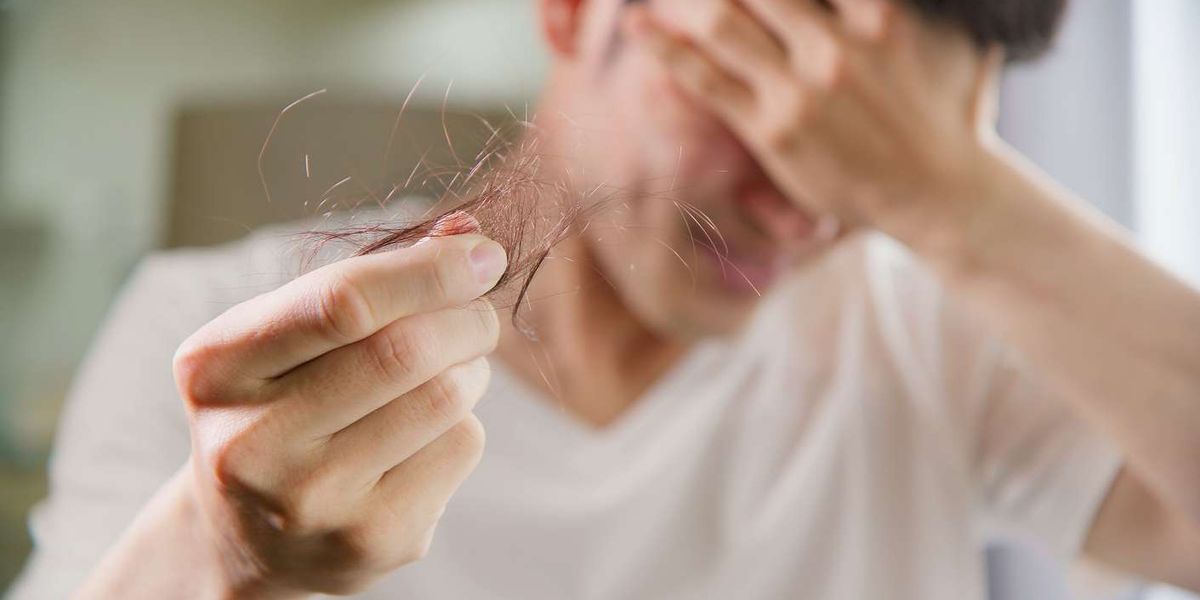
Research published in The British Medical Journal found GLP-1 receptor agonists, including semaglutide and tirzepatide, may increase the risk of alopecia.
GLP-1 receptor agonist users were 37% more likely to develop alopecia than SGLT-2 inhibitor users.
Users of GLP-1 receptor agonists had a 68% higher risk of hair loss compared with DPP-4 inhibitor users.
The study found an increased risk of non-scarring alopecia, where hair follicles remain intact and regrowth is possible.
Researchers analyzed electronic patient data from the University of Pennsylvania Health System from January 2019 to September 2024.
- Who
- Researchers including those from the University of Pennsylvania in the US.
- What
- Published a study finding GLP-1 receptor agonists are linked to an increased risk of non-scarring alopecia in adults with type 2 diabetes.
- Where
- Using electronic patient data from the University of Pennsylvania Health System in the United States.
- When
- Based on patient data collected between January 2019 and September 2024.
- Why
- Rapid weight loss, nutrient deficiencies like iron or zinc, and hormonal changes from the drugs may trigger hair shedding; awareness can inform shared treatment decisions.
Key facts
- Publication
- The British Medical Journal (BMJ)
- Drugs studied
- GLP-1 receptor agonists, particularly semaglutide and tirzepatide
- Risk vs SGLT-2 inhibitors
- 37% higher risk of alopecia
- Risk vs DPP-4 inhibitors
- 68% higher risk of alopecia
- Study groups
- 12,004 GLP-1 users vs 15,221 SGLT-2 users; 11,964 GLP-1 users vs 11,233 DPP-4 users
- Study period
- January 2019 to September 2024
- Data source
- University of Pennsylvania Health System
- Type of hair loss
- Non-scarring alopecia with potential for regrowth
Quotes
Authors of the study
Researchers from the University of Pennsylvania
“Use of GLP-1 receptor agonists was associated with an increased risk of non-scarring alopecia (where hair follicles remain intact, leaving the potential for regrowth) in adults with type 2 diabetes.”
 rediff.com
“Our findings extend previous anecdotal safety signals and provide more systematic evidence to inform clinical awareness of this potential adverse effect.”
rediff.com
Sources
Related news

New Oral GLP-1 Pill Helps Adults Lose 12.1% Weight

Serena Williams Defends GLP-1 Weight-Loss Drug Use; Doctors Urge Caution
Hair Loss Drug Boom Sends Biotech Stocks Toward Next Ozempic

Lupin Reassesses GLP-1 Market as It Develops New Treatments

Expert Questions Whether GLP-1 Drugs Are Creating New Diet Culture
GLP-1 drugs linked to higher hair loss risk
