

1 hr ago
Delhi Protest Security Measures Raise Questions About Citizens’ Rights
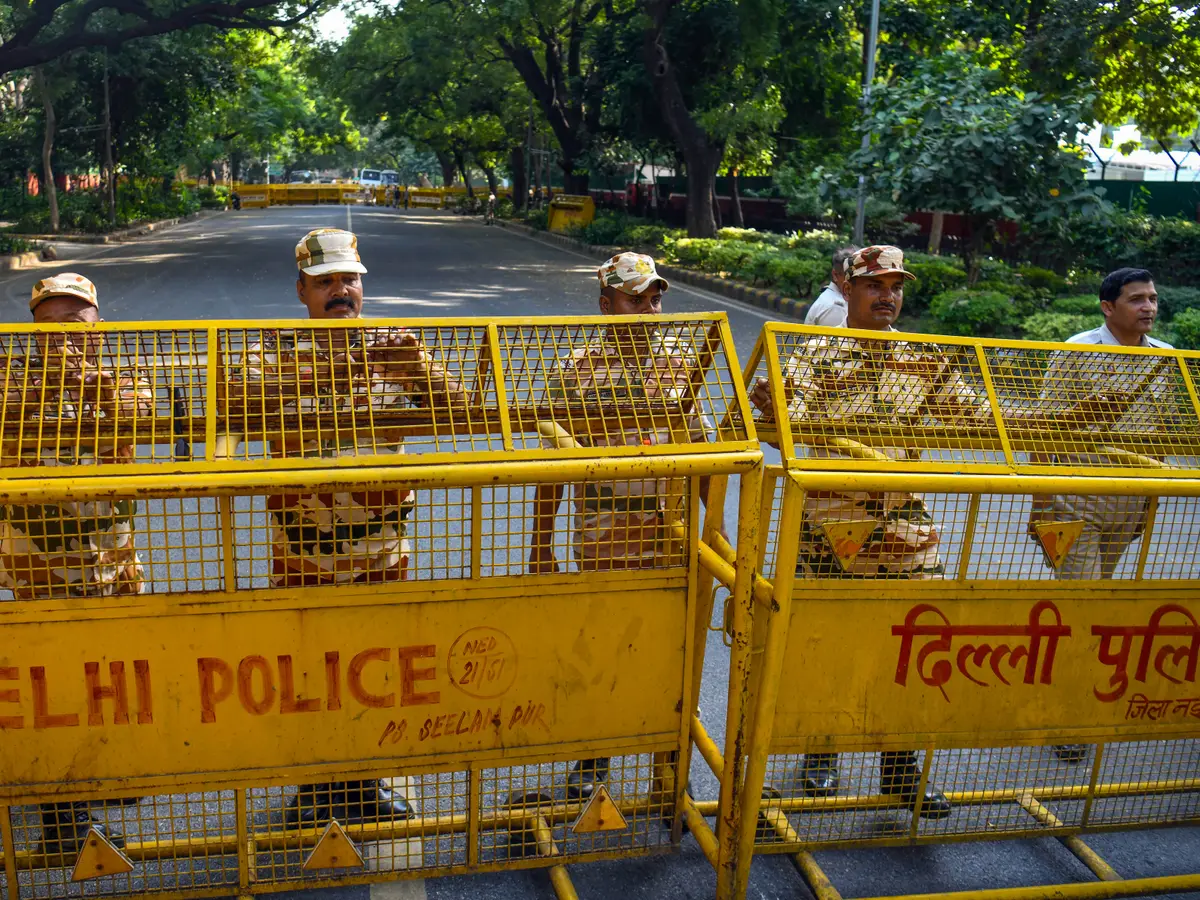
Opposition protests in Delhi led to heavy security measures.
Authorities considered closing 57 metro stations, and the city’s borders were sealed.
The Supreme Court asked whether trains could run less often instead of shutting stations.
The report says clashes took place between police and some protesters, including political leaders.
People have a right to protest, but demonstrations and closures can make daily travel difficult for others.
The report asks protest leaders to think about those effects.
It also says the Election Commission should explain the electoral issues clearly.
It argues that both officials and protesters should consider how their choices affect the public.

Delhi faced a major security deployment, sealed borders and possible closures at 57 metro stations during opposition protests.
The Supreme Court questioned why authorities could not reduce train frequency instead of shutting metro stations.
The report describes clashes involving Delhi Police, Priyanka Gandhi Vadra, Rahul Gandhi and Congress workers.
It weighs protesters’ right to demonstrate against the disruption and uncertainty faced by ordinary residents.
It calls on the Election Commission to clarify the electoral issues that prompted the protests.
- Who
- Opposition protesters, Delhi Police, the Election Commission, and Delhi residents.
- What
- Security measures and possible metro station closures during protests prompted debate about protest rights, public disruption and electoral transparency.
- Where
- Delhi, India.
- When
- During the protests described as taking place over three days, with a showdown expected on Saturday.
- Why
- Opposition protests over electoral concerns brought security restrictions and questions about the Election Commission’s communication.
Protesters and supporters
Public-safety and disruption concerns
Security restrictions
Protesters and supporters
The article presents the view that tightening security could amount to an undeclared emergency and questions the need for extensive restrictions.
Public-safety and disruption concerns
Authorities’ measures are framed as safety arrangements; the article asks whether protest leaders would accept responsibility if an incident occurred.
Protest rights and public impact
Protesters and supporters
Citizens have a constitutional right to protest and defend themselves.
Public-safety and disruption concerns
Residents also have rights, and protests or metro closures can disrupt travel, work and daily activities.
Election Commission communication
Protesters and supporters
Protesters are pressing electoral concerns and seeking answers.
Public-safety and disruption concerns
The article argues that the Election Commission should communicate directly with voters and clarify the issues.
Key facts
- Metro stations affected
- 57 stations faced a possible shutdown.
- Security measures
- A large security deployment was reported and borders were sealed.
- Supreme Court question
- The court asked why train frequency could not be reduced instead of closing stations.
- Protests
- The article describes three days of opposition protests.
- Reported clashes
- The article describes confrontations between Delhi Police and protesters, including incidents involving Priyanka Gandhi Vadra and Rahul Gandhi.
- Key public concern
- Possible disruption to people who rely on the metro for work and daily activities.
- Requested action
- The article urges the Election Commission to clarify electoral concerns for voters.
Sources
Related news
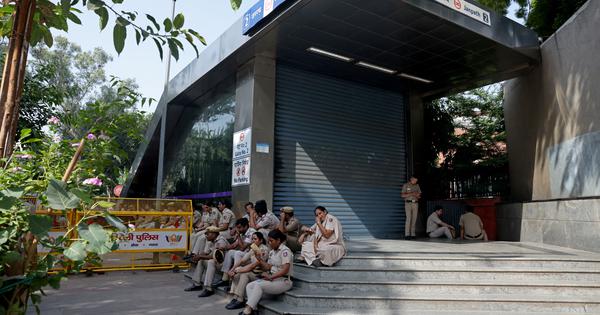
Supreme Court Bars Blanket Delhi Metro Shutdown Ahead of Protest
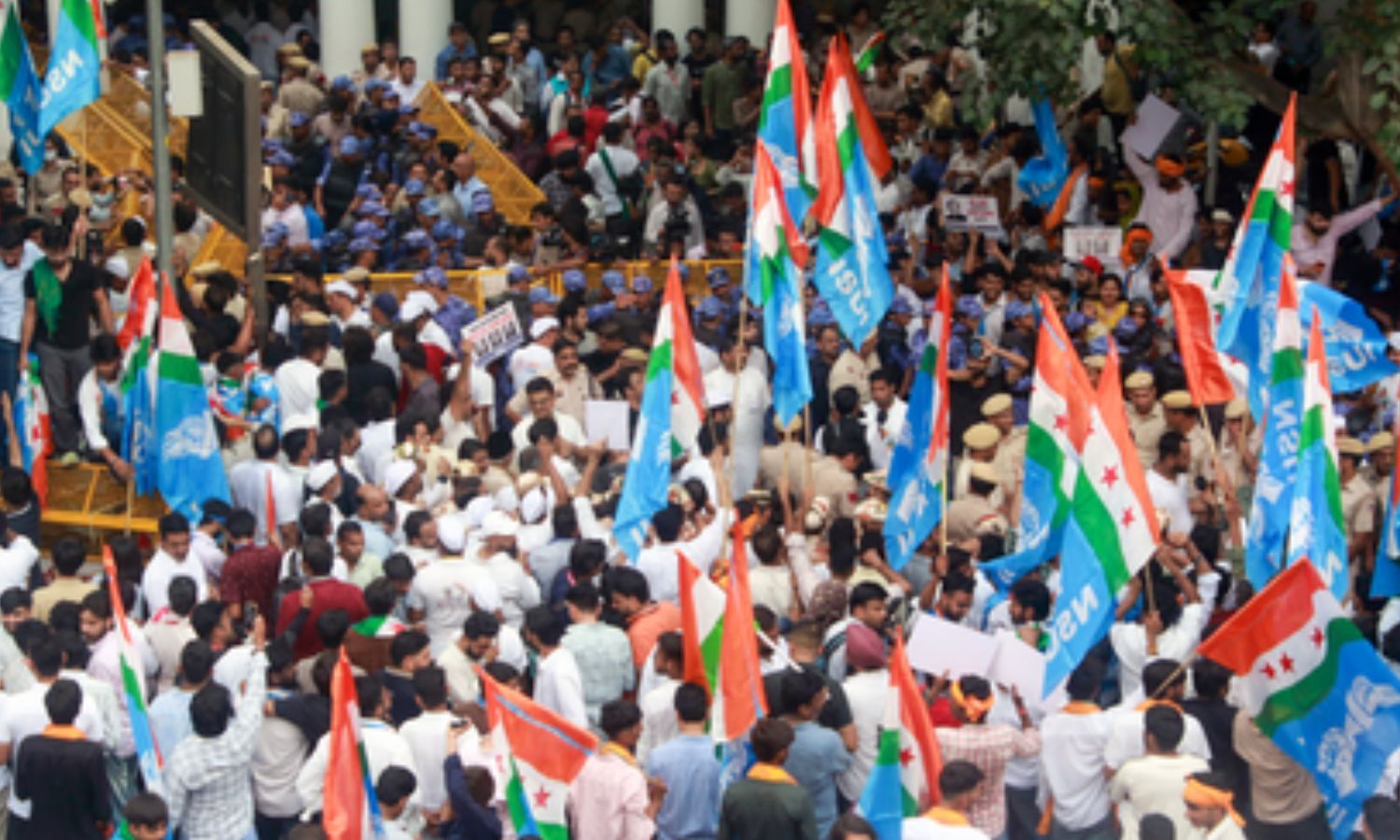
Protest Politics Tests Dissent Against Public Convenience in Delhi
Supreme Court Seeks Regulated Delhi Metro Services Ahead of Protests

Supreme Court Told Closures Could Restrict Delhi Protest Rights
Delhi Protest Restrictions Draw Opposition Criticism and BJP Defense

Supreme Court Seeks Answers Over 17 Metro Station Closures
Supreme Court Challenges Delhi Protest Transport Restrictions

Supreme Court Rejects Plea Against Dropping AIADMK Disqualification Proceedings

Supreme Court Asks Centre to Reconsider Metro Closures
Kishan Reddy Accuses Rahul Gandhi Of Attacking Constitutional Institutions
