

1 hr ago
Supreme Court Seeks Answers Over 17 Metro Closures

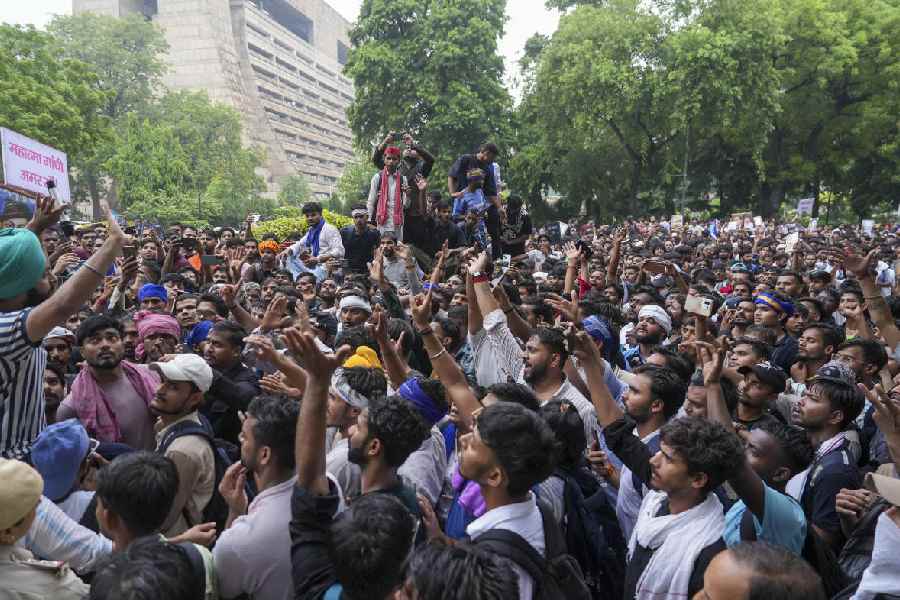
Seventeen Delhi Metro stations were closed during protests near Jantar Mantar.
The closures made travel difficult for many people in central Delhi.
A lawyer asked the Supreme Court to examine whether the closures were lawful.
The lawyer said the public was not given a formal order explaining the decision.
The lawyer also argued that the Metro Railways Act does not specifically allow stations to be shut this way.
The Supreme Court has asked the government, police and metro authorities to respond.
The court said authorities usually make decisions about public safety and traffic.
However, judges can review those decisions if they seem too extreme or disproportionate.

The Supreme Court sought responses from the Centre, Delhi Police, Delhi Metro Rail Corporation and others over the closure of 17 stations.
The closures occurred during CJP protests near Jantar Mantar, including on July 20.
The petitioner argued that the shutdown affected constitutional rights and public access to a public utility.
The petitioner said no specific statute or formal order authorized the closures, with decisions communicated through posts on X.
The court observed that executive action to maintain law and order may face judicial scrutiny if it is disproportionate.
- Who
- Advocate Sparsh Kant Nayak filed the plea; the Supreme Court sought responses from the Union of India, Delhi Police, Delhi Metro Rail Corporation and others.
- What
- The Supreme Court issued notice on a challenge to the closure of 17 Delhi Metro stations during CJP protests.
- Where
- The affected stations were around Jantar Mantar in New Delhi, with traffic disruptions across central Delhi.
- When
- The closures occurred in July, including on July 20; the Supreme Court hearing was reported on September 10.
- Why
- The stations were closed amid protests and heightened security arrangements; the plea questions whether the action was legally authorized and proportionate.
Petitioner's Challenge
Executive and Security Considerations
Legal authority for closures
Petitioner's Challenge
The petitioner argues that no specific statute under the Metro Railways Act authorized shutting the stations and that no formal order was issued.
Executive and Security Considerations
The court noted that movement and law-and-order measures are ordinarily regulated through directions issued by police authorities.
Limits on executive action
Petitioner's Challenge
The plea says closing a public utility raises constitutional concerns affecting the public at large.
Executive and Security Considerations
The court generally defers to the executive on law-and-order matters but said such decisions can be scrutinized if they are disproportionate.
Impact of the restrictions
Petitioner's Challenge
The closures and security restrictions stranded commuters, disrupted traffic and forced longer, costlier journeys.
Executive and Security Considerations
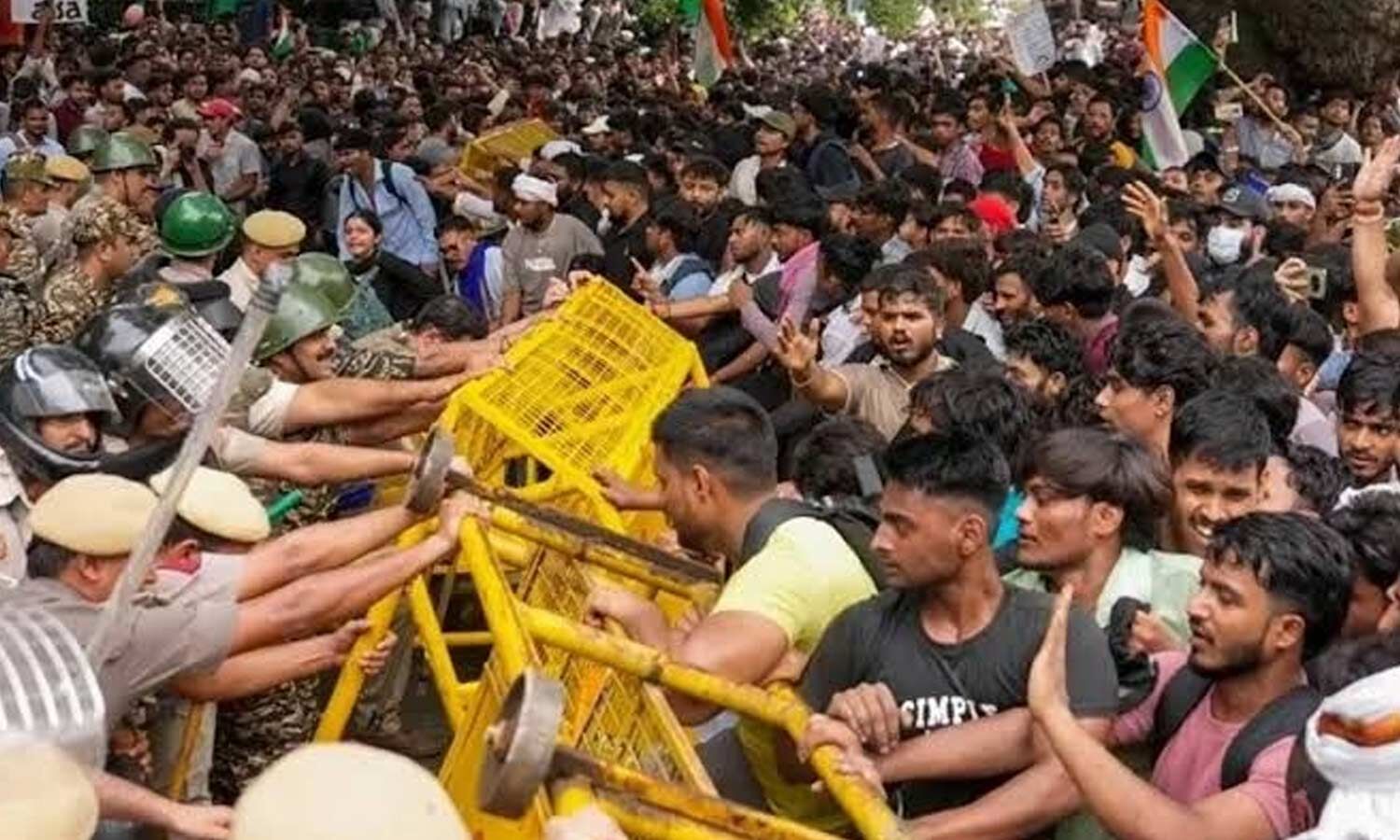
The restrictions were imposed amid protests, police barricading and intensified security arrangements around Jantar Mantar.
Key facts
- Stations closed
- 17 Delhi Metro stations
- Protest location
- Jantar Mantar, New Delhi
- Closure period
- July, including July 20
- Petitioner
- Advocate Sparsh Kant Nayak
- Respondents notified
- Union of India, Delhi Police, Delhi Metro Rail Corporation and others
- Petitioner's legal argument
- The plea says there was no specific statute or formal order authorizing the station closures.
- Court's observation
- Executive action may be reviewed if the exercise of power is disproportionate.
Quotes
Counsel for advocate Sparsh Kant Nayak
Lawyer representing the petitioner challenging the metro station closures
“There is also no particular statute under which these orders were passed. In fact, no order itself was passed. There were only posts on X communicating the decision to the public.”
 theprint.in
Sources

Related news
Centre Seeks Supreme Court Quashing of NEET Protest FIRs
Supreme Court Quashes NEET Protest FIRs, CJP Calls Off March

Supreme Court Leaves CJP September 5 March To Authorities

Supreme Court Declines Ban on CJP’s September 5 Delhi March

Supreme Court to Hear Plea on Protests Disrupting Essential Services
Supreme Court Seeks Reports Over Harassment Claims Against Child Protester

Political Misreads, Strikes and Bureaucratic Moves Shape News Roundup
Coast Guard to Consider Permanent Commission for Women
Supreme Court Takes Up Plea for Private Teachers’ Welfare