1 hr ago
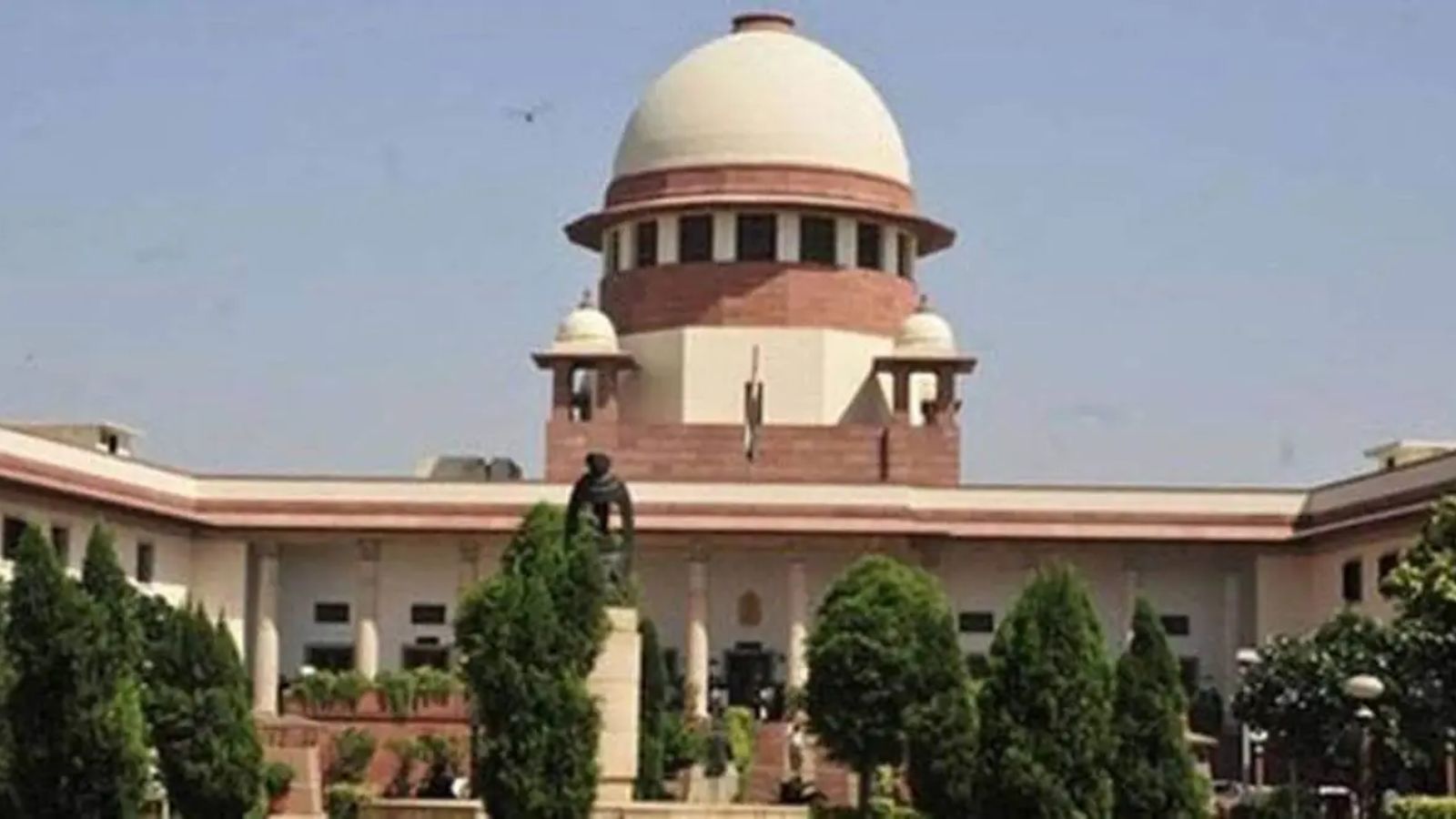
Supreme Court Urges Regulated Delhi Metro Services During Protests
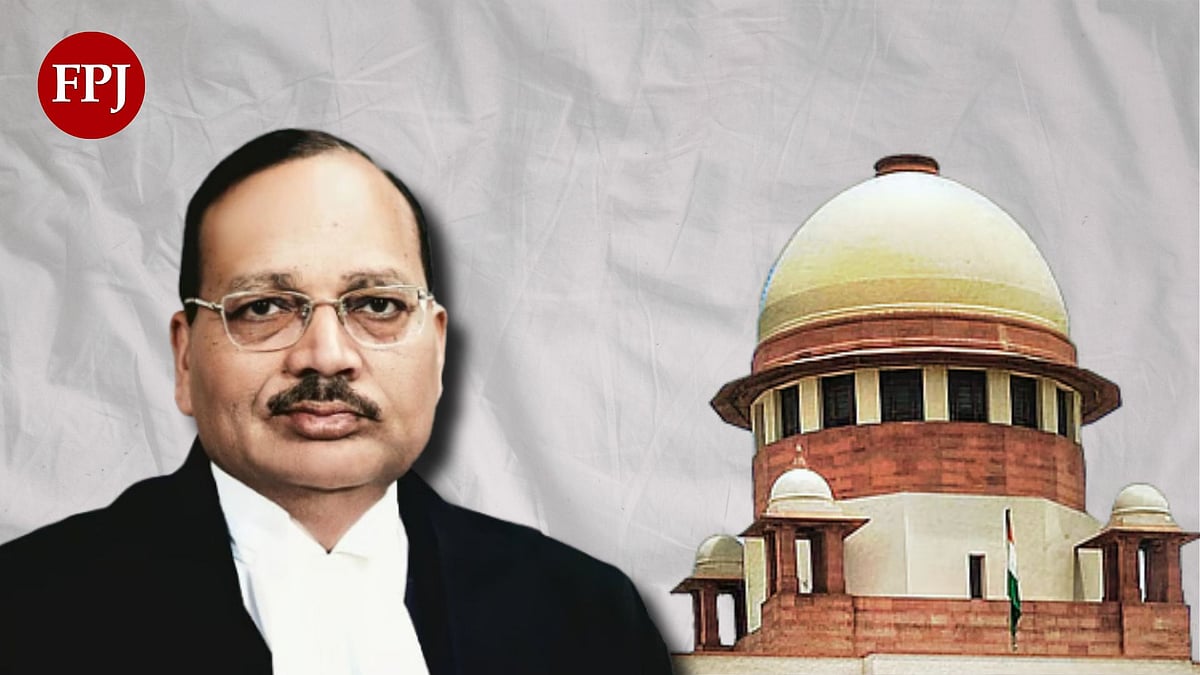
People planned protests in Delhi for October 10.
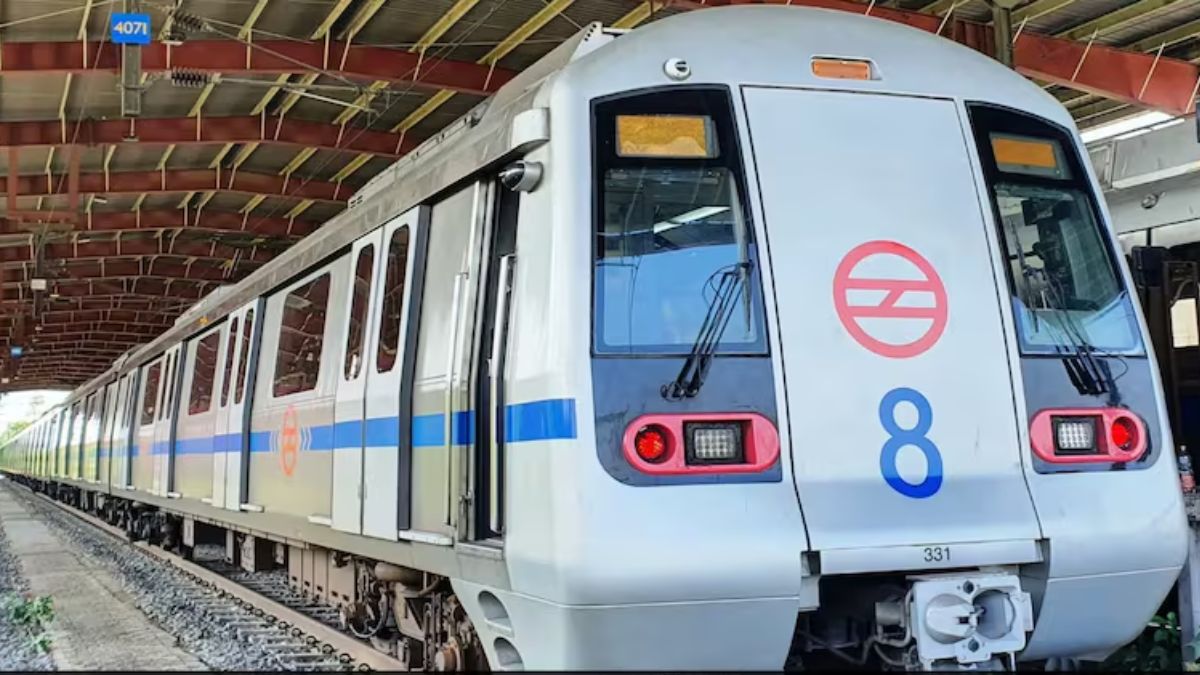
Police proposed closing gates at 57 metro stations and reducing train services because of safety concerns.
Some people asked the Supreme Court to review those plans.
The court said safety rules may be needed, but transport should not stop completely.
It was especially concerned about people who travel to Delhi for work, school and other needs.
The government said the restrictions were based on security concerns.
The court asked authorities to consider regulated services instead.
It also said people should be told about transport changes and alternate routes.

The Supreme Court asked the Centre to prevent a complete suspension of metro and train services ahead of October 10 protests.
The court said restrictions should consider commuters travelling to Delhi from Gurugram, Greater Noida and other parts of the NCR.
Delhi Police asked the Delhi Metro Rail Corporation to consider closing gates at 57 stations and reducing train frequency.
The Solicitor General said the proposed restrictions were proportionate to security concerns, including violence after a July 20 march attempt.
The court called for regulated transport, public notice of decisions and reconsideration of road barricades and alternate routes.
- Who
- The Supreme Court, the Centre, Delhi Police, the Delhi Metro Rail Corporation, protest organisers and commuters from the NCR.
- What
- The court directed the Centre to ensure metro and train services are not completely halted and called for reconsideration of proposed transport restrictions.
- Where
- Delhi and routes into the city from the National Capital Region, including Gurugram and Greater Noida.
- When
- The hearing was on Friday, October 9; the protests were planned for October 10.
- Why
- The court sought to balance public-order and security measures with commuters' ability to travel to Delhi.
Commuter access and protest rights
Security and public order
Extent of transport restrictions
Commuter access and protest rights
Petitioners argued that closing stations, cancelling trains and barricading the city would cause major disruption; the court said services should not be brought to a complete halt.
Security and public order
The Solicitor General said the restrictions were proportionate to security concerns and proposed regulating movement at stations identified by police.
Basis for restrictions
Commuter access and protest rights
Petitioners said the city could not be shut down because police anticipated possible disorder, and argued that citizens have a fundamental right to protest.
Security and public order
The Solicitor General cited violence after a July 20 march attempt and said an internet shutdown applied only in sensitive areas and would be reviewed using security inputs.
Key facts
- Protest date
- October 10
- Police proposal
- Consider closing entry and exit gates at 57 metro stations and reducing train frequency.
- Police letter
- Dated October 8 and addressed to the Delhi Metro Rail Corporation.
- Court's direction
- No complete prohibition on metro train movement; services may be suitably regulated.
- Commuters cited
- Students, employees, senior citizens and others travelling from the NCR.
- Security rationale
- The Solicitor General cited violence after protesters attempted to march towards Parliament on July 20.
- Other measures
- Authorities were asked to revisit road barricades and publicise traffic decisions and alternate routes.
Quotes
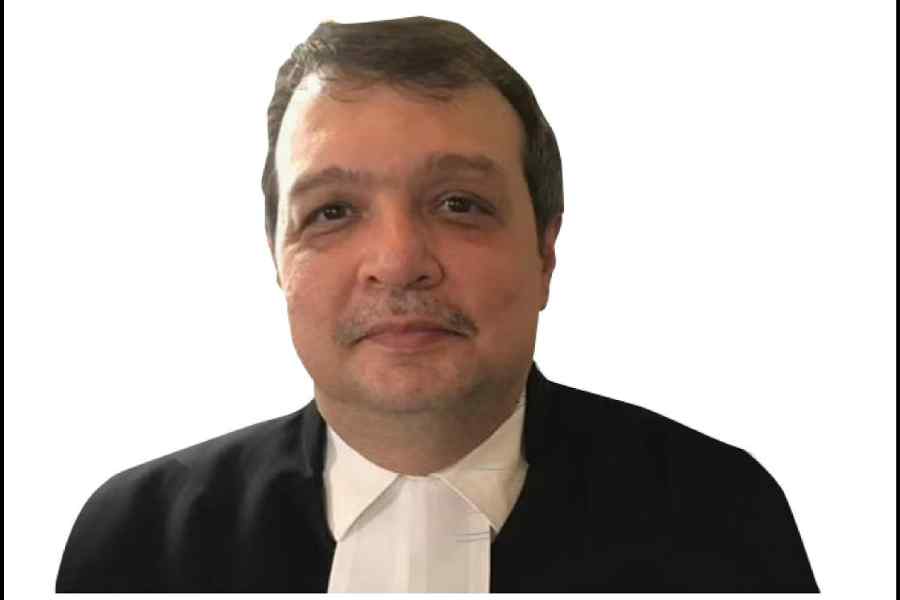
Chief Justice of India Surya Kant
Chief Justice of India and presiding judge of the bench.
“The law enforcement authorities are certainly entitled to take regulatory measures. There is no doubt about that. If you want to restrict unruly movement, you can do so, but that does not mean you can bring everything to a halt and leave people without any transport facility. Everybody does not have a car. Everybody does not have access to private transport. People depend on public transport.”
 livemint.com
 wionews.com
 telegraphindia.com
“We direct that due publicity be given to the considered decision taken by the authorities regarding the movement of metro trains and other railway services in a suitably regulated manner, so that inconvenience to the public at large is minimised.”
telegraphindia.com
Sources

'No complete prohibition...': SC asks Centre to regulate Delhi Metro, other public transport ahead of Oct 10 protest
'Do not stop it altogether': SC asks Centre to review Delhi Metro curbs ahead of Oct 10 protests
Delhi CJP protest: Supreme Court asks Centre to ensure metro, train services are not completely halted
CJP October 10 Delhi Protest: What Did CJI Mean By Stating 'Govt Using A Hammer To Kill A Fly'?
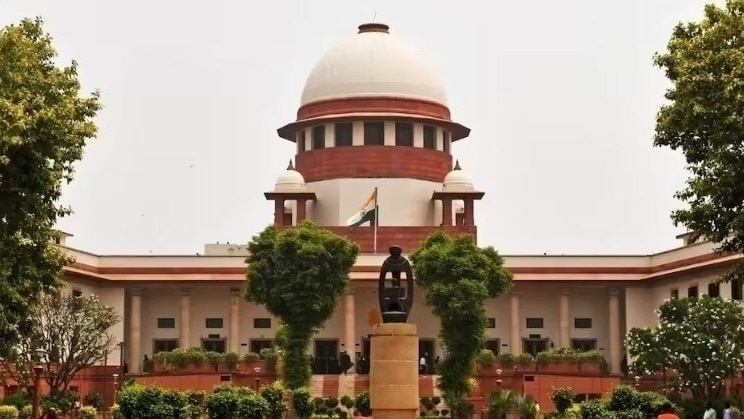
Delhi protest row: SC asks centre not to completely stop metro, train services
Related news
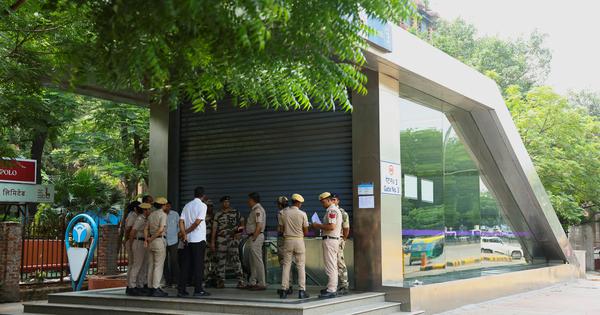
Supreme Court Bars Complete Delhi Metro Shutdown Ahead of Protest

Supreme Court Seeks Answers Over 17 Metro Station Closures

Supreme Court Told Closures Could Restrict Delhi Protest Rights
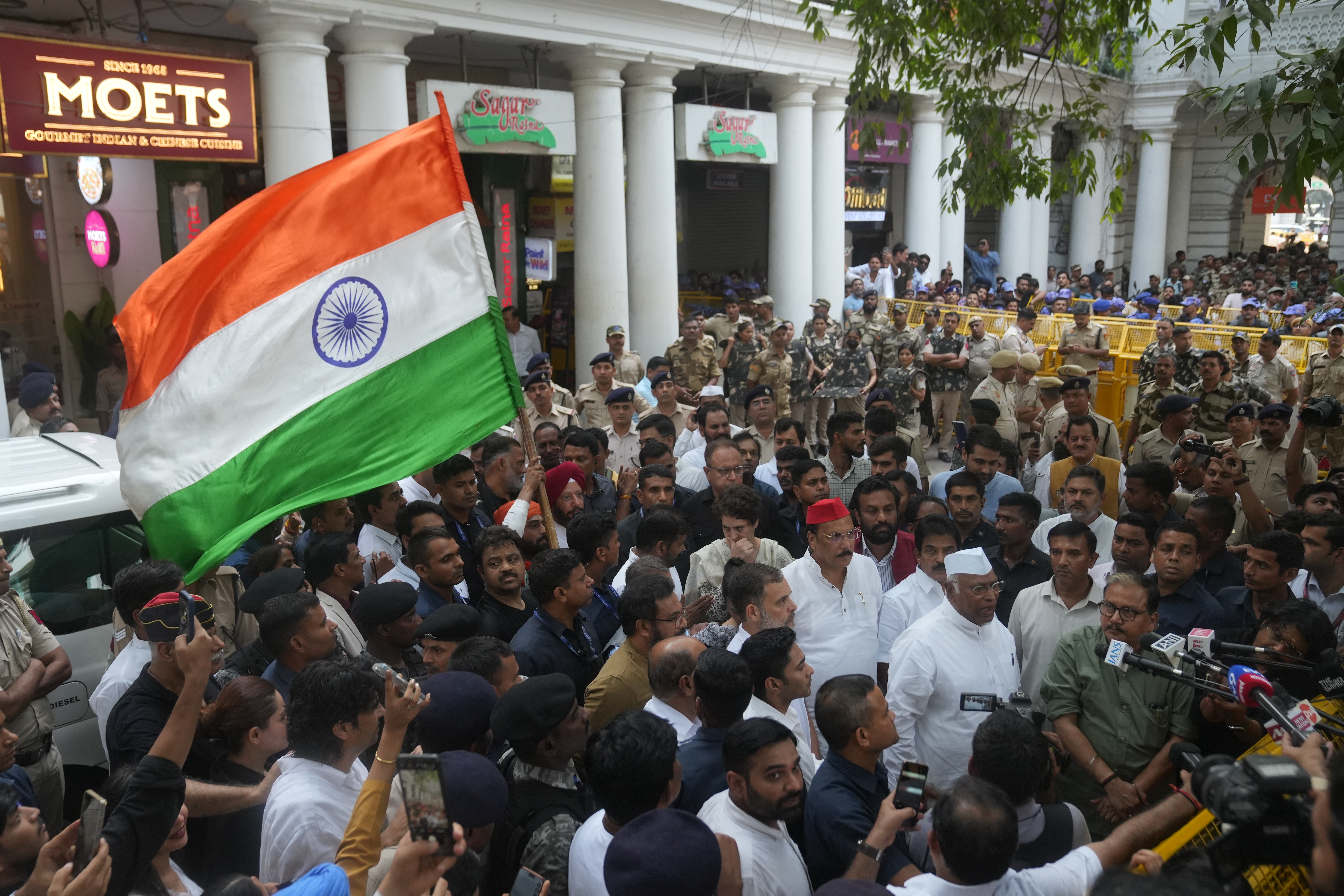
Supreme Court to Hear Challenge to Delhi Protest Curbs
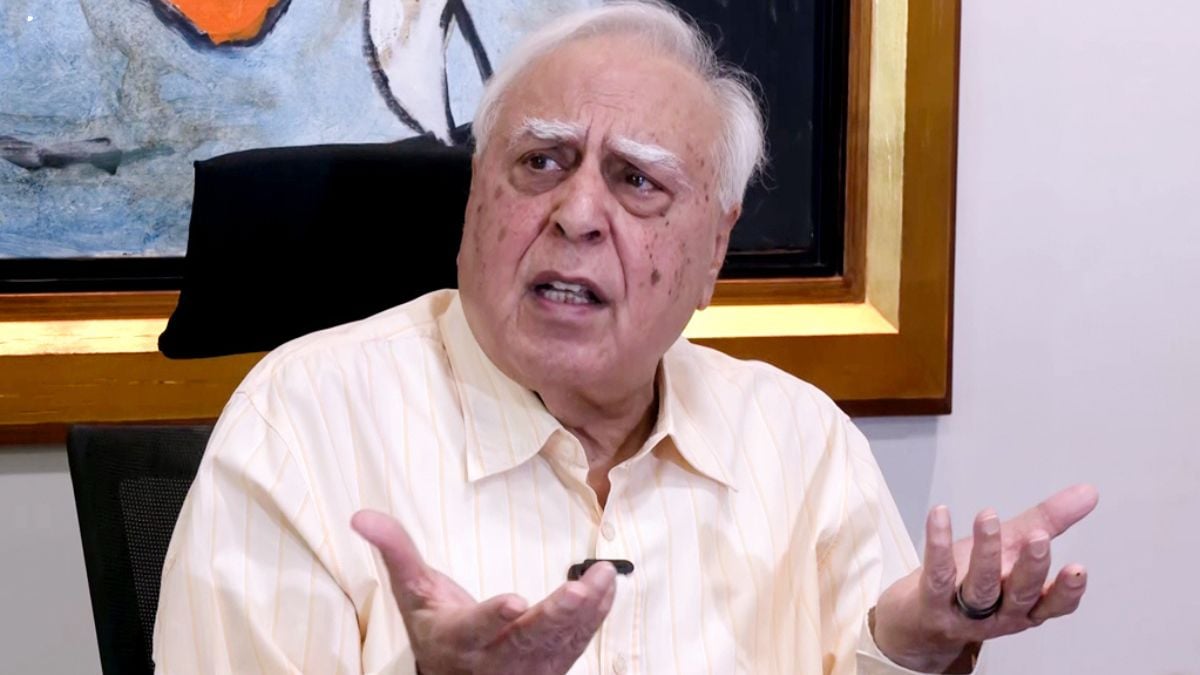
Supreme Court Hears Urgent Plea Over Delhi Protest Curbs
Delhi Police Proposes Metro Curbs Ahead of CJP Protest

Supreme Court Seeks Punjab Land for Highway Tree Replacement
Sibal Questions Centre’s Challenge to Jharkhand DGP Appointment Rules
Supreme Court Questions Jharkhand Police Chief Appointment Rules