1 hr ago
Protest Politics Tests Dissent Against Public Convenience in Delhi
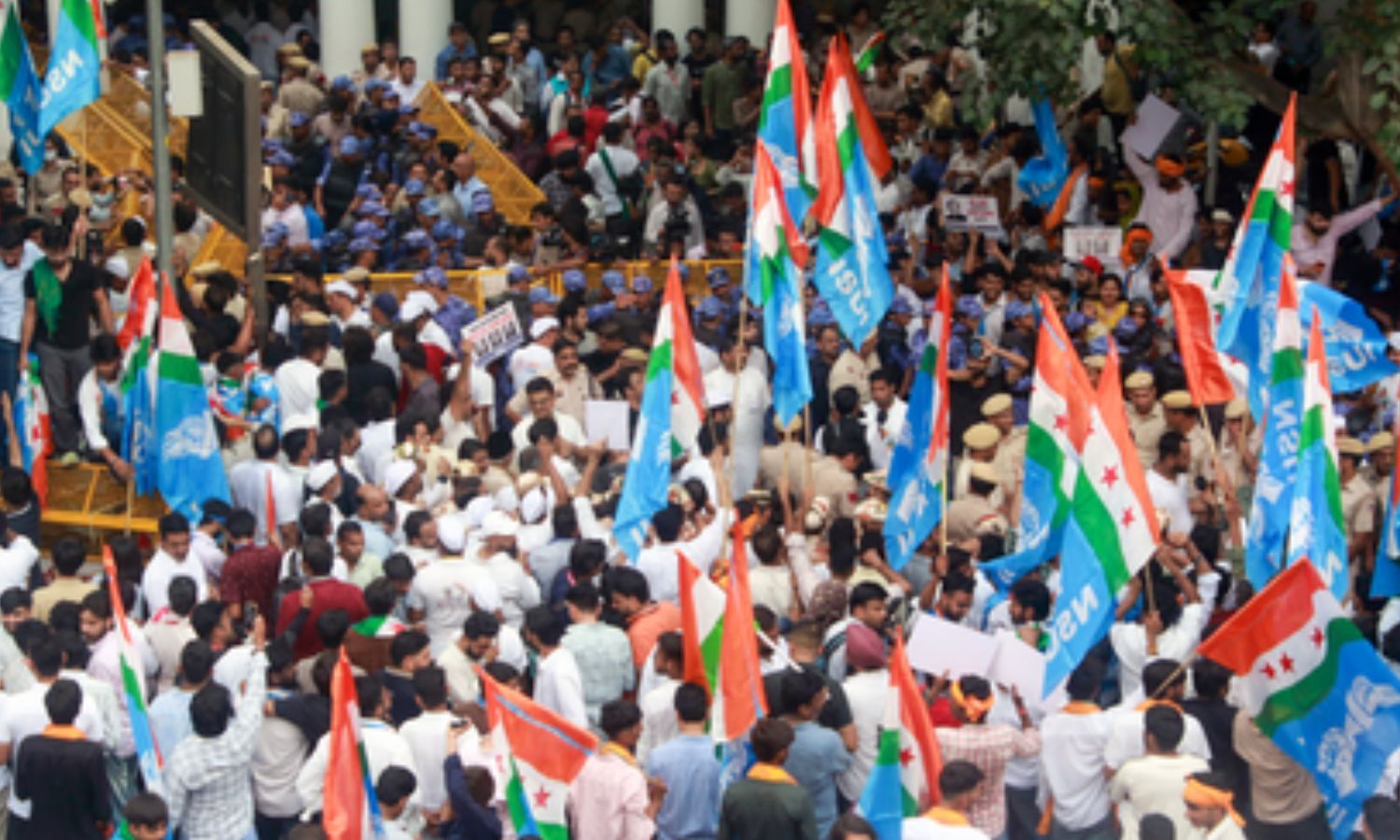
Opposition groups are protesting how India’s voter lists were changed.
They say the changes were unfair and helped the ruling party, but the article does not establish that claim as fact.
The protests have caused travel problems in Delhi before.
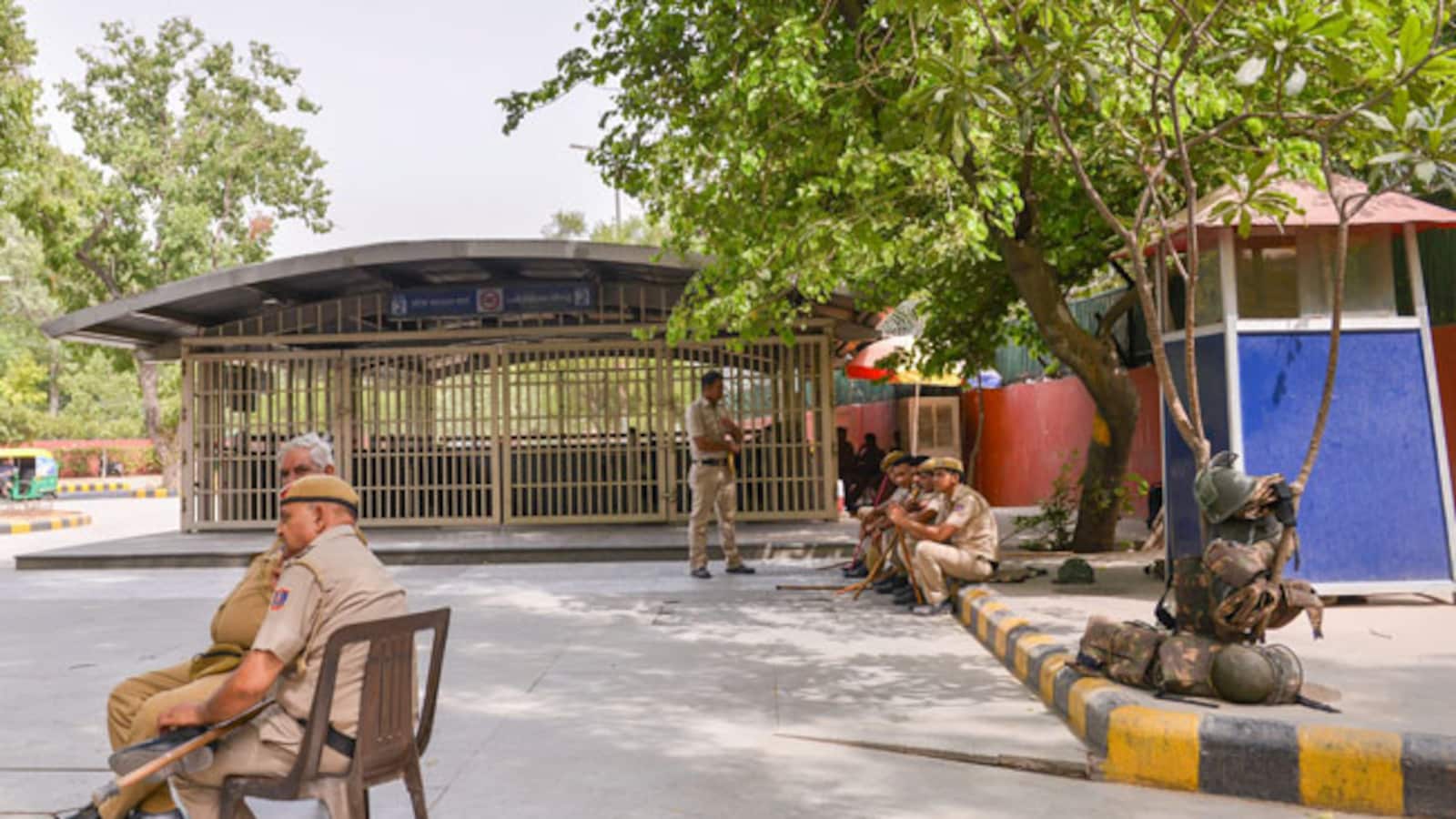
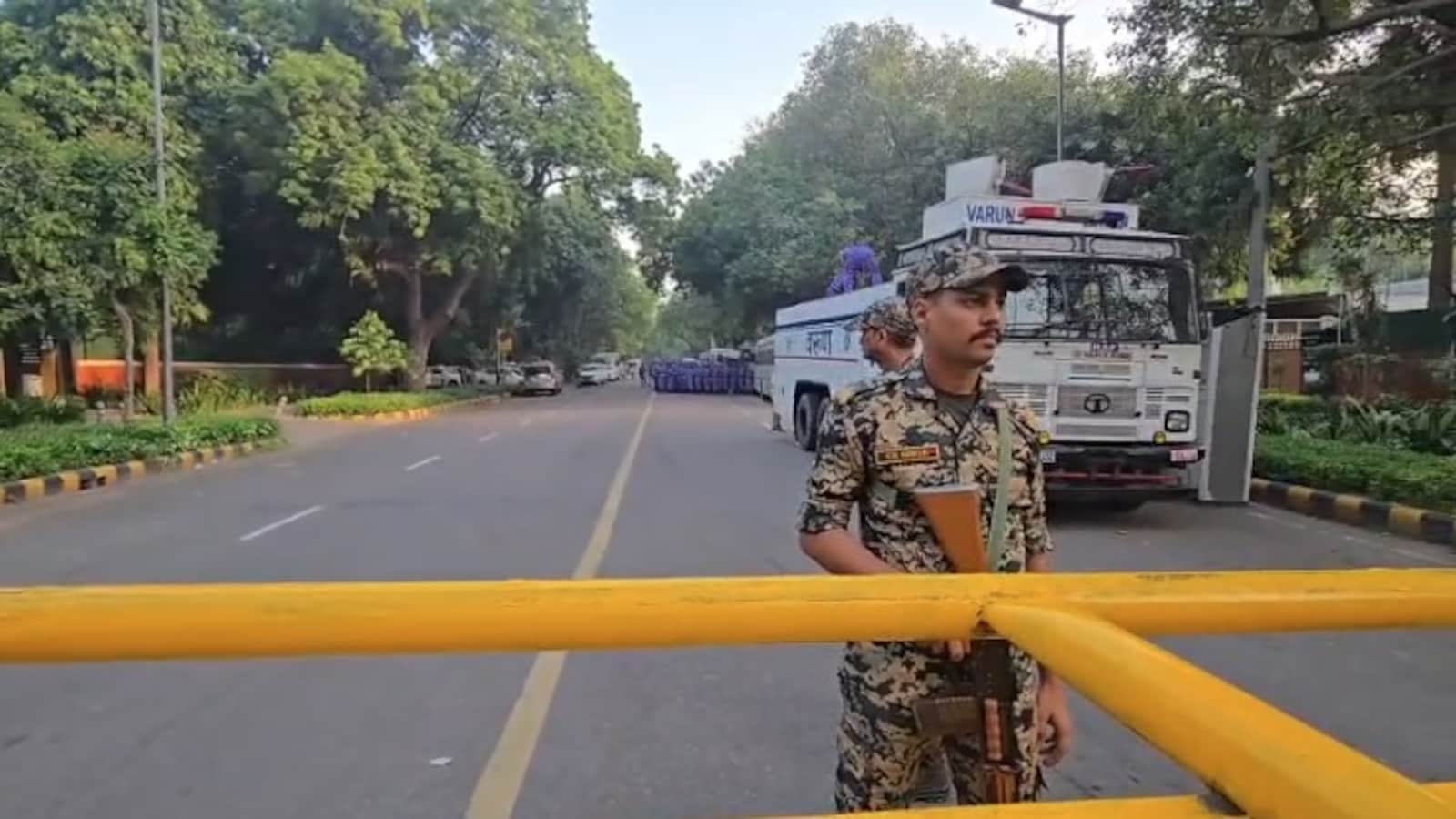
Police proposed closing gates at 57 Metro stations and running fewer trains at affected stations.
Railways also cancelled some trains as a precaution.
Protesters say public demonstrations are sometimes needed when officials do not respond to quieter complaints.
The article says people have a right to protest, but other people also need to get to work and travel.
It argues that protesters and authorities should try to protect both rights.

Opposition leaders intensified protests against Chief Election Commissioner Gyanesh Kumar over alleged irregularities in electoral-roll revisions.
The Opposition claims the revisions have disproportionately benefited the ruling Bharatiya Janata Party.
Earlier demonstrations led to Metro-station closures, traffic restrictions and barricading in parts of Delhi.
Delhi Police proposed closing entry and exit gates at 57 Metro stations from Friday night and reducing train frequency at affected stations.
Railways cancelled trains as a precaution, while the article argues protest rights must be balanced with the public’s ability to travel.
- Who
- Opposition leaders, activists and student organisations protesting against Chief Election Commissioner Gyanesh Kumar; Delhi authorities and commuters are also affected.
- What
- Protests over alleged irregularities in electoral-roll revisions have prompted proposed Metro restrictions and railway cancellations.
- Where
- New Delhi, including central Delhi and transport hubs.
- When
- The article describes intensified protests and proposed restrictions beginning Friday night, with demonstrations anticipated over Friday and Saturday.
- Why
- Protesters allege electoral-roll revisions are irregular and benefit the ruling Bharatiya Janata Party; authorities cite concerns about crowd mobilisation and disruption.
Protesters’ arguments
Public-convenience concerns
When disruption is justified
Protesters’ arguments
Protesters argue that peaceful petitions and symbolic demonstrations are often ignored, making public disruption necessary to compel a response.
Public-convenience concerns
Disruption can prevent people from commuting and impose costs on citizens who are not involved in the dispute.
Balancing democratic rights
Protesters’ arguments
The right to assemble and dissent is fundamental, and raising concerns about election conduct is presented as a democratic obligation.
Public-convenience concerns
The article argues that protest rights come with civic responsibilities, including respect for others’ rights and public convenience.
Security measures
Protesters’ arguments
Protesters contend that authorities may restrict or cancel assemblies at designated locations, leaving demonstrations with less impact.
Public-convenience concerns
Authorities cite crowd mobilisation, security concerns and previous travel disruption as reasons for transport restrictions and precautions.
Key facts
- Protest target
- Chief Election Commissioner Gyanesh Kumar
- Opposition allegation
- Electoral-roll revisions are irregular and have disproportionately benefited the Bharatiya Janata Party
- Metro stations affected in earlier protests
- Rajiv Chowk, Central Secretariat, Janpath and New Delhi
- Proposed Metro gate closures
- Entry and exit gates at 57 stations, beginning Friday night
- Proposed Metro service change
- Reduced train frequency at affected stations
- Railway response
- Trains were cancelled as a precaution against anticipated congestion or trouble around railway hubs
- Central debate
- How to uphold the right to protest while limiting disruption to the public
Sources
Related news
Delhi Metro Closes 11 Stations Ahead of Electoral Protest
Supreme Court Bars Complete Delhi Metro Shutdown Ahead of Protest

CJP Plans October 2 Protest Against Election Commission Chief
Protests Against Election Chief Planned Amid Delhi, Mumbai Restrictions

Delhi Denies Jantar Mantar Protest, Tightens Security
DMK Backs INDIA Bloc Protest Despite Staying Away
Patnaik Says BJP Government Tarnished Odisha’s Image in Two-and-a-Half Years

Ram Madhav Says Starlink Spectrum Decision Will Follow Law
Karnataka BJP Objects to Proposed Narayanpur Water Release
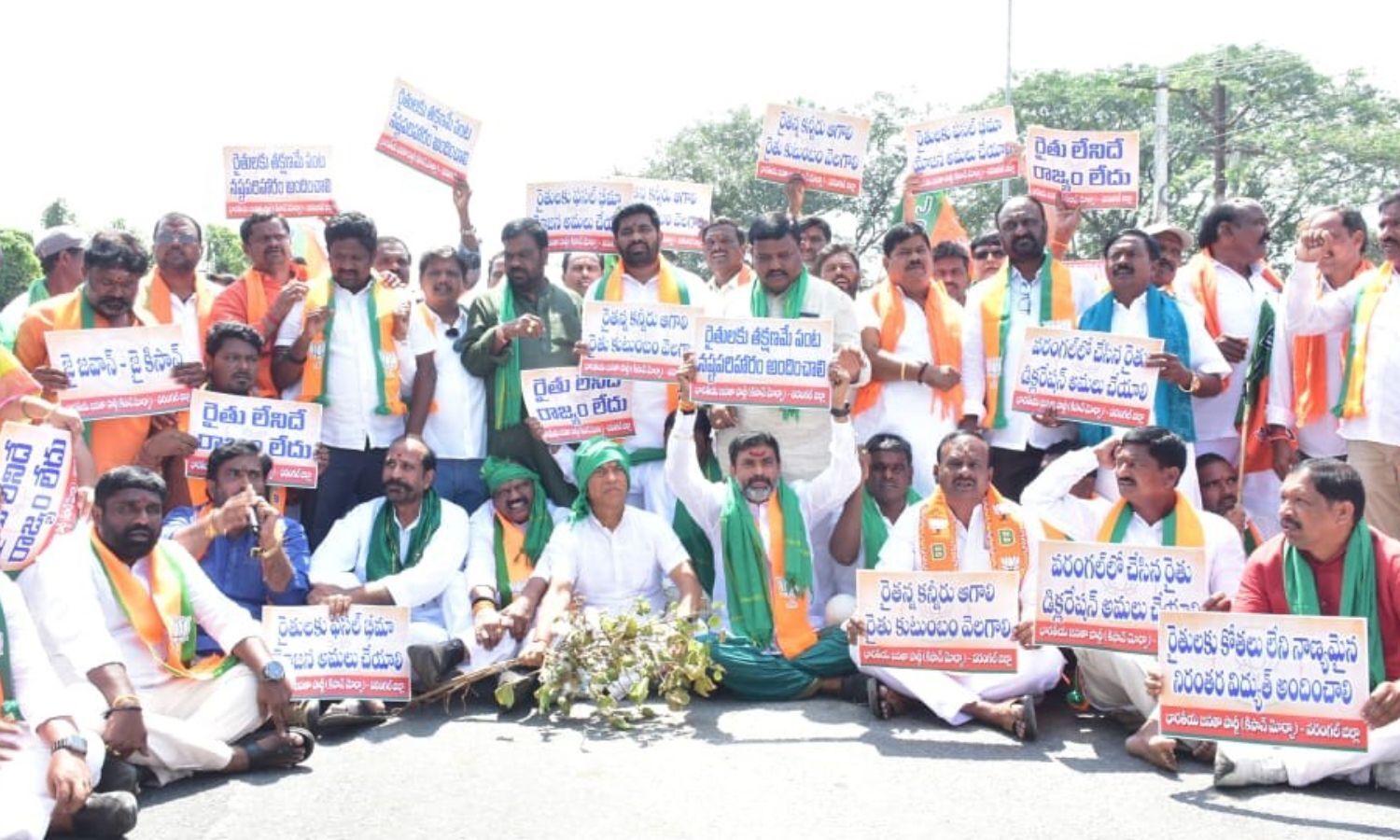
BJP Protesters Arrested After Demonstration Over Warangal Power Cuts