

1 hr ago
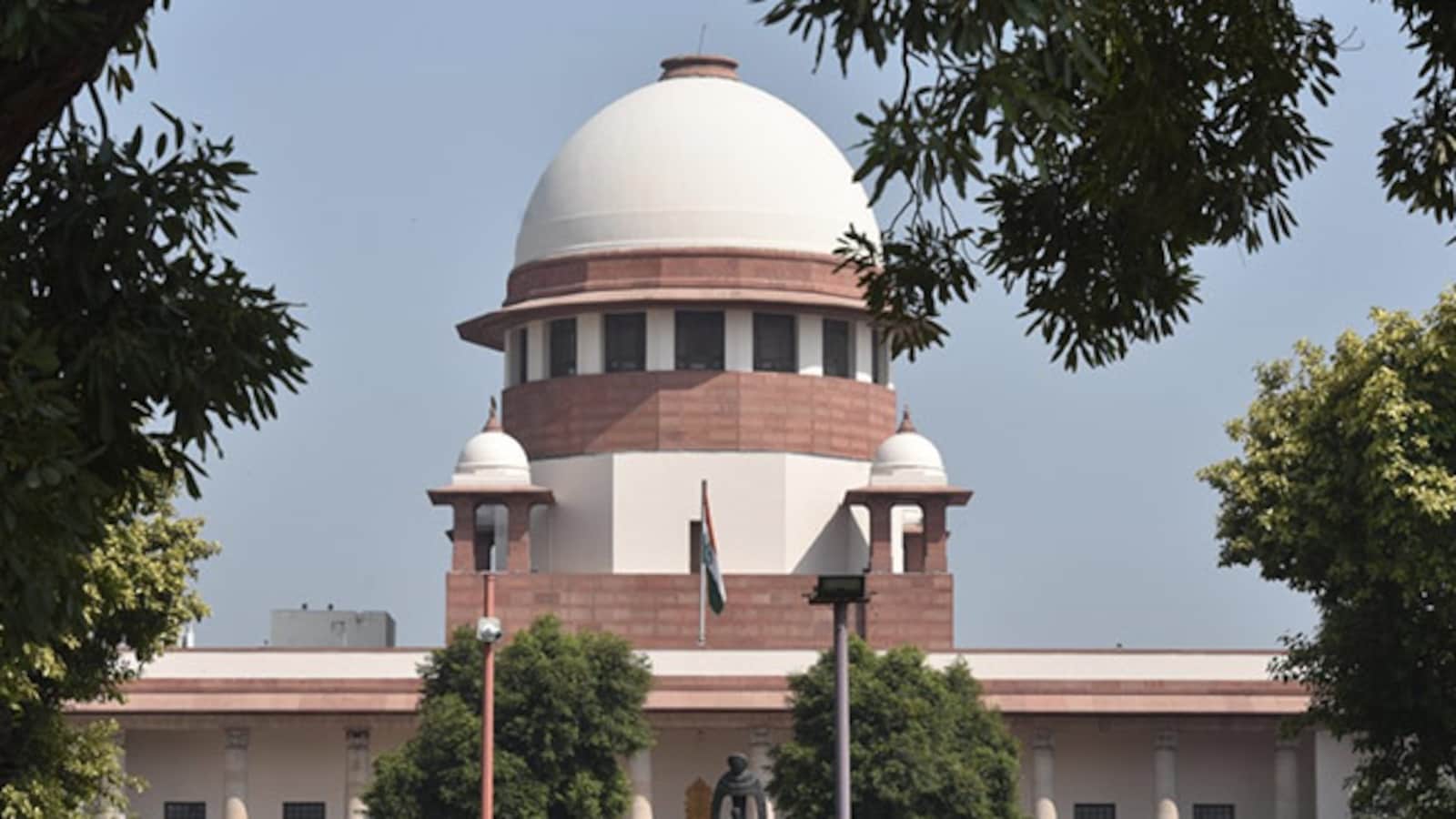
Supreme Court Rejects Plea Against Dropping AIADMK Disqualification Proceedings

Some AIADMK lawmakers voted for the TVK government during a confidence vote, even though their party had told them to vote against it.
The Speaker began proceedings to consider whether they should lose their seats.
The party later asked the Speaker to stop the cases against 21 lawmakers, and the Speaker agreed.
P.V. Selvakumar asked the courts to challenge that decision.
The Supreme Court declined to take up his plea and agreed with the High Court’s dismissal.
The judges questioned whether Selvakumar had the right to bring the case because he was not a legislator or an authorised party representative.
They said the party appeared to have forgiven the lawmakers’ conduct.
The court left the legal questions open for a suitable future case.

The Supreme Court declined to interfere with the Madras High Court’s dismissal of a PIL challenging the Speaker’s decision.
The plea concerned 21 AIADMK MLAs whose disqualification proceedings were withdrawn after they supported the TVK government during a confidence motion.
The court questioned petitioner P.V. Selvakumar’s standing, noting he was neither a legislator nor an authorised representative in the proceedings.
The bench said questions of law were left open for consideration in an appropriate proceeding.
Twenty-five AIADMK MLAs voted for the government on May 13; proceedings began the next day, and four later resigned from the party.
- Who
- The Supreme Court, petitioner P.V. Selvakumar, and 21 AIADMK MLAs whose disqualification proceedings were withdrawn.
- What
- The Supreme Court declined to interfere with the dismissal of a challenge to the Speaker’s decision to drop proceedings against the MLAs.
- Where
- New Delhi; the challenge concerned the Tamil Nadu Assembly and a Madras High Court ruling.
- When
- The court acted on a Friday; the confidence motion was held on May 13, and proceedings began the following day.
- Why
- The bench questioned Selvakumar’s standing and noted that the AIADMK leadership appeared to have condoned the MLAs’ conduct.
Petitioner’s Argument
Court and Party’s Position
Challenge to the Speaker’s decision
Petitioner’s Argument
Selvakumar argued that the Speaker could not drop proceedings merely because the party changed its position, since defying a whip carried constitutional consequences.
Court and Party’s Position
The court questioned whether a third party could challenge the decision after the AIADMK had chosen to pardon the legislators, and said the grievance should be raised by the party or its authorised representatives.
Petitioner’s authority to bring the case
Petitioner’s Argument
Selvakumar said he was an AIADMK member and a voter concerned about the legislators’ conduct.
Court and Party’s Position
The bench noted he was neither a legislator nor an authorised representative pursuing the disqualification proceedings, and said Tenth Schedule proceedings had to be pursued by a member of the House.
Key facts
- Court
- Supreme Court of India
- Petitioner
- P.V. Selvakumar
- MLAs covered by withdrawn proceedings
- 21 AIADMK MLAs
- MLAs who voted for the government
- 25 AIADMK MLAs
- Confidence motion
- May 13
- Proceedings initiated
- The following day, under the Tenth Schedule
- Remaining legislators
- Four had resigned from the party
Quotes
Justice Joymalya Bagchi
Supreme Court justice on the three-judge bench hearing the plea.
“We are fully with you that the sanctity of constitutional mandate must be preserved. But we must understand the working of a democratic system.”
 deccanchronicle.com
Sources
Related news
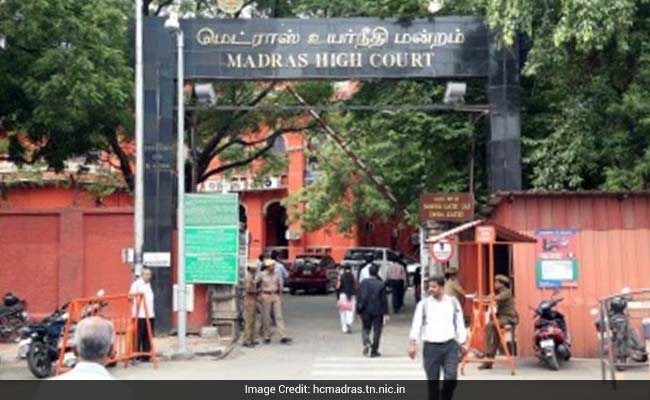
Madras High Court to Rule on AIADMK Rebels’ Resignations
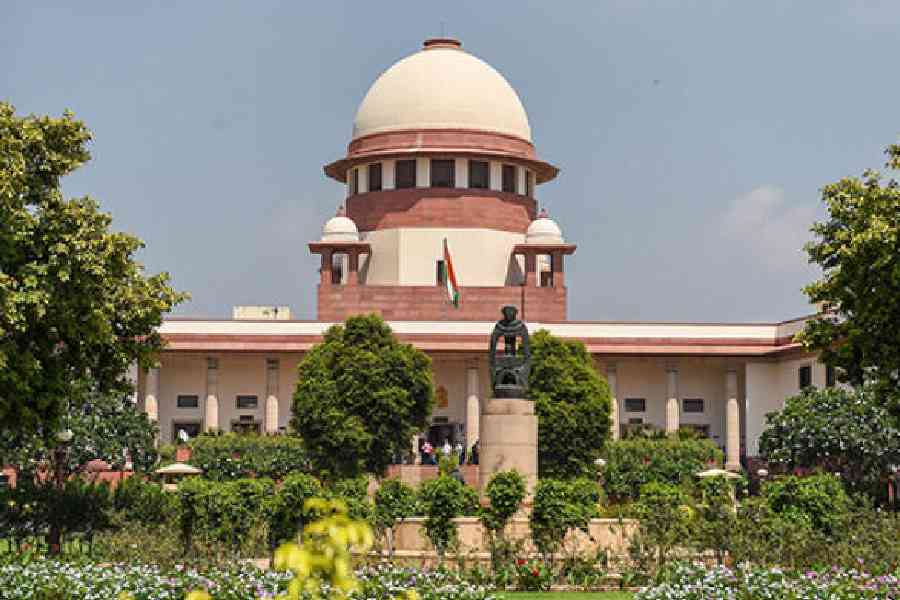
Supreme Court Flags Delay in Rebel TMC MPs’ Disqualification
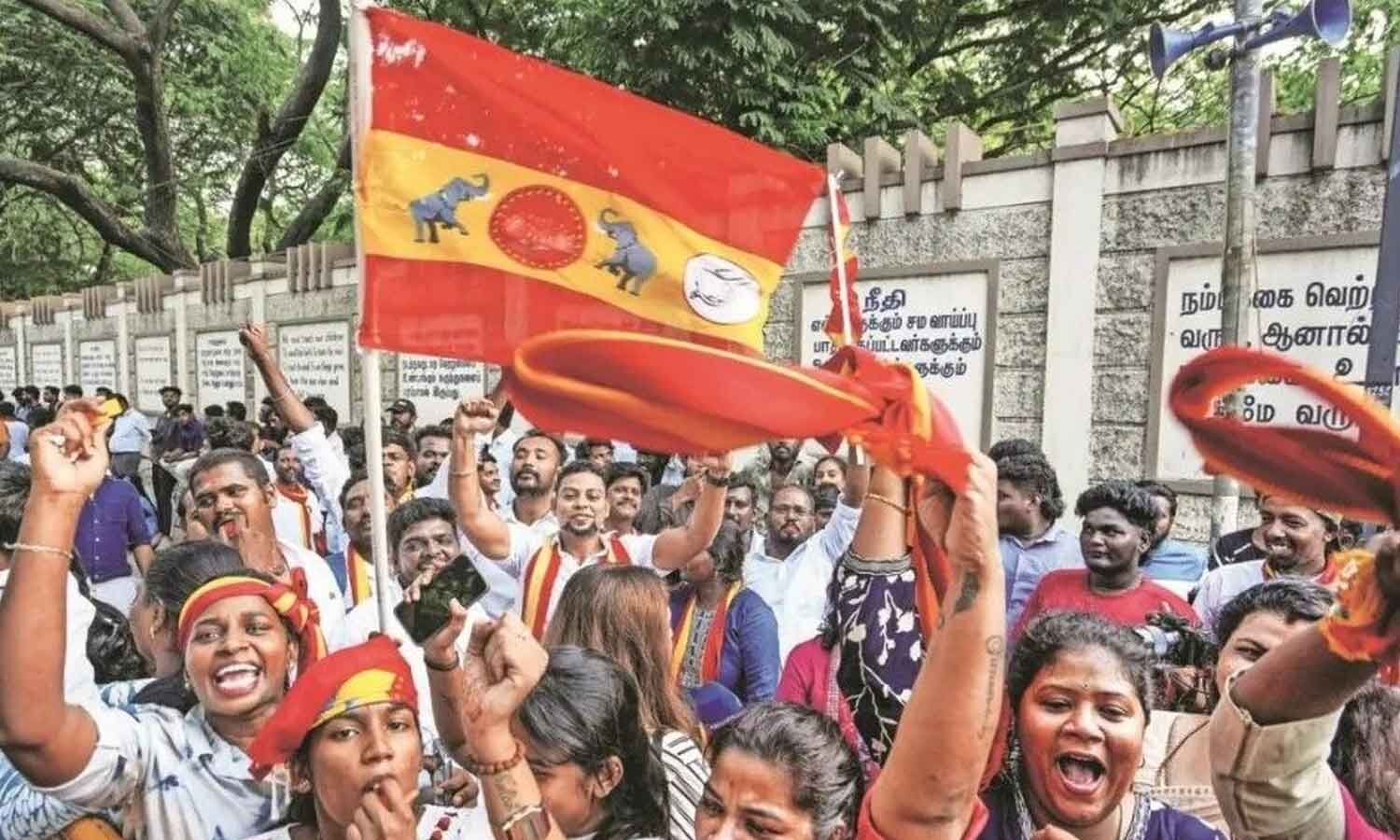
DMK Leader Calls for Probe Into AIADMK MLAs Joining TVK
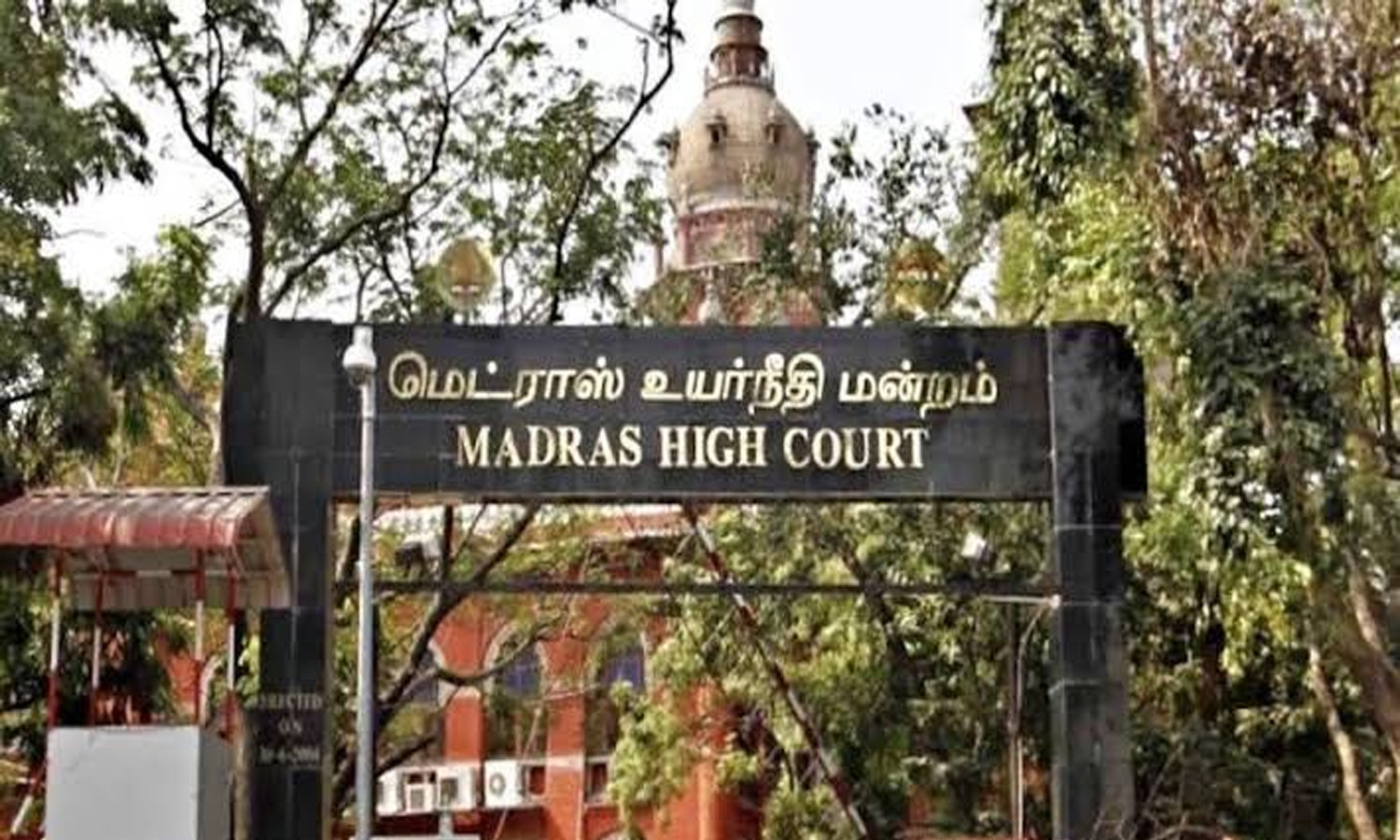
Madras High Court Dismisses AIADMK Plea Over Mekedatu Resolution Amendment
Supreme Court Upholds Danam Nagender’s Telangana Disqualification
Supreme Court Closes Tamil Nadu Privilege Case, Leaves Questions Open
BRS Demands Restoration of Eligible Voters Deleted in Telangana
Editorial Urges Opposition to Replace Protests With Evidence
Supreme Court Challenges Delhi Protest Transport Restrictions
Delhi Protest Security Measures Raise Questions About Citizens’ Rights
