1 hr ago
Supreme Court Told Closures Could Restrict Delhi Protest Rights

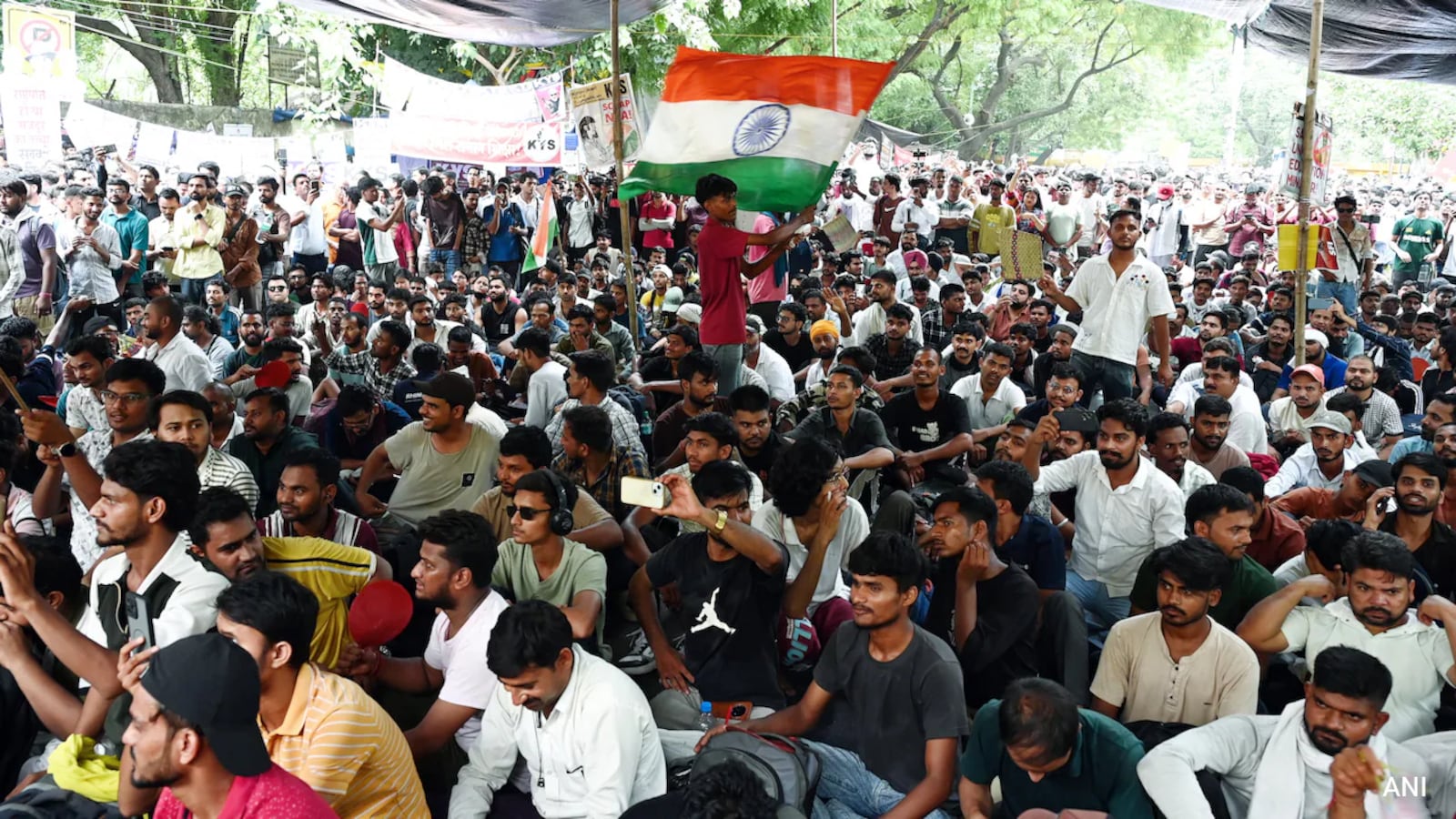
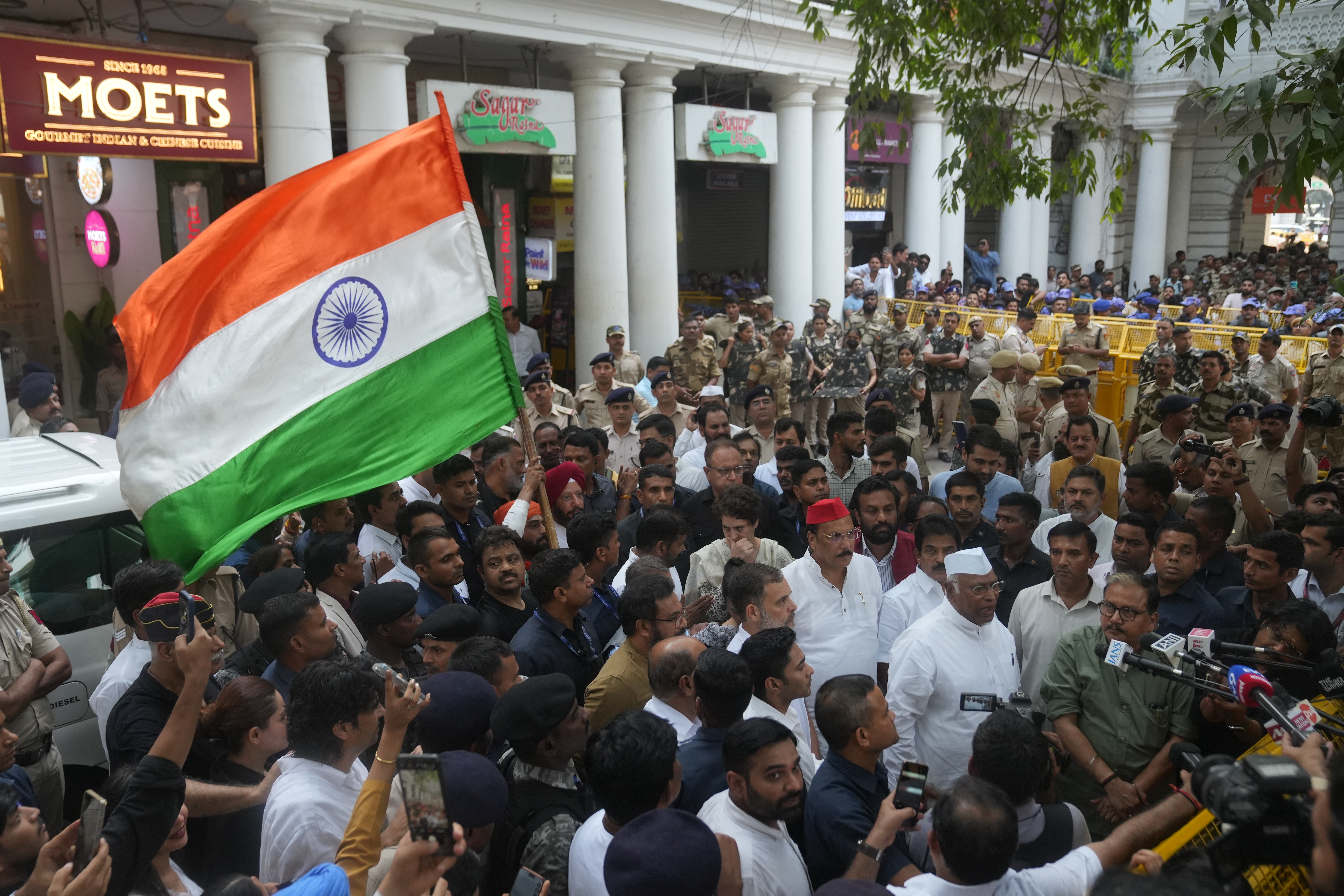
Some groups called for a protest in Delhi on October 10.
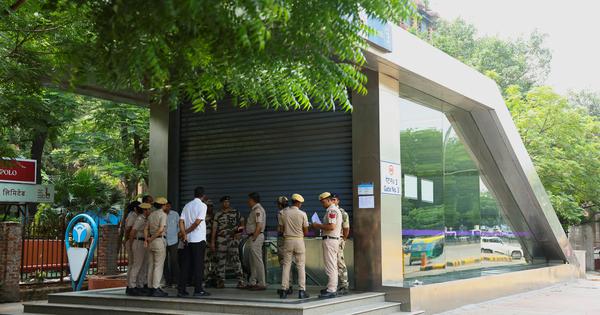
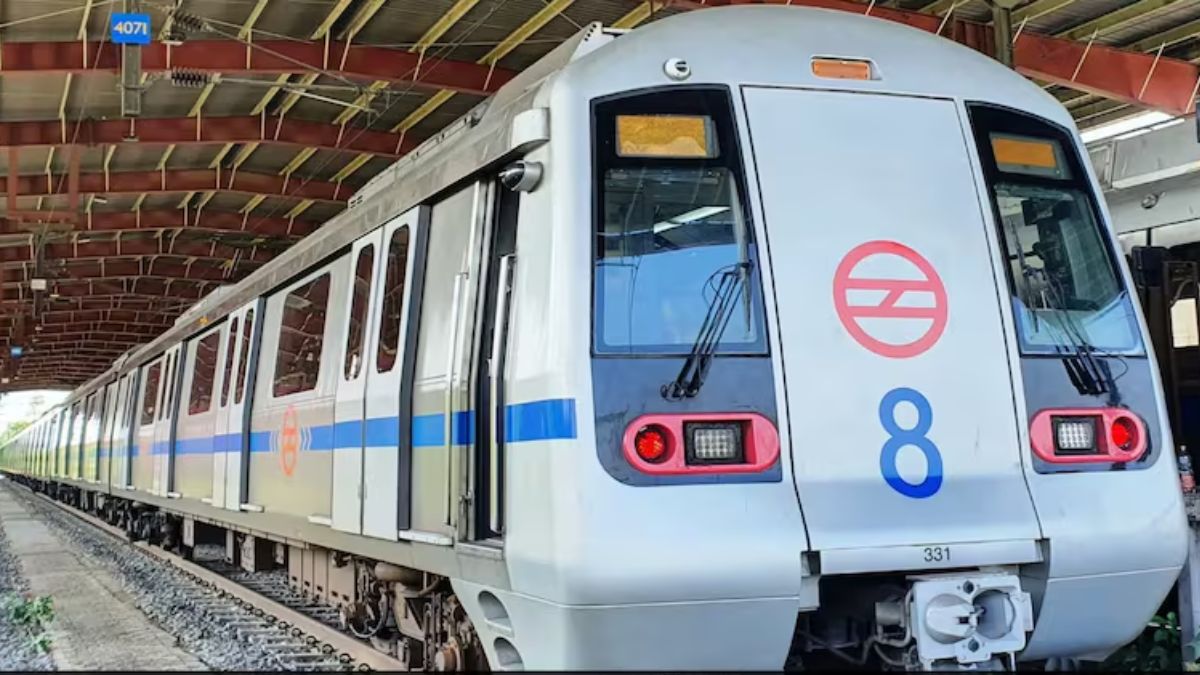
Lawyers told the Supreme Court that Metro stations might close and trains to the city might be cancelled.
They said these steps could make it harder for people to protest.
The judges said they would need to hear from everyone involved before making an order.
They also said a protest without permission would not follow the law.
The lawyers planned to return with a formal petition later that day.

A plea challenged proposed Delhi Metro station closures and train cancellations for October 10, ahead of a protest against the CEC.
The protest call was attributed to the CJP and some student organisations.
Lawyers for CPI(M) general secretary M. A. Baby told the Supreme Court that 57 Metro stations could close and trains to Delhi could be cancelled.
The lawyers argued that a citywide shutdown and barricading could restrict citizens’ fundamental right to protest; the bench said it must hear all parties before issuing a restraining order.
The bench said an unpermitted protest would not be lawful, and the lawyers said they would return at 2 p.m. with a proper petition.
- Who
- Lawyers representing CPI(M) general secretary M. A. Baby raised the issue before a Supreme Court bench led by Chief Justice Surya Kant.
- What
- A plea challenged proposed Metro station closures, train cancellations and barricading in connection with a planned protest.
- Where
- Delhi and the Supreme Court of India.
- When
- The protest and proposed transport measures were for October 10; the plea was raised on Friday, and lawyers said they would return at 2 p.m.
- Why
- The proposed measures were linked to a protest called by the CJP and some student organisations against the CEC; lawyers argued closures could restrict the right to protest.
Petitioners’ concerns
Court’s stated position
Transport restrictions and protest rights
Petitioners’ concerns
The lawyers argued that closing stations, cancelling trains and barricading Delhi could restrict citizens’ fundamental right to protest, and that the city should not be shut down because of police concerns.
Court’s stated position
The bench said it would need to hear all parties and balance the equities before issuing a restraining order.
Permission for the protest
Petitioners’ concerns
The lawyers sought court attention to the proposed closures in response to the planned protest.
Court’s stated position
The bench said a protest held without permission would not be in accordance with law, while indicating that organisers could be asked about expected attendance and the protest could be regulated.
Key facts
- Protest date
- October 10
- Protest callers
- The CJP and some student organisations
- Protest target
- The CEC
- Metro stations reportedly at risk of closure
- 57
- Petitioner represented by
- Senior advocate Kapil Sibal appeared for CPI(M) general secretary M. A. Baby
- Bench
- Chief Justice Surya Kant and Justices Joymalya Bagchi and V. Mohana
- Next step stated by lawyers
- Return at 2 p.m. with a proper petition
Quotes

Supreme Court bench
The bench of Chief Justice Surya Kant and Justices Joymalya Bagchi and V Mohana
“If the protest is without permission, then it is not in accordance with law”
 deccanchronicle.com
Sources
Related news
Supreme Court Questions Delhi Curbs Ahead of CJP Protest

Supreme Court Seeks Answers Over 17 Metro Station Closures
Supreme Court to Hear Challenge to Delhi Protest Curbs
Delhi Police Proposes Metro Curbs Ahead of CJP Protest
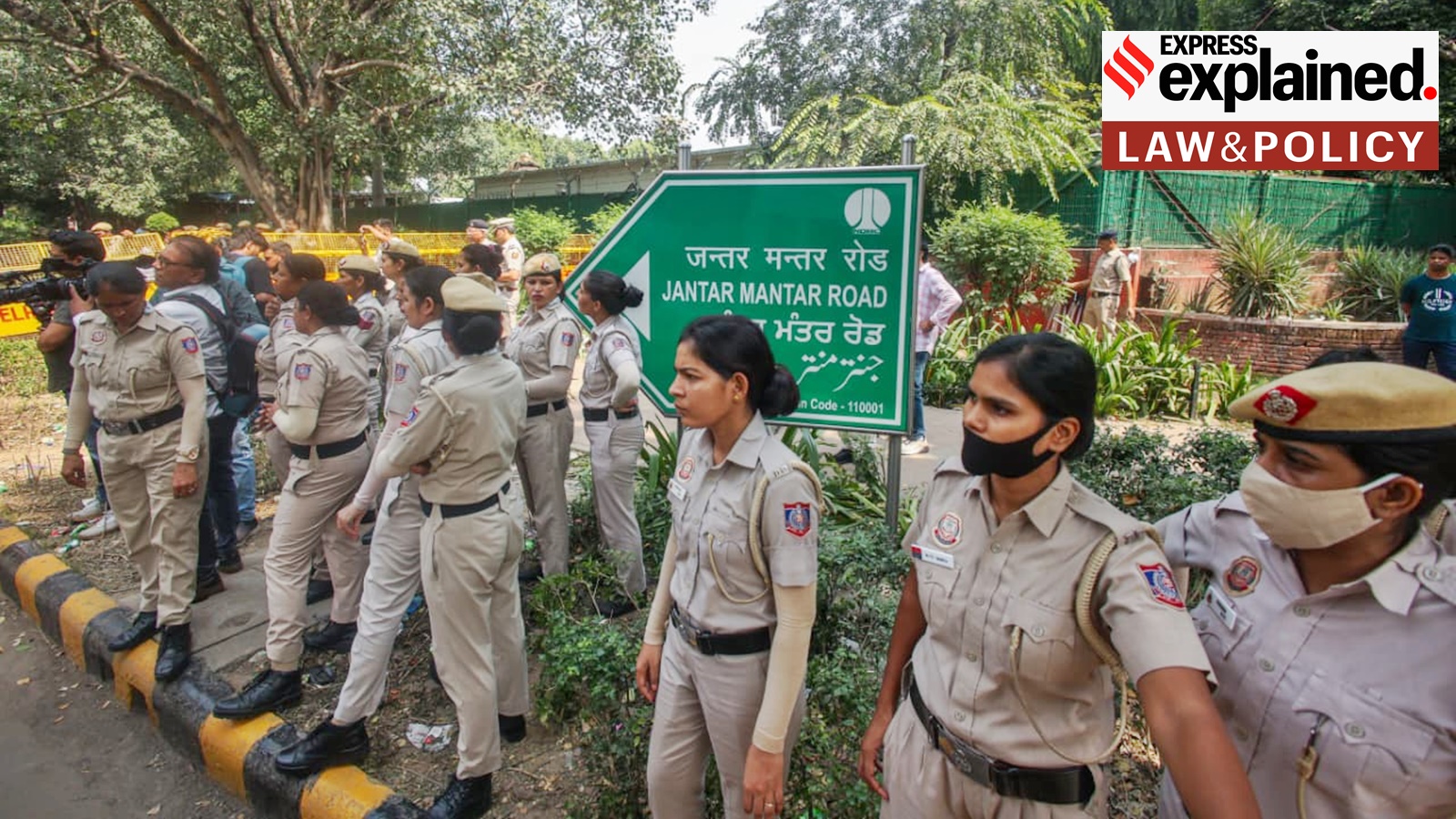
Delhi Imposes BNSS Section 163 Ahead of CJP Protests

Supreme Court Signals Steps to Fast-Track West Bengal SIR Appeals

Supreme Court Rejects Delhi Police Plea for Protester Action