3 weeks ago
AI Wearable Recorders Reshape Privacy, Medicine, and Everyday Life

New gadgets called AI wearables can listen to everything you say and even record video, like a tiny camera hanging on a necklace.
One of these is the Looki L1, a black pendant people wear around their neck that records whatever happens around it.
It can make video recaps and funny comic-style stories all by itself.
Other devices, like Friend AI and Amazon's Bee, listen to your words and write down summaries of your meetings and chats.
These gadgets can be very helpful — for example, they help doctors write their notes instead of spending hours on paperwork.
About 30 out of every 100 doctors in the US already use them.
But some people worry about privacy, because the devices record everything, even things you might want to keep secret.
Sometimes people are not even asked for permission before they are recorded.
Some devices, like Granola, are safer because they don't store permanent recordings.
These AI helpers are here to stay, so we will need to get used to them, both the good parts and the tricky parts.

The Looki L1, a black camera pendant worn at a recent tech conference, constantly records its surroundings to create AI recaps, vlogs, and comic-style stories.
A growing range of devices — including the NeoSapien wearable AI Note Taker (under ₹15,000), the Friend AI pendant, and Amazon's Bee wristband — listen to, transcribe, and summarise conversations.
Around 30 per cent of US doctors now use AI scribes to document patient encounters, though patients are not always asked for permission.
Doctors spend roughly 2.3 hours on paperwork for every eight hours of patient care, and trials have found AI scribes can ease that burden.
The article highlights a tension between utility and privacy: people are thinking twice before speaking, while tools like Granola process audio locally without saving permanent recordings.
- Who
- Veteran journalist Pradeep Arora, an unnamed India CEO of a leading tech company, US doctors and patients, and a researcher at the University of Melbourne Law School.
- What
- The rise of AI wearable recording devices and AI scribes that automatically record, transcribe, and summarise conversations, raising privacy concerns alongside practical benefits.
- Where
- India (a tech conference and a tech CEO), the US (AI scribes in doctors' practices), and Australia (researcher commentary).
- When
- During a recent tech conference and the article's current reporting period, referencing a 2024 US report on doctors' electronic health record use.
- Why
- Device makers want AI to "sit closer to the conversation," automating recaps, notes, and summaries, while continuous recording raises questions about privacy and consent.
Privacy and consent concerns
Practical utility and efficiency
Recording in social and public settings
Privacy and consent concerns
People are thinking twice before speaking, being recorded constantly feels uncomfortable, and the days of being "off the record" are coming to an end.
Practical utility and efficiency
These devices offer genuine utility, such as AI daily recaps, auto-edited vlogs, and meeting summaries without hours of manual editing.
AI scribes in healthcare
Privacy and consent concerns
Patients are not always asked for permission to be recorded, typically cannot access the audio or transcripts, and errors in recordings can lead to misdiagnosis.
Practical utility and efficiency
AI scribes ease a heavy paperwork burden — doctors spend about 2.3 hours on paperwork for every eight hours of care, and trials show AI scribes can help.
Data storage and safeguards
Privacy and consent concerns
Always-on recording raises data protection worries, and audio and transcripts from appointments are usually kept only temporarily but often without patient access.
Practical utility and efficiency
Tools such as Granola avoid permanent recordings and the Plaud NotePin S meets global regulatory standards, including the right to delete data and protection for health discussions.
Key facts
- Looki L1
- Black camera pendant that constantly records its surroundings
- NeoSapien Note Taker price
- Under ₹15,000
- US doctors using AI scribes
- Around 30 per cent
- Doctor paperwork load
- 2.3 hours per eight hours of patient care (2024 report)
- Granola
- Transcription app that processes audio locally without saving permanent recordings
- Plaud NotePin S
- Privacy policies meet global regulatory standards
- Nixon's taping system
- Operated February 1971 to July 1973
- Outlook on AI companions
- Here to stay and will only become more common
Quotes
India CEO of a leading tech company
Chief executive officer of a prominent Indian technology firm
“It’s nice of you to ask, but aren’t we all being recorded all the time?”],”
 telegraphindia.com
Sources
Related news
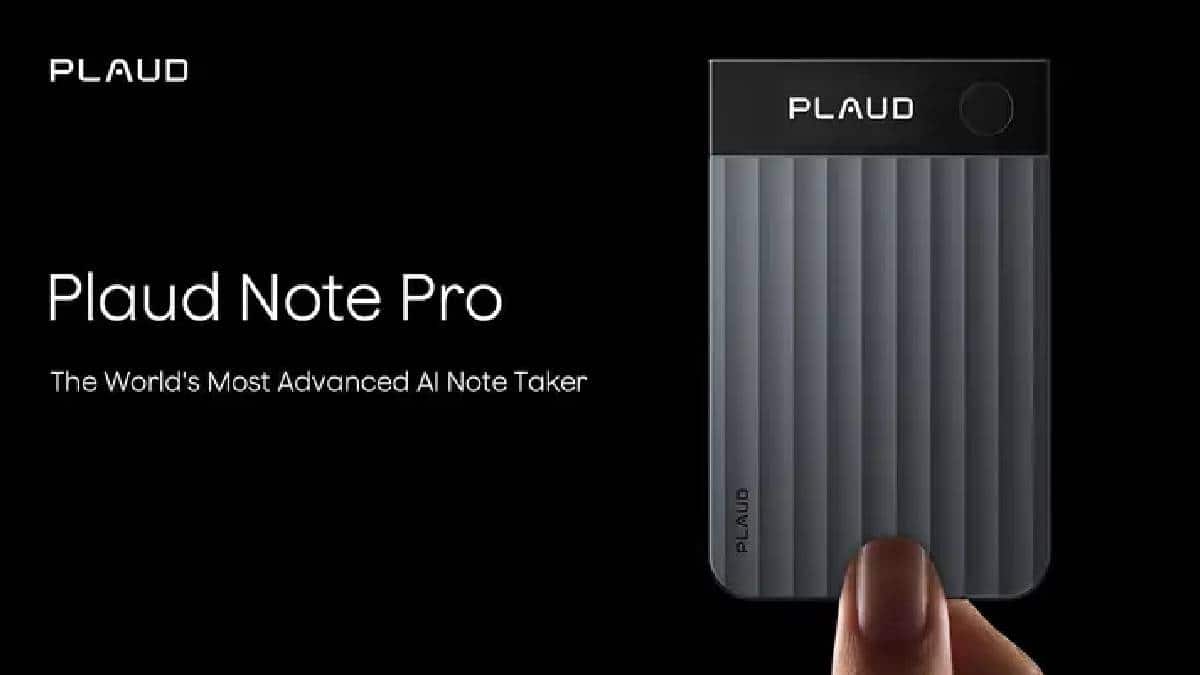
Plaud Launches AI Note Pro and NotePin S in India
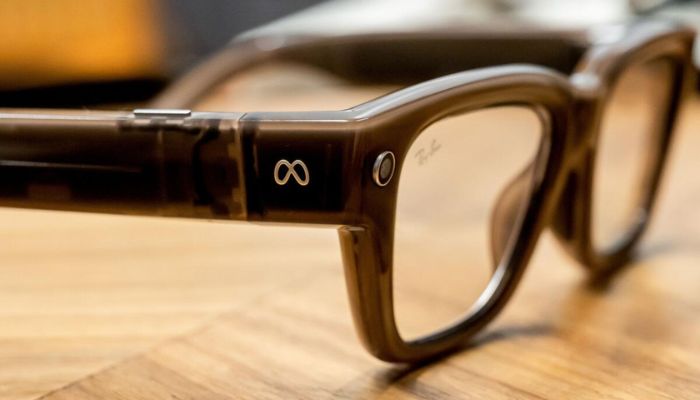
Meta Smart Glasses Face Scrutiny Over Privacy And Data Risks
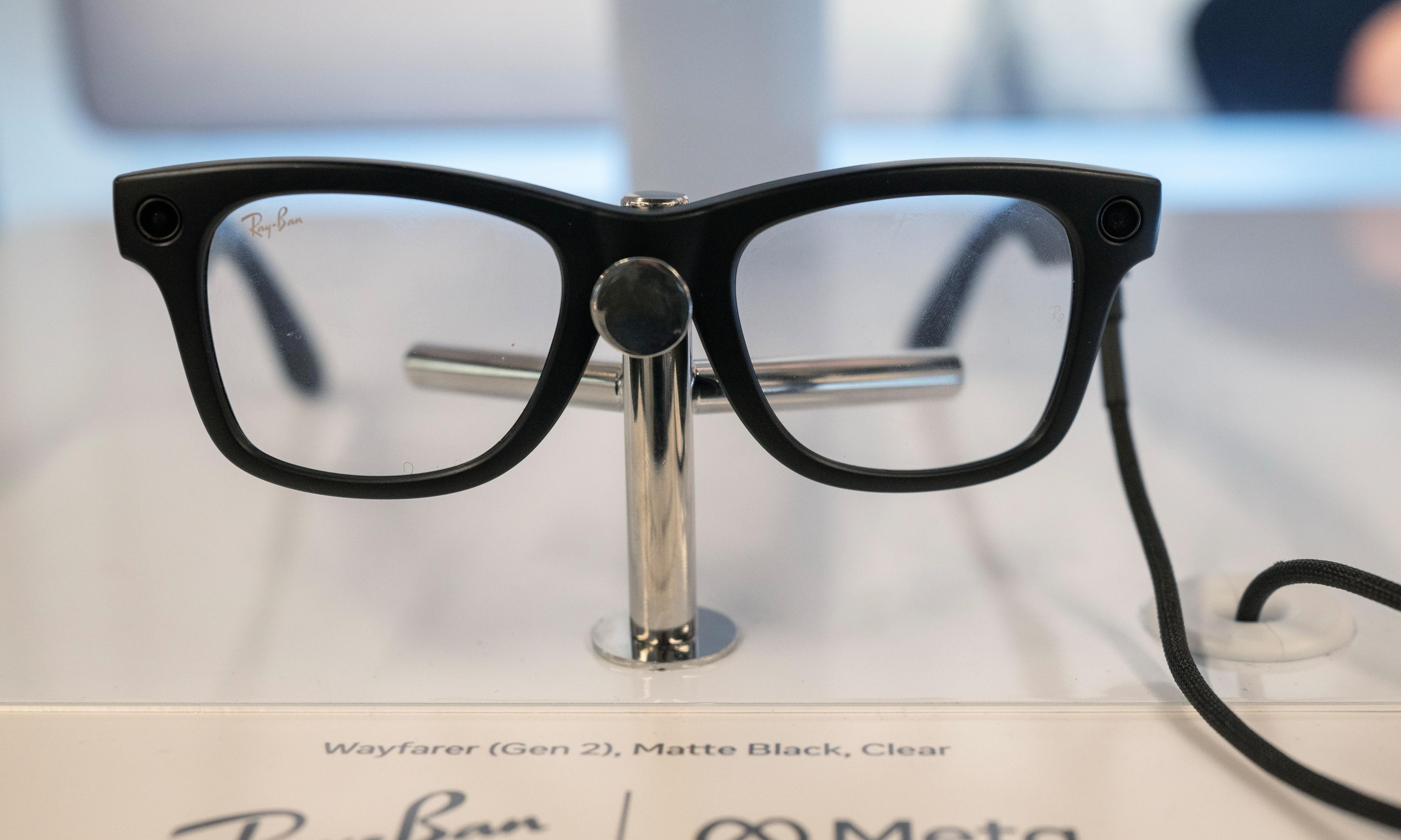
Meta Fixes AI Glasses Loophole Amid Privacy Concerns

Top Doctors Warn Against Trusting Every Smartwatch Health Reading
Seven Things Never to Put Into an AI Chatbot

Philips: AI Boosts Indian Healthcare Professionals' Capacity to Treat Patients

India Replaces Sri Lanka as 2027 Women’s Champions Trophy Host

Mitsubishi Revives Pajero With 201PS Fifth-Generation SUV

IIM-Born CEO Says Australia’s Everyday Life Runs on Trust

UN Report Says 1.5°C Overshoot, Return Remains Possible

Uday Kotak Warns Global Bond Markets Face Roller-Coaster Volatility