1 day ago
AI Transforms Skincare While Experts Urge Human Oversight
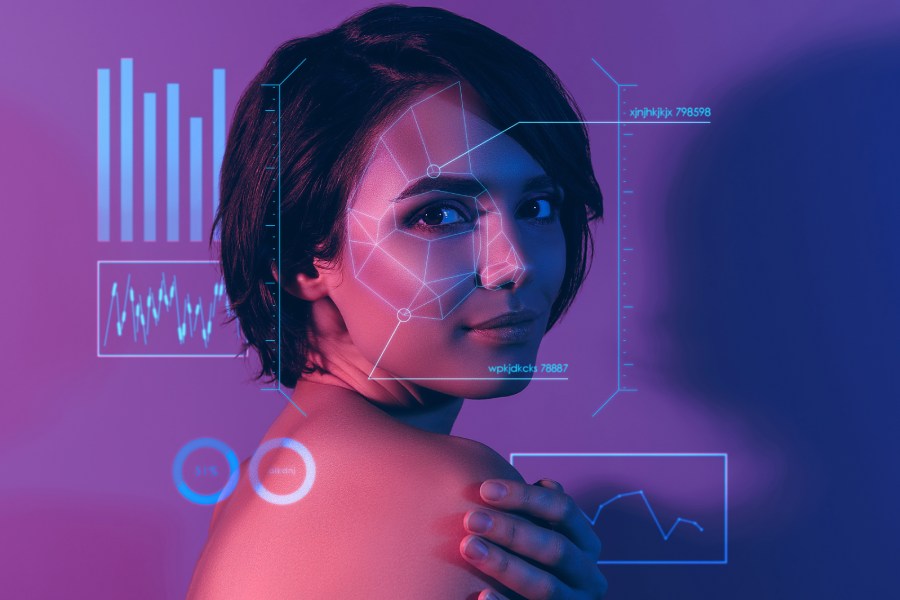
AI is being used to look at people’s skin through apps, mirrors and medical tools.
It can check things such as spots, dryness, pores and fine lines.
Some systems can also help identify conditions like acne, eczema and psoriasis.
They may suggest skincare products or routines based on what they see.
AI could watch how someone’s skin changes over many weeks.
However, it can sometimes make mistakes.
Some consumer apps identify only about one in four skin lesions correctly, and they may work less well on darker skin.
Doctors say AI should help medical professionals, not replace them.
A trained dermatologist is still needed to make careful health decisions.

AI tools can analyse skin images for conditions including acne, psoriasis, eczema and some cancers.
Controlled studies cited by dermatologist Arunima Ray found accuracy rates of 86% to 98%.
Apps and smart mirrors assess hydration, pigmentation, pores, fine lines and skin texture.
AI may track skin changes over time and personalise skincare recommendations based on outcomes.
Experts warn that consumer apps can misidentify lesions, perform worse on darker skin and cannot replace dermatologists.
- Who
- Dermatologists, skincare companies, AI platform developers and consumers are involved; Arunima Ray and Hitaysh Dhingraa provided expert comments.
- What
- Artificial intelligence is being used to analyse skin, personalise skincare advice, monitor changes and assist dermatology.
- Where
- The technology is being used in dermatology clinics, consumer apps and smart mirrors; Ray is identified with Narayana RN Tagore Hospital in Mukundapur, Kolkata.
- When
- The article describes current and emerging uses of AI in skincare.
- Why
- AI is intended to make skin assessment more data-driven, personalised and accessible, while helping identify cases that need professional consultation.
AI as a Skincare Enabler
Clinical Caution and Human Judgment
Personalised care
AI as a Skincare Enabler
AI apps and smart mirrors can analyse individual skin features, recommend routines and move skincare away from trial and error.
Clinical Caution and Human Judgment
Recommendations may be unreliable if the technology misinterprets skin findings, so professional assessment remains important.
Detection and monitoring
AI as a Skincare Enabler
AI can rapidly analyse images, help identify conditions and track changes over time, potentially making basic guidance more accessible.
Clinical Caution and Human Judgment
Consumer apps may correctly identify only one in four lesions, and performance can drop on darker skin tones.
Role in dermatology
AI as a Skincare Enabler
Supporters describe AI as a tool that can provide information and assist dermatologists and consumers.
Clinical Caution and Human Judgment
Experts stress that AI cannot replace clinical examination, trained judgment or nuanced decisions by dermatologists.
Key facts
- Reported controlled-setting accuracy
- 86% to 98% for detecting cancers and common conditions, according to Arunima Ray.
- Conditions mentioned
- Acne, psoriasis, eczema and some skin cancers.
- Consumer app limitation
- Ray said many consumer apps correctly identify only one in four skin lesions.
- Analysed skin features
- Hydration, pigmentation, pores, fine lines and skin texture.
- Potential monitoring use
- AI may track skin changes over weeks and months and assess responses to skincare routines.
- Example platform
- EVERQ is described as an online dermatology platform offering AI-assisted skin analysis.
- Key concern
- Performance may decline on darker skin tones, raising concerns about bias and reliability.
Quotes
Hitaysh Dhingraa
Co-founder and CEO of Puresta
“Nothing beats a trained eye, clinical judgment and the prudence that comes from making nuanced decisions in diverse clinical settings. The real promise lies in combining AI's speed with human wisdom.”
 telegraphindia.com
“AI can now analyse skin images to detect cancers and common conditions like acne, psoriasis and eczema, with remarkable accuracy — 86 to 98 per cent in controlled settings”
telegraphindia.com
Sources
Related news

Brilliance Cosmocare Raises $200,000 Seed Round for Longevity Skin Platform

AI Enters IVF Labs as Decision-Support, Not Embryologist Replacement
Young Indians’ Skincare Experiments Raise Steroid Misuse Concerns

How Modern Lifestyles Are Changing Women’s Skin Health

India’s Pharma Industry Embraces AI Amid Regulatory Concerns