

1 hr ago
Indian Ecologists Warn of Extreme El Niño Threat Ahead
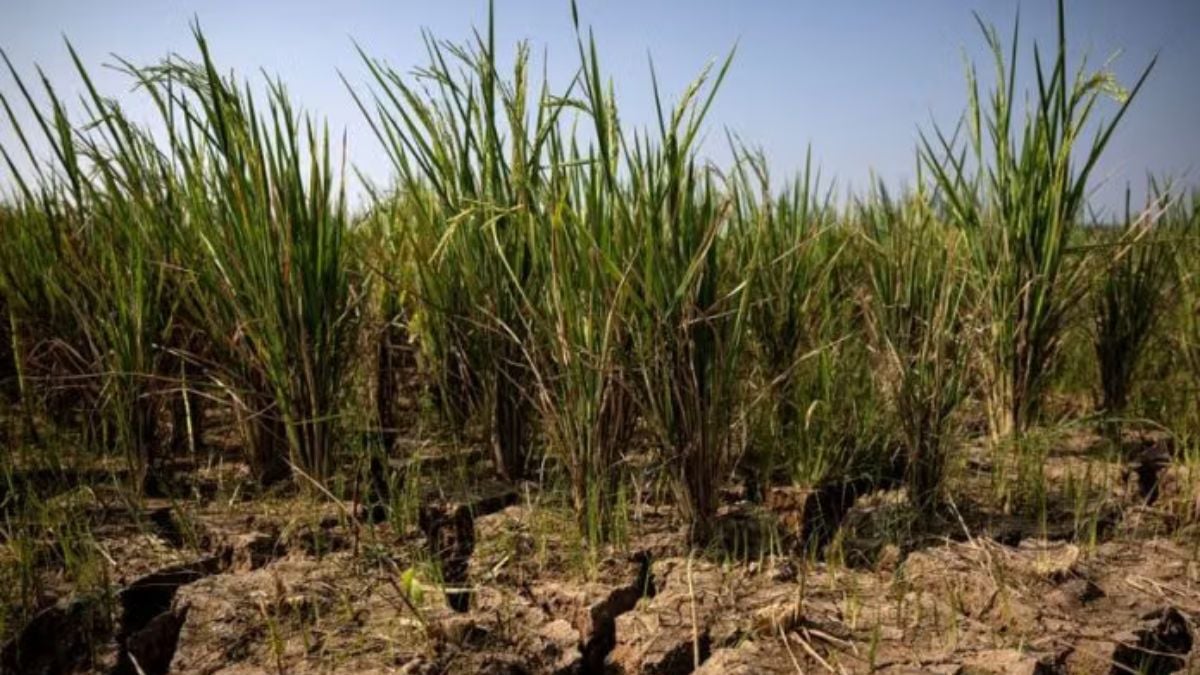
El Niño is a natural change in ocean temperatures that can affect weather around the world.
Scientists expect a strong El Niño to reach India in late 2026 and early 2027.
It could bring hotter weather and weaker monsoon rains.
It may also cause marine heatwaves, droughts, wildfires and damage to coral reefs.
Animals could change where they live, reproduce or migrate.
Scientists say climate change may be making these events stronger and more frequent.
However, they cannot yet predict exactly how ecosystems and communities will be affected.
They want people to collect better data now so India can prepare.

A group of 188 Indian ecologists, conservationists and researchers issued a call to prepare for a potentially extreme El Niño.
The event is expected to affect India from November 2026 through the first few months of 2027.
Scientists anticipate possible extreme heat, weaker monsoons, marine heatwaves, droughts, fires and coral-reef loss.
Researchers say climate change has intensified El Niño events and shortened the time between extreme episodes.
The group urges agencies and funders to repair weather stations, gather local data and coordinate ecological studies.
- Who
- A group of 188 Indian ecologists, conservationists and researchers, including marine biologist Rohan Arthur.
- What
- They warned about a potentially extreme El Niño and called for preparations and coordinated ecological monitoring.
- Where
- Across India, with effects also linked to warmer eastern Pacific Ocean temperatures.
- When
- The El Niño is expected from November 2026 through the first few months of 2027; the call was published on 16 September.
- Why
- To document and prepare for possible heat, weaker monsoons, marine heatwaves, droughts, fires and ecosystem damage.
Scientists Warning of Major Risks
Caution About Uncertain Outcomes
Expected severity
Scientists Warning of Major Risks
The signatories warn that the upcoming El Niño could be unusually intense and bring widespread heat, weaker monsoons, marine heatwaves, droughts and fires.
Caution About Uncertain Outcomes
The article says these outcomes are predictions, not forecasts, and that the effects on ecosystems and communities cannot yet be accurately predicted.
Role of climate change
Scientists Warning of Major Risks
Rohan Arthur and the article describe climate change as making El Niño events more intense and reducing the time between extreme events.
Caution About Uncertain Outcomes
El Niño itself is described as a natural phenomenon, and the article does not establish a definitive causal measurement for climate change’s role in this specific event.
Key facts
- Signatories
- 188 ecologists, conservationists and researchers
- Expected period
- November 2026 to the first few months of 2027
- Possible impacts
- Extreme heat, weaker monsoons, marine heatwaves, droughts, fires and coral-reef loss
- Pacific temperature projection
- Sea surface temperatures were reported at 0.5°C above normal in May and projected to reach 4°C above normal
- People represented
- Signatories came from more than 70 institutions
- Requested action
- Repair weather stations, collect local weather data, and coordinate satellite and field studies
- Key uncertainty
- The ecological effects remain predictions rather than forecasts and cannot be accurately determined
Quotes
Rohan Arthur
Marine biologist with the Nature Conservation Foundation and a signatory to the ecologists’ call.
“The main aim of this call was to alert scientists, managers, funders, anyone concerned about the natural world — there is something big coming along, so get your act together, let us see if we can document this, and at least be prepared.”
 theprint.in
“When we sent the initial call to the community, within four to five days nearly 188 people reached out from over 70 institutions — people from research institutes, government bodies, NGOs, even the forest department.”
theprint.in
Sources
Related news
Supersized El Niño Could Become Strongest Ever, UN Warns
Powerful El Niño Could Make 2027 Hottest Year
Potential 2026 Super El Niño Could Rewrite Global Weather Records

Record-Strength El Niño Could Bring Extreme Global Weather
WMO Warns Very Strong El Niño Could Reshape Global Weather

Strong El Niño Threatens India’s Monsoon, Raises 2027 Heat Risk

BJP Says Telangana Government Blames El Nino for Farmer Failures

Moody’s Raises India FY27 Growth Forecast to 7% Amid Risks

India Faces Driest Monsoon Since 2009, Raising Food-Price Fears
Human Activity Altered Mumbai Weather During Most Monsoon Days
