6 hrs ago
Post-Meal Walks Offer Practical Blood Sugar and Metabolic Benefits
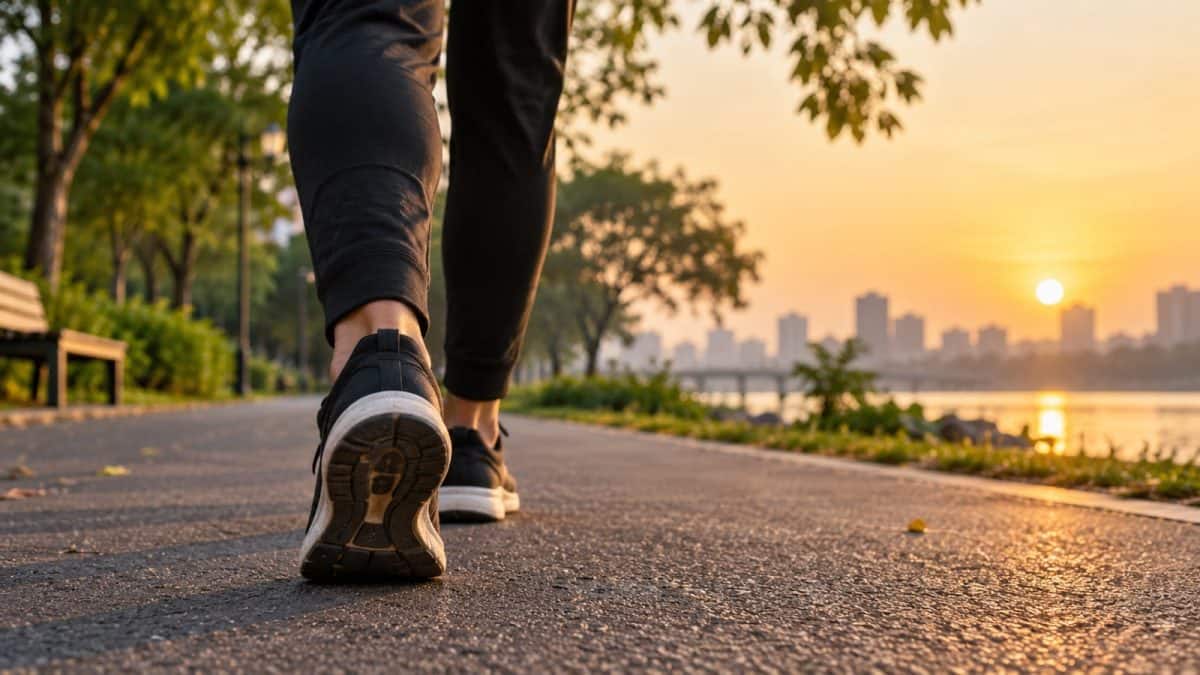
A short walk after eating can help your body handle sugar better.
When your muscles move, they can take more glucose from your blood.
This may improve blood sugar and insulin responses after meals.
Walking regularly may be easier to keep doing than occasional hard workouts.
The article says people do not need to reach exactly 10,000 steps to gain benefits.
Increasing steps from 3,000 to 6,000 can still be meaningful.
Walking is useful, but muscles and bones also need strength training.
More intense exercise can add cardiovascular benefits.

Short walks after meals may improve blood sugar and insulin responses.
Muscle contractions help muscles take up more glucose from the blood.
Experts say frequency, timing, and consistency can matter more than intensity.
The 10,000-step goal is motivational, not a strict biological requirement.
Walking should complement, not replace, strength training and more intense exercise.
- Who
- Experts, including Dr Nishant Raizada of Amrita Hospital, discuss walking for people concerned about blood sugar, insulin resistance, obesity, type 2 diabetes, or PCOS.
- What
- The article explains how short post-meal walks and consistent daily movement may support blood sugar control and metabolic health.
- Where
- The habit is discussed generally, with particular relevance noted for India.
- When
- After meals, such as lunch or dinner, and regularly throughout the day.
- Why
- Muscle movement can increase glucose uptake and may improve post-meal glucose and insulin responses.
Key facts
- Main habit
- Take a short, light walk after eating.
- Potential benefit
- Improved post-meal blood sugar and insulin responses.
- Important factors
- Frequency, timing, and consistency are important alongside intensity.
- Step target
- 10,000 steps is a motivational target, not a biological cutoff.
- Practical advantage
- Walking requires no gym, equipment, or strict scheduling.
- Exercise limitation
- Walking does not replace strength training or more intense cardiovascular exercise.
- Highlighted population
- India is experiencing rising type 2 diabetes, pre-diabetes, and insulin resistance.
Quotes
Dr Nishant Raizada
Endocrinology specialist at Amrita Hospital, Faridabad
“It is particularly interesting to walk after a meal. Muscle contraction leads to muscles taking up more glucose from the blood.”
 firstpost.com
“Intensity is only one piece of the puzzle. The frequency, timing and consistency are hugely important.”
firstpost.com
Sources
Related news
Seven Walking Mistakes That Can Prevent Weight Loss
Seven Walking Habits That Can Undermine Weight-Loss Progress
Weekend Habits May Disrupt Blood Sugar Into Week
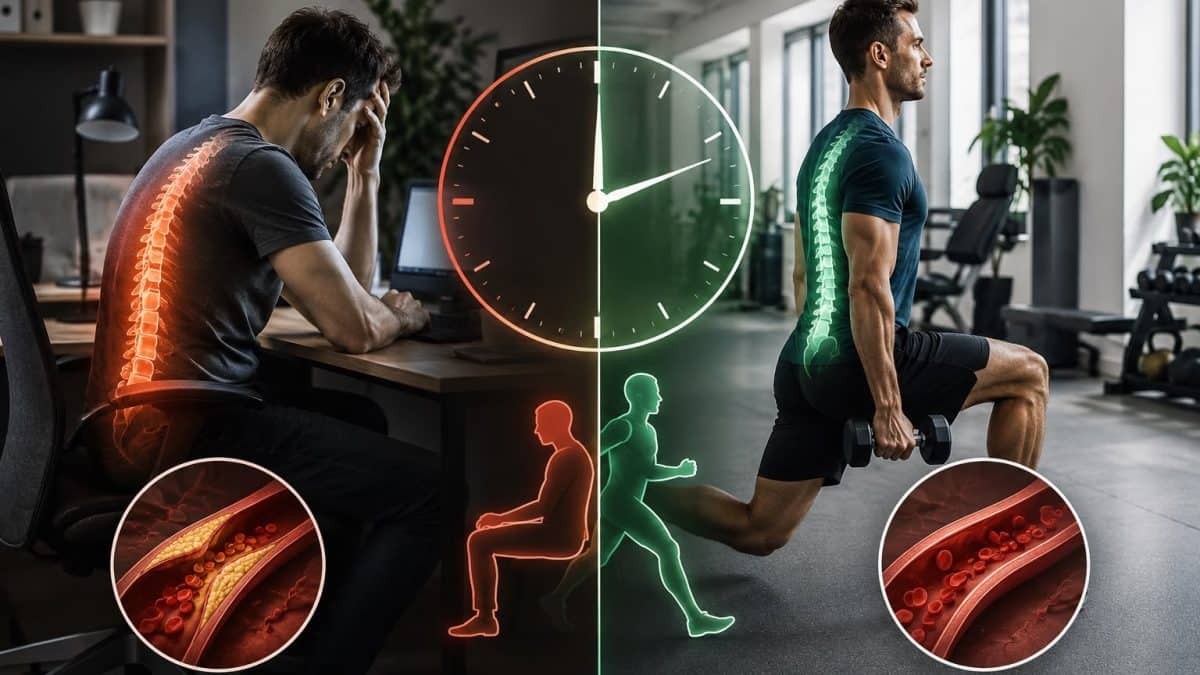
Two Hours of Exercise Cannot Undo Five Days of Sitting

Doctor Explains Health Risks of Eating Dinner After 9 PM
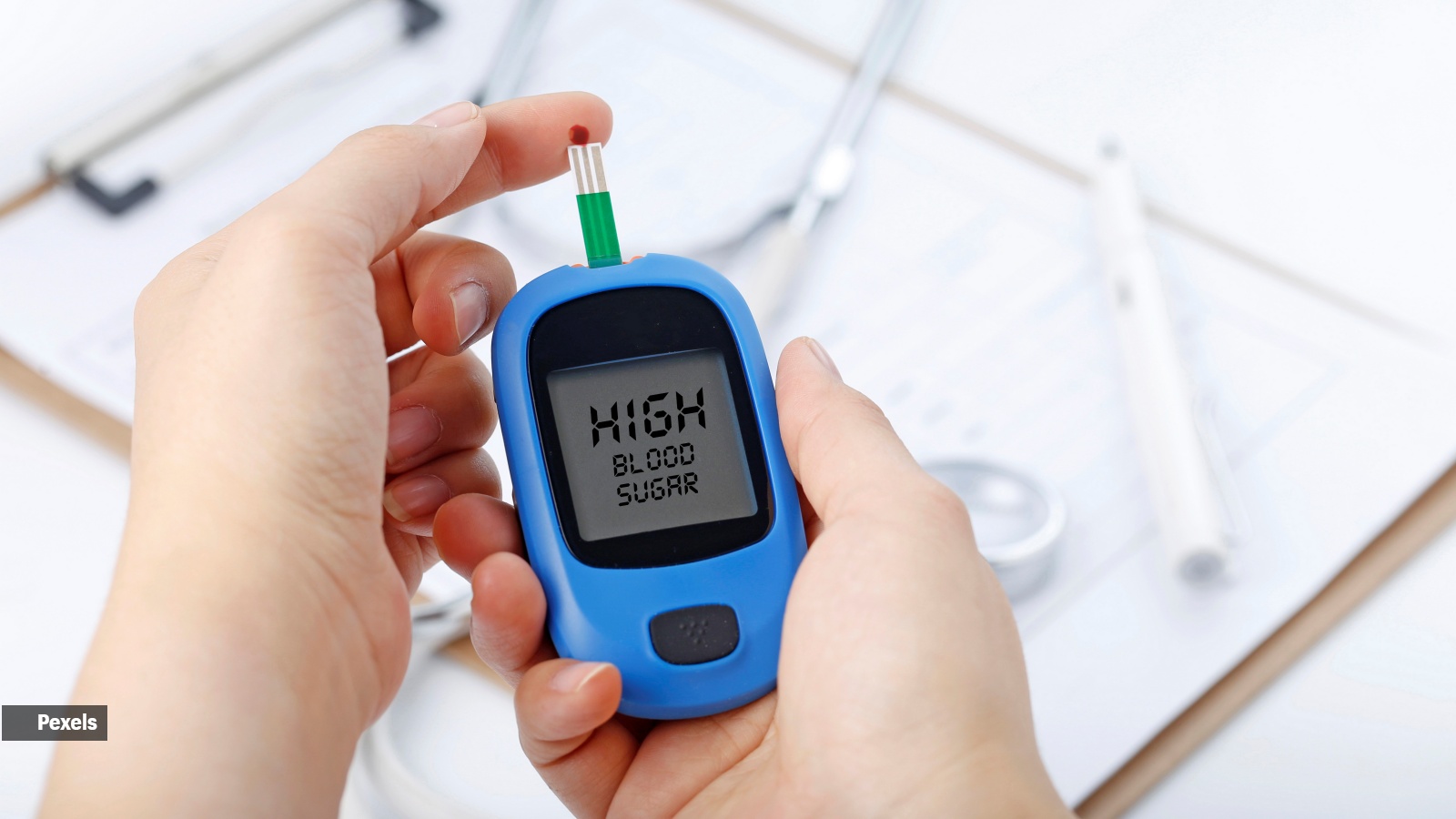
HbA1c of 10.6% Requires Lifestyle Changes and Medical Review

Which Common Food Rules Are Actually True for Health?