1 hr ago
HbA1c of 10.6% Requires Lifestyle Changes and Medical Review
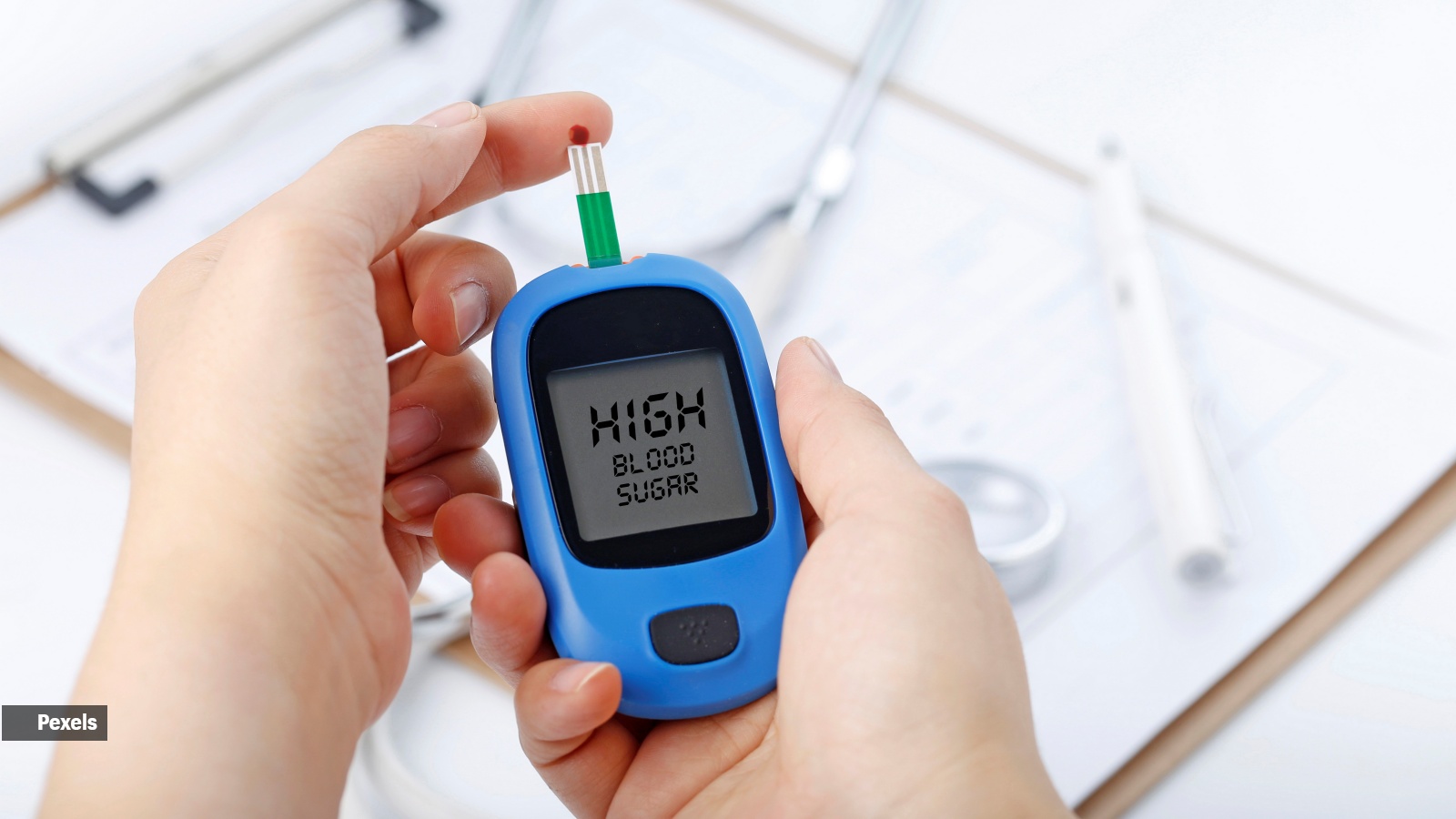
An HbA1c test shows how high your blood sugar has been on average over the last two to three months.
A result of 10.6% is much higher than it should be.
It means your diabetes needs prompt medical attention.
Healthy food choices and exercise can help lower blood sugar.
Try meals with vegetables, fibre and protein before carbohydrates.
Avoid sugary drinks, highly processed foods and excess refined carbohydrates.
Walking for 10–15 minutes after meals may help limit blood sugar rises.
Sleeping regularly, managing stress and losing excess weight when appropriate may also help.
These steps should be used with medication, not as a replacement for it, so a clinician should review your treatment.

An HbA1c of 10.6% indicates poorly controlled diabetes and corresponds to an estimated average glucose of about 258 mg/dL.
Lifestyle measures should complement diabetes medication rather than replace it, especially when HbA1c is this high.
Helpful steps include reducing refined carbohydrates and sugary drinks, eating more protein, vegetables and fibre, and trying a carb-last meal sequence.
Regular aerobic and resistance exercise, including 10–15-minute walks after meals, may help manage blood sugar.
A clinician should review treatment and assess kidney, eye, cardiovascular, liver, nerve and foot health; no herb, juice or supplement substitutes for appropriate therapy.
- Who
- People with diabetes and an HbA1c of 10.6%, with guidance from diabetes specialist Dr Rajiv Kovil.
- What
- The article explains how lifestyle changes may help reduce very high HbA1c while emphasizing that medication may need review or intensification.
- Where
- The guidance was published by indianexpress.com and concerns diabetes management generally.
- When
- HbA1c reflects average glucose over the preceding two to three months; no specific publication date is provided.
- Why
- Because an HbA1c of 10.6% indicates poorly controlled diabetes and may increase the risk of complications affecting multiple organs.
Key facts
- HbA1c level
- 10.6%, described as significantly high and indicative of poorly controlled diabetes.
- Estimated average glucose
- Approximately 258 mg/dL over the preceding two to three months.
- Meal approach
- Prioritize vegetables or fibre and protein, then eat carbohydrates toward the end of the meal.
- Physical activity
- Combine aerobic and resistance exercise; 10–15-minute walks after meals may help blunt glucose rises.
- Dietary focus
- Reduce refined carbohydrates, sugary drinks and highly processed foods while increasing fibre and choosing better-quality carbohydrates.
- Treatment advice
- Medication should be reviewed and potentially intensified by the treating clinician.
- Health assessment
- Depending on the individual, evaluation may include kidney, retinal, blood pressure, lipid, liver, cardiovascular, nerve and foot health.
Quotes
Dr Rajiv Kovil
Diabetes and obesity specialist at Zandra Healthcare
““There is no herb, juice or supplement that substitutes for appropriate diabetes therapy.””
 indianexpress.com
““An HbA1c of 10.6% is significantly high and indicates poorly controlled diabetes,””
indianexpress.com
Sources
Related news
High Glucose With Low HbA1c Requires Medical Evaluation
Vinegar Before Carbs May Reduce Blood Sugar Spikes
Blood Sugar 230 mg/dL: Is It Dangerous or Controllable?

Amitabh Bachchan Gives Up Rice, But Should Older Adults?

Nutritionist Shares 8 Exercises That May Help Control Blood Sugar

Aegle Touch Holds Diabetes Awareness Conclave in Hyderabad

Is starting puberty at 11 early?

Indian Army Updates Social Media Policy