2 hrs ago
Panel Urges Biannual Kidney Tests to Detect Silent Disease
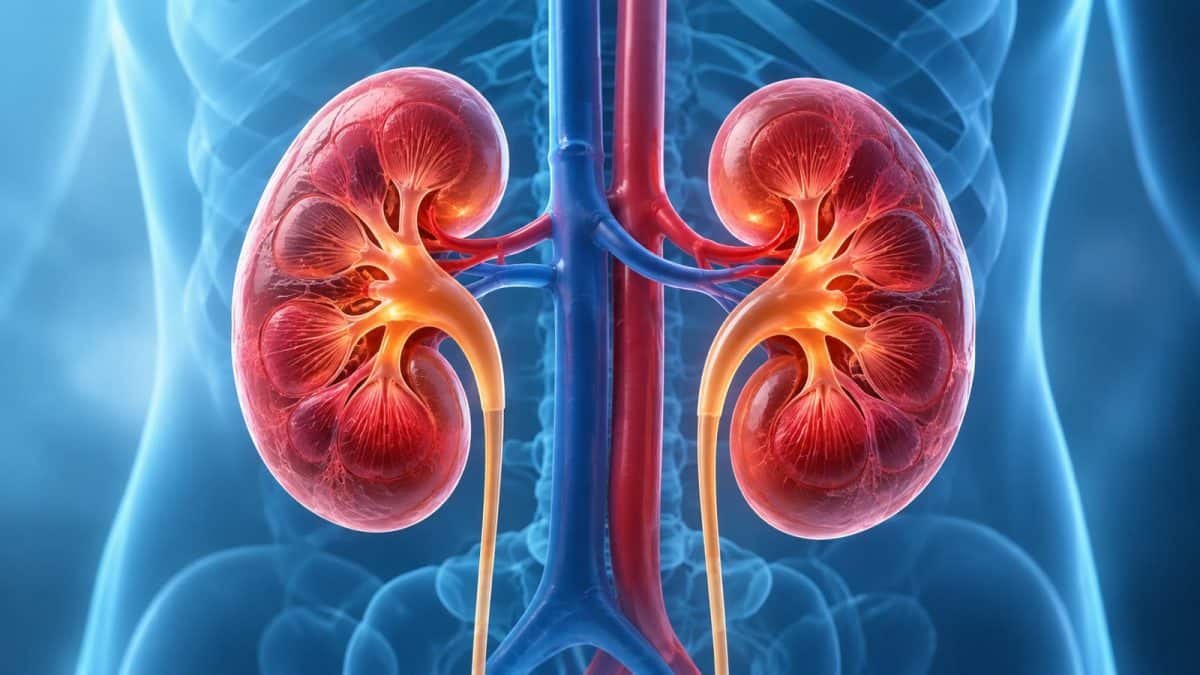
Kidney disease can begin quietly, so people may not know their kidneys are being damaged.
A parliamentary committee has suggested that Indians over 20 get kidney tests every six months.
The committee says chronic kidney disease affects about 13.24% of people in India.
Doctors say a blood test for creatinine alone may not show the full picture.
An eGFR test can give a clearer estimate of how well the kidneys filter blood.
A urine test can find protein or albumin leaking from damaged kidneys.
People with diabetes, high blood pressure and some other risk factors may need extra attention.
Finding problems early can give doctors time to protect kidney function before severe failure develops.

A Parliamentary Standing Committee recommended kidney function tests every six months for people in India above age 20.
The committee cited an estimated 13.24% pooled prevalence of chronic kidney disease in India.
Experts say kidney disease can progress without pain, noticeable urinary changes or other early symptoms.
Testing should include eGFR and, for higher-risk people, urine albumin or protein analysis—not serum creatinine alone.
People with diabetes, hypertension, obesity, kidney stones, urinary infections, certain pregnancy complications or other risk factors may need closer monitoring.
- Who
- A Parliamentary Standing Committee on Health and Family Welfare made the recommendation, supported by nephrologist Dr Urmila Anandh.
- What
- The committee recommended kidney function testing every six months for Indians above age 20, with experts emphasizing eGFR and urine protein testing.
- Where
- India, with expert commentary from Amrita Hospital in Faridabad.
- When
- The recommendation was made recently; the articles do not provide a specific date.
- Why
- Chronic kidney disease is increasingly prevalent and often progresses silently until substantial damage has occurred.
Key facts
- Recommended age
- People in India above 20
- Suggested frequency
- Every six months
- Estimated CKD prevalence
- Approximately 13.24% pooled prevalence in India
- Preferred kidney-function measure
- Estimated glomerular filtration rate, or eGFR
- Additional screening
- Urine albumin or protein testing, especially for higher-risk people
- Risk factors
- Diabetes, high blood pressure, obesity, family history, recurrent kidney stones or urinary infections, previous acute kidney injury and use of kidney-affecting medicines such as NSAID painkillers
- Long-term risks highlighted
- Hypertension during pregnancy, including pre-eclampsia, and being born preterm or small for gestational age
Quotes
Dr Urmila Anandh
Consultant Nephrology at Amrita Hospital, Faridabad
“Kidney function can decline slowly and there may be no pain, no dramatic change in urination and no obvious warning”
 firstpost.com
“Screening gives us time to assess risk, intervene early and preserve kidney function”
firstpost.com
Sources
Related news

New heart guidelines recommend kidney screening with two simple tests

Kidney Disease Can Stay Hidden, But Simple Tests Help

New Guidelines Urge Kidney Tests for People With Heart Disease

Health Checks in Your 20s, 30s and 40s Explained

Why Fatty Liver Can Hide Even In Young Adults

Silent AFib Can Raise Stroke Risk Fivefold, Doctors Warn
Why Bigg Boss Contestants React Differently Under Constant Surveillance
Foamy Urine: When It May Signal Kidney Problems
Hygiene Hypothesis Links Microbial Diversity, Immunity And Allergic Disease

Hard Water May Damage Hair, But Doesn’t Cause Hair Loss