5 days ago
Seven Walking Mistakes That Can Prevent Weight Loss
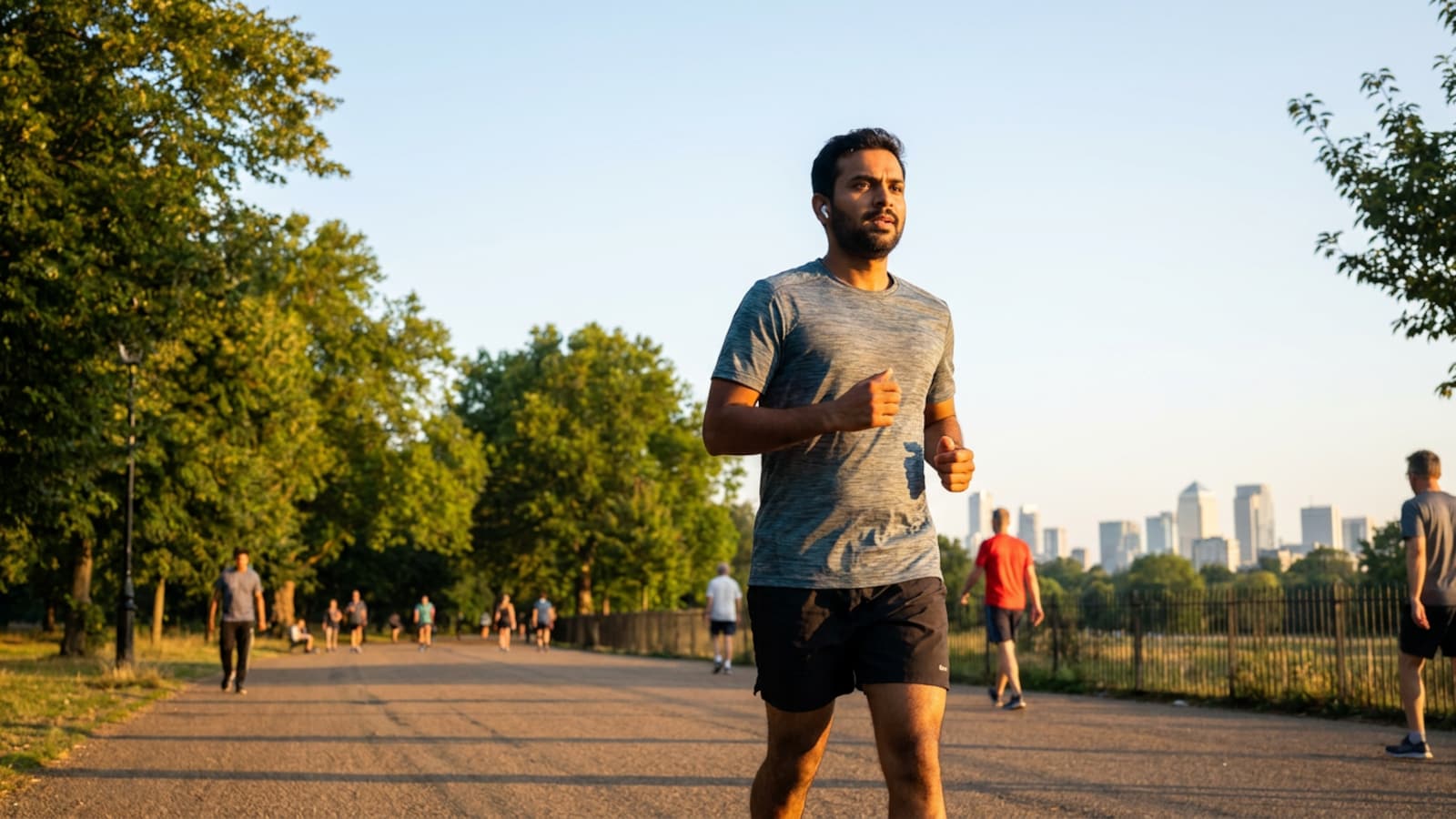
Walking is good for your body, but it may not always lead to quick weight loss.
Walking very slowly or for only a short time may not provide enough activity.
Sitting for most of the day can also reduce the benefit of one walk.
Some people eat or drink extra calories after exercising without noticing.
Doing the same walk every day can eventually feel easier.
Walking regularly is usually more helpful than taking one long walk only once in a while.
Adding hills, faster periods or more time can make walks more challenging.
Weight can change because of water, food, salt and hormones.
Other signs of progress include better stamina, easier daily activities and clothes fitting differently.

Walking too slowly or for only a few minutes may limit calorie expenditure.
A daily walk may not offset long periods of sitting or inactivity.
Sugary drinks, snacks, desserts or large meals can replace calories burned while walking.
Repeating the same pace, distance and terrain may make walks less challenging over time.
Weight can fluctuate, so progress may not always appear quickly on the scale.
- Who
- People who walk regularly but are seeking weight loss or broader health improvements.
- What
- An article explains seven common walking and lifestyle mistakes that may limit weight-loss results.
- Where
- No specific location is stated.
- When
- The article discusses daily walking and progress over time; no publication date is provided.
- Why
- Slow or short walks, prolonged sitting, eating back calories, repetitive routines, inconsistent walking and unrealistic scale expectations may reduce or obscure results.
Key facts
- Main focus
- Making daily walking more effective for weight loss
- Recommended pace
- A brisk pace that increases breathing while still allowing short sentences
- Duration advice
- Gradually add five to 10 minutes every few days or weeks
- Activity pattern
- Break walks into multiple sessions if continuous walking is difficult
- Routine variety
- Try faster periods, hills or different routes
- Diet guidance
- Choose balanced meals with vegetables, fruits, whole grains, protein and healthy fats
- Progress measures
- Monitor stamina, clothing fit and ease of daily activities, not only scale changes
Sources
Related news
Seven Walking Habits That Can Undermine Weight-Loss Progress

Three Ways to Make Every Walking Step Work Harder

Walking 20 Minutes Can Reduce Anxiety and Reset Your Brain

Fatigue May Drive Weight Gain More Than Lack of Exercise

Nitin Gadkari's 46-Kg Weight Loss Raises Long-Term Exercise Questions