2 hrs ago
Hygiene Hypothesis Links Microbial Diversity, Immunity And Allergic Disease
The immune system protects the body, but it also needs to learn what is dangerous and what is harmless.
Scientists study whether contact with many harmless microbes helps this learning process.
This idea is called the hygiene hypothesis.
It does not mean that being dirty or catching infections is good.
A study of Amish and Hutterite children found differences in asthma rates and in the microbes found around their homes and farms.
Researchers think microbial variety may matter more than dirt itself.
Washing hands and keeping food and water safe still help prevent serious illnesses.
Children can also benefit from outdoor play, nature, exercise and a varied diet.
The goal is sensible hygiene, not trying to remove every microbe.

The hygiene hypothesis examines how early-life microbial exposure may affect immune development and allergic disease.
David Strachan proposed the theory in 1989 after observing lower hay fever rates among children from larger families.
Research suggests diverse exposure to generally harmless microorganisms may support immune tolerance, rather than exposure to infections.
An Amish-Hutterite study linked differences in household and farm dust microbes to differing asthma rates.
Experts stress that handwashing, safe food, vaccination and appropriate antibiotic use remain essential for preventing disease.
- Who
- Researchers, including David Strachan and Dr Mohit Sharma, are involved in explaining the hygiene hypothesis.
- What
- The hygiene hypothesis explores whether early exposure to diverse, generally harmless microorganisms influences immune regulation and allergic diseases.
- Where
- The discussed research involved Amish and Hutterite children and examined household and farm environments; Dr Mohit Sharma is identified with Amrita Hospital in Faridabad.
- When
- David Strachan first proposed the hypothesis in 1989; the article does not give a date for the Amish-Hutterite study.
- Why
- Researchers are investigating whether reduced microbial diversity in modern lifestyles affects immune tolerance and the risk of allergies, eczema and asthma.
Key facts
- Theory proposed
- 1989 by British epidemiologist David Strachan
- Main concept
- Early exposure to diverse, generally harmless microorganisms may help develop immune tolerance
- Conditions discussed
- Allergies, eczema and asthma
- Research example
- An Amish-Hutterite study found substantially higher asthma rates among the Hutterite children studied
- Microbial finding
- Amish farm dust had greater microbial diversity and was associated with immune-regulation pathways
- Hygiene guidance
- Handwashing, food safety, safe drinking water and reasonable household cleanliness remain important
- Antibiotic guidance
- Antibiotics should be used only when medically necessary and under appropriate medical guidance
Quotes
Dr Mohit Sharma
Senior Consultant in Internal Medicine at Amrita Hospital, Faridabad
“We must not interpret this theory as a justification for neglecting hygiene”
 NDTV
NDTV
Sources
Related news

How intestinal worms disrupt children’s gut microbiome and growth

Study finds South Asian guts need region-specific health advice
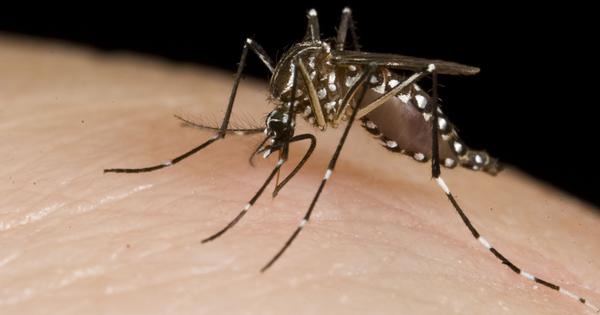
Why Mosquito Bites Affect People Differently, Scientists Explain

Pollution Threatens Breast Milk and Infants Across India

Paediatrician Explains When Children Can Safely Play in Rain

Why H1N1, H3N2 and COVID-19 Infections Are Rising

Delhi Capitals May Release 5 Players Before IPL 2026 Auctions

Dhoni's Rare Outburst: Mohit Sharma Recalls Heated On-Field Moment

Indian Man Celebrates Independence Day in Antarctica