1 week ago
Letters Debate Protest Dating, Taliban Ties, Justice, and Insurance
The letters discuss several different public issues.
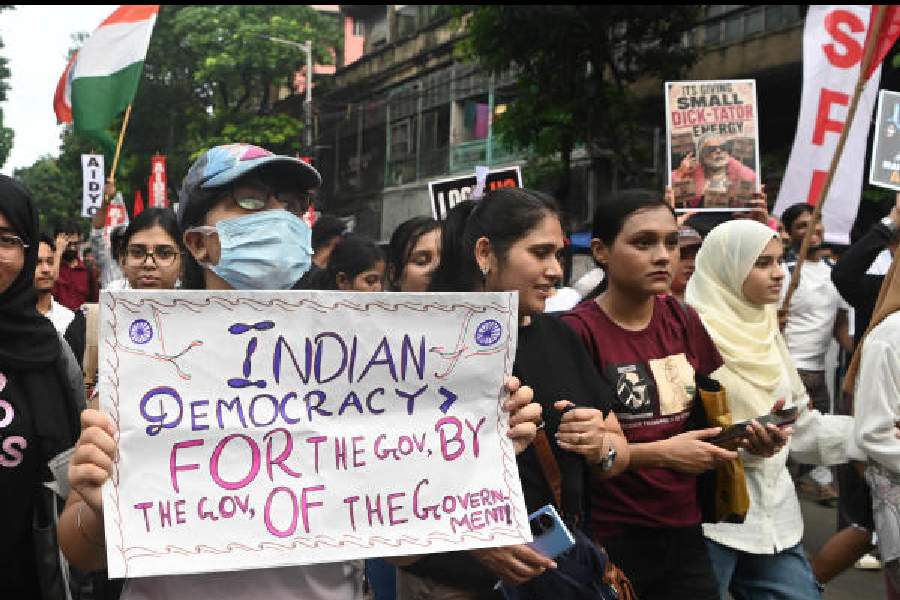
One writer says young people are treating protests as places to meet others who share their beliefs.
Other writers debate how countries should deal with Afghanistan’s Taliban government.
Some support talking with the Taliban because it controls Afghanistan and discussion may help other countries influence it.
Others say engagement should depend on improvements such as girls’ education and women’s ability to work.
The letters also discuss India’s relationship with the Taliban.
Another debate focuses on whether fast-track courts can reduce delays in India’s justice system.
Finally, one reader says advertisements should remember that mothers, including single working mothers, may be the main financial support for their children.

A reader says Gen Z is combining political protests with opportunities for romance.
One letter praises the Taliban’s consolidation of power and regional diplomacy, while others urge engagement tied to reforms.
Readers debate whether India’s pragmatic dealings with the Taliban protect strategic interests or compromise its position on terrorism.
Letters argue that fast-track courts need stronger infrastructure, more judges, better investigations, and improved digital systems.
A reader says insurance advertising overlooks single working mothers who financially support their families.
- Who
- The letters are written by readers, and discuss Gen Z, the Taliban government, India, courts, and single working mothers.
- What
- The letters debate protest dating, engagement with the Taliban, India’s Afghanistan policy, delayed justice, and insurance advertising.
- Where
- The issues concern India and Afghanistan, with the letters submitted from Delhi, Tirunelveli, Siliguri, Nadia, Jamshedpur, Calcutta, and Hooghly.
- When
- The letters refer to contemporary debates; two cited editorials were dated August 19, and one letter refers to nearly eight decades since India’s independence.
- Why
- The writers aim to discuss social trends, strategic policy, human rights, judicial delays, and the financial vulnerability of families.
Engagement and pragmatism
Rights-based caution
Dealing with the Taliban
Engagement and pragmatism
Engagement recognises that the Taliban governs Afghanistan and could give regional powers greater influence over the country’s future.
Rights-based caution
Diplomatic and economic normalisation should depend on measurable improvements in girls’ education, women’s employment, humanitarian access, and political participation.
India’s relationship with the Taliban
Engagement and pragmatism
Maintaining ties could protect India’s strategic interests, particularly as relations between the Taliban and Pakistan have deteriorated.
Rights-based caution
India’s pragmatic engagement raises questions about whether it is making exceptions for a militant group despite the restrictions imposed on Afghan women.
Fast-track courts
Engagement and pragmatism
Creating fast-track and fast-track special courts reflects useful legislative intent and could help dispose of cases more quickly.
Rights-based caution
Without more judges, better infrastructure, improved investigations, technology, and safeguards for fair trials, fast-tracking may remain largely symbolic.
Key facts
- Protest dating
- A reader says some young people see rallies as authentic places to meet potential partners with similar views.
- Taliban control
- One letter says the Taliban has consolidated territorial control and marginalised opposition.
- Women’s rights
- A letter says girls are barred from secondary schools and universities under the Taliban.
- India-Taliban ties
- India has not formally recognised the Taliban government but continues embassy operations in Kabul and maintains pragmatic ties.
- Suggested conditions
- One writer calls for girls’ education, women’s employment, effective humanitarian access, and some political participation before diplomatic and economic normalisation.
- Fast-track courts
- Readers say their effectiveness is limited by infrastructure gaps, too few judges, rising caseloads, and complex cases.
- Insurance advertising
- A reader argues that commercials focus on fathers and overlook mothers who independently provide for their families.
Sources
Related news
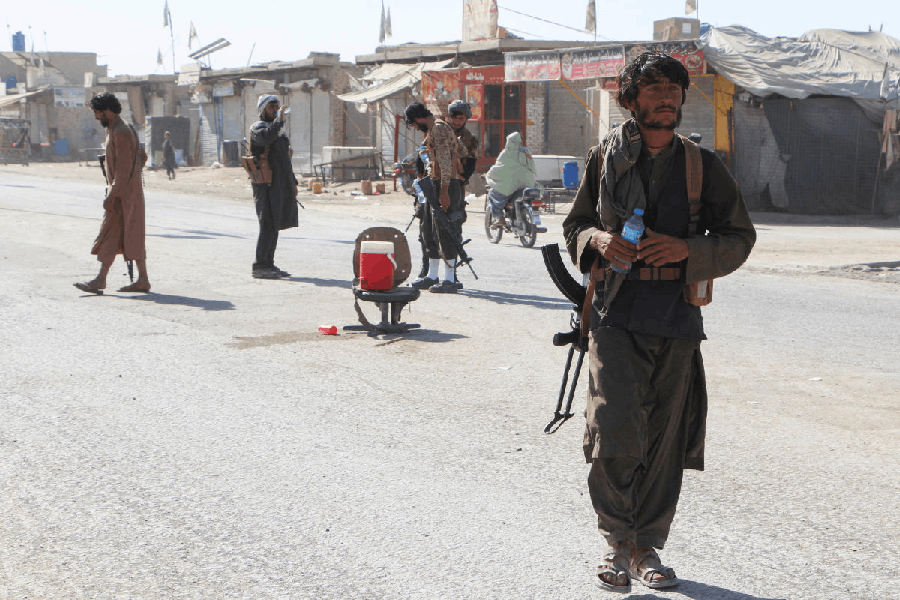
Taliban’s Fragile Legitimacy Tests India’s Evolving Afghan Policy

Protest Dating: Gen-Z Indian Singles Finding Romance at Rallies

India Deepens Taliban Engagement While Recognition Remains On Hold
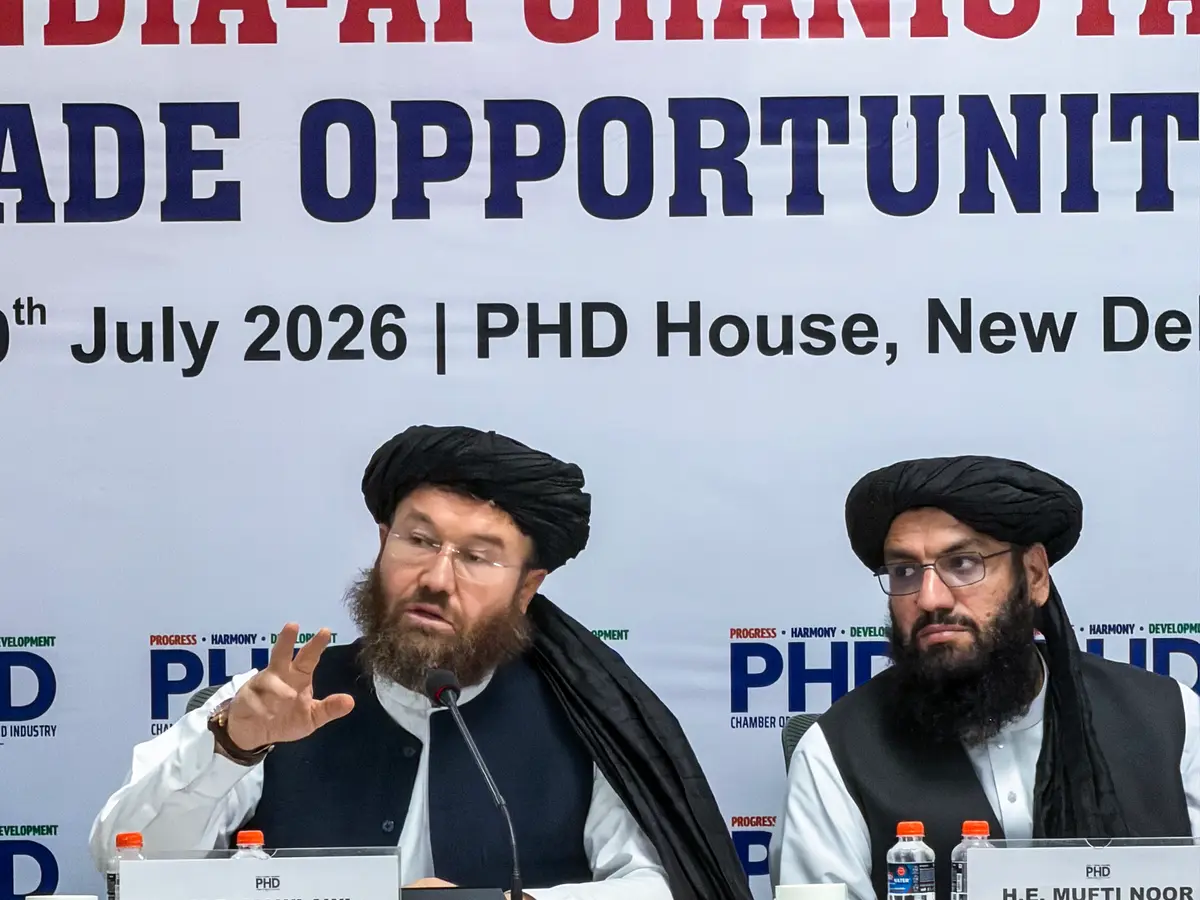
Taliban pushes for closer India ties at Victory Day event
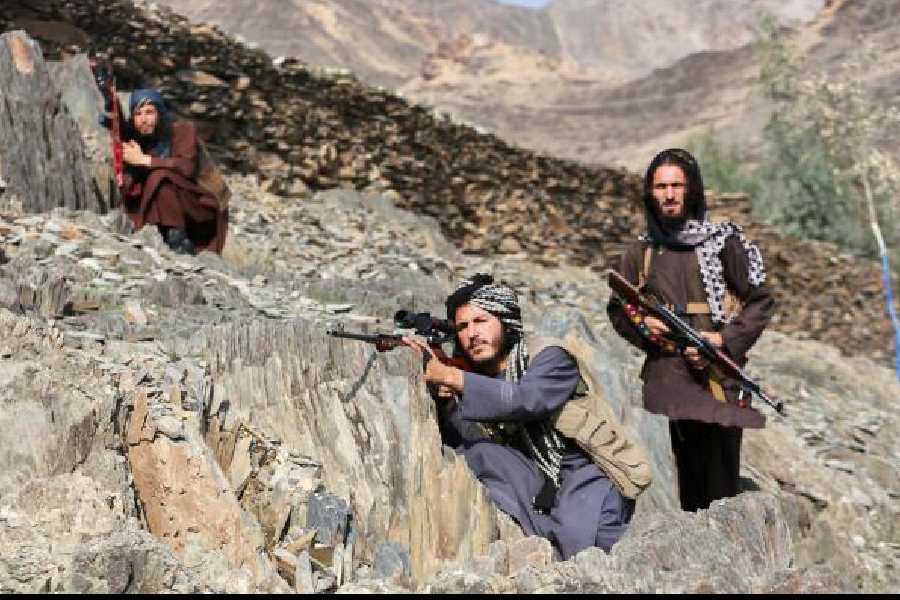
Why India, Pakistan and Afghanistan Need Dialogue for Regional Peace
BJP Leader Calls Youth Protests Democratic, Champions India-Nepal Ties

Putin Faces Western Isolation While Russia Builds Non-Western Ties

India’s Global Power Ambitions Face Economic and Democratic Setbacks
India’s 7.8% Growth Broad-Based, but Jobs Remain Challenge
India Pursues Global Mineral Pacts to Secure Supply Chains

Nepal Plans New Landslide Warning System Along China Border