2 weeks ago
Taliban’s Fragile Legitimacy Tests India’s Evolving Afghan Policy
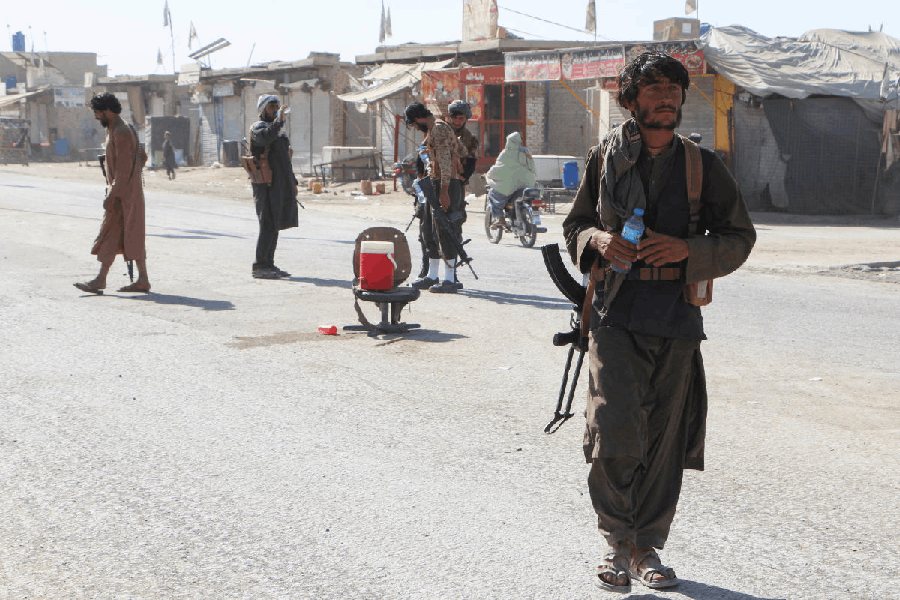
The Taliban has ruled Afghanistan again for about five years.
Its control over the country seems stronger than before.
However, many countries still do not fully accept its government.
Afghanistan is also suffering because its economy is weak and it receives less foreign help.
The Taliban is trying to look more cooperative to other countries.
Inside Afghanistan, it still limits women and faces accusations of harming minorities.
India has started working more closely with the Taliban and providing aid.
This helps India deal with security concerns involving Pakistan.
But the editorial says India should cooperate carefully and not trust the Taliban too much.

Five years after returning to Kabul, the Taliban’s control over Afghanistan appears stronger, but broad international acceptance remains elusive.
Afghanistan’s broken economy, Western sanctions and reduced foreign aid have contributed to a severe humanitarian crisis.
The Taliban is presenting a more accommodating foreign-policy image while maintaining repressive domestic policies.
India has expanded aid and de facto diplomatic engagement with Taliban-led Afghanistan after the group distanced itself from Pakistan.
The editorial urges India to pursue strategic cooperation while preserving distance because of restrictions on women, minority attacks and militant activity.
- Who
- The Taliban, India, Pakistan and other countries engaging with Afghanistan.
- What
- The editorial examines the Taliban’s fragile international legitimacy and recommends a cautious Indian policy toward its government.
- Where
- Afghanistan, particularly Kabul, and in the wider regional and international diplomatic context.
- When
- Five years after the Taliban returned to Kabul and reclaimed control of Afghanistan.
- Why
- Countries are engaging with the Taliban because it controls Afghanistan and the country has strategic importance, while India also seeks to protect its security interests.
Strategic Engagement
Cautious Distance
Working with the Taliban
Strategic Engagement
India should engage the Taliban because it controls Afghanistan, has strategic importance and can help address regional security concerns, including pressure on Pakistan.
Cautious Distance
India should avoid relying too heavily on the Taliban, whose policies toward women and minorities and inability to eliminate terrorist groups make the relationship difficult for a stable democracy.
Diplomatic recognition
Strategic Engagement
India’s gradual de facto diplomatic engagement and aid have produced strategic dividends and helped it fill the space left by Pakistan’s deteriorating relationship with the Taliban.
Cautious Distance
Engagement should not become full political trust, since the Taliban has demonstrated that outside powers, including Pakistan and the United States, cannot dictate its actions.
Key facts
- Taliban’s position
- Its control over Afghanistan appears firmer, but it has not secured broad international acceptance.
- Humanitarian conditions
- A broken economy, Western sanctions and reduced foreign aid have left Afghanistan facing a severe humanitarian crisis.
- Domestic policies
- The Taliban continues strict restrictions on women and attacks on ethnic and religious minorities are reported.
- Foreign policy
- The group is attempting to present a more reformed and cooperative foreign-policy image.
- India’s approach
- India is providing aid and gradually increasing de facto diplomatic recognition of Taliban-led Afghanistan.
- Pakistan’s relationship
- The Taliban was previously funded, armed and sheltered by Pakistan’s military intelligence but later distanced itself from Pakistan.
- India’s challenge
- The editorial says New Delhi should protect its strategic interests while maintaining a degree of separation from the Taliban.
Sources
Related news

India Deepens Taliban Engagement While Recognition Remains On Hold

Taliban Envoy Marks Victory Day in Delhi, Urges India Ties
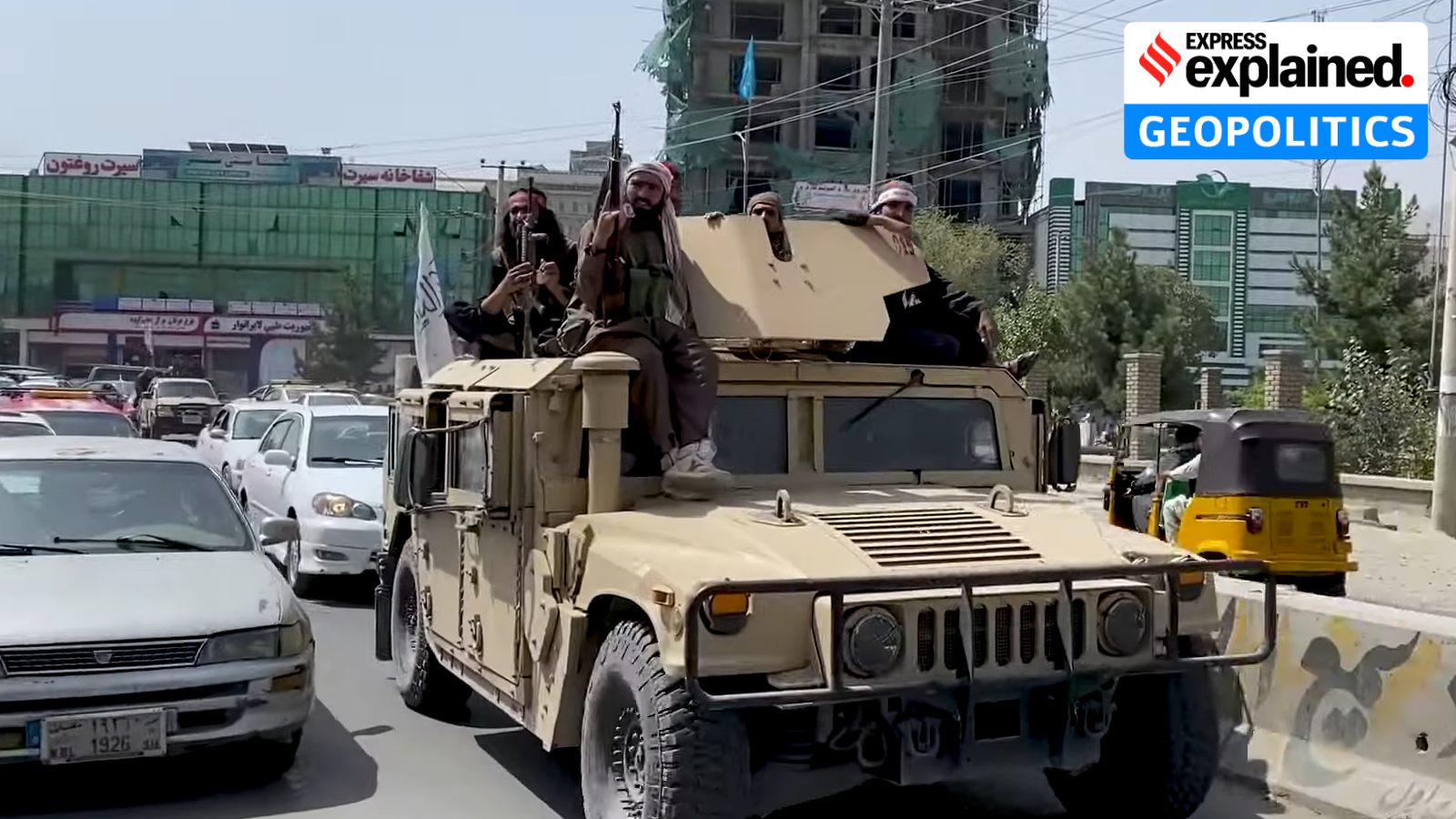
India’s Growing Engagement with Taliban Five Years After Kabul Fell
Iran War Stymies India-Taliban Relations Amid Regional Tensions
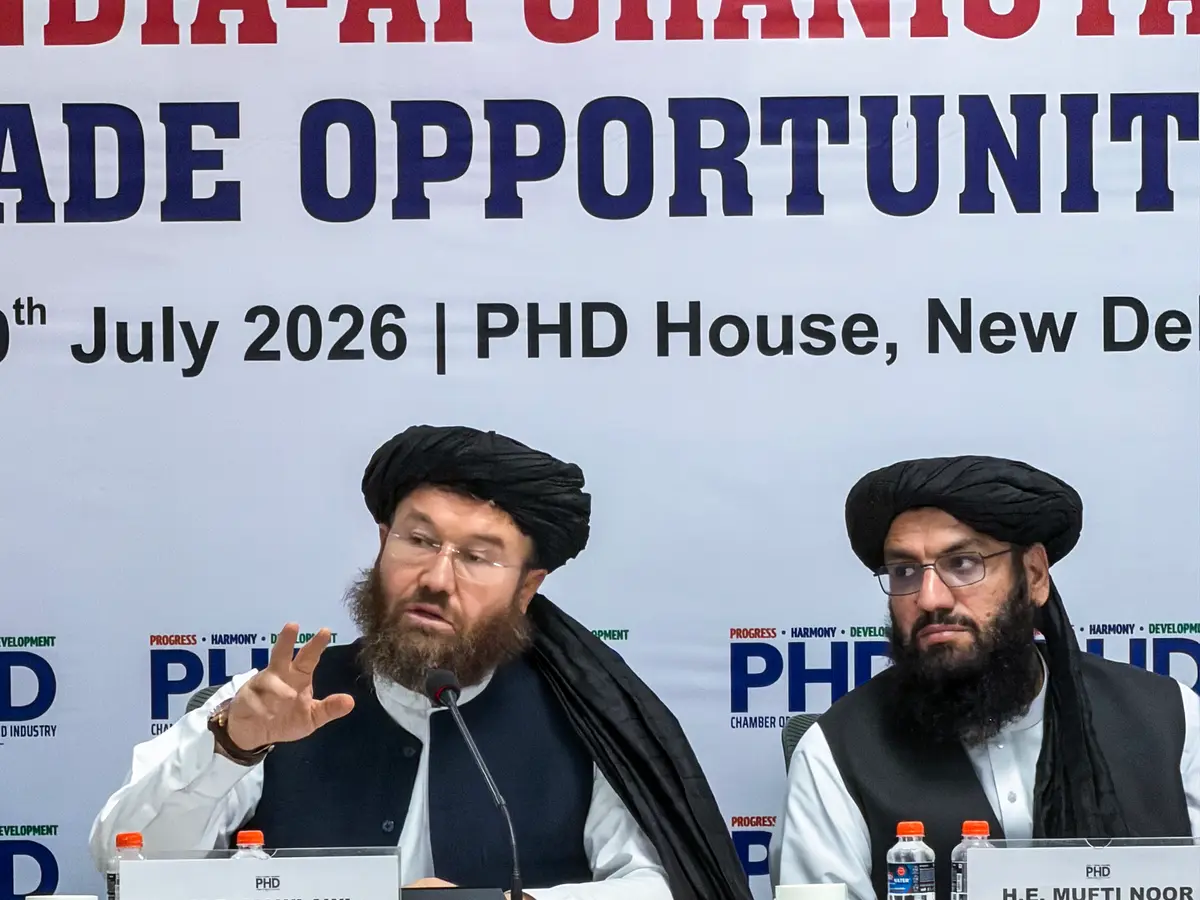
Taliban pushes for closer India ties at Victory Day event
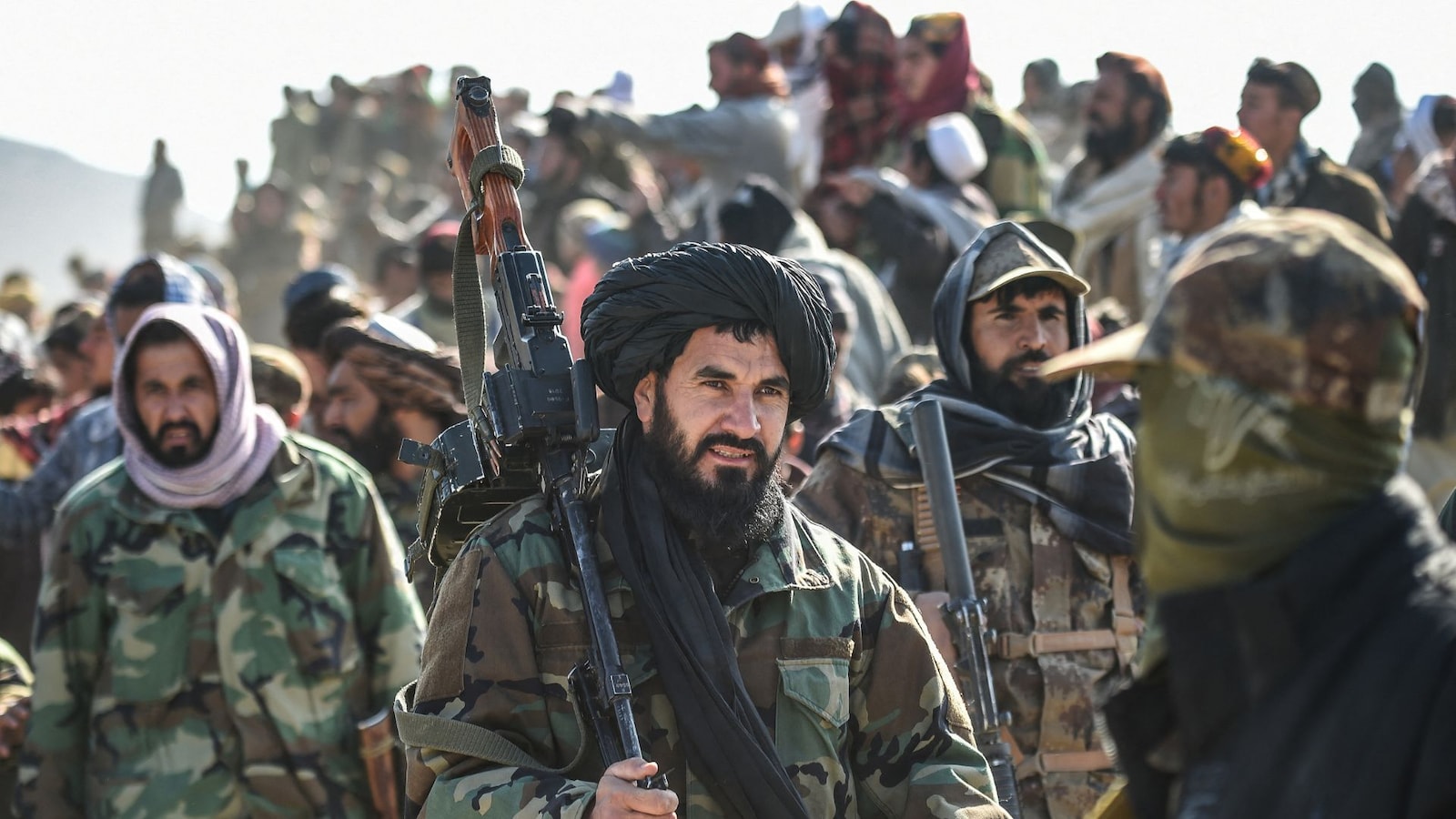
India May Attend Taliban's Victory Day Event in Delhi

India’s Fourth BRICS Chair Faces a Much Larger Summit

Nepal Families Seek Missing Loved Ones After Deadly Flash Floods
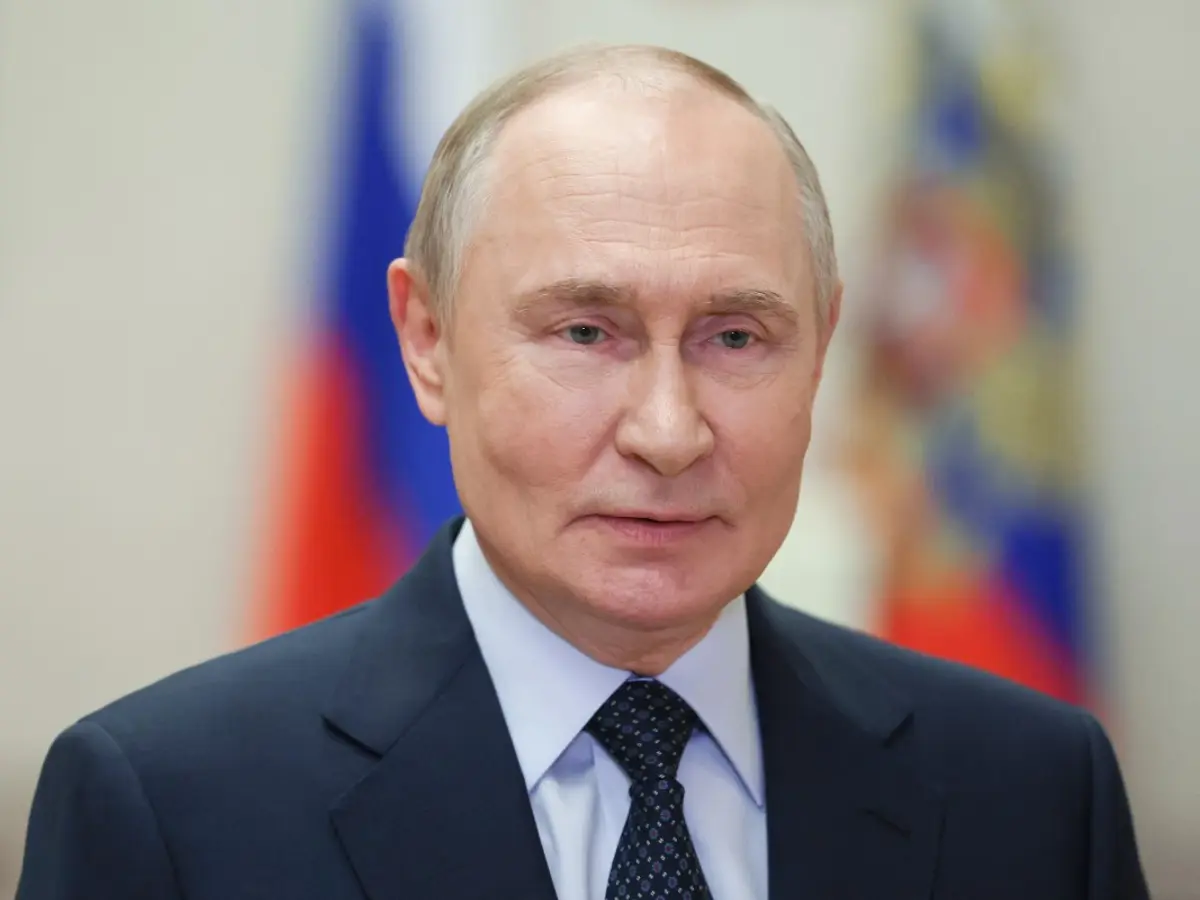
Putin Faces Western Isolation While Russia Builds Non-Western Ties
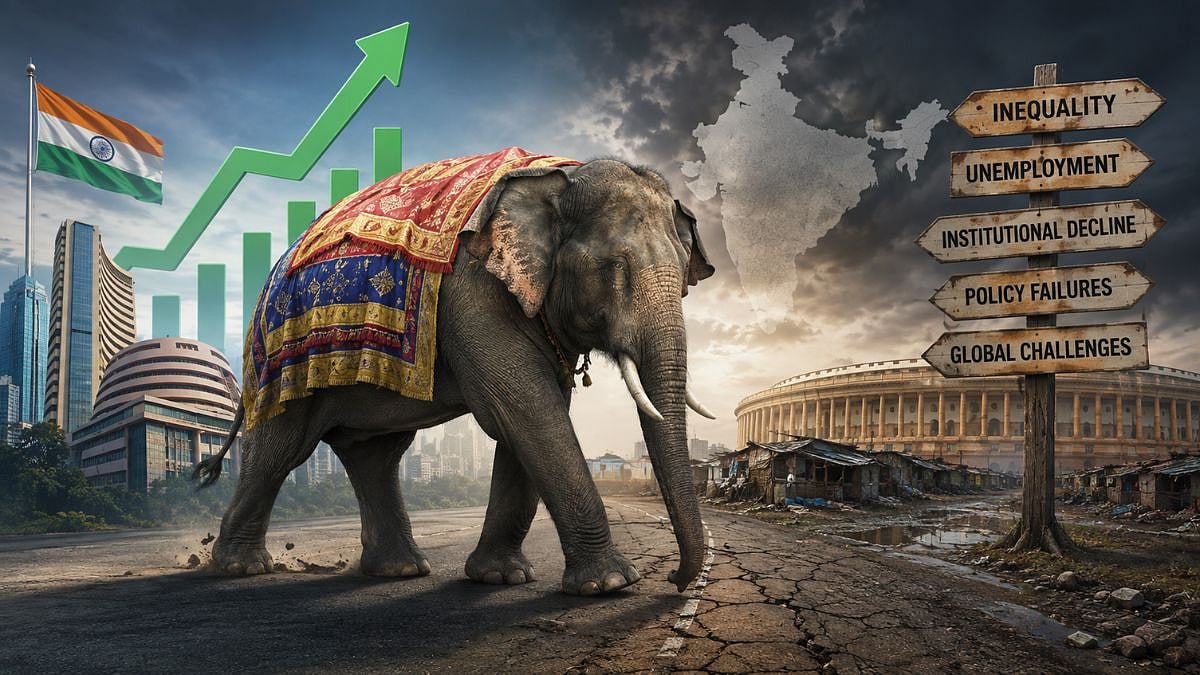
India’s Global Power Ambitions Face Economic and Democratic Setbacks
India’s 7.8% Growth Broad-Based, but Jobs Remain Challenge