

1 week ago
Why India, Pakistan and Afghanistan Need Dialogue for Regional Peace
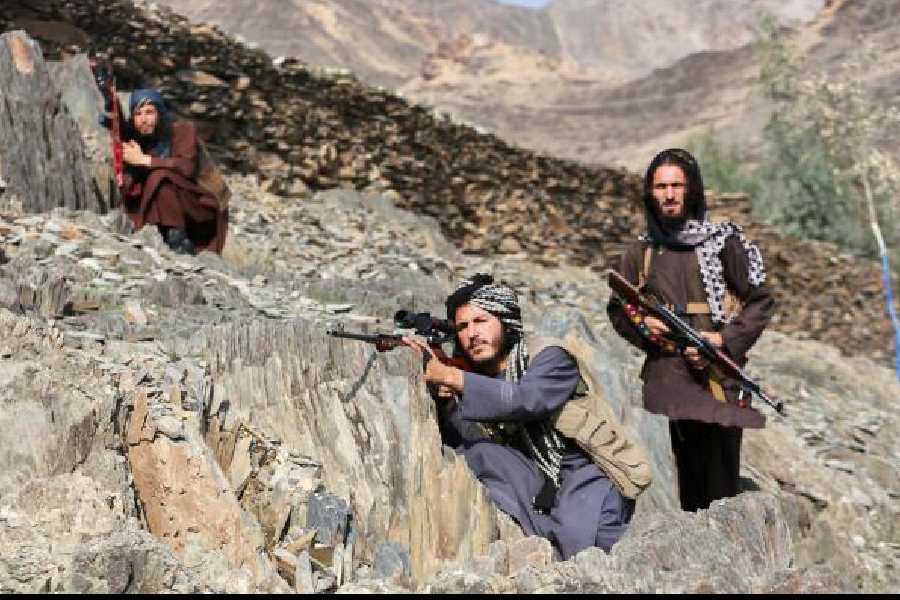
The article says India, Pakistan and Afghanistan need to talk more to make South Asia safer.
India and Pakistan have had a very difficult relationship for many years.
Some unofficial meetings may have kept communication open, but the author says only governments can restart formal talks.
The author believes India’s government has not resumed dialogue partly because of domestic politics.
Pakistan also says it faces terrorism coming from Afghanistan.
The article argues that the Taliban government has not done enough to stop this problem.
It also says people in Afghanistan are suffering because girls and women have fewer rights and poverty is high.
The author believes cooperation could help the region move beyond old conflicts.

The article argues that state-led dialogue between India and Pakistan is essential for regional stability and prosperity.
It says informal Track 1.5 and Track 2 meetings may keep communication open, but governments must restart the formal peace process.
The author believes domestic political considerations have discouraged Narendra Modi’s government from resuming talks with Pakistan.
Pakistan’s relations with Afghanistan have worsened over cross-border terrorism, which Pakistan attributes to the Taliban regime’s unwillingness to act.
The article says Taliban rule has restricted women’s rights, girls’ education, minority rights and other freedoms while worsening poverty in Afghanistan.
- Who
- India, Pakistan, Afghanistan, their governments, and the Taliban regime; the article is written by Pakistani journalist Mehmal Sarfraz.
- What
- The article calls for renewed dialogue among India, Pakistan and Afghanistan to improve regional peace and security.
- Where
- South Asia, involving India, Pakistan and Afghanistan.
- When
- The discussion refers to current tensions, meetings held over the past year, and August’s marking of five years of Taliban rule in Afghanistan.
- Why
- The author says dialogue is needed for regional stability and prosperity, while deteriorating India-Pakistan ties and terrorism linked to Afghanistan threaten the region.
Dialogue Advocates
Current Policies and Security Concerns
Resuming India-Pakistan talks
Dialogue Advocates
The author argues that dialogue is necessary because geography cannot be changed and regional stability is essential for prosperity.
Current Policies and Security Concerns
The article says Narendra Modi’s government has not been enthusiastic about resuming dialogue, which the author believes is linked to domestic political imperatives.
Key facts
- India-Pakistan relations
- The article describes the relationship as being at one of its lowest points.
- Informal diplomacy
- Track 1.5 and Track 2 meetings allegedly took place over the past year to maintain communication and assess relations.
- Formal dialogue
- The author says peace efforts must ultimately be restarted by the nation-states themselves.
- Indus Waters Treaty
- The article says India continues to hold the treaty in abeyance and argues that international law does not warrant this action.
- Pakistan-Afghanistan tensions
- Relations have deteriorated over cross-border terrorism that Pakistan says is emanating from Afghan soil.
- Afghanistan under Taliban rule
- The article says girls’ education, women’s empowerment, minority rights and other freedoms have been curtailed.
- Humanitarian conditions
- The article describes poverty as high and says many Afghans are struggling to survive.
Sources
Related news
Taliban’s Fragile Legitimacy Tests India’s Evolving Afghan Policy

Taliban Envoy Marks Victory Day in Delhi, Urges India Ties
Taliban Seeks Pakistan Dialogue, Denies Afghan Territory Used for Attacks
Iran War Stymies India-Taliban Relations Amid Regional Tensions
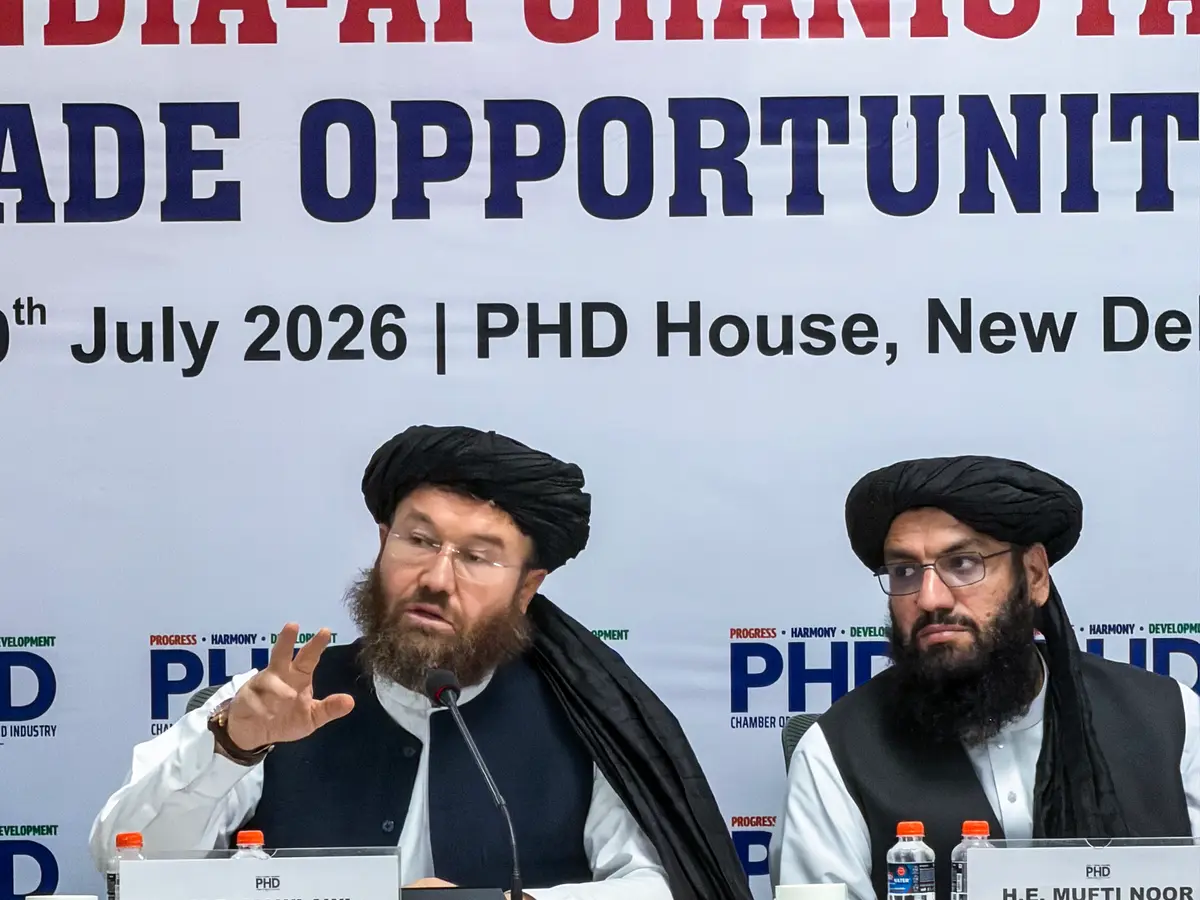
Taliban pushes for closer India ties at Victory Day event
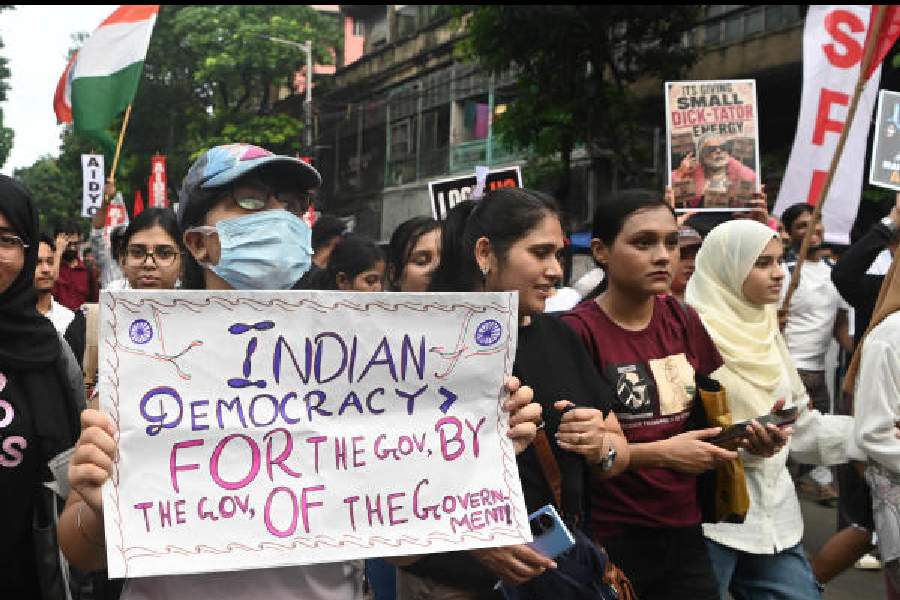
Letters Debate Protest Dating, Taliban Ties, Justice, and Insurance

GDP Row Escalates as Government Rebuts 2.6% Growth Claim

India’s Avocado Boom Turns Luxury Fruit into Farmer Opportunity
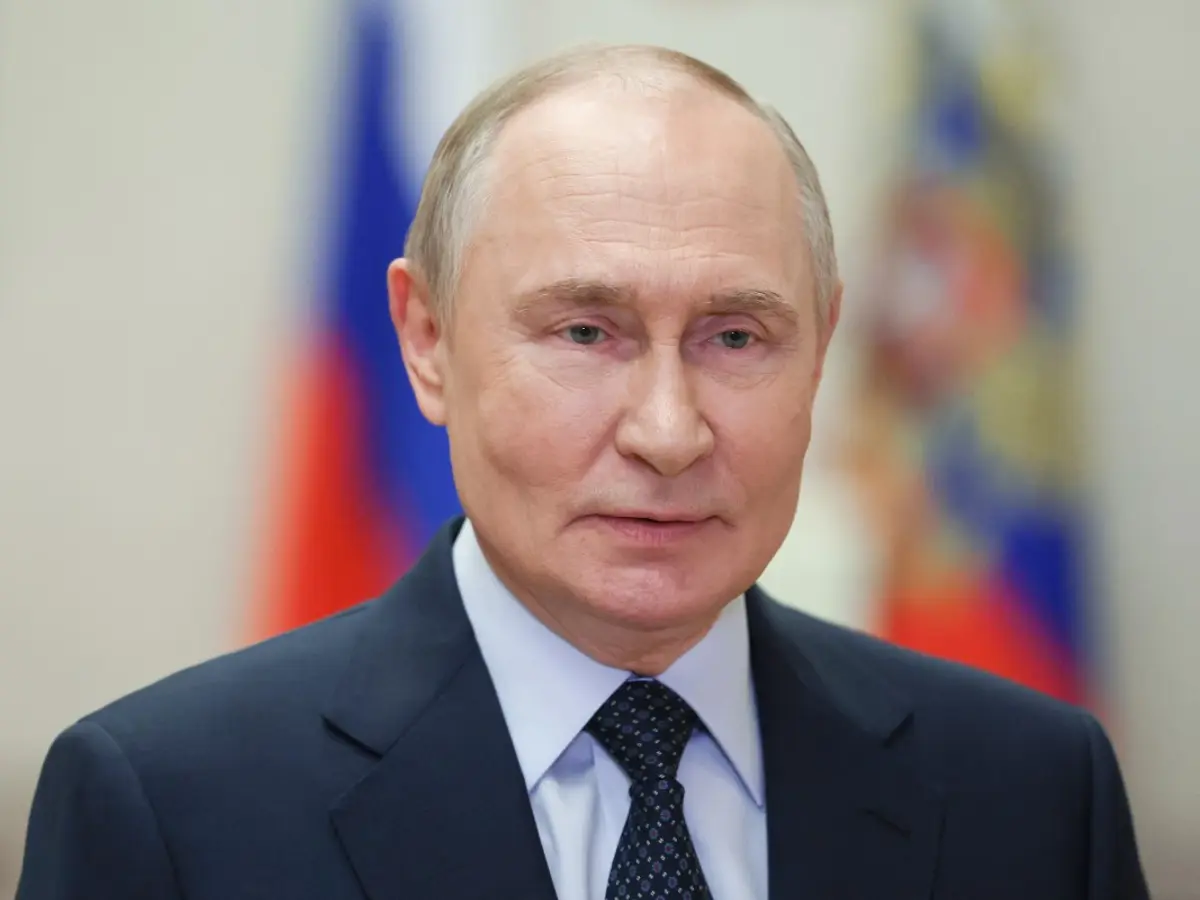
Putin Faces Western Isolation While Russia Builds Non-Western Ties
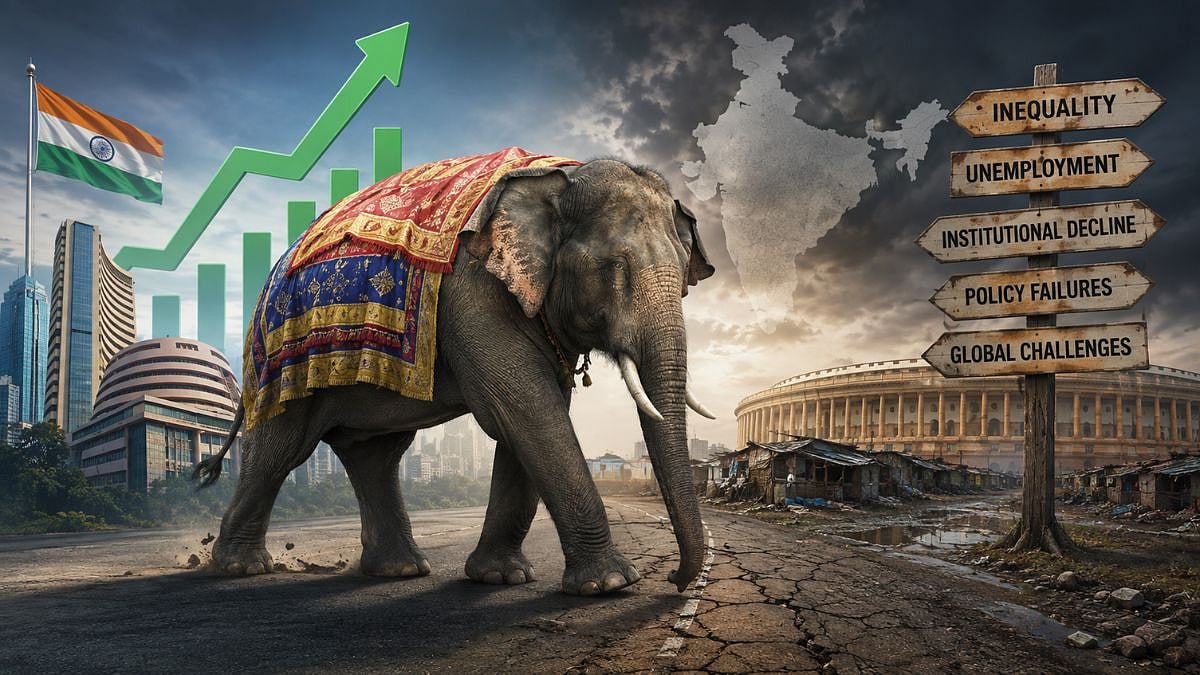
India’s Global Power Ambitions Face Economic and Democratic Setbacks
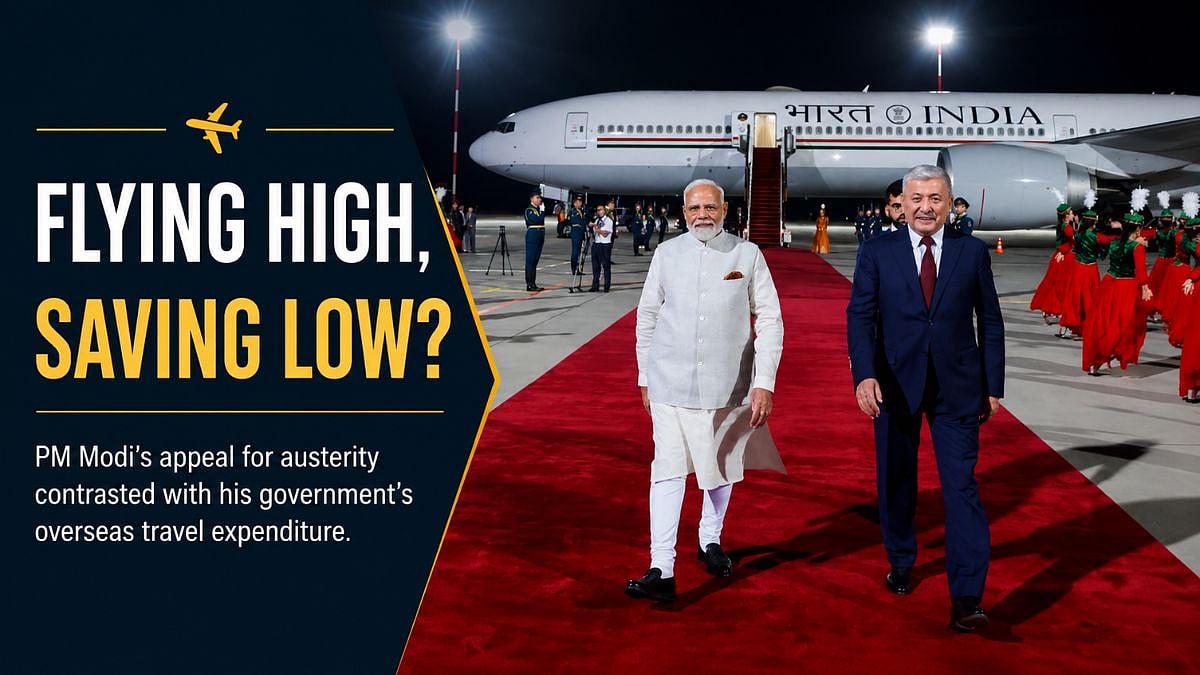
Modi’s Frugality Appeal Contrasts With Extensive Foreign Travel