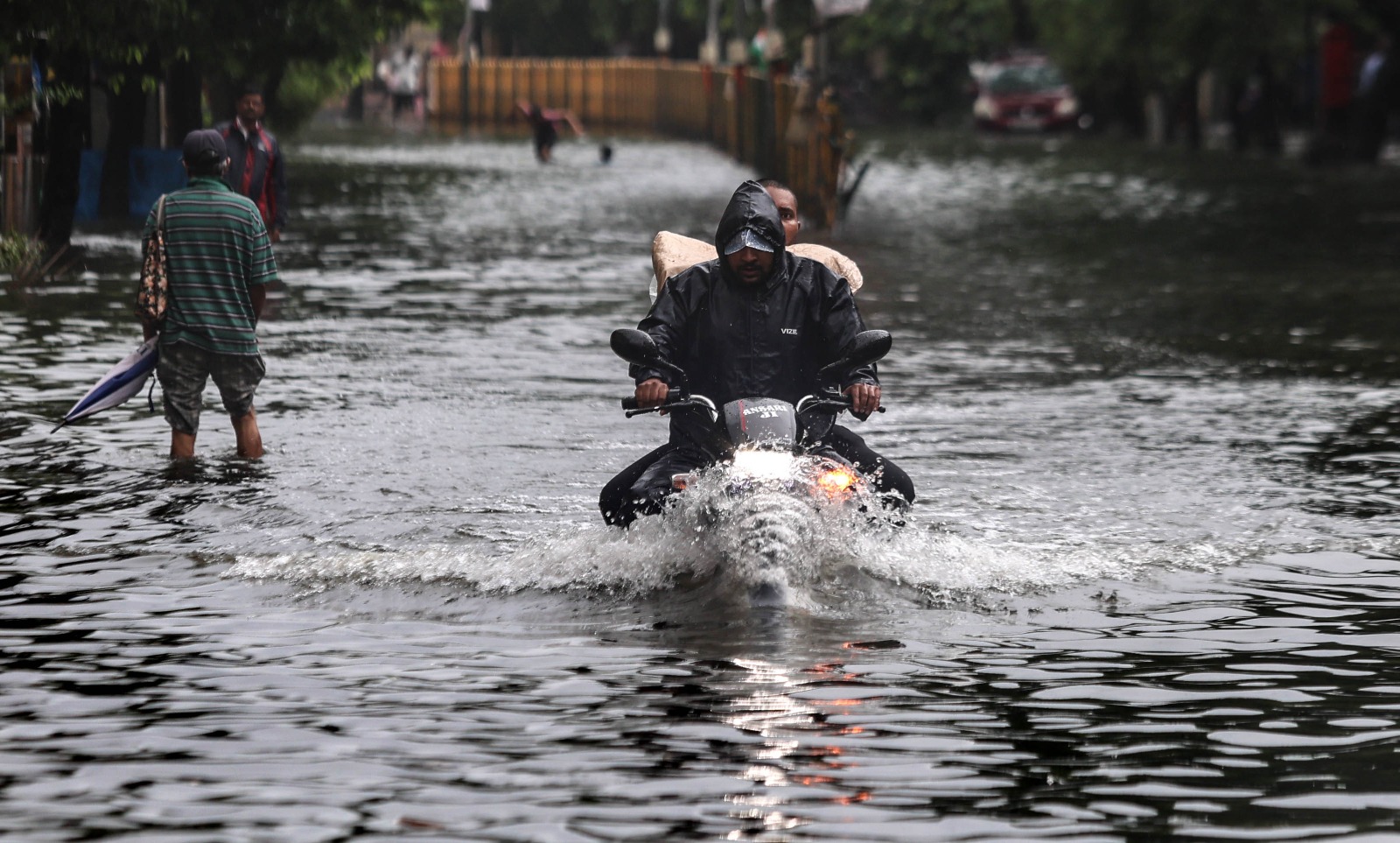
2 days ago
IMD Warns of Dry September as India’s Monsoon Weakens

India’s weather agency expects September to bring less rain than usual.
September is the last month of the southwest monsoon season.
Rainfall was already about 14% below normal between June and August.
The agency says the full monsoon could be deficient and possibly the weakest since 2009.
A weather pattern called El Niño may be making the monsoon weaker.
Some areas in northwest, northeast, east, east-central and southeast peninsular India may still receive normal or above-normal rain.
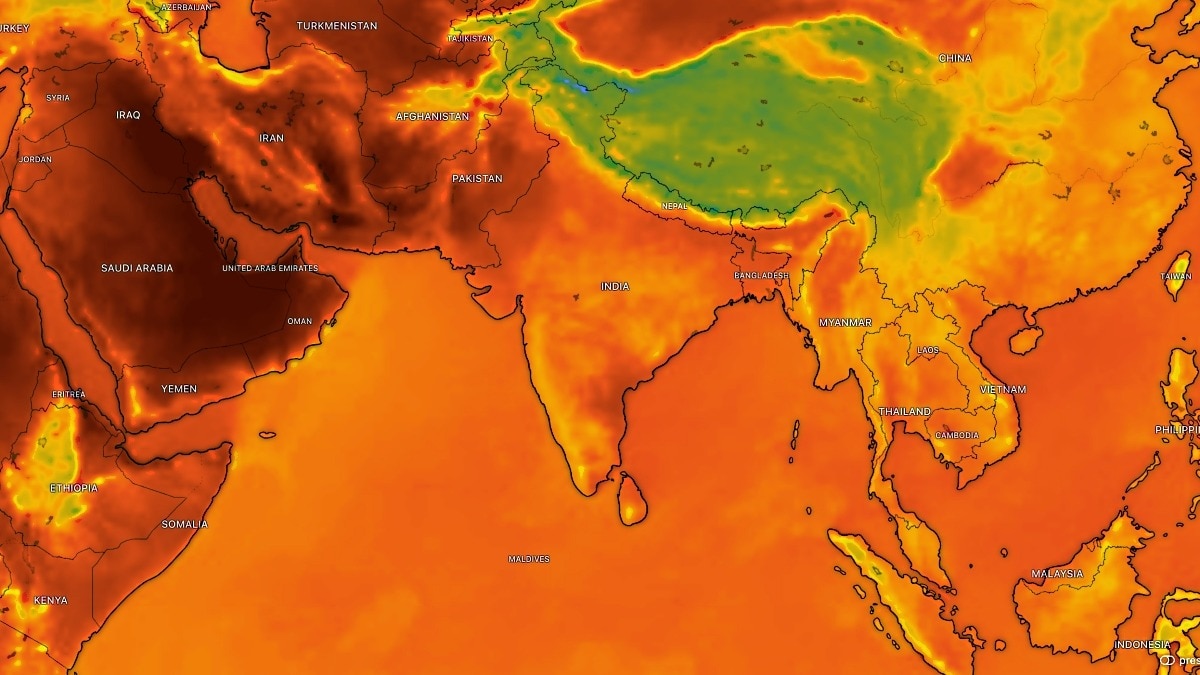
August was India’s warmest August on record since 1901, according to the reports.
Farmers have planted most kharif crops, but crops may need more irrigation if September is dry.
Uneven rain could especially affect pulses, oilseeds and other standing crops.

The India Meteorological Department forecasts below-normal rainfall across most of India in September, the monsoon’s final month.
Cumulative rainfall was 13.8% below the long-period average from June 1 through August 31.
The 2026 monsoon could finish below 90% of the benchmark, potentially making it India’s weakest since 2009.
About 350 districts reported deficient to large-deficient rainfall, although the articles differ on whether 740 or 741 districts were assessed.
Patchy September rain and higher temperatures could reduce kharif yields and increase irrigation costs for farmers.
- Who
- The India Meteorological Department, led in the briefing by Director General Mrutyunjay Mohapatra, issued the forecast; Indian farmers and kharif crops may be affected.
- What
- The agency forecasts below-normal September rainfall and says the 2026 monsoon could be deficient overall and potentially the weakest since 2009.
- Where
- Most parts of India may receive below-normal rain, while parts of northwest, northeast, east, east-central and southeast peninsular India may receive normal to above-normal rainfall.
- When
- The forecast was reported on September 1, 2026, and covers September, the final month of the June-September monsoon season.
- Why
- The IMD cited moderate to strong, strengthening El Niño conditions over the equatorial Pacific; the reports also said neutral Indian Ocean Dipole conditions were not expected to provide a significant boost.
Key facts
- September forecast
- Rainfall is expected to be below normal, defined as less than 91% of the long-period average.
- September benchmark
- The long-period average for September is about 167.9 millimetres.
- Seasonal deficit
- Rainfall was 13.8% below the benchmark from June 1 through August 31; one report rounds this to 14%.
- Monthly rainfall
- June rainfall was 36% below average, July was 1% above average, and August was 16.3% below average.
- Regional distribution
- Central India was 3.8% below average; northwest India was 10.7% below, east and northeast India 25.7% below, and south peninsular India 24.2% below.
- District distribution
- About 350 districts recorded deficient to large-deficient rainfall, while more than 370 recorded normal to large-excess rainfall. The reports differ slightly on whether 740 or 741 districts were assessed.
- Kharif sowing
- Kharif crops had been sown across 107.1 million hectares by August 28, about 1.7% below the area recorded a year earlier.
- Temperature record
- August’s mean minimum temperature was reported as 28.01°C, making it the warmest August recorded in India since 1901.
Quotes
India Meteorological Department
India’s national weather forecasting agency
“Most parts of the country are expected to receive deficit rainfall in September, except some areas in east, northeast and central India”
 financialexpress.com
“Spatially, many parts of the country are likely to receive below-normal rainfall.”
 news18.com
A government official
Unnamed official commenting on the effects of rainfall on kharif crops
“Patchy rainfall across several regions is expected to hit kharif crop yield, while overall rainfall in September would be crucial for the yield of several crops including pulses and oilseeds”
financialexpress.com
Sources
Related news

IMD Warns September Rainfall Will Remain Below Normal
El Niño Threatens India’s September Rainfall After Hottest August

Below-normal September rains threaten crops, inflation and rural demand
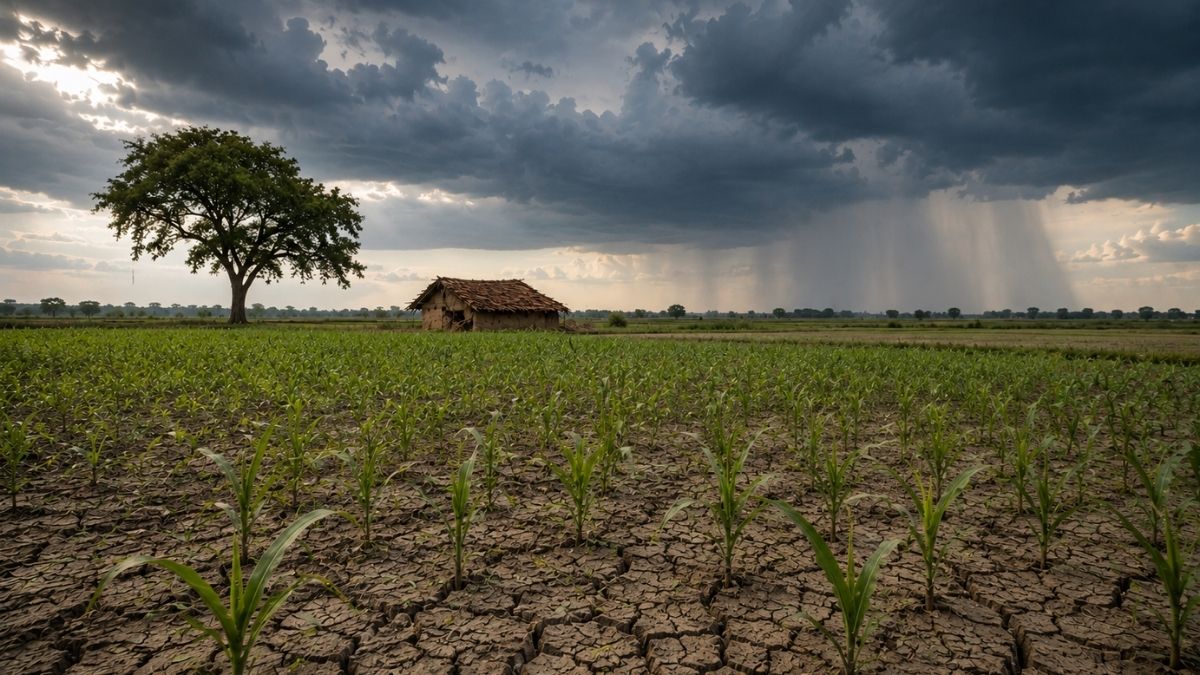
India’s Monsoon Faces 15% Deficit as El Niño Strengthens
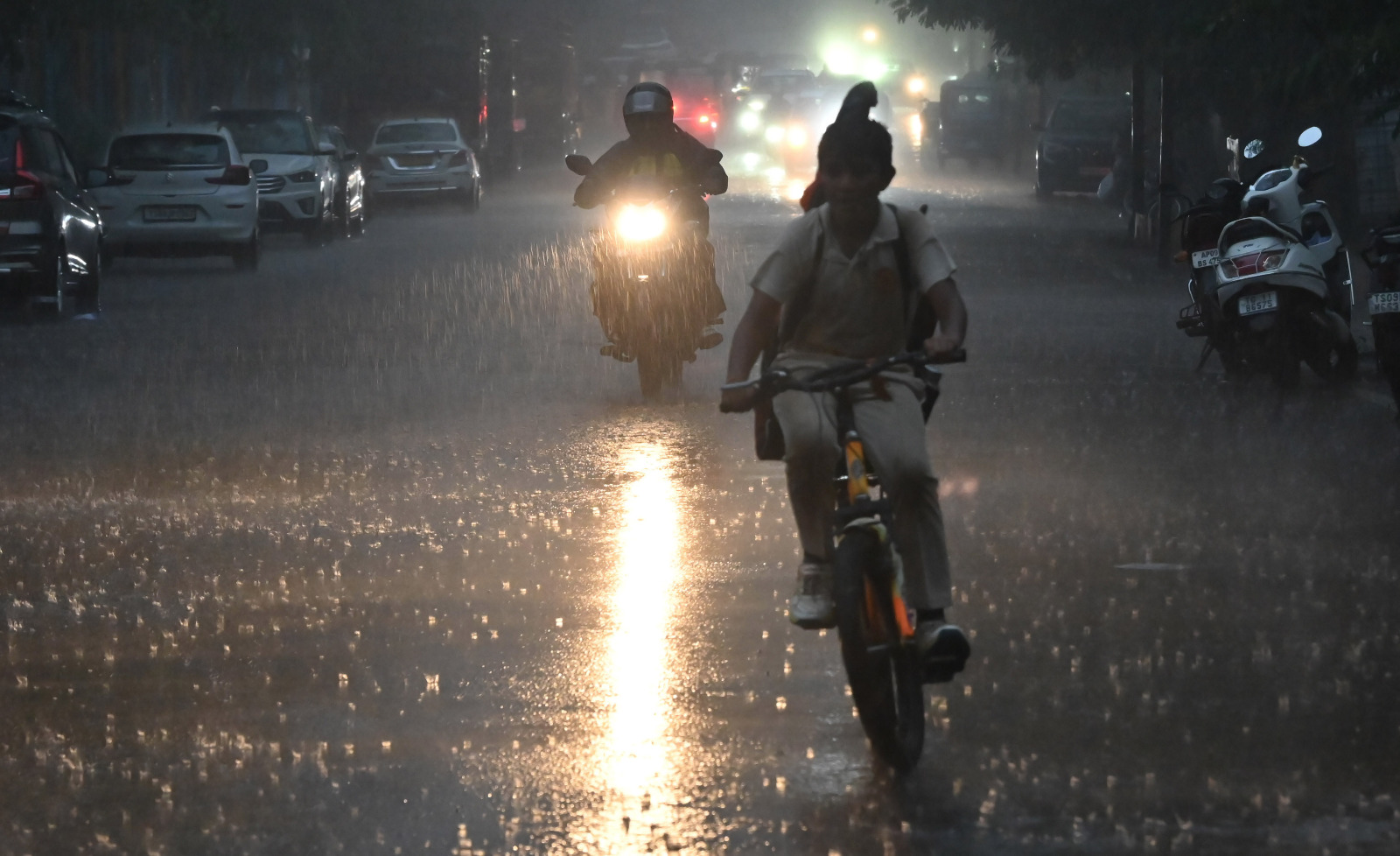
IMD Forecasts Below-Normal September Rainfall for Andhra Pradesh
IMD Forecasts Poor, Below-Normal September Rains for Telangana
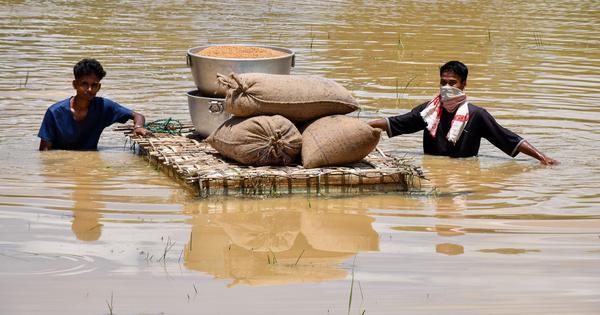
Super El Niño May Bring India Drier, More Dangerous Monsoons
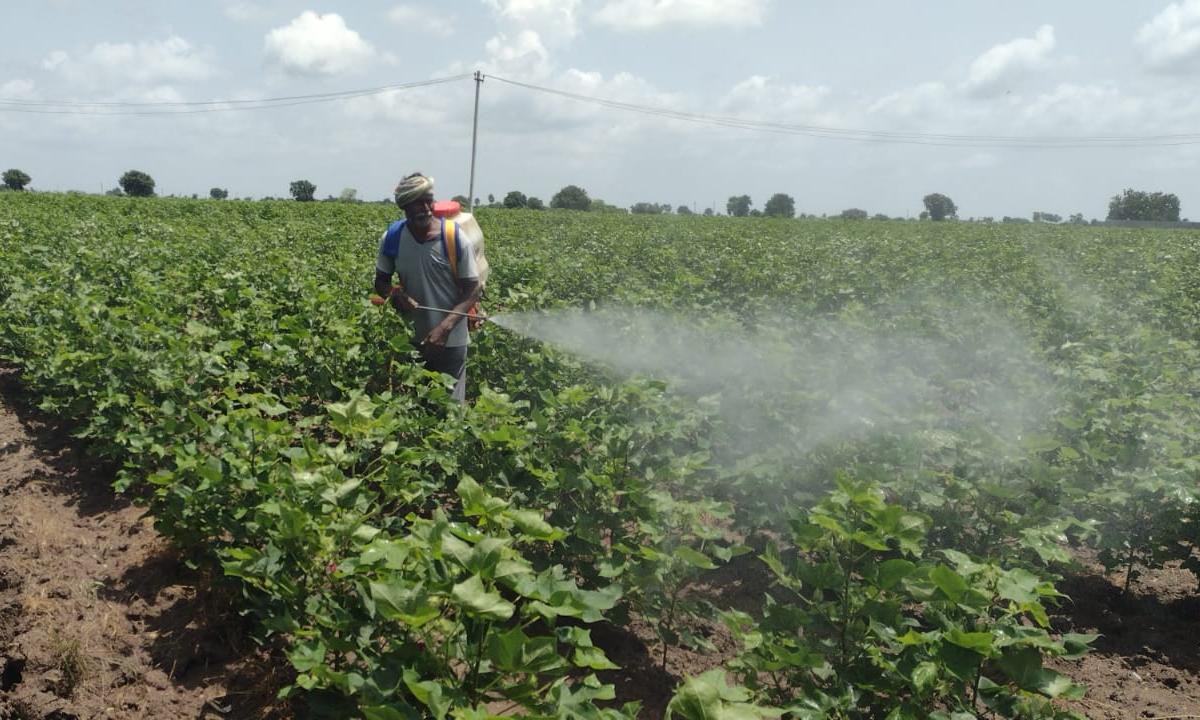
Dry Spell Threatens Cotton Yields Across Karimnagar District

El Nino Raises Drought Risk in Andhra Pradesh, Minister Warns

Indonesian Fires Trigger Regional Haze Alerts, School Closures
Grand Canyon Flash Flood Kills Two, Leaves More Missing