4 days ago
Barrukhar Village Challenges India’s Protected Vulture Conservation Model
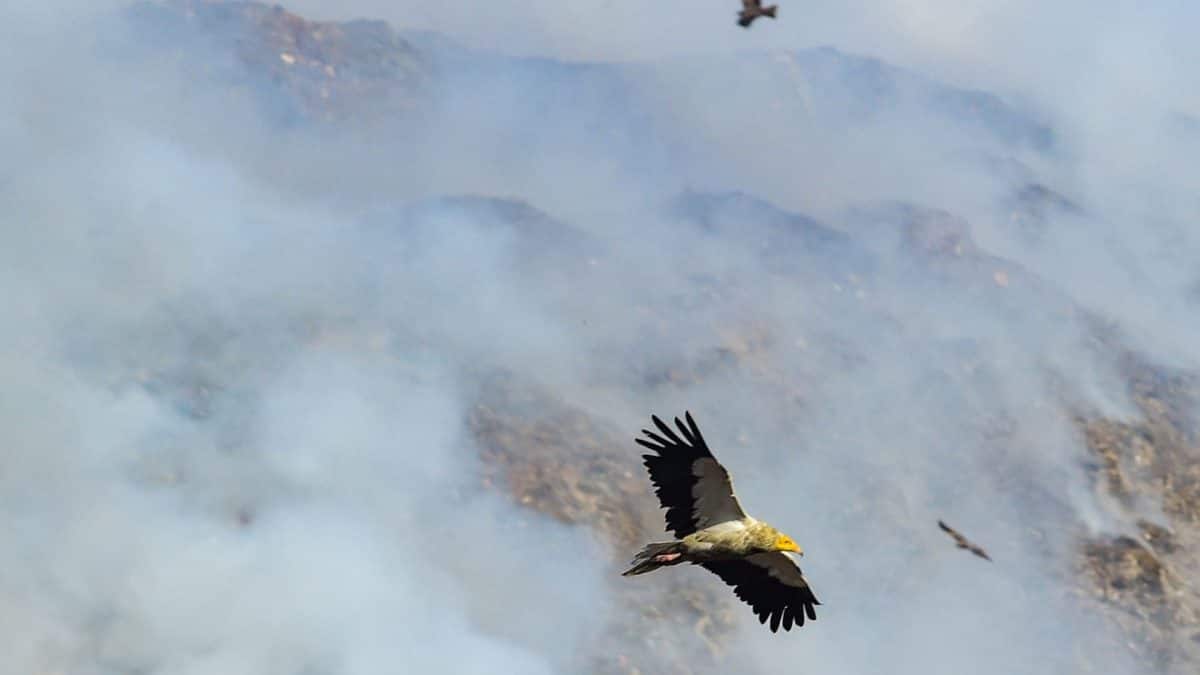
Vultures help clean up dead animals, but many of India’s vultures have disappeared.
Most surviving nests are inside protected parks and sanctuaries.
Barrukhar is different because it is an ordinary farming village without protected status.
In the 2025-26 breeding season, it had 36 active White-rumped Vulture nests.
More than 87% of the nests successfully produced chicks.
Some medicines used for farm animals can poison vultures, even after certain drugs were banned.
Pesticides, power lines and people disturbing nests are also dangers.
A nearby colony disappeared after residents chased the birds away.
This suggests that people’s willingness to live alongside vultures may be as important as official protected-area boundaries.

India’s first nationwide vulture census surveyed 216 sites across 17 states between 2023 and 2025.
About 70% of historical nesting sites surveyed were inactive, with fewer than 2,500 active nests remaining nationwide.
Barrukhar recorded 36 active White-rumped Vulture nests in 2025-26, with more than 87% successfully fledging chicks.
Vulture threats include veterinary drugs, pesticide poisoning, power lines and disturbance at nesting sites.
The village’s success contrasts with a nearby colony that stopped nesting after residents drove vultures away over concerns about crop damage.
- Who
- Barrukhar villagers, forest officials and WWF-India researchers are involved in the reported conservation effort; India’s Gyps vultures are the affected wildlife.
- What
- Barrukhar is supporting a successful White-rumped Vulture colony despite having no protected status, while a national census found widespread nesting declines.
- Where
- Barrukhar is a farming village in Madhya Pradesh’s Obaidullaganj Forest Division; the census covered 216 sites across 17 states.
- When
- The nationwide census took place from 2023 to 2025; Barrukhar’s reported figures are from the 2025-26 breeding season.
- Why
- The village’s results raise questions about whether vulture recovery depends only on protected areas, or also on local residents tolerating and protecting nesting birds.
Protected-Area Approach
Community-Based Approach
What protects vultures
Protected-Area Approach
The national census shows that just over half of surviving nests are inside protected areas, suggesting legal protection has helped vultures hold their ground.
Community-Based Approach
Barrukhar has no protected status but is outperforming many protected sites, suggesting local acceptance and behavior can be equally important.
Managing threats
Protected-Area Approach
Protected areas can fence off habitat and station guards, offering formal control over nesting areas and other risks.
Community-Based Approach
Formal boundaries cannot by themselves stop harmful medicines, poisoned carcasses, power-line collisions or residents from driving birds away.
Conservation strategy
Protected-Area Approach
Bans on vulture-toxic veterinary drugs remain a central response to the decline caused by diclofenac and related medicines.
Community-Based Approach
Researchers and conservationists argue that enforcement, pharmacy monitoring, flight-path protection and understanding local attitudes must accompany drug bans.
Key facts
- National census
- India’s first nationwide vulture census covered 216 sites in 17 states between 2023 and 2025.
- Inactive sites
- Roughly seven in ten historical nesting sites surveyed had no vultures or nests.
- Remaining nests
- Fewer than 2,500 active nests and about 4,800 breeding adults remain across four Critically Endangered Gyps species.
- Protected-area share
- Just over half of surviving nests were found inside protected areas.
- Barrukhar nests
- WWF-India and the state forest department counted 36 active White-rumped Vulture nests in the 2025-26 season.
- Breeding success
- More than 87% of Barrukhar’s nests successfully fledged chicks.
- Drug-related risks
- Diclofenac was banned for livestock use in 2006; aceclofenac and ketoprofen were banned for veterinary use in August 2023, and nimesulide in December 2024.
Sources
Related news

India Builds Vulture Restaurants to Aid Vanishing Scavengers
Assam releases captive-bred vultures into wild in global first

Vulture Release Revives Calls To Restore Mumbai's Tower Of Silence

BNHS sterilises over 2,950 dogs to save black-necked cranes
These 7 Indian Species Get Strongest Wildlife Protection
Gujarat releases 20 blackbucks in Banni Grasslands on Independence Day
Great Nicobar Lighthouse Study Accused Of Listing Fake Species

Environmentalists Seek Fast Conservation Status for Navi Mumbai’s DPS Lake
Madhya Pradesh Maps Snake Diversity Amid Rising Bite Concerns