3 weeks ago
These 7 Indian Species Get Strongest Wildlife Protection
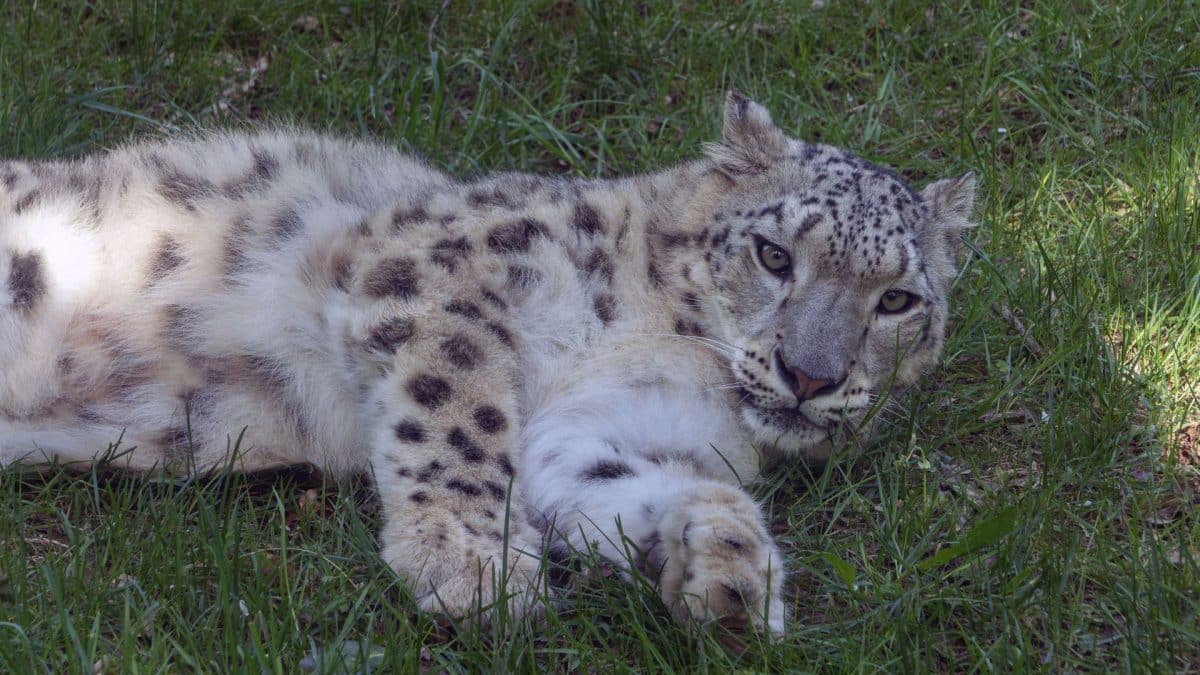
India has a law called the Wildlife Protection Act that helps protect wild animals.
The law puts animals into lists called schedules, and Schedule I is the most important list.
Animals on this list get the strongest protection from the law, and hurting them is against the rules.
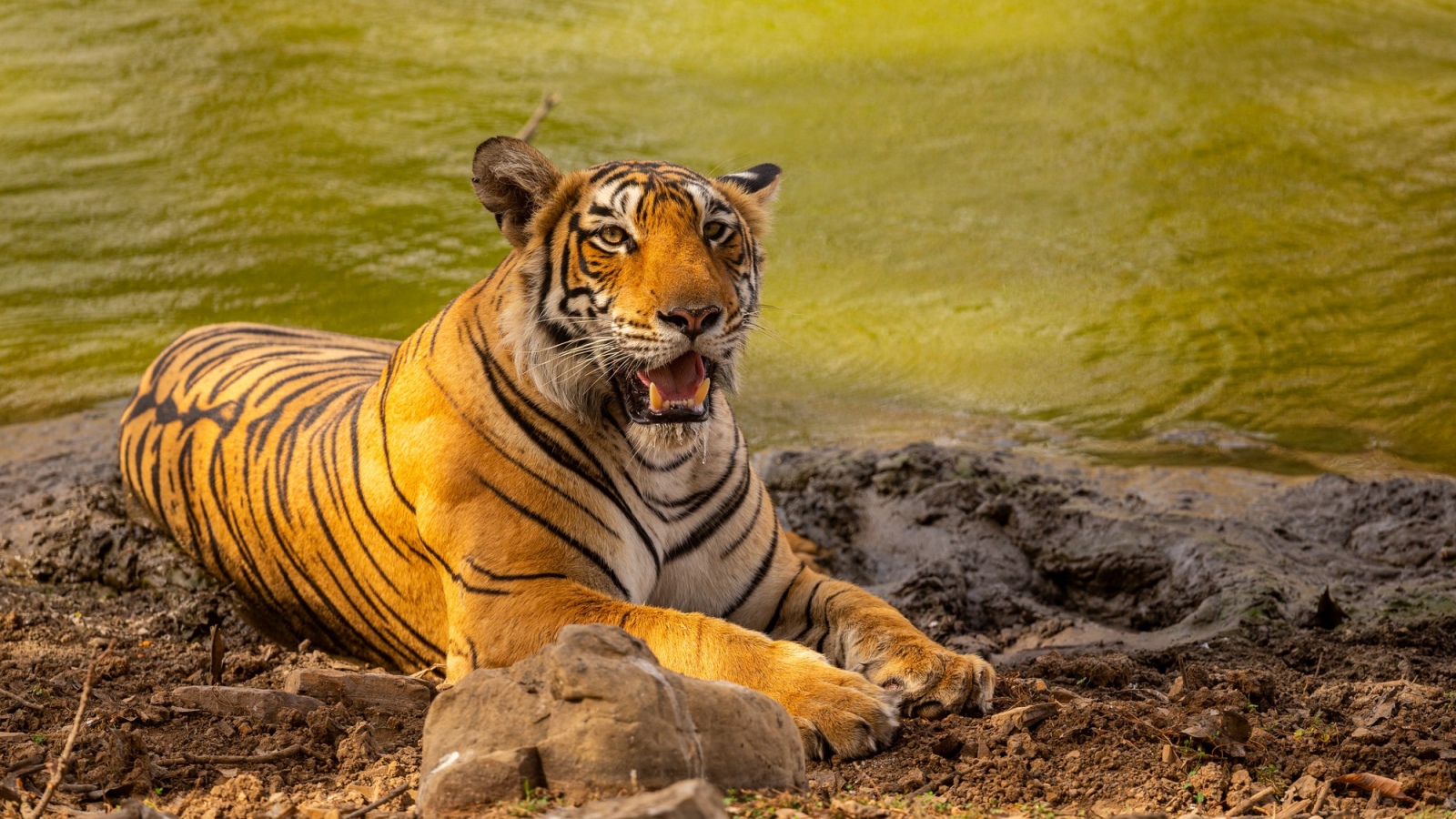
Seven Indian animals are on this top list: the Bengal tiger, Asiatic lion, snow leopard, Indian rhinoceros, gharial, lion-tailed macaque and great Indian bustard.
These animals face dangers like hunting, losing their homes and illegal trading.
The Asiatic lion lives in only one small part of India called Gir, which makes it very fragile.
The gharial is a river reptile, so it needs clean rivers to survive.
The great Indian bustard is a big flying bird that sometimes hits power lines.
A wildlife expert named Indrajeet Ghorpade says the law alone is not enough.
He says animals also need safe places to live, connected habitats and protection from poaching.
He believes that if we protect habitats and reduce human pressure, wildlife will recover and thrive again.

India's Wildlife (Protection) Act, 1972, as amended in 2022, gives Schedule I status to species deemed most vulnerable to poaching, habitat loss and illegal trade, banning their hunting, capture and trade except under narrow authorised exceptions.
Schedule I violations carry penalties including up to three years' imprisonment, fines starting at ₹25,000 and tougher bail conditions than most other wildlife offences.
The seven species covered are the Bengal tiger, Asiatic lion, snow leopard, Indian rhinoceros, gharial, lion-tailed macaque and great Indian bustard.
The Asiatic lion's entire wild population is confined to the Gir landscape of Gujarat, while the great Indian bustard faces increasing threats from collisions with power transmission lines in Rajasthan's Thar landscape.
Wildlife photographer and environmentalist Indrajeet Ghorpade says legal listing is only a starting point, and real protection needs habitat expansion, wildlife corridors, monitoring, rewilding and stronger action against poaching and illegal trade.
Ghorpade calls Project Tiger, launched in 1973, the most successful conservation programme till date, but notes rising tiger numbers now create problems of territory saturation and fewer safe havens.
- Who
- India's wildlife authorities and seven protected species, with comments from wildlife photographer and environmentalist Indrajeet Ghorpade
- What
- The Bengal tiger, Asiatic lion, snow leopard, Indian rhinoceros, gharial, lion-tailed macaque and great Indian bustard are listed under Schedule I, the highest protection level of the Wildlife (Protection) Act
- Where
- India, including the Gir landscape of Gujarat, the Western Ghats, Himalayan landscapes and Rajasthan's Thar landscape
- When
- Under the Wildlife (Protection) Act, 1972, as amended in 2022 (no specific event date given)
- Why
- To protect species facing poaching, illegal wildlife trade, habitat loss and fragmentation, climate change, shrinking prey and other intensifying threats
Conservation and legal listing advocates
Infrastructure and development interests
Power transmission lines vs. great Indian bustard protection
Conservation and legal listing advocates
Schedule I species like the great Indian bustard should be protected from collisions with power transmission lines that cut through their grassland range, making infrastructure a leading threat that requires mitigation.
Infrastructure and development interests
Infrastructure such as power transmission lines continues to be built across grassland ranges, and the article notes this has become a leading threat to the bustard, reflecting ongoing development pressure.
Key facts
- Law
- Wildlife (Protection) Act, 1972 (amended 2022)
- Protection status
- Schedule I - highest level of protection
- Protected species
- Bengal tiger, Asiatic lion, snow leopard, Indian rhinoceros, gharial, lion-tailed macaque, great Indian bustard
- Penalties for violations
- Up to 3 years' imprisonment; fines from ₹25,000; tougher bail conditions
- Most restricted range
- Asiatic lion - Gir landscape, Gujarat
- Infrastructure threat
- Power line collisions for great Indian bustard in Rajasthan's Thar landscape
- Expert cited
- Indrajeet Ghorpade, wildlife photographer and environmentalist
- Successful conservation programme
- Project Tiger, launched 1973 - called by Ghorpade the most successful conservation programme till date
Quotes
Indrajeet Ghorpade
Indian wildlife photographer and environmentalist
“Schedule 1 means they need special protection. By way of additional forest force, monitoring, captive breeding and reduction of human footprint.”
 indianexpress.com
“If we preserve and protect the habitats, reduce poaching and human presence, wildlife and all life forms will rebound and revive.”
indianexpress.com
Sources
Related news
World Elephant Day 2026: India's best parks to see elephants
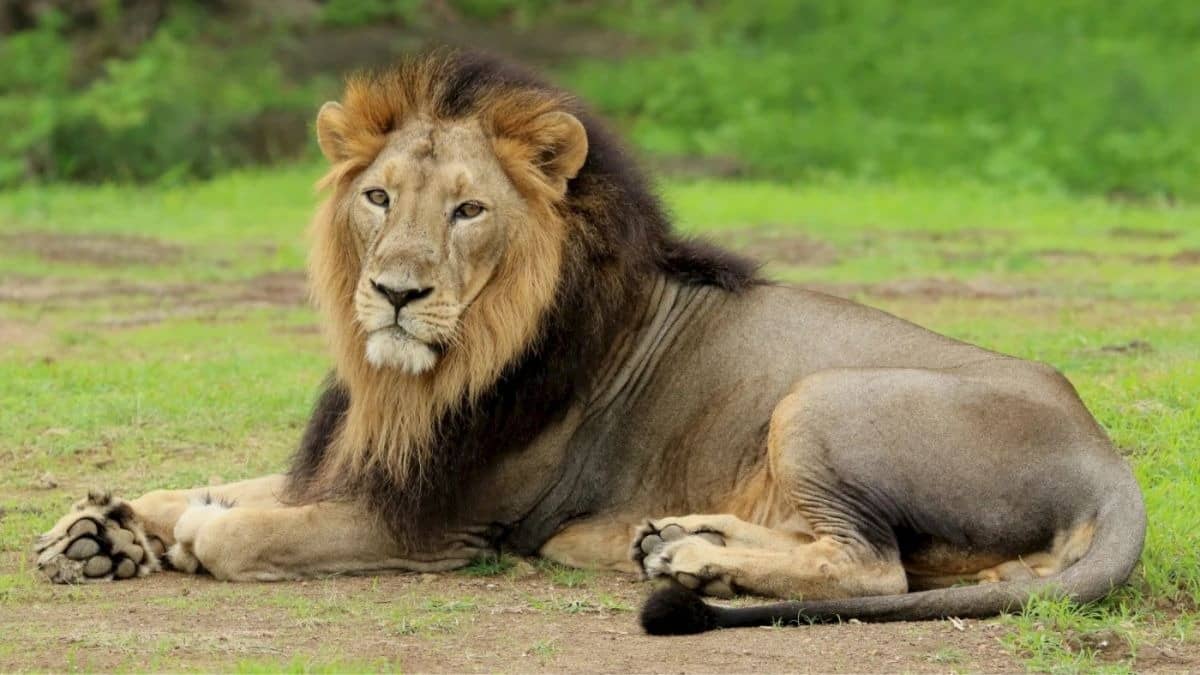
India's Asiatic lion population rises to 891, union minister says

India Expands Wildlife Healthcare Into Global Conservation

Gujarat builds enclosure at Ambardi Safari Park for attacking lions
Barrukhar Village Challenges India’s Protected Vulture Conservation Model
Rare Eurasian lynx photographed for first time in Sikkim
Ladakh to Get India's First Snow Leopard Safari

Ladakh Launches India's First Snow Leopard Safari at 10,000 Feet

Ladakh approves India's first high-altitude wildlife safari for snow leopards