9 hrs ago
India Builds Vulture Restaurants to Aid Vanishing Scavengers

Vultures eat dead animals and help keep nature clean.
In India, their numbers have fallen dramatically.
One major cause was a veterinary medicine called diclofenac, which poisoned vultures when they ate treated animals.
The medicine was banned for veterinary use in 2006, but vultures still face many dangers.
They are losing places to nest and often cannot find safe food.
A “vulture restaurant” is a protected place where people put out livestock carcasses that have been checked for harmful drugs.
Assam plans to open its first such site near Kulsi.
Conservationists hope it will help wild and captive-bred vultures survive.
Villagers will also help protect nests, trees and safe feeding areas.

Assam is preparing its first managed vulture restaurant near Kulsi, where screened, drug-free livestock carcasses will be provided.
India’s vulture population fell by more than 97 to 99 percent from nearly four crore birds in the 1980s.
Veterinary diclofenac caused widespread kidney failure and was banned in India in 2006, but other threats remain.
Habitat loss, starvation, poisoning, electrocution, unsafe drugs and disappearing nesting sites continue to endanger vultures.
Conservationists say feeding stations, captive breeding and village participation are needed to help restore vulture populations.
- Who
- Vultures, conservationists, villagers and government-supported breeding programmes are involved; Dr Sachin P Ranade is quoted explaining the effort.
- What
- Assam is preparing a managed feeding station, or “vulture restaurant,” to provide vultures with safe, uncontaminated carcasses.
- Where
- The planned site is in the Kulsi landscape of Assam, under the guidance of the Vulture Conservation Breeding Centre, Rani.
- When
- The project is being prepared now; India banned veterinary diclofenac in 2006, and Assam released its first captive-bred White-rumped Vultures earlier this year.
- Why
- The station is intended to reduce starvation and exposure to toxic drugs while supporting breeding and the survival of declining vulture populations.
Key facts
- Historical population
- India’s vulture population was estimated at nearly four crore in the 1980s.
- Population decline
- Vulture numbers fell by more than 97 to 99 percent within a few decades.
- Most affected species
- The White-rumped Vulture suffered a decline of nearly 99.9 percent.
- Diclofenac ban
- India banned veterinary diclofenac in 2006.
- Nesting sites
- A nationwide assessment found that nearly 70 percent of historically recorded nesting sites had disappeared; about 120 of 425 documented sites remain active.
- Planned Assam facility
- Kulsi is expected to receive Assam’s first vulture restaurant, where villagers can deposit livestock carcasses in designated toxin-free areas.
- Ecological role
- Vultures rapidly consume carcasses and can neutralize pathogens that threaten other animals.
Quotes
Dr Sachin P Ranade
Assistant Director of the Bombay Natural History Society and senior centre manager of VCBC, Rani
“Feeding stations provide uncontaminated carcasses close to nesting habitats. The idea is to prevent starvation deaths, improve breeding outcomes and stabilise surviving populations.”
 thebetterindia.com
“Breeding can be successful, but unless there are safe feeding landscapes outside, their survival remains uncertain.”
thebetterindia.com
Sources
Related news
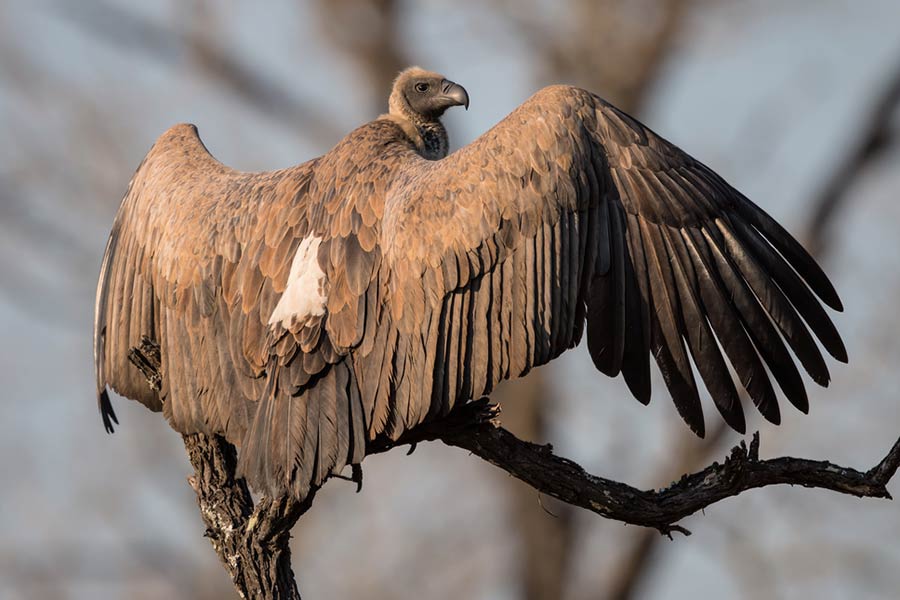
Assam releases captive-bred vultures into wild in global first
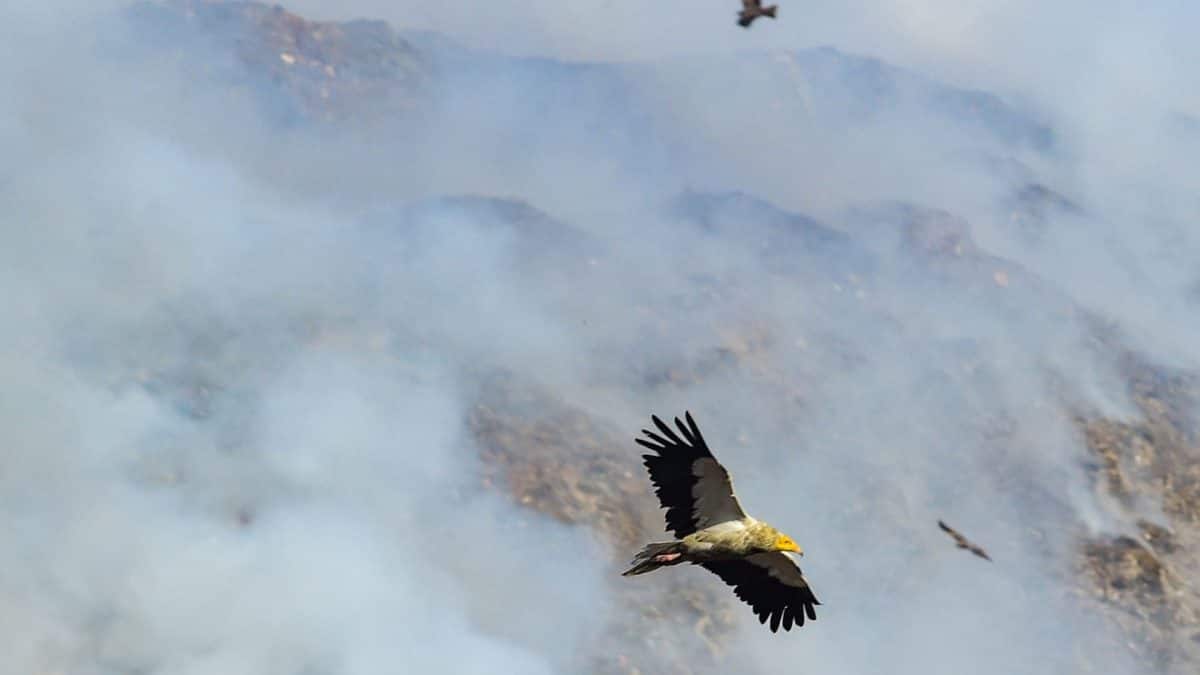
Barrukhar Village Challenges India’s Protected Vulture Conservation Model

Vulture Release Revives Calls To Restore Mumbai's Tower Of Silence

BNHS sterilises over 2,950 dogs to save black-necked cranes
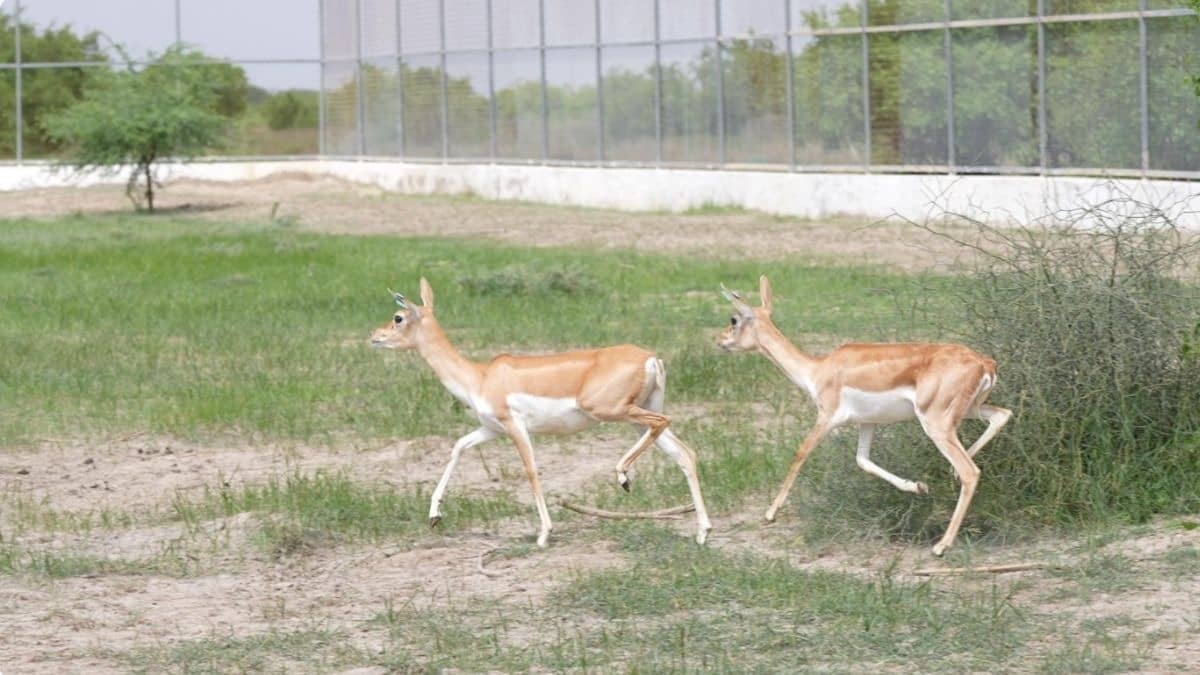
20 Blackbucks Rewilded in Banni Grassland to Restore Native Wildlife
Great Nicobar Lighthouse Study Accused Of Listing Fake Species

Environmentalists Seek Fast Conservation Status for Navi Mumbai’s DPS Lake
Madhya Pradesh Maps Snake Diversity Amid Rising Bite Concerns