6 days ago
Madhya Pradesh Maps Snake Diversity Amid Rising Bite Concerns
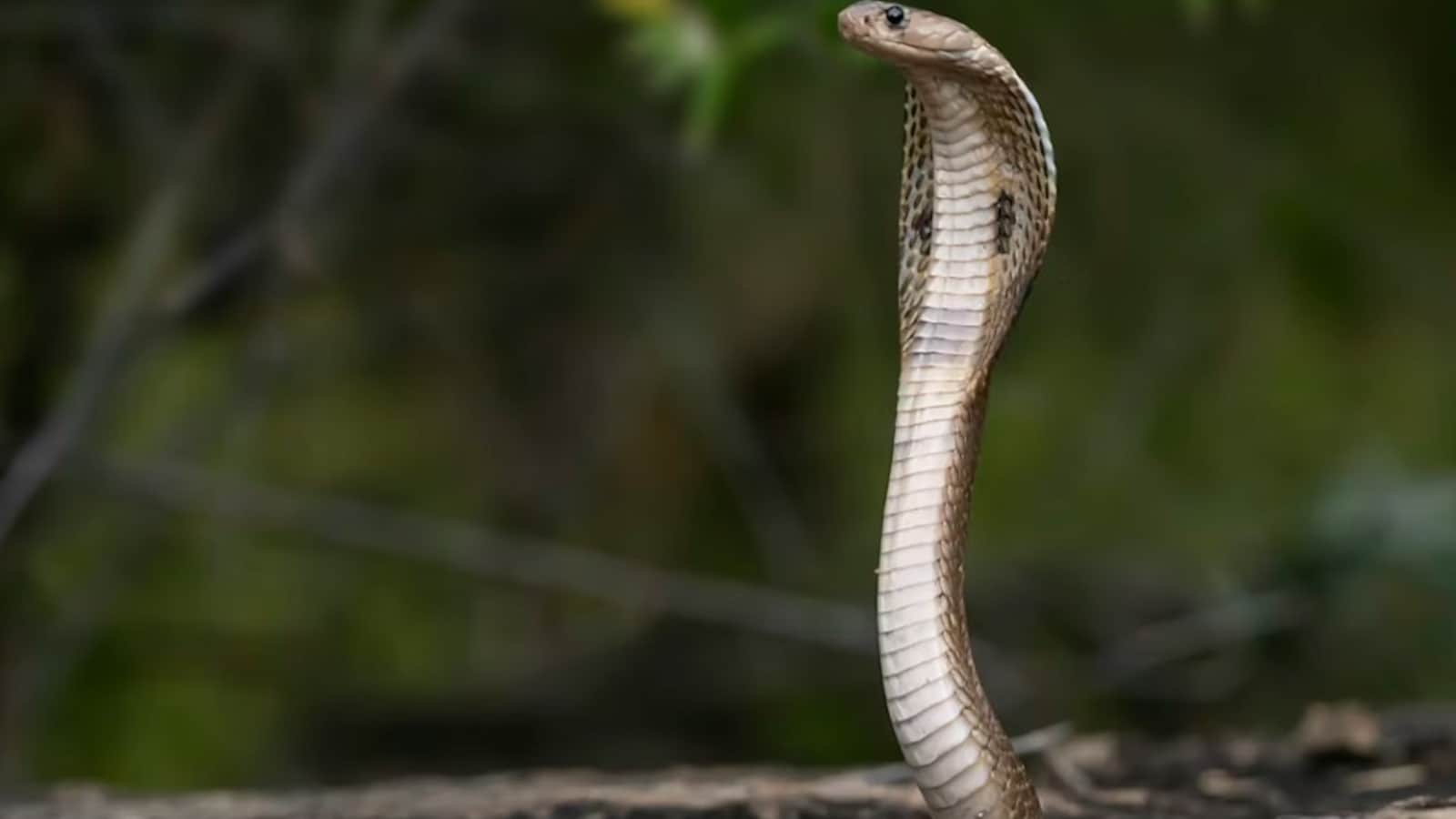
Madhya Pradesh is studying its snakes instead of trying to count every snake.
Scientists are checking which kinds of snakes live in different forests and how often they are seen.
They work with forest guards who take GPS-tagged photographs of snakes.
Teams also search for snakes in the morning and at night and look along forest roads.
The state has about 50 snake species, but only nine are venomous.
Snakebite cases recorded by the government increased greatly between 2022 and 2024.
Scientists may attach small radio transmitters to some snakes to learn where they travel.
This information could help people release rescued snakes in safer, more suitable places.
It could also help officials prepare hospitals, medicine and public warnings in areas with more snakebites.

The Wildlife Institute of India and Madhya Pradesh Forest Department began a snake study across five protected landscapes in March 2026.
The project examines snake diversity, distribution, relative abundance, movement and ecology rather than attempting a statewide population count.
Madhya Pradesh has about 50 recorded snake species, including nine venomous species and the medically important Big Four.
Snakebite cases recorded through IHIP rose from 1,208 in 2022 to 3,334 in 2024.
Researchers hope the findings will improve snake-rescue practices, conservation and planning for snakebite treatment and prevention.
- Who
- Researchers from the Wildlife Institute of India, working with the Madhya Pradesh Forest Department and forest personnel, are conducting the study.
- What
- A scientific exercise is mapping snake diversity, distribution, relative abundance, movement and ecology, rather than counting every snake statewide.
- Where
- The work covers Kanha Tiger Reserve, Satpura Tiger Reserve, Panna Tiger Reserve, Gandhi Sagar Wildlife Sanctuary and the forests of Amarkantak in Madhya Pradesh.
- When
- The study began in March 2026 and is expected to continue through the end of 2027; a mid-term assessment is expected around October-November 2026.
- Why
- The study aims to improve knowledge of snakes, support conservation and rescue decisions, and potentially help target snakebite prevention and medical resources.
Initial Counting And Reintroduction Idea
Cautious Scientific Mapping
Purpose of the exercise
Initial Counting And Reintroduction Idea
Chief Minister Dr Mohan Yadav called for snakes to be counted amid concern over rising snakebite incidents.
Cautious Scientific Mapping
The Wildlife Institute of India says a complete statewide headcount is impractical and is focusing on diversity, distribution, relative abundance and ecology.
King cobra question
Initial Counting And Reintroduction Idea
The proposal was linked to whether the disappearance of the king cobra allowed other snake populations to increase, and to the possibility of bringing king cobras back to Madhya Pradesh.
Cautious Scientific Mapping
The current project is a cautious research exercise intended to establish habitat and distribution information before any future release decisions.
Snake releases
Initial Counting And Reintroduction Idea
Rescued snakes are often moved away from settlements and released in forests, sometimes without detailed information about habitat suitability.
Cautious Scientific Mapping
Radio telemetry and mapping could identify scientifically suitable release areas for particular species.
Key facts
- Study area
- Five protected forest landscapes in Madhya Pradesh
- Recorded species
- About 50 snake species
- Venomous species
- Nine, including the Indian cobra, common krait, Russell's viper and saw-scaled viper
- Snakebite-prone districts
- 16 districts identified by Sarp Anusandhan Sangthan
- Reported cases
- 1,208 in 2022, 1,479 in 2023 and 3,334 in 2024, according to IHIP data
- Compensated deaths
- 5,779 snakebite deaths between April 2020 and March 2022, with about Rs 231 crore paid
- Project timeline
- March 2026 through the end of 2027
Sources
Related news
India's Snakebite Crisis Reflects Rural Life, Myths, and Medical Gaps
Maharashtra Makes Every Snakebite Case Mandatory to Report
Cat-22 in Madhya Pradesh: 50 humans killed, 45 tigers dead

Indore Snake Rescues Hit Five-Year Low as Charmers Remain

AI Tool Saves Gwalior Cop Bitten Twice by Venomous Snake
Study Finds India Has World’s Highest Snakebite Estimates

India Builds Vulture Restaurants to Aid Vanishing Scavengers
Great Nicobar Lighthouse Study Accused Of Listing Fake Species
Barrukhar Village Challenges India’s Protected Vulture Conservation Model

Environmentalists Seek Fast Conservation Status for Navi Mumbai’s DPS Lake