2 hrs ago
India-US Partnership Faces Strain Over Strategic Priorities
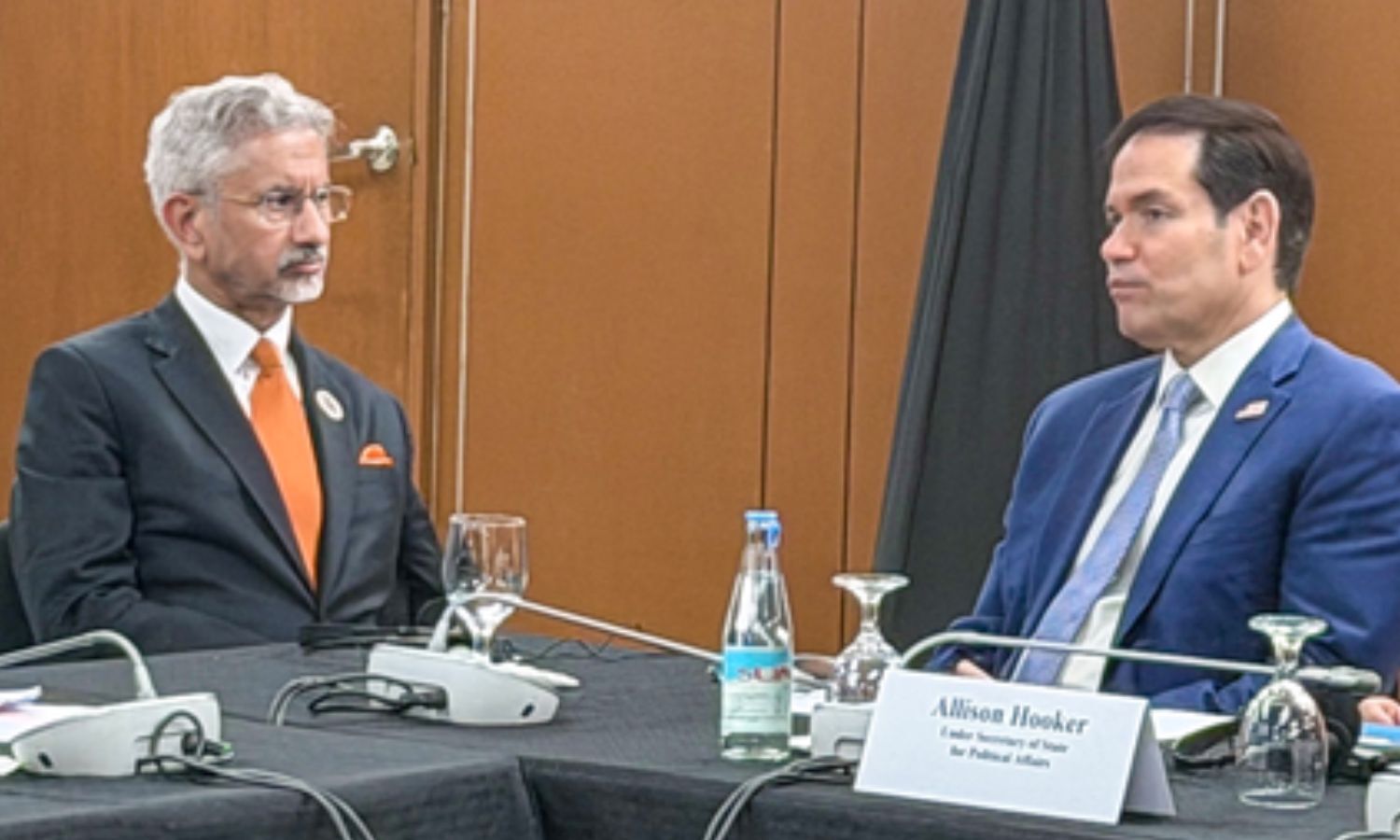
India and the United States have worked together for many years.
They share some goals, including maintaining a balance of power in Asia.
But they do not agree on every issue, such as how to deal with Russia, Iran and China.
Former Indian diplomat Nirupama Rao says the two countries understand partnership differently.
She argues that public pressure to agree can make it harder for them to work through disagreements.
India’s foreign minister said India wants closer ties with the United States, while also asking it to understand India’s security concerns.
The report says India should build stronger energy, defence and technology capabilities.
It also says both countries have reasons to preserve their cooperation.

A report says India-US ties were long supported by shared goals in Asia, supply chains and the Indo-Pacific.
Former Indian Foreign Secretary Nirupama Rao argues that differences over oil, Russia, Iran and China reflect competing ideas of partnership.
Rao says public demands for political compliance can make accommodation harder and turn diplomacy into a loyalty test.
External Affairs Minister S Jaishankar said India wants to deepen ties but warned that overlooking its security concerns could affect relations.
The report calls for India to strengthen energy security, defence supplies, technology, manufacturing and institutional resilience while maintaining US cooperation.
- Who
- India, the United States, former Indian Foreign Secretary Nirupama Rao, and External Affairs Minister S Jaishankar.
- What
- A report examines differences in how India and the United States understand their strategic partnership and argues for preserving cooperation.
- Where
- The partnership concerns Asia and the Indo-Pacific; Jaishankar’s cited remarks were made in New York.
- When
- The report discusses ties over the past quarter-century and cites recent remarks by S Jaishankar in New York.
- Why
- The countries differ over strategic priorities and how disagreements should be handled, while both have reasons to maintain cooperation.
Washington’s strategic expectations
New Delhi’s view of partnership
Meaning of strategic cooperation
Washington’s strategic expectations
Rao’s account says Washington can treat strategic convergence as grounds to seek political compliance.
New Delhi’s view of partnership
Rao describes New Delhi’s view as cooperation between sovereign powers that may continue to disagree.
Handling disagreements publicly
Washington’s strategic expectations
The report says public tests of loyalty can make diplomacy and accommodation more difficult.
New Delhi’s view of partnership
Rao argues that disagreements should not become public referendums on the relationship; India should build the capacity to withstand external pressure.
Key facts
- Relationship discussed
- India-US strategic partnership
- Period referenced
- The past quarter-century
- Long-standing shared goals cited
- Balance of power in Asia, supply-chain diversification and a free and open Indo-Pacific
- Issues of disagreement cited
- Oil, Russia, Iran and the management of China
- Indian official quoted
- External Affairs Minister S Jaishankar
- Commentator quoted
- Former Indian Foreign Secretary Nirupama Rao
- Capabilities Rao says India should build
- Energy security, diversified defence supplies, technology, manufacturing and institutional resilience
Quotes

Nirupama Rao
Former Indian Foreign Secretary
“The present difference between India and the United States is about more than oil. There is perhaps a deeper disagreement over the meaning of partnership. Washington often treats strategic convergence as a reason to demand political compliance. In New Delhi, partnership is understood as cooperation between sovereign powers that will continue to differ over Russia, Iran and the management of China.”
 thehansindia.com
“That requires diversified defence supplies, greater energy security, technological capability, manufacturing strength and institutional resilience. Autonomy without those foundations would be rhetoric resting upon dependence. India must understand the costs it could bear and build the means to bear them.”
thehansindia.com
Sources
Related news
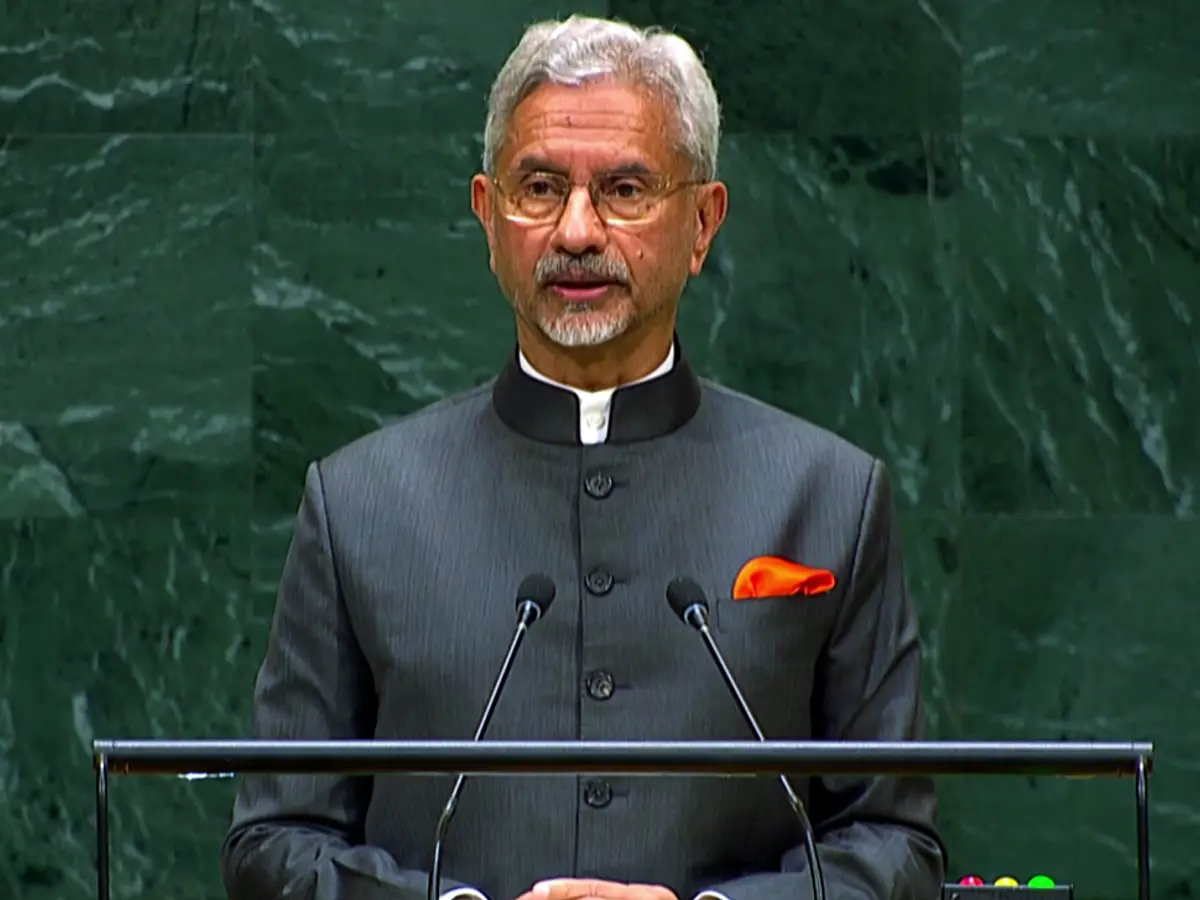
Jaishankar Warns US Misunderstanding India’s Security Concerns Hurts Ties
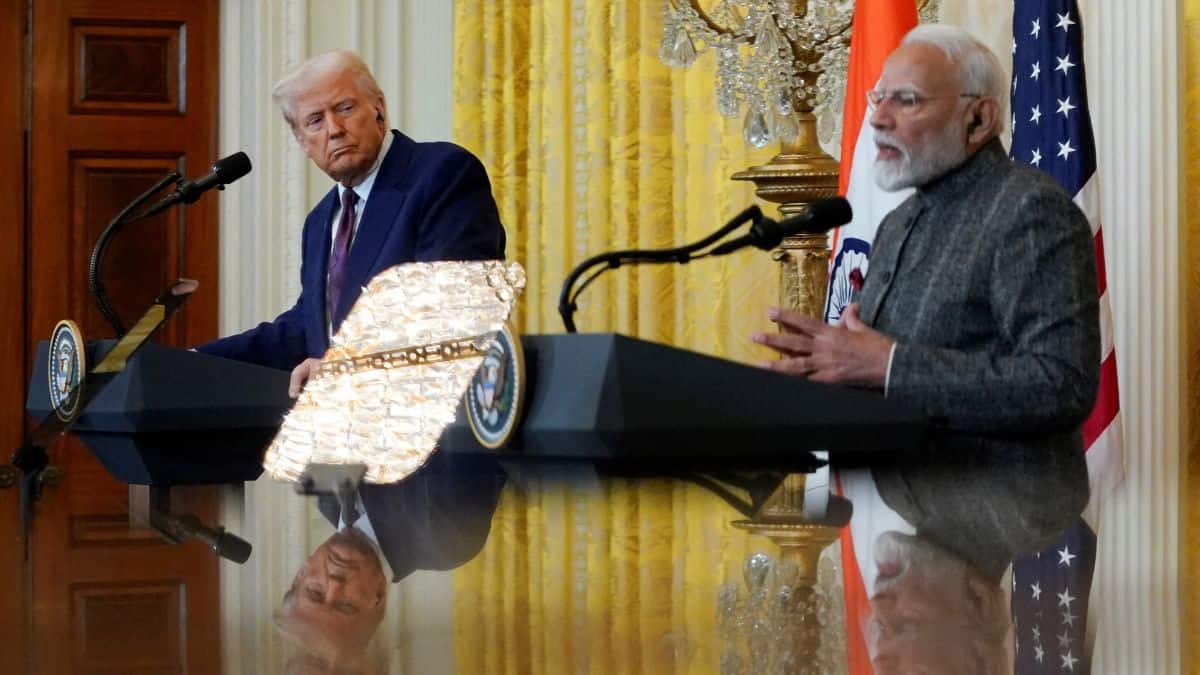
US Wants India’s Power Without Its Strategic Autonomy
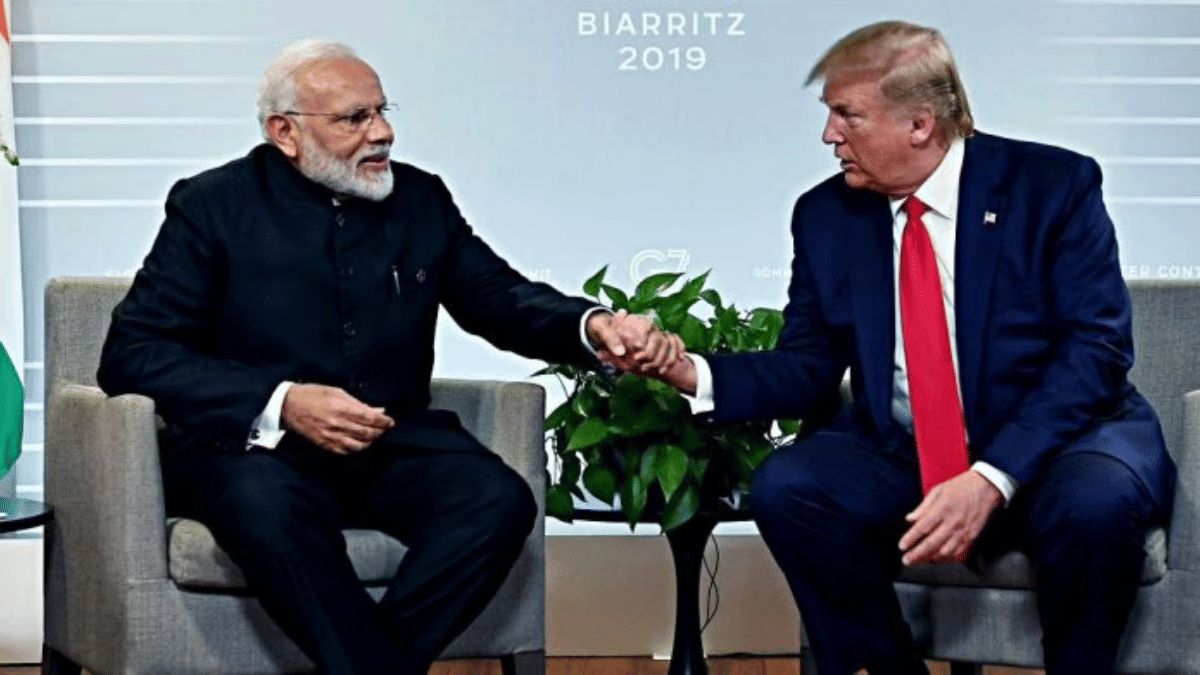
Trump’s India Pressure: Trade Dispute or Strategic Realignment?
US-China Rapprochement Challenges India’s Strategic Autonomy and Global Role
India Holds Firm as US Tariffs Strain Bilateral Trust
India Signals Limits of Quiet Diplomacy With Trump
Sri Lanka Weighs Aid for 19 Iranian Ships Amid Sanctions Concerns
China Plans AI Risk Systems, Accountability for Reckless Tech Investment
UN Projects Slower Global Growth as Geopolitical Risks Rise
India Uses Growing Arms Exports to Expand Strategic Influence