1 hr ago
US Wants India’s Power Without Its Strategic Autonomy
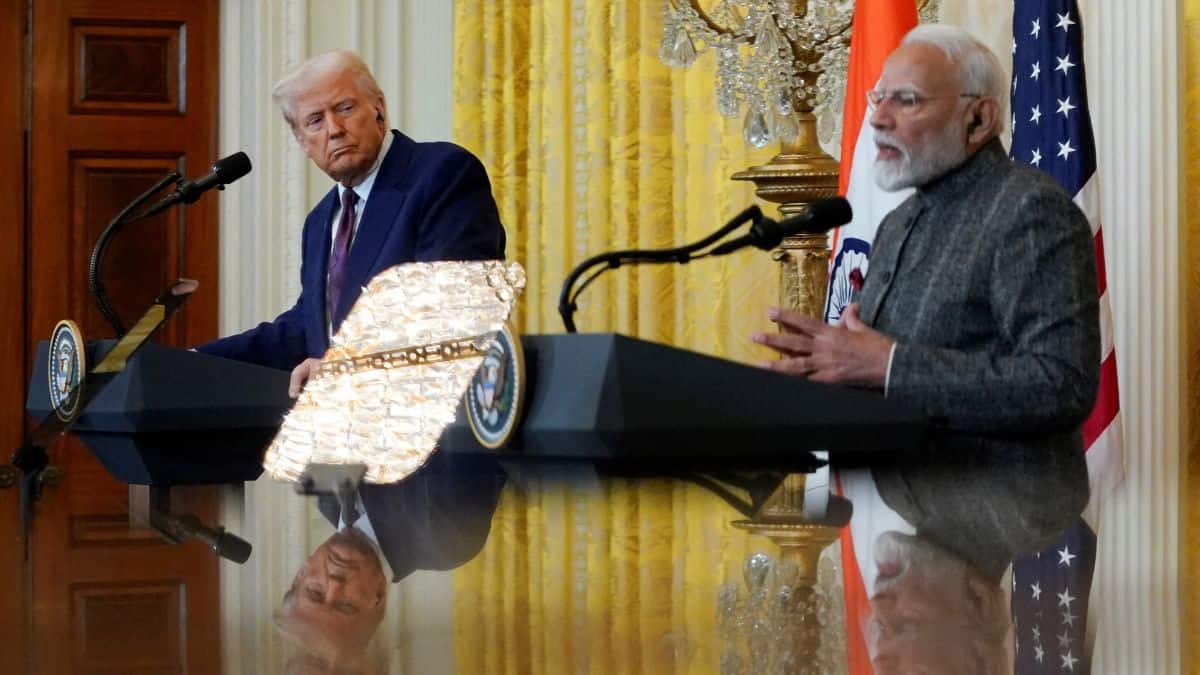
The article says the United States wants India to work closely with it.
But India wants to make its own choices rather than follow another country’s orders.
India works with groups that include both the United States and countries such as Russia and China.
The writer says India has not signed a trade deal with the United States because it wants better terms.
India has also continued buying oil from Russia despite possible US pressure.
The article argues that India is now too large and important for other countries to easily control.
It says India should build strong leadership and be ready for future opportunities.
These are the writer’s opinions, not a neutral report of proven claims.

The opinion article argues that Washington wants India integrated into US-led economic and security systems, while India resists a subordinate role.
India’s participation in groups including BRICS, the SCO, the Quad and I2U2 reflects its ties across competing blocs, the writer says.
The article says India has held back from signing a proposed US trade deal until it receives tariffs competitive with regional rivals.
It says India continues to buy Russian oil despite potential US tariff pressure and has diversified exports through trade agreements.
The writer argues that India’s size makes it difficult for outside powers to subvert, while urging the Modi government to strengthen its leadership and institutions.
- Who
- India, the United States, and China, as discussed in an opinion article.
- What
- The article argues that the United States wants India’s economic and strategic power while India maintains its autonomy.
- Where
- India, the United States, and international forums and trade relationships discussed in the article.
- When
- The article refers to current US-India trade negotiations and developments through 2026, and forecasts for 2030 and the 2040s.
- Why
- The writer says India’s growing economic and military importance gives it influence, while its independent foreign policy frustrates Washington’s preference for alignment.
US alignment
Indian autonomy
Strategic alignment
US alignment
The article says Washington wants a strong India embedded in a US-led financial, technological and security ecosystem.
Indian autonomy
The writer argues India does not accept a subordinate role and maintains relationships across rival international groupings.
Bilateral trade deal
US alignment
US representatives quoted in the article had described the deal as close to completion or not imminent, reflecting differing assessments of its status.
Indian autonomy
Indian officials cited in the article say negotiations have stalled or that India is in no hurry to sign without competitive tariffs.
Relations with Russia
US alignment
The article says a US law could enable tariffs on countries buying Russian crude, putting pressure on India.
Indian autonomy
The writer says India has continued buying Russian oil and is maintaining its independent policy.
Key facts
- Article type
- Opinion
- India GDP figures cited
- $4.2 trillion nominal and $19.1 trillion by purchasing power parity, attributed to the IMF’s latest report
- Trade issue
- India-US negotiations over a proposed Bilateral Trade Agreement are described as having reached a “plateau”; the writer says India wants competitive tariffs.
- Indian trade partners cited
- The article mentions agreements with the UK, Australia and UAE, and agreements with the EU and GCC signed or awaiting final ratification.
- Russian oil
- The writer says India has continued buying Russian oil despite possible US tariff pressure.
- Groups cited
- BRICS, the Shanghai Cooperation Organisation, the Quad and I2U2
- Forecast
- The writer says India could be among a G3 by the 2040s.
Sources
Related news
US-China Rapprochement Challenges India’s Strategic Autonomy and Global Role
Trump’s India Pressure: Trade Dispute or Strategic Realignment?
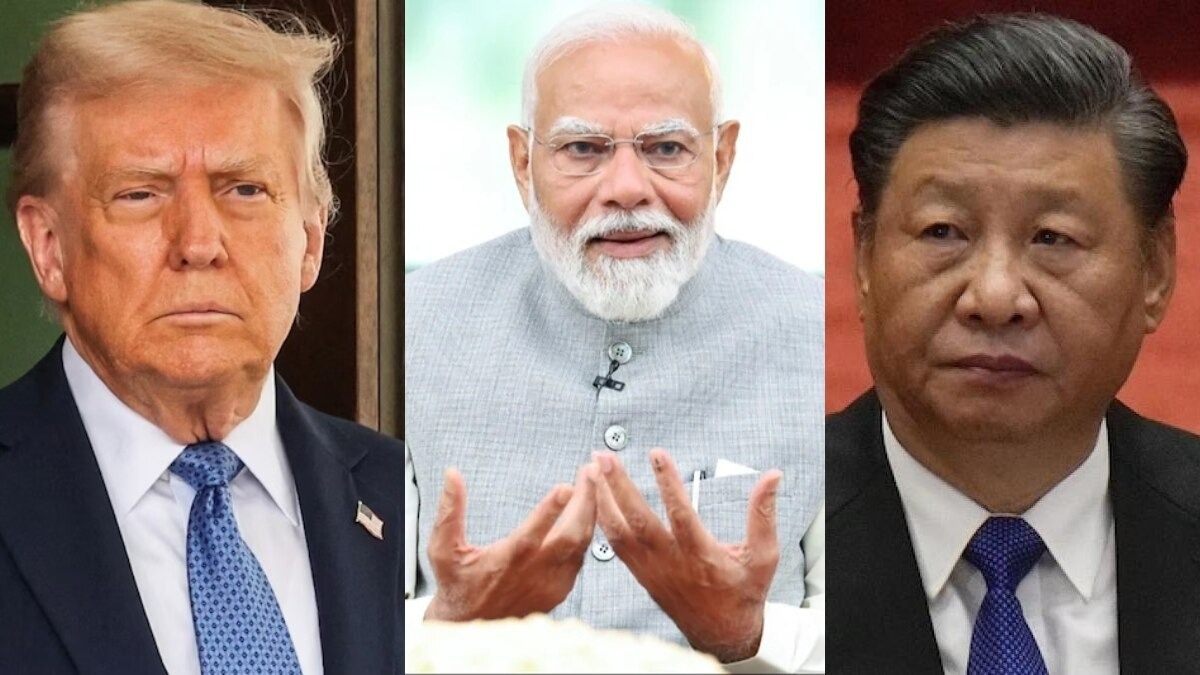
Sanjaya Baru Urges India to De-Risk from China and US
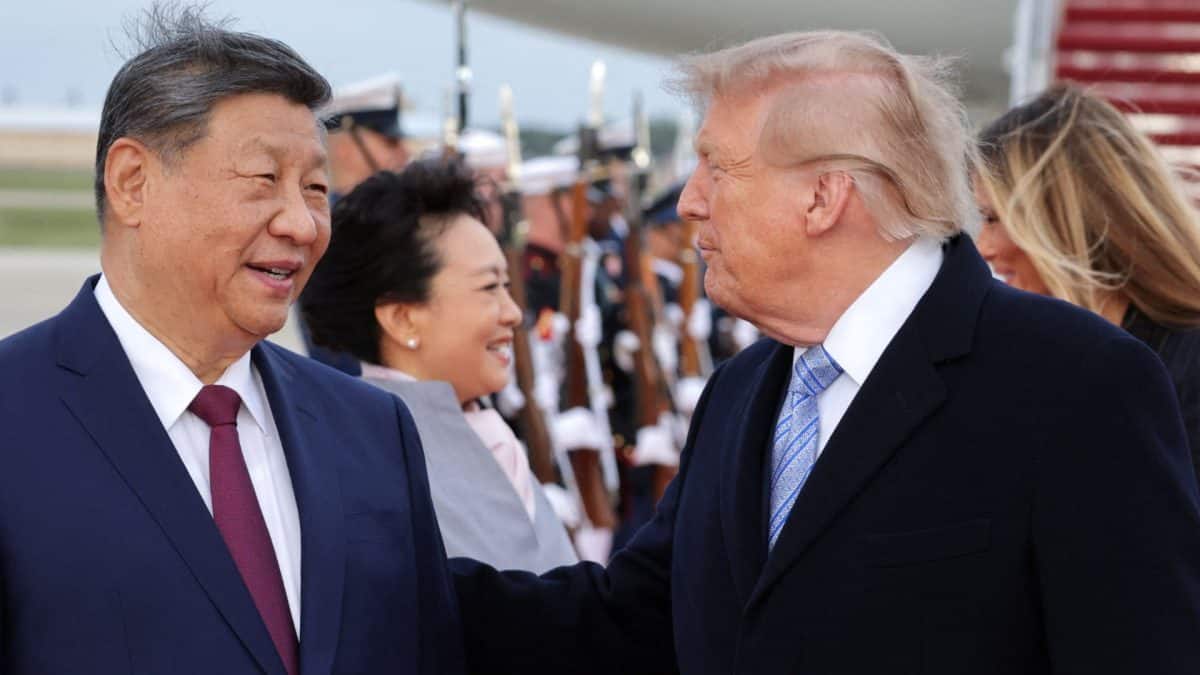
Trump-Xi Summit Leaves India Balancing Opportunities and Risks

India Balances Xi, Putin Ties With Washington Partnership
BJP Leader Objects to Stage Seating at Maihar Event
Jewar Airport Set to Be Named Narendra Modi International Airport

India Voter Roll Deletions Spark Protests and Political Dispute
Israel’s Technology Economy Endures War, With Costs and Risks