1 hr ago
India Signals Limits of Quiet Diplomacy With Trump
India and the United States are friends, but their relationship has several problems.
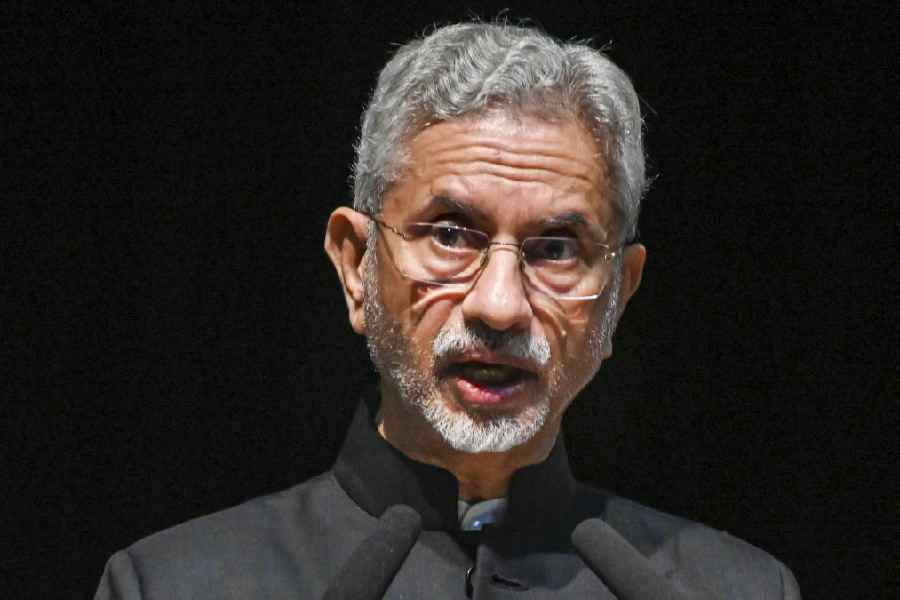
Indian Foreign Minister S. Jaishankar described three of them publicly.
He said the United States has become closer to Pakistan after a terror attack in India.
He also discussed a disagreement over trade and India buying Russian oil.
Another concern is stricter American action and language about legal immigration.
Many Indians have benefited from being able to work or live in the United States.
The editorial says India may need to speak more openly instead of relying only on private talks.
It also says India’s leaders must show people at home that they will defend the country’s interests.

External Affairs Minister S. Jaishankar publicly identified three stress points in India-U.S. relations.
He criticized the Trump administration’s closer engagement with Pakistan after the April 2025 Pahalgam terror attack.
India and the United States remain divided over trade and possible additional tariffs linked to India’s purchases of Russian oil.
Jaishankar also raised concerns about U.S. immigration rhetoric and actions affecting legal immigrants, including many Indians.
The editorial argues that India is moving toward more public and direct diplomacy because quiet engagement may no longer be sufficient.
- Who
- Indian External Affairs Minister S. Jaishankar, Prime Minister Narendra Modi, U.S. President Donald Trump, and the governments of India and the United States.
- What
- India publicly identified three major tensions with the United States: U.S. engagement with Pakistan, trade and tariff disputes, and American immigration policies and rhetoric.
- Where
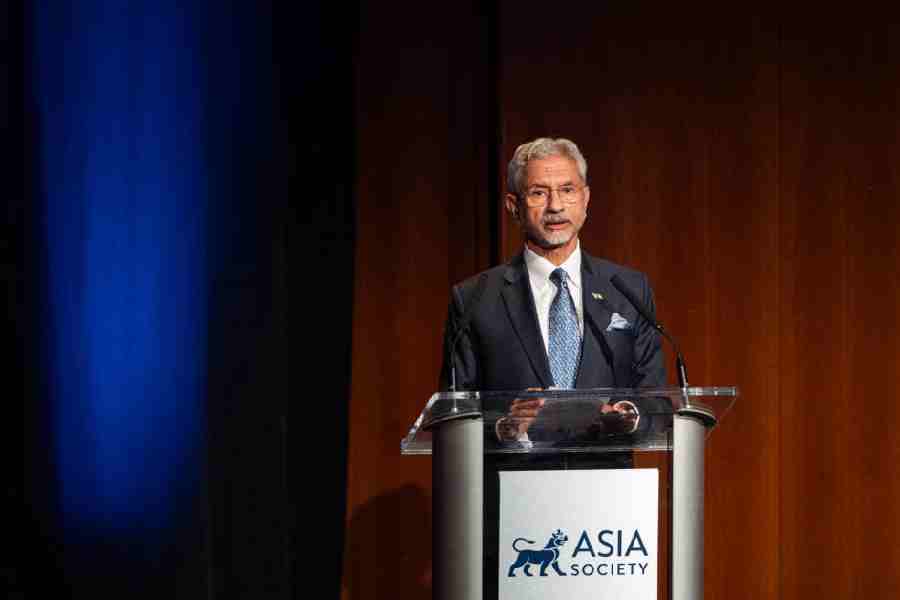
- Jaishankar spoke at the Asia Society in New York, while the wider dispute concerns relations between India, the United States, and Pakistan.
- When
- Jaishankar raised the issues earlier this week; Modi spoke with Trump by phone on Wednesday. The article also refers to the April 2025 Pahalgam terror attack.
- Why
- India is signaling that quiet diplomacy may not adequately address public U.S. pressure or protect the Indian government’s domestic legitimacy.
India’s concerns
U.S. actions and stated approach
U.S. relationship with Pakistan
India’s concerns
India wants the United States to be sensitive to its core concerns and objects to Washington’s embrace of Pakistan after the Pahalgam attack, including portrayals of a ceasefire as the result of U.S. mediation.
U.S. actions and stated approach
The Trump administration has hosted Pakistan’s leadership, praised Pakistan’s army chief, and worked with Islamabad to present the ceasefire as involving U.S. mediation.
Trade and Russian oil
India’s concerns
India objects to threats of up to an additional 100% in tariffs connected to its purchases of Russian oil and faces a U.S. investigation into alleged unfair practices.
U.S. actions and stated approach
The United States is threatening additional tariffs and conducting a trade investigation into alleged unfair practices by India.
Immigration policy
India’s concerns
India is concerned about increasingly sharp U.S. rhetoric and actions against legal immigration, from which many Indians have benefited.
U.S. actions and stated approach
The United States is taking or considering actions and using rhetoric that the article says affect even legal immigration.
Key facts
- Indian official cited
- External Affairs Minister S. Jaishankar
- Main diplomatic concern
- The Trump administration’s engagement with Pakistan after the Pahalgam terror attack
- Trade dispute
- The United States has threatened up to an additional 100% in tariffs on India over its purchase of Russian oil
- U.S. investigation
- The article refers to an ongoing U.S. trade investigation into alleged unfair practices by India
- Immigration concern
- India is concerned about increasingly sharp U.S. rhetoric and action against even legal immigration
- Recent communication
- Prime Minister Narendra Modi spoke with Donald Trump by phone on Wednesday
- Editorial assessment
- India appears to be shifting from primarily quiet diplomacy toward more public messaging
Sources
Related news
Jaishankar Warns Terror Concerns Could Strain India-US Ties

Jaishankar Says US Empathy Gap Hurts India-US Ties
Jaishankar Says Terror Concerns Strain India-US Relationship
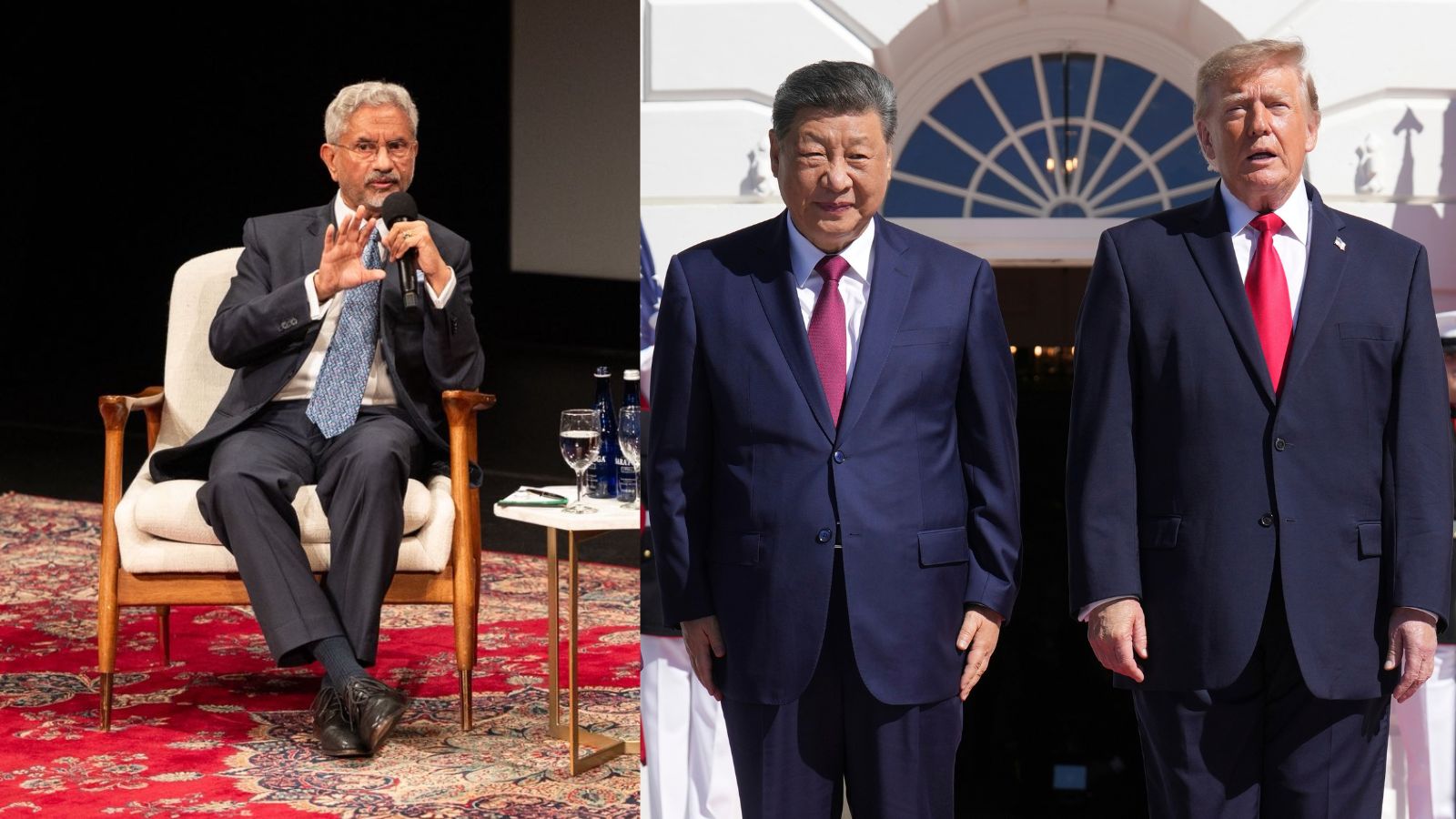
Jaishankar Assesses Trump-Xi Meeting, India-US Trade Deal and Terrorism
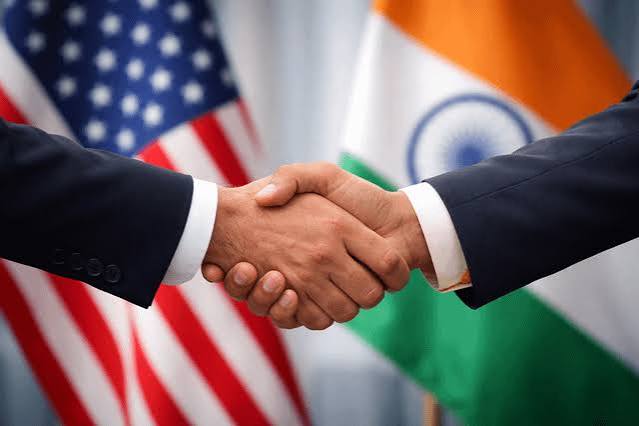
India Holds Firm as US Tariffs Strain Bilateral Trust
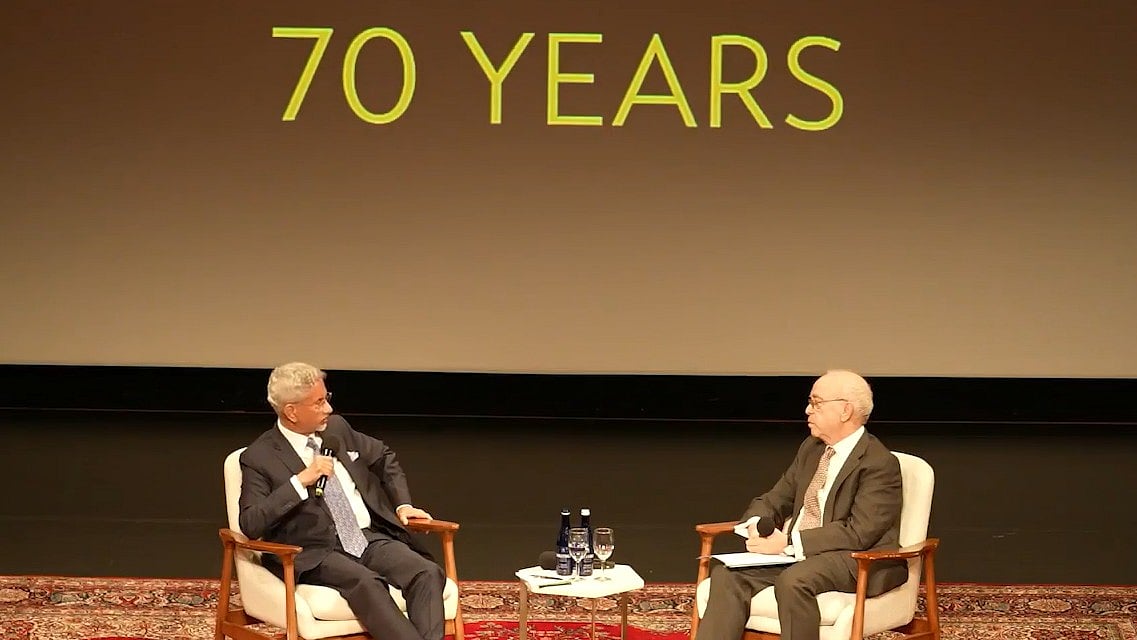
India-US Trade Deal Advances Amid Tariff and Relationship Uncertainty

India’s Education System Needs Reform to Close Employment Gap
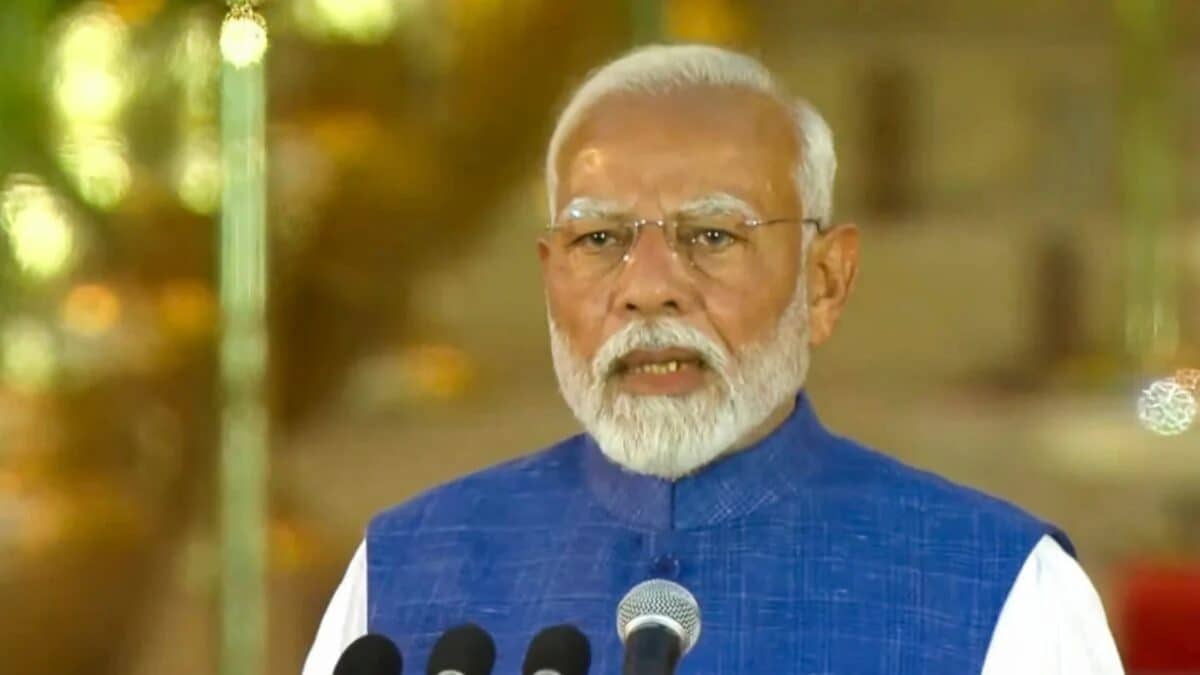
Modi Urges UPSC Reforms as Commission Marks 100 Years
UN Chief Condemns Attack on Flydubai Flight, Praises Pilot
MP urges Andhra Pradesh prayers for Modi’s 25-year service