18 hrs ago
India Holds Firm as US Tariffs Strain Bilateral Trust
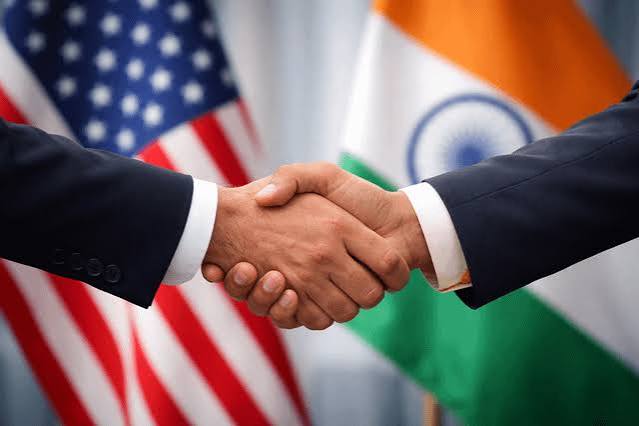
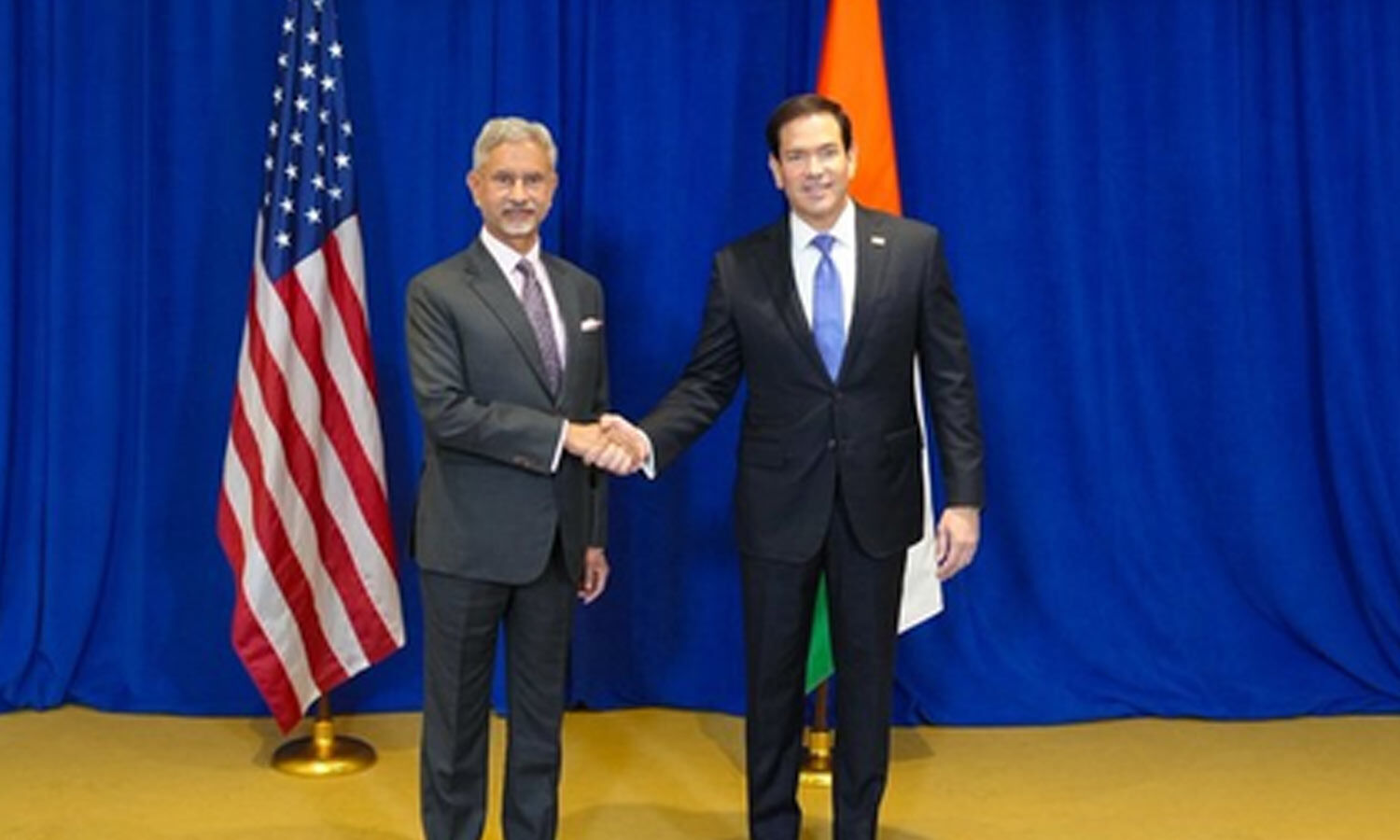
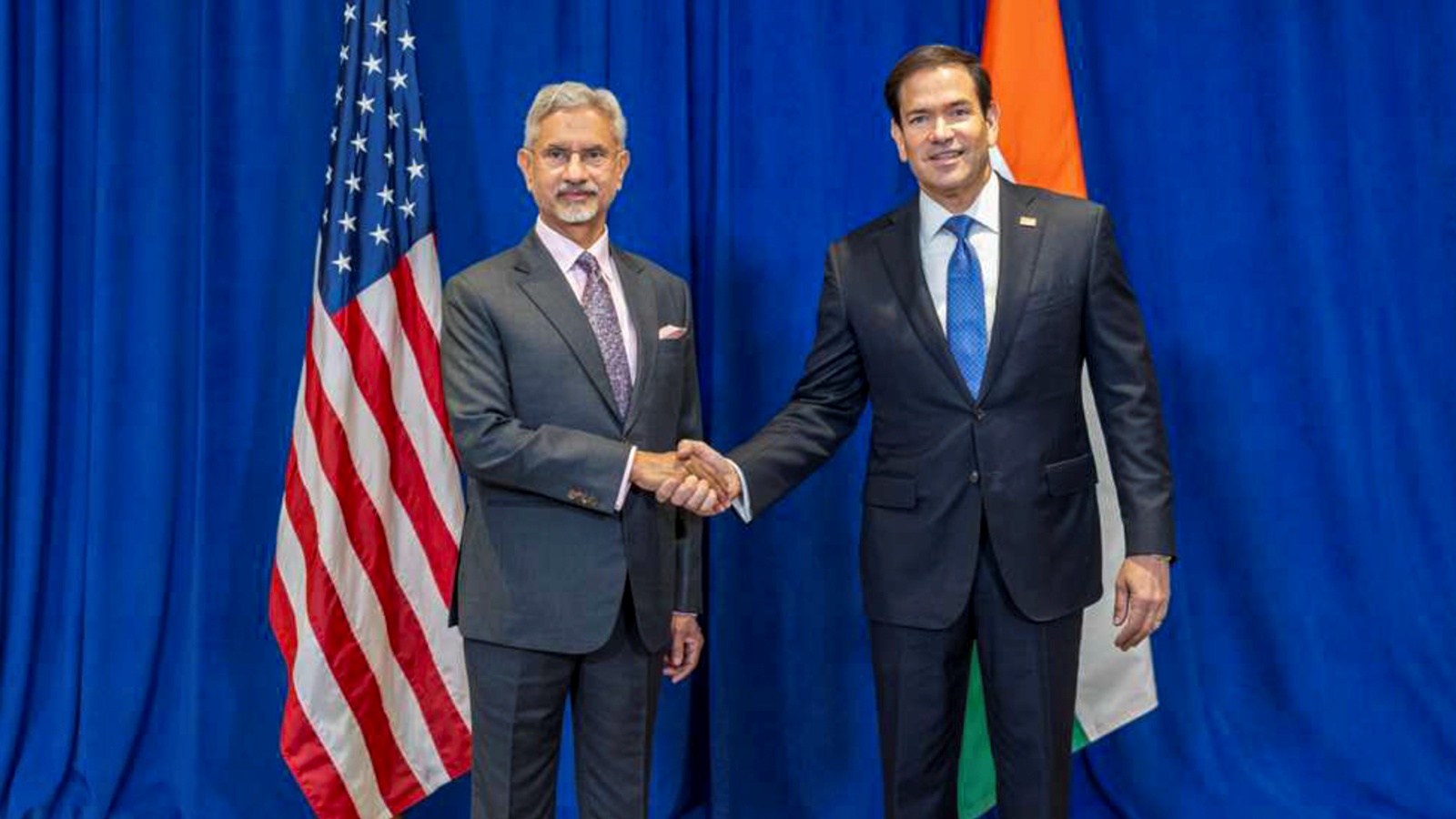
India and the United States discussed their relationship in New York.
India objected to a new US law that could impose very high tariffs on countries doing business with Russia and Iran.
India says it still needs Russian oil and defense cooperation.
It also says these ties have lasted for more than 60 years.
The United States says sanctions can help its goals in conflicts involving Russia, Ukraine and West Asia.
US Secretary of State Marco Rubio also highlighted cooperation with India.
The article says India feels treated unfairly because China was not penalized in the same way.
It warns that both countries could suffer if their relationship becomes weaker.

S. Jaishankar reportedly raised India’s concerns about a new US law imposing tariffs of up to 100% on countries trading economically with Russia and Iran.
Marco Rubio emphasized the US-India strategic partnership and coordination on regional priorities during the New York meeting.
India says its Russian ties reflect energy security, longstanding defense cooperation and concerns about household and industrial costs.
The article says US penalties on Indian Russian-oil purchases, while sparing China, have damaged New Delhi’s trust in Washington.
The editorial argues that worsening ties could hurt India more, but would also have consequences for the United States.
- Who
- External Affairs Minister S. Jaishankar and US Secretary of State Marco Rubio, representing India and the United States.
- What
- They discussed India’s concerns over US tariffs linked to economic dealings with Russia and Iran, as well as the broader strategic partnership.
- Where
- New York.
- When
- Wednesday, on the sidelines of the United Nations General Assembly meeting.
- Why
- India sought to explain its energy, defense and economic reasons for maintaining ties with Russia, while the United States emphasized sanctions and regional coordination.
India’s Position
US Position
Tariffs and Russian trade
India’s Position
India argues that its Russian oil purchases reflect economic and energy needs, and that penalizing them imposes costs on Indian households and industry.
US Position
Washington views sanctions and tariffs as tools for advancing its objectives in conflicts involving Russia and Ukraine and in West Asia.
Future of bilateral ties
India’s Position
India wants a dependable relationship with the United States but says it cannot abandon its exceptionally stable ties with Russia and objects to being equated with Pakistan.
US Position
The US emphasizes its strategic partnership with India and coordination on regional priorities.
Impact of strained relations
India’s Position
India’s large population, consumer market and technology workforce give it leverage, meaning Washington would also face consequences from worsening ties.
US Position
The editorial acknowledges that fraying ties may hurt New Delhi more than Washington.
Key facts
- Meeting participants
- S. Jaishankar and Marco Rubio
- Location
- New York
- Occasion
- United Nations General Assembly meeting
- Tariff exposure
- The new US law can levy tariffs of up to 100% on countries having economic dealings with Russia and Iran.
- India’s stated concerns
- Energy security, longstanding defense ties with Russia, and costs for households and industry
- Relationship history
- India’s relationship with Russia has lasted more than six decades, according to the article.
- China comparison
- The editorial says China, described as Moscow’s largest trading partner, was not treated like India over Russian oil purchases.
Sources
Related news

US and India Discuss Trump’s Russia Sanctions Bill and Tariffs
Jaishankar Raises India’s Concerns Over Russia-Iran Sanctions Act
India, US Discuss Russia Sanctions, Tariffs and Energy Security
India Must Balance National Interest With Vital US Ties
India Warns US Sanctions Bill Could Strain Ties
Jaishankar Flags India’s Concerns Over US Russia Sanctions
Trump Mocks Biden Autopen Portrait During Xi White House Visit
A7 Network Allegedly Moves Billions Through Global Banks
India Urged to Build Large, Diversified Defence Industry
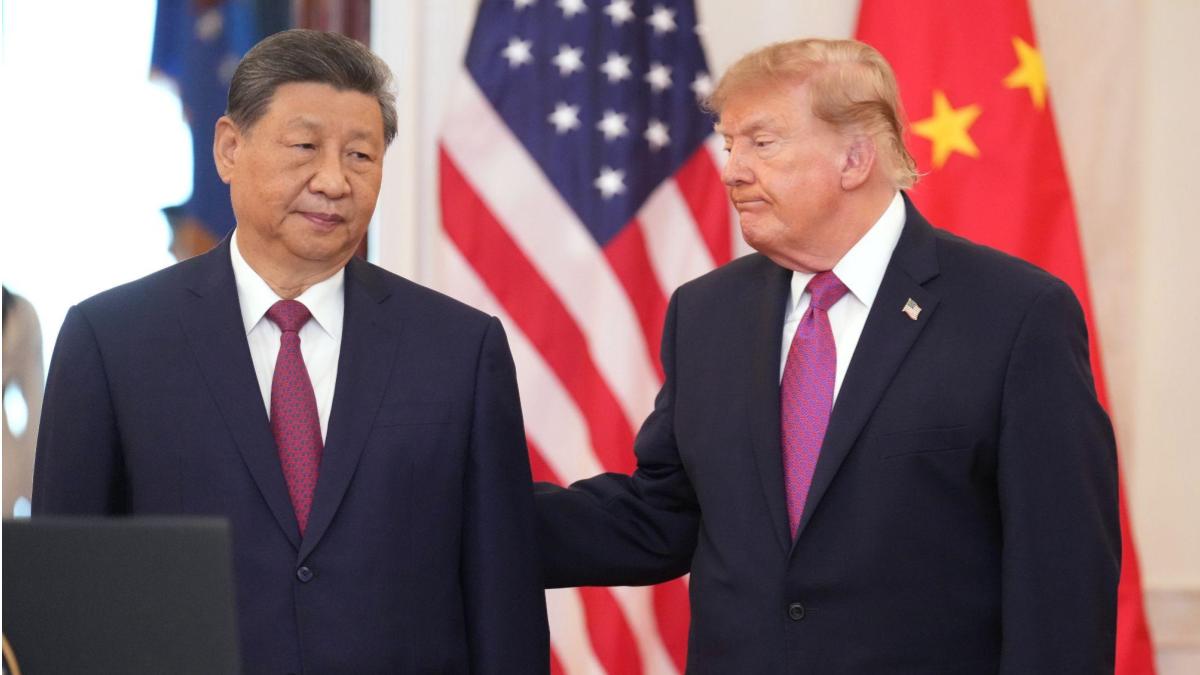
Trump-Xi Washington Summit Offers Trade Truce, Limited Breakthroughs

AI Leaders Split Over Existential Risks and Rapid Acceleration