1 hr ago
Trump’s India Pressure: Trade Dispute or Strategic Realignment?
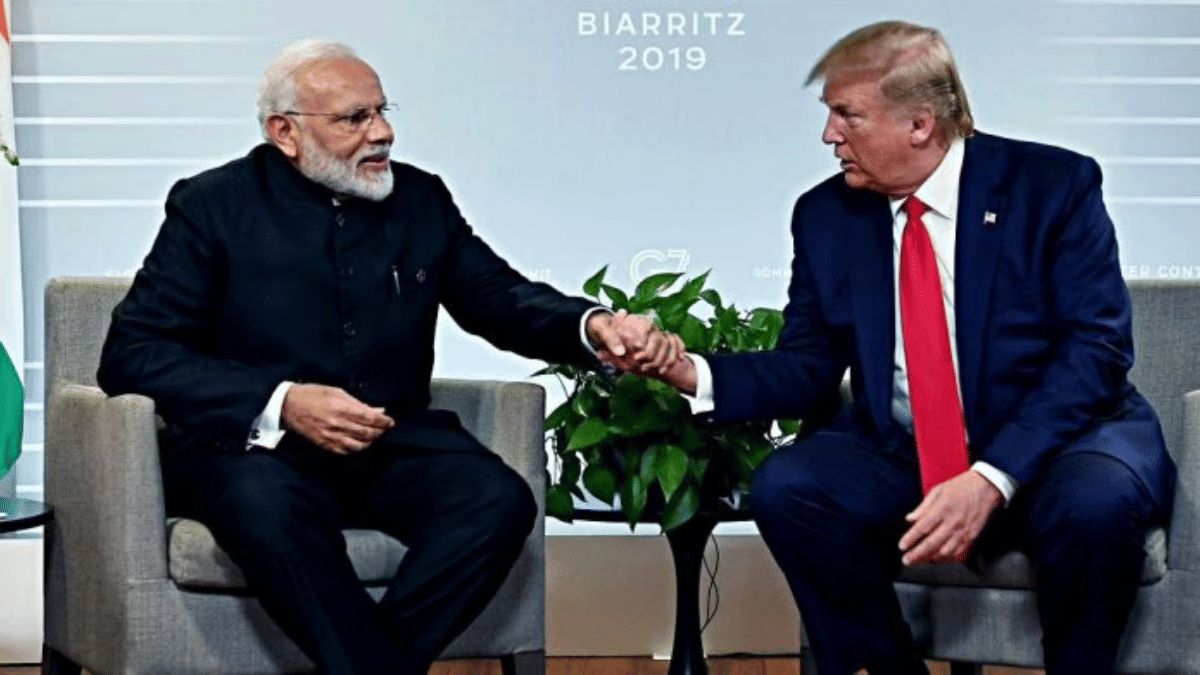
The article asks whether Donald Trump is really against India.
It says the disagreement is not only about buying and selling goods.
The United States also wants India to buy more American energy, technology, aircraft and other products.
Washington is unhappy that India continues to buy oil from Russia.
America also wants India to become a stronger alternative to China in manufacturing and technology.
India works with many countries and wants to keep making its own strategic decisions.
Trump may be using tariffs as pressure to get better deals rather than trying to harm India.
The article says both countries need each other, but they disagree about the terms.
India’s challenge is to gain from cooperation while protecting its independence.

The article argues that U.S.-India tensions extend beyond tariffs to energy, technology, China and geopolitical influence.
A February 2026 interim trade framework reportedly set an 18% reciprocal U.S. tariff on Indian goods and included India’s proposed $500 billion purchase of American products over five years.
Washington is pressuring India over its continued purchases of Russian crude, while also seeking greater access for American exporters and technology companies.
The United States wants India closer to its economic and technology networks, including supply chains involving semiconductors, artificial intelligence and data centres.
The article concludes that the relationship is transactional, and India must cooperate without sacrificing strategic autonomy.
- Who
- The governments of the United States and India, led in the article by Donald Trump and Prime Minister Narendra Modi; Russia and China are also central to the dispute.
- What
- A debate over whether U.S. pressure on India is mainly about trade or a broader effort involving Russian oil, technology, energy, China and strategic alignment.
- Where
- Between Washington and New Delhi, with wider implications for the Indo-Pacific and global supply chains.
- When
- The article discusses recent tensions and a reported interim trade framework reached in February 2026.
- Why
- The United States wants greater access to India’s market, reduced purchases of Russian energy, more American exports and closer economic and technological alignment.
U.S. Strategic and Commercial Pressure
Indian Strategic Autonomy
Trade and market access
U.S. Strategic and Commercial Pressure
Washington argues that India should provide greater access to American agricultural, energy, technology, aircraft and manufactured goods in return for access to the U.S. market.
Indian Strategic Autonomy
India must decide which concessions serve its interests and whether expanded market access could become an unequal arrangement.
Russian oil
U.S. Strategic and Commercial Pressure
The United States wants economic pressure to reduce revenues flowing to Moscow and is seeking to discourage India from purchasing Russian crude.
Indian Strategic Autonomy
India’s continued relationships with Russia are part of a broader policy of maintaining ties with multiple countries rather than aligning exclusively with Washington.
Technology and China
U.S. Strategic and Commercial Pressure
The United States wants India to become a stronger alternative manufacturing and technology centre to China while benefiting American companies and technology providers.
Indian Strategic Autonomy
India may cooperate on supply chains, semiconductors and digital infrastructure while retaining independent decisions about its strategic partnerships.
Key facts
- Interim trade framework
- The article says the United States and India reached a framework in February 2026.
- Reciprocal tariff
- The reported framework included an 18% U.S. reciprocal tariff rate on Indian goods.
- Proposed Indian purchases
- India indicated an intention to purchase $500 billion of U.S. energy, technology, aircraft, precious metals and other products over five years.
- Russian crude
- India’s continued purchases of Russian oil are described as a major irritant in Washington.
- Potential tariff authority
- The U.S. Senate reportedly approved legislation that could authorize tariffs of up to 100% on countries continuing to buy Russian energy.
- Strategic grouping
- The Quad, comprising India, the United States, Japan and Australia, is cited as part of Indo-Pacific coordination.
- Relationship description
- The article characterizes the relationship as transactional rather than necessarily hostile.
Sources
Related news
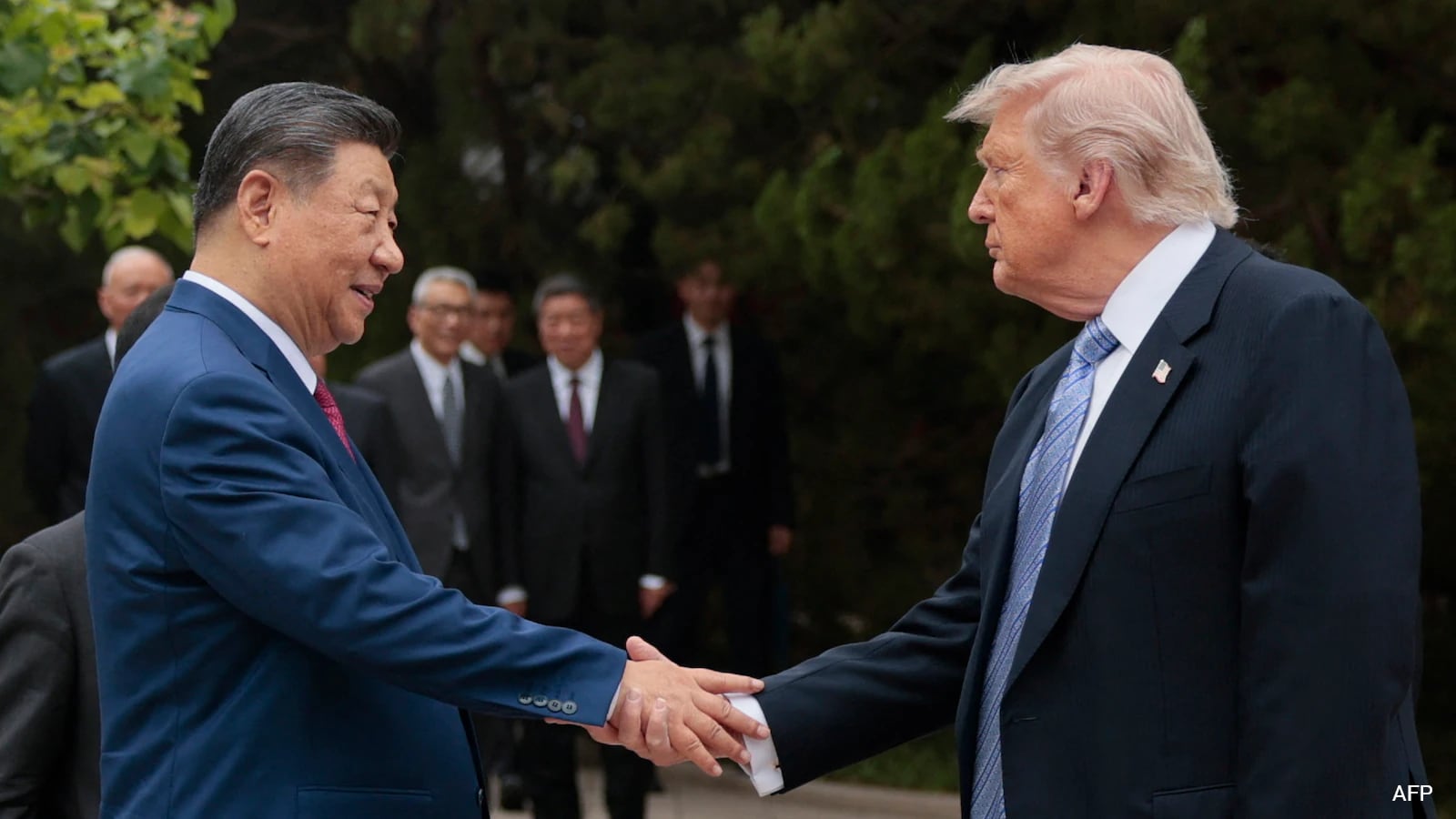
Trump-Xi Meeting Could Reshape India’s Strategic Value to Washington
India Rejects US Pressure Over Russian Oil Purchases

India’s Russian Oil Ties Face Trump’s Tariff Pressure

India Seeks to De-Risk Ties With America, China
Prospective US Tariffs Threaten India’s Russian Oil Trade Deal
India Warns US Sanctions Bill Could Strain Ties
Modi Expected to Visit Canada for Trade Deal Signing

Lamp Campaign Raises Questions Over Costs and Bureaucratic Control

Over 650 Join Peace and Unity Rally in Srinagar
Bhayandar Land Dispute Continues After Developer Relinquishes Property Claim