

1 hr ago
Why Global Energy Has Withstood the Strait of Hormuz Disruption
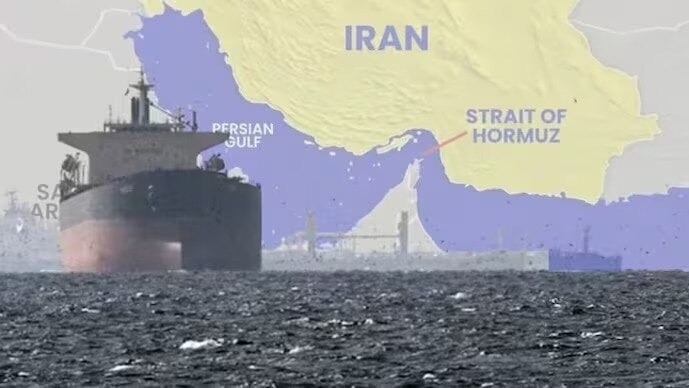
The Strait of Hormuz is an important route for oil and gas ships.
Normally, about one-fifth of the world’s oil and liquefied natural gas passes through it.
A major disruption made less energy available, but the world’s energy system did not collapse.
Pipelines carried some oil around the Strait, and several countries increased production.
Countries also used stored oil and people used less oil.
China imported much less by sea, while the United States exported more oil.
However, these actions used up many emergency supplies.
McKinsey says future disruptions could be more difficult because fuel stocks and refinery capacity are shrinking.

Around 20% of global oil and liquefied natural gas normally passes through the Strait of Hormuz.
The disruption affected about 14% of global combined oil and gas supply at its peak.
Bypass pipelines and added production covered about 35% of the resulting supply gap.
Inventory drawdowns supplied roughly 20% of the response, while lower consumption supplied about 45%.
McKinsey warns that depleted inventories and reduced refining capacity could make future disruptions harder to absorb.
- Who
- Global oil and gas producers, consumers, traders and governments, including China, the United States, Saudi Arabia and the United Arab Emirates.
- What
- A disruption in the Strait of Hormuz significantly reduced energy flows but was partly offset by pipelines, inventories, added production and lower demand.
- Where
- The disruption centered on the Strait of Hormuz and affected global energy markets.
- When
- The analysis cites oil flows in the fourth quarter of 2025, inventory withdrawals by late August, and refining outages in mid-July.
- Why
- Alternative supply routes, emergency stocks, increased production, trade changes and reduced consumption helped cushion the shock.
Key facts
- Normal Hormuz flows
- Around 20% of global oil and liquefied natural gas normally transits the Strait of Hormuz.
- Peak disruption
- About 14% of global combined oil and gas supply was affected.
- Oil flows in Q4 2025
- Approximately 21.3 million barrels per day moved through the Strait.
- Supply-gap response
- Bypass pipelines and additional production addressed around 35% of the 15.5-million-barrel-per-day gap.
- Inventory contribution
- Countries drew about 3.5 million barrels per day from inventories, contributing roughly 20% of the response.
- Demand reduction
- Lower oil consumption accounted for about 45% of the response, or 6.8 million barrels per day.
- Global inventory draw
- Around 500 million barrels had been withdrawn by late August.
- Refining pressure
- Gulf refinery output fell by more than one-quarter.
Sources
Related news
IMF Warns Oil Market Buffers Are Running Out

Hormuz Disruption and Diesel Surge Threaten Global Economy
Oil Prices Slide as Hormuz Reopening Eases Supply Fears

US Navy Says Hormuz Oil Flows Recover Amid Security Risks
Iran-Oman Routes Keep Hormuz Closed, Threatening Oil and Trade

US Oil Flows Continue as Strait of Hormuz Faces Disruption

Saudi Arabia Issues Rare Air-Raid Alerts Over Riyadh
China’s Oil Stockpile Helps Cushion Prices During Iran War
Iran Claims Tanker Strike Amid Strait Tensions and Rally

North Sea Oil Premiums Hit Records as Saudi Sales Shift