1 week ago
IMF Warns Oil Market Buffers Are Running Out
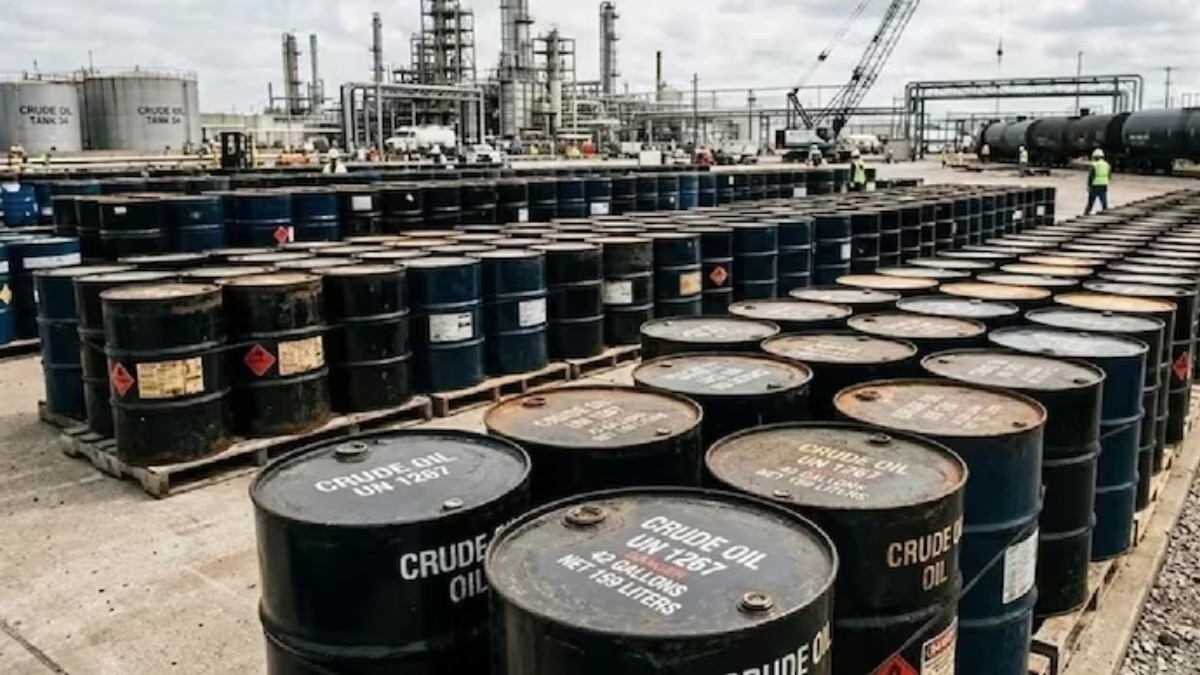
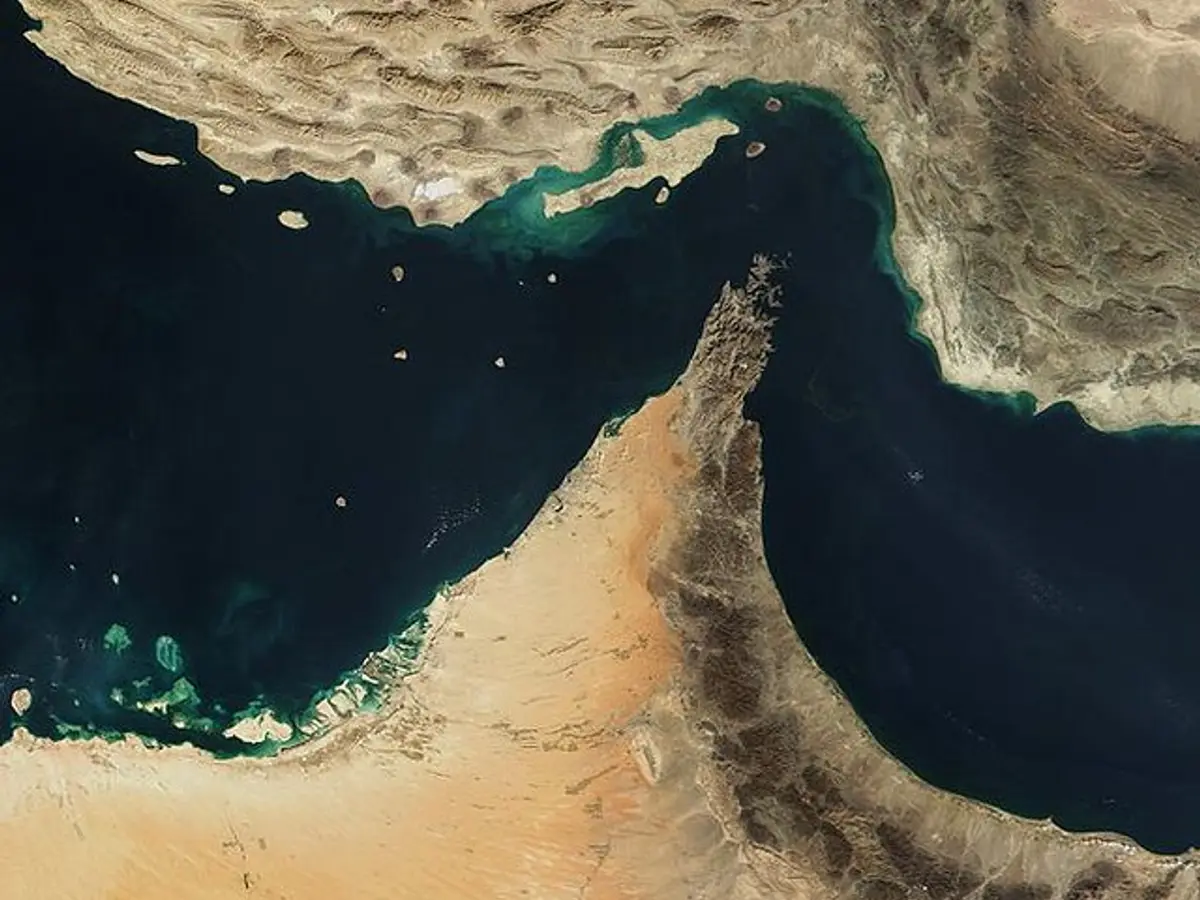
A war disrupted a major route used to move oil around the world.
More than 1.1 billion barrels did not reach markets by the end of May.
Oil prices did not rise even more because people used less oil, other countries produced more, and stored oil was released.
Saudi Arabia and the United Arab Emirates found other routes for some shipments.
However, those routes could not replace all the oil normally traveling through the Strait of Hormuz.
The world used much of its stored oil to fill the gap.
This means there is now less stored oil and less spare production available.
The IMF says countries should rebuild stocks and find more ways to move and produce energy.
It also says fuel subsidies should be limited and temporary.

More than 1.1 billion barrels of crude failed to reach markets by the end of May, roughly 10 days of global consumption.
Saudi Arabia and the United Arab Emirates rerouted some supplies, but alternatives replaced only a fraction of flows through the Strait of Hormuz.
Oil demand fell, non-Gulf producers increased output by nearly 2 million barrels per day, and global stocks covered most of the shortfall.
Inventories, spare production capacity and demand flexibility have all been reduced by the disruption.
The IMF recommends rebuilding oil stocks, diversifying supply routes and energy sources, and making consumer support temporary and targeted.
- Who
- Gulf oil producers, producers outside the Gulf, consumers and governments; the IMF assessed the market response.
- What
- A major disruption to global oil supplies caused more than 1.1 billion barrels of crude to miss the market, while several buffers prevented an even larger price shock.
- Where
- The disruption centered on Gulf oil flows and the Strait of Hormuz, with alternative routes including Yanbu on the Red Sea and Fujairah.
- When
- The supply deficit occurred mainly from March through May; more than 1.1 billion barrels had failed to reach the market by the end of May.
- Why
- Oil prices were contained because demand fell, non-Gulf production increased and global inventories were drawn down.
Key facts
- Crude shortfall
- More than 1.1 billion barrels by the end of May.
- Equivalent consumption
- The shortfall equaled roughly 10 days of normal global consumption.
- Market deficit
- The market faced a deficit of about 4 million barrels per day from March through May.
- Non-Gulf production
- Production outside the Gulf rose by nearly 2 million barrels per day compared with 2025 levels.
- Alternative routes
- Saudi Arabia used its pipeline to Yanbu, while the United Arab Emirates operated export facilities at Fujairah close to capacity.
- Recovery estimate
- Industry estimates suggest significant oil flows could take two to three months to resume after a full reopening of the Strait of Hormuz.
- IMF recommendations
- Rebuild inventories, diversify supply routes and energy sources, and make consumer support targeted and temporary.
Sources
Related news
World Oil Stocks Face Six-Month Survival Test Amid US-Iran War

Iran War Drives Record Global Oil Crisis Amid Conflicts
China's Oil Buying and Stockpile Helped Avert Global Hormuz Shock
Oil prices fall on demand cuts despite US-Iran supply risks
EIA warns Hormuz disruptions will keep pressure on oil markets
Oil Prices Slide as Hormuz Reopening Eases Supply Fears

US-Iran Strikes Escalate as Tehran Warns of New Strategy

Trump Warns of Fresh Iran Strike After Heavy Attack

Trump Says US Could Attack Iran Again at Will

U.S. Treasury Yields Ease as Jobs Data Misses Expectations

Iran Seizes Fuel-Smuggling Vessel in Gulf, Arrests 11 Crew