1 week ago
Oil Prices Slide as Hormuz Reopening Eases Supply Fears
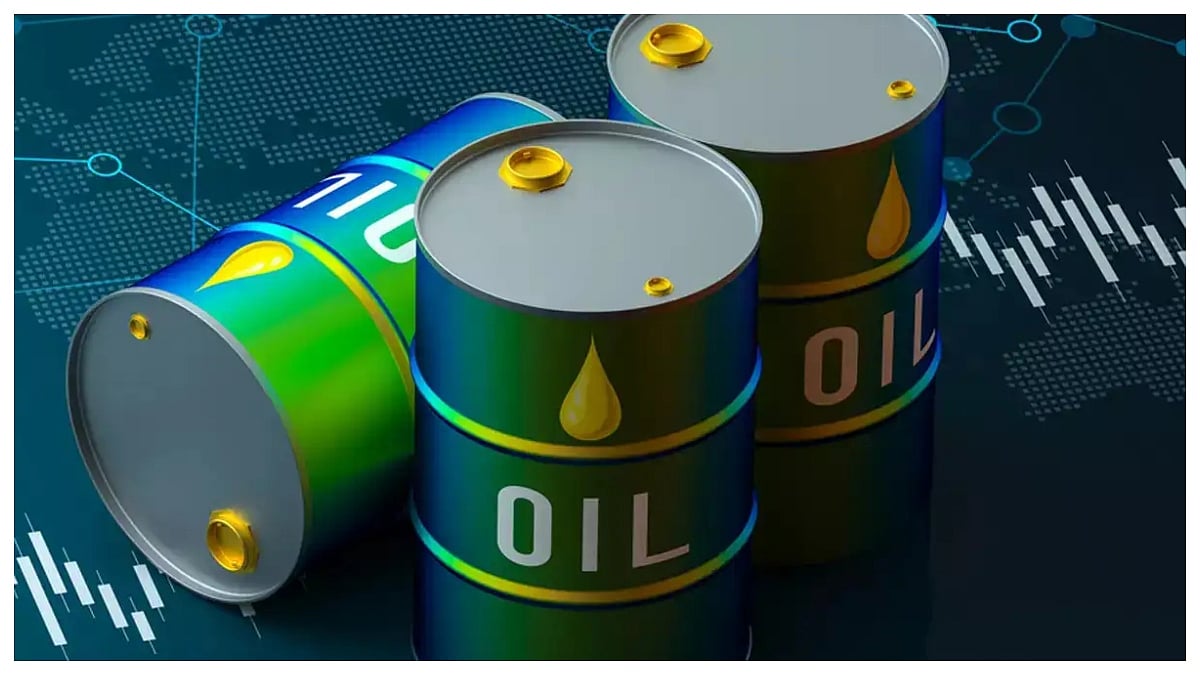
Oil prices went down by more than 2.5% on Wednesday.
Prices fell because traders hoped ships could move more normally through the Strait of Hormuz.
This waterway carried about one-fifth of global oil and liquefied natural gas shipments before the conflict began.
Iran said it had restarted talks with Oman about managing vessel movement.
Pakistan also said progress had been made toward an interim ceasefire with the United States.
These developments reduced fears that global oil supplies would be disrupted.
However, the United States announced more sanctions against Iran.
Prices could rise again if shipping through the strait is disrupted.

Brent crude fell 2.6% to $86.28 a barrel, while WTI declined 2.5% to $80.29.
The declines followed losses of more than 3% for both benchmarks during the previous session.
Iran said it resumed discussions with Oman on managing vessel movement through the Strait of Hormuz.
Pakistan reported progress toward an interim ceasefire with the United States, raising hopes that shipping disruptions could ease.
Markets remain vulnerable to renewed geopolitical shocks despite additional United States sanctions targeting Iran.
- Who
- Iran, Oman, Pakistan, the United States, China, and global oil-market participants.
- What
- Oil prices fell more than 2.5% as hopes for improved shipping through the Strait of Hormuz reduced supply-disruption concerns.
- Where
- The Strait of Hormuz and international energy markets.
- When
- Wednesday, after both major oil benchmarks fell more than 3% during the previous session.
- Why
- Expectations that vessel traffic could improve eased the risk premium in crude prices, despite continuing geopolitical tensions and new sanctions.
Reopening Optimism
Renewed Disruption Risk
Near-term oil-price outlook
Reopening Optimism
Talks involving Iran and Oman, along with reported ceasefire progress involving Pakistan and the United States, could help restore shipping through the Strait of Hormuz and reduce supply concerns.
Renewed Disruption Risk
Any fresh disruption to vessel movement could quickly push crude prices higher, leaving the market exposed to geopolitical shocks.
Response to sanctions
Reopening Optimism
The decline in oil prices suggests that expectations for improved Strait traffic are currently influencing market sentiment more strongly than the latest sanctions announcement.
Renewed Disruption Risk
The United States continues to impose pressure on Iran, while the United States military monitors the strategic route, indicating that tensions remain unresolved.
Approach to the dispute
Reopening Optimism
Efforts to manage vessel movement and pursue an interim ceasefire could gradually ease shipping disruptions.
Renewed Disruption Risk
China rejects the latest sanctions as illegal and says the dispute should be resolved through dialogue while pledging to protect its interests.
Key facts
- Brent price
- Brent crude futures fell $2.30, or 2.6%, to $86.28 a barrel.
- WTI price
- United States West Texas Intermediate crude fell $2, or 2.5%, to $80.29 a barrel.
- Previous-session decline
- Both major benchmarks fell by more than 3% during the previous session.
- Strait importance
- The Strait of Hormuz accounted for roughly one-fifth of global oil and liquefied natural gas shipments before the conflict began.
- Diplomatic discussions
- Iran said it resumed discussions with Oman on managing vessel movement through the waterway.
- Additional sanctions
- The United States announced additional secondary sanctions targeting Iran.
- China's position
- China called the latest United States sanctions against Iran and its trading partners illegal and urged dialogue.
Sources
Related news
Oil Prices Slide as Iran-Oman Talks Ease Hormuz Disruption Fears
Oil Prices Rise 1% as Strait of Hormuz Reopening Uncertain

Oil Prices Surge Above $90 as US-Iran Tensions Escalate

Oil Prices Slip as Iran-Oman Talks Raise US-Iran Peace Hopes
Oil prices rise as US-Iran talks stall over Hormuz

Trump Floats Renaming Strait of Hormuz as ‘Trump Strait’

Chevron Plans $7 Billion Venezuela Expansion Amid U.S. Oil Push

Saudi Arabia Says Iranian Tanker Attack Killed Two Sailors
U.S.-Iran Exchange Escalates Across Middle East, Markets Slide
Trump Aides Seek Quiet Iran War Before Midterm Elections