1 week ago
US Navy Says Hormuz Oil Flows Recover Amid Security Risks

The Strait of Hormuz is an important waterway used to transport oil.
The US Navy has been helping some commercial ships travel through it.
Energy Secretary Chris Wright said oil traffic has increased, with more than eight million barrels moving through the strait each day on average over one week.
He also said more than 15 million barrels moved on Tuesday.
However, this is still less than before the conflict, when about 21.6 million barrels moved through the strait each day.
Some ships have been waiting because of attacks, high insurance costs and safety concerns.
The United States is helping some ships but is also blocking ships connected to Iranian ports and coastal areas.
A shipping-monitoring group said some vessels were redirected, disabled or boarded.
The area remains dangerous, and one seafarer was killed in an August 18 attack.

Energy Secretary Chris Wright said more than 15 million barrels moved through the Strait of Hormuz on Tuesday.
Including regional pipelines, nearly 20 million barrels left the Gulf region, Wright said.
The seven-day average through the strait exceeded eight million barrels per day, above the second-quarter average of 4.9 million.
Traffic remains below the 21.6 million barrels per day recorded in the final quarter of 2025.
United Against Nuclear Iran reported increased US-facilitated transits but continued attacks, blockades and maritime uncertainty.
- Who
- The US Navy, Energy Secretary Chris Wright, commercial shipping operators and United Against Nuclear Iran are central to the report.
- What
- US forces have helped increase oil and petroleum-product traffic through the Strait of Hormuz while maintaining a blockade involving Iranian ports and coastal areas.
- Where
- The activity involves the Strait of Hormuz and wider Gulf-region shipping routes.
- When
- Wright cited Tuesday's shipment total and a seven-day average; monitoring data covered August 18-19 and activity since June 20.
- Why
- The Navy is assisting compliant commercial vessels because conflict-related attacks, restrictions and uncertainty had reduced shipping through the strait.
US administration assessment
Maritime-security assessment
Oil-flow recovery
US administration assessment
Energy Secretary Chris Wright said the US Navy is enabling oil to flow through the Strait of Hormuz, with the seven-day average above eight million barrels per day.
Maritime-security assessment
United Against Nuclear Iran reported rising facilitated traffic but said shipping remained uneven because of attacks, insurance costs and uncertainty.
US maritime operations
US administration assessment
The Navy is assisting compliant commercial vessels navigating the southern shipping corridor.
Maritime-security assessment
United Against Nuclear Iran said US forces had redirected 67 vessels, disabled three that did not comply and boarded two while enforcing a blockade involving Iranian ports and coastal areas.
Safety conditions
US administration assessment
The reported increase in traffic indicates improved movement through the strategic waterway.
Maritime-security assessment
United Against Nuclear Iran described conditions as highly volatile and reported two vessel attacks on August 18 after an earlier memorandum of understanding expired.
Key facts
- Tuesday's reported movement
- More than 15 million barrels of oil and petroleum products moved through the Strait of Hormuz.
- Seven-day average
- More than 8 million barrels per day moved through the strait.
- Regional total
- Including pipelines, nearly 20 million barrels left the Gulf region.
- Pre-conflict comparison
- About 21.6 million barrels per day moved through the strait in the final quarter of 2025.
- Second-quarter average
- Average Hormuz oil flows were 4.9 million barrels per day after conflict and shipping restrictions reduced traffic.
- Facilitated transits
- United Against Nuclear Iran said 1,081 US-facilitated transits had been recorded since June 20, including 71 during August 18-19.
- Reported casualties
- One seafarer was killed in a separate August 18 incident, bringing reported crew casualties during the conflict to 19.
- Pipeline capacity
- Saudi and Emirati pipelines can bypass the strait with about 4.7 million barrels per day, according to the Energy Information Administration.
Quotes
Chris Wright
US Energy Secretary
“Make no mistake, thanks to the U.S. Navy, oil is flowing through the Strait of Hormuz”
 thehansindia.com
Sources
Related news

US says Hormuz oil flows higher than tracked

U.S. Opens Secret Oil Corridor Through Hormuz Amid Iran Stalemate

Trump Says U.S. Controls Strait as Oil Tankers Continue Passing

Trump Declares Strait of Hormuz Open as Tanker Traffic Resumes

US Oil Flows Continue as Strait of Hormuz Faces Disruption
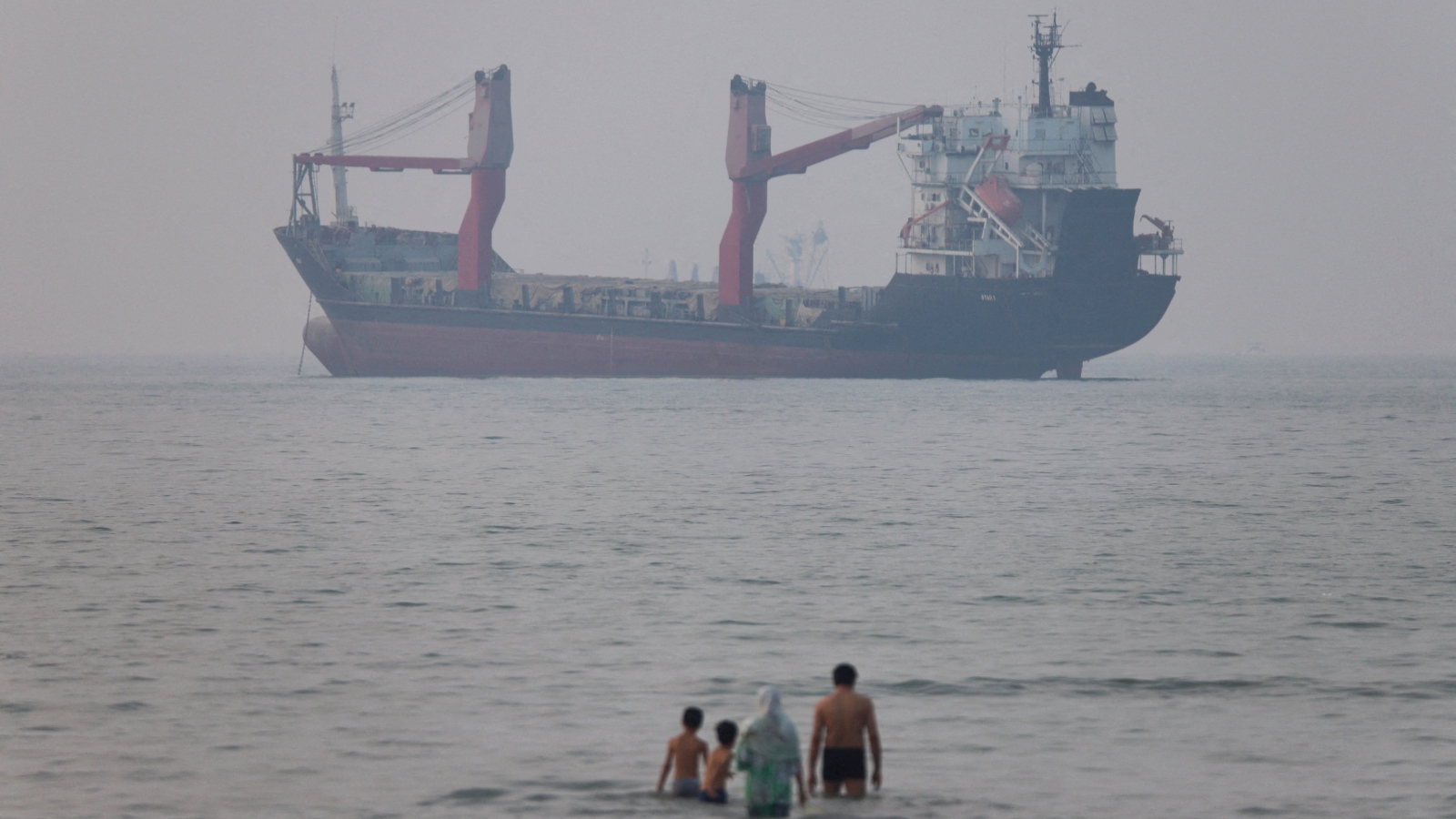
Shipping Data Challenges US Claims of Control Over Hormuz

US-Iran Strikes Escalate as Tehran Warns of New Strategy

Trump Warns of Fresh Iran Strike After Heavy Attack

Trump Says US Could Attack Iran Again at Will

U.S. Treasury Yields Ease as Jobs Data Misses Expectations

Iran Seizes Fuel-Smuggling Vessel in Gulf, Arrests 11 Crew