1 hr ago
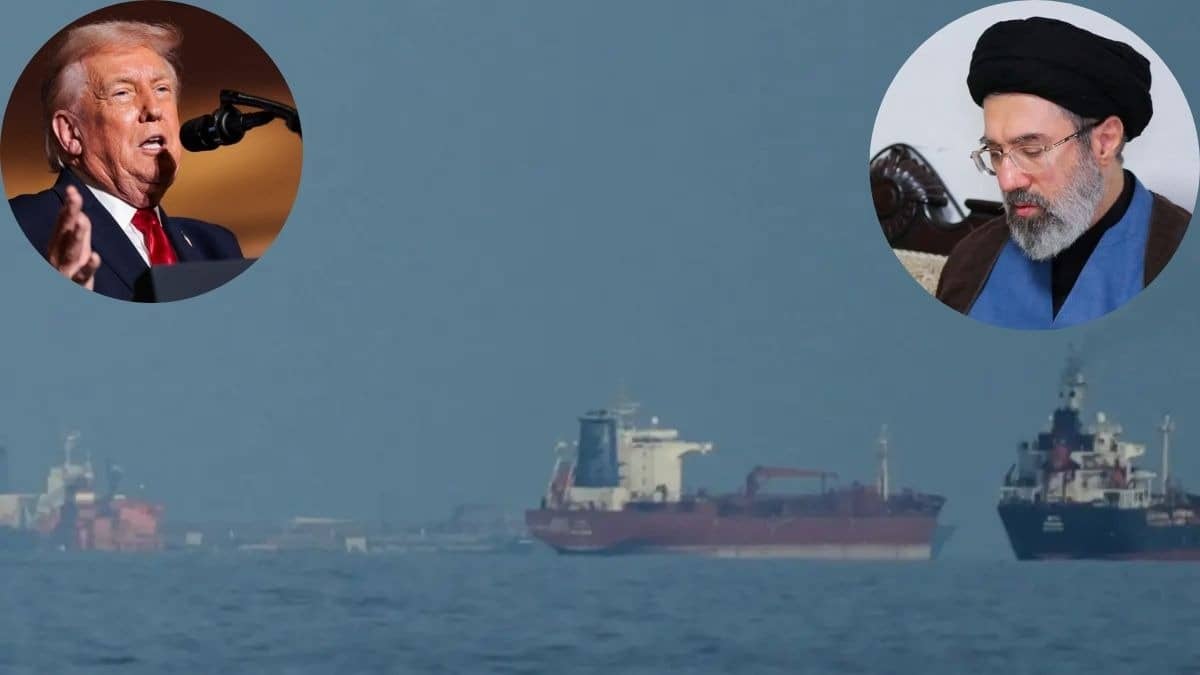
Iran-Oman Routes Keep Hormuz Closed, Threatening Oil and Trade
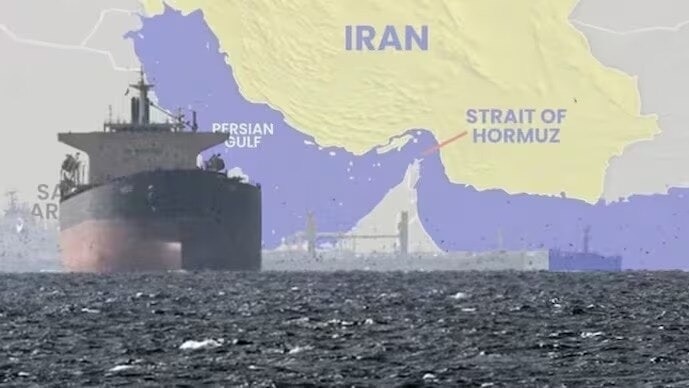
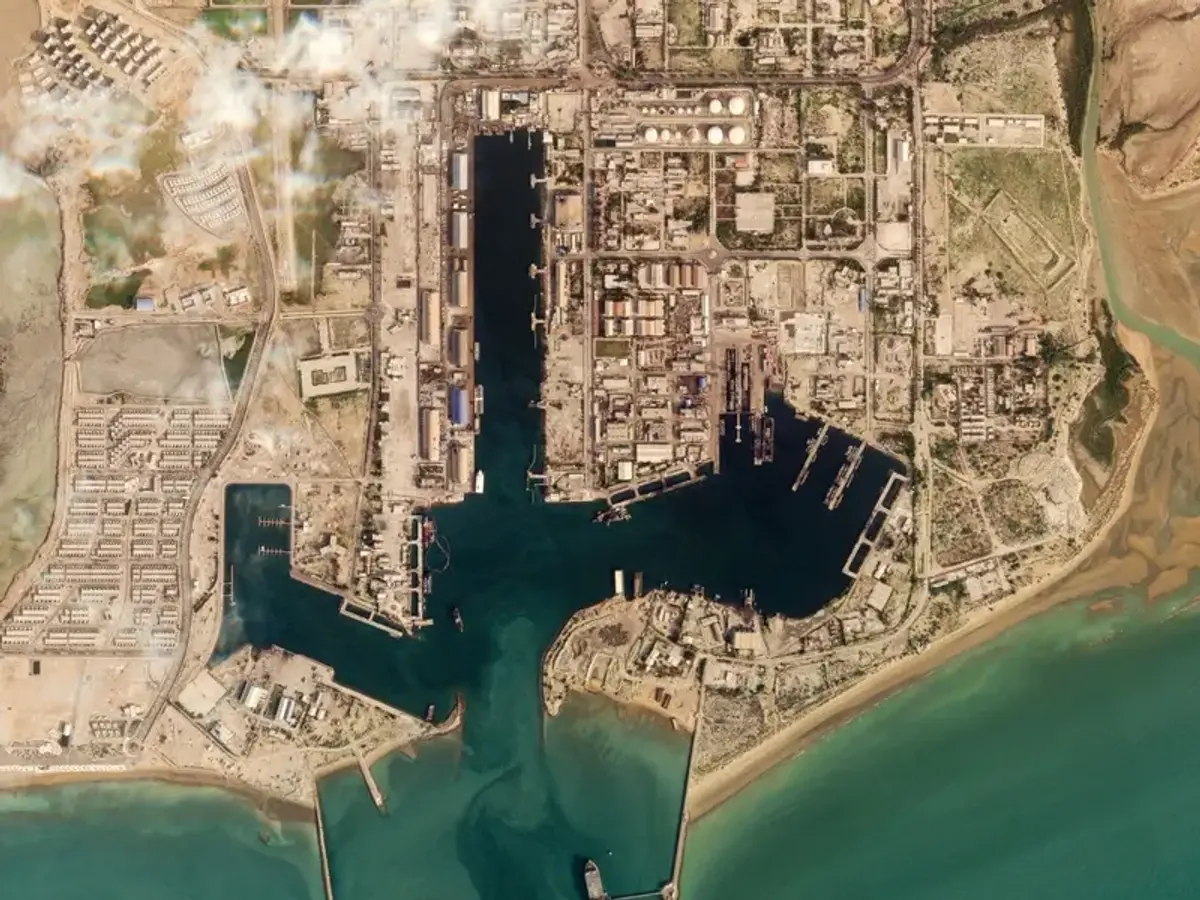
Iran and Oman have agreed on possible new paths for ships near the Strait of Hormuz.
These paths would partly pass through Iranian waters.
However, the agreement does not mean the strait has reopened.
Iran says it will remain closed until its conditions involving the United States are met.
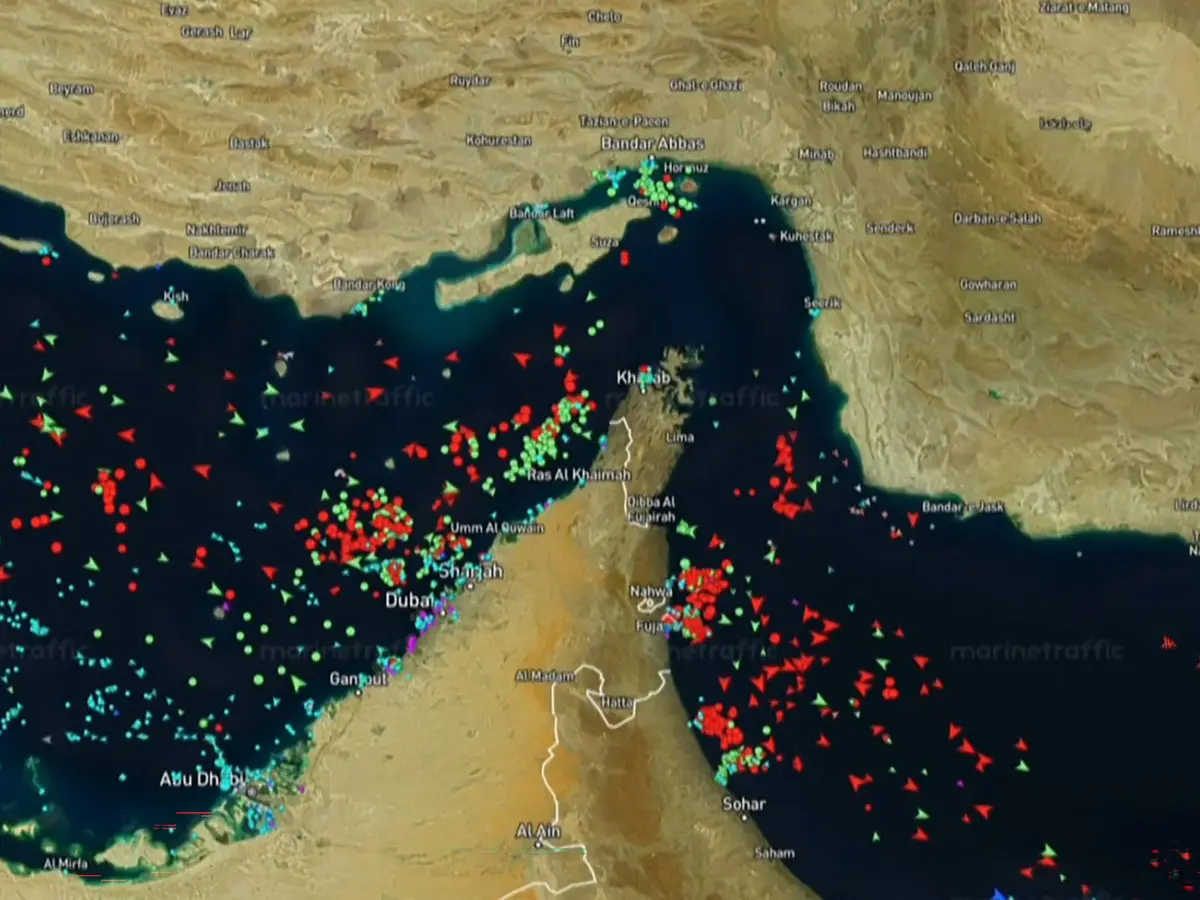
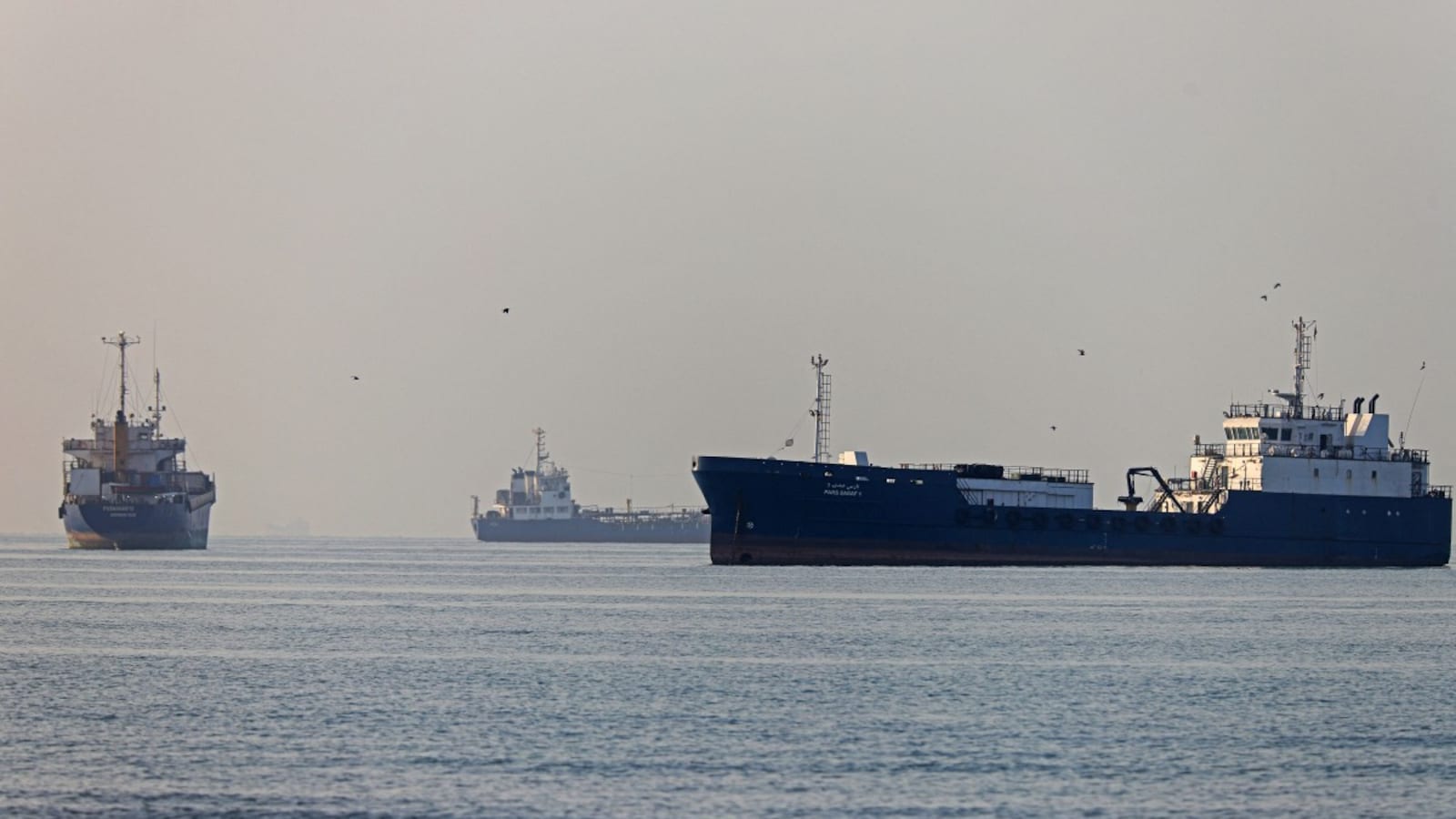
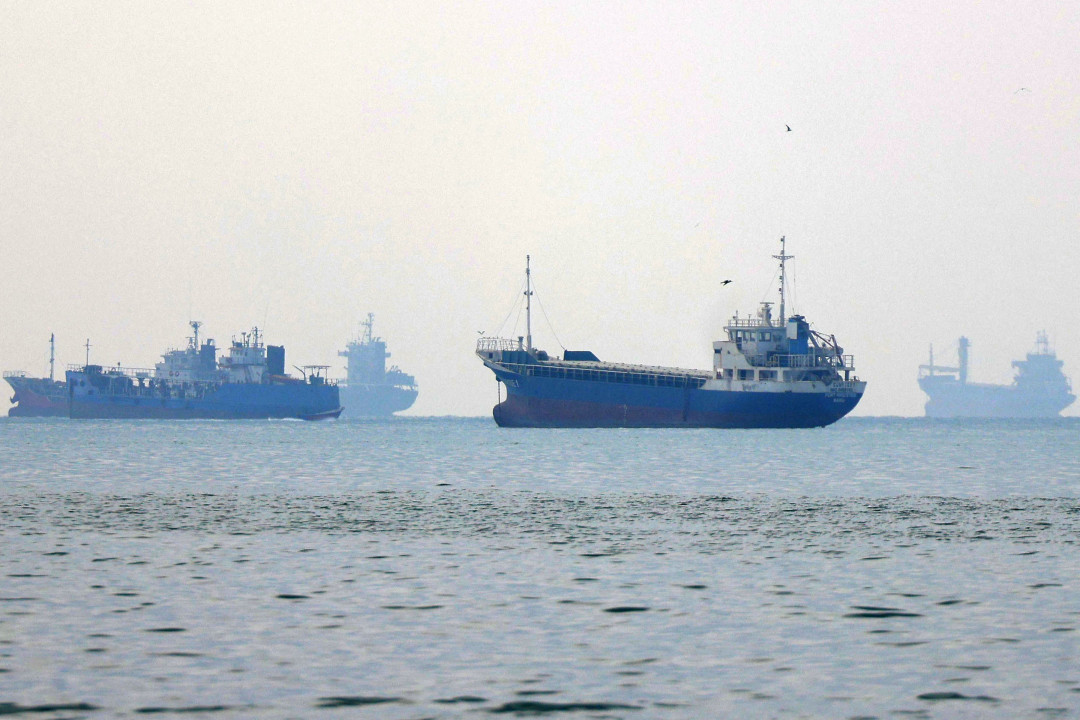
Far fewer ships are using the strait than before the conflict.
This has helped push oil prices higher and could also affect gas, electricity, shipping and inflation.
Some pipelines can carry oil around Hormuz, but they cannot replace all the shipments that normally use the strait.
Another danger is that Houthi forces are threatening the Bab el-Mandeb waterway near Yemen.
Together, these problems could make global trade more expensive and uncertain.

Iran and Oman agreed on proposed vessel routes through Iranian territorial waters, but the Strait of Hormuz remains closed.
The arrangement would place Iran at the center of traffic management and builds on an earlier temporary-corridor framework.
Hormuz traffic has fallen from more than 100 vessels daily to roughly five, with recent data showing about 10 commodity ships per day.
Brent crude was on course for a weekly gain exceeding 8% by September 11, while prices remained above $100 per barrel.
Alternative pipelines and routes cannot fully replace Hormuz, while threats near Yemen’s Bab el-Mandeb Strait create additional shipping risks.
- Who
- Iran and Oman agreed on proposed navigation routes; shipowners, Gulf oil producers and Houthi forces are also involved in the broader shipping crisis.
- What
- The countries agreed on an arrangement for new vessel routes through and partly around Iranian territorial waters, but Hormuz remains closed.
- Where
- The proposed routes concern the Strait of Hormuz and the Persian Gulf; related risks involve the Bab el-Mandeb Strait near Yemen.
- When
- The latest understanding was reported in September; traffic data cited covers August and early September, with additional developments reported on September 11.
- Why
- Iran has said Hormuz will remain closed until its conditions involving the United States are met, while the proposed routes are intended to enable limited navigation and manage traffic.
Iranian Route and Control
Southern Route and External Management
Route sovereignty
Iranian Route and Control
Iran supports a corridor that runs through Iranian territorial waters and places Tehran at the center of traffic management.
Southern Route and External Management
Washington and Oman previously backed a southern route that Iran opposed, arguing that it infringed on Iranian sovereignty.
Conditions for reopening
Iranian Route and Control
Iran says the Strait of Hormuz will remain closed until its conditions involving the United States are met.
Southern Route and External Management
The proposed Iran-Oman corridor offers a potential mechanism for limited commercial traffic, but shipping companies continue to weigh insurance, naval threats, mines, attacks and uncertainty over route control.
Key facts
- Proposed inbound route
- Through Iranian territorial waters.
- Proposed outbound route
- Partly through Iranian territorial waters.
- Proposed corridor width
- About 7 miles, or 11.3 kilometers.
- Recent Hormuz traffic
- An average of about 10 commodity ships per day in a 10-day period in early September.
- Normal energy importance
- Roughly one-fifth of global oil supplies normally move through Hormuz.
- Brent crude
- On course for a weekly gain of more than 8% as of September 11, with prices above $100 per barrel.
- Pipeline alternatives
- Saudi Arabia’s East-West pipeline can carry about 7 million barrels per day, while the Abu Dhabi Crude Oil Pipeline carries roughly 1.5 million barrels per day.
- Additional maritime risk
- Houthi forces are threatening the Bab el-Mandeb Strait, a gateway between the Indian Ocean and the Suez Canal.
Sources
Related news

Iran and Oman near deal on temporary Hormuz shipping route
Iran-Oman strike landmark deal to secure Strait of Hormuz
Oil Prices Slide as Iran-Oman Talks Ease Hormuz Disruption Fears
Iran Keeps Strait of Hormuz Militarily Closed, Offers Oman Route
Iran and Oman Advance Interim Strait of Hormuz Corridor
Iran, Oman Finalise Hormuz Transit Deal Amid US Threats

Iranian Commercial Vessel Hit Near Strait of Hormuz, One Killed
One Killed, Three Injured After Ship Struck In Hormuz
Iran Sets Seven Conditions Before Reopening Strait of Hormuz
Iran, Oman Set New Strait of Hormuz Routes Amid Tensions