

4 hrs ago
China’s Oil Stockpile Helps Cushion Prices During Iran War
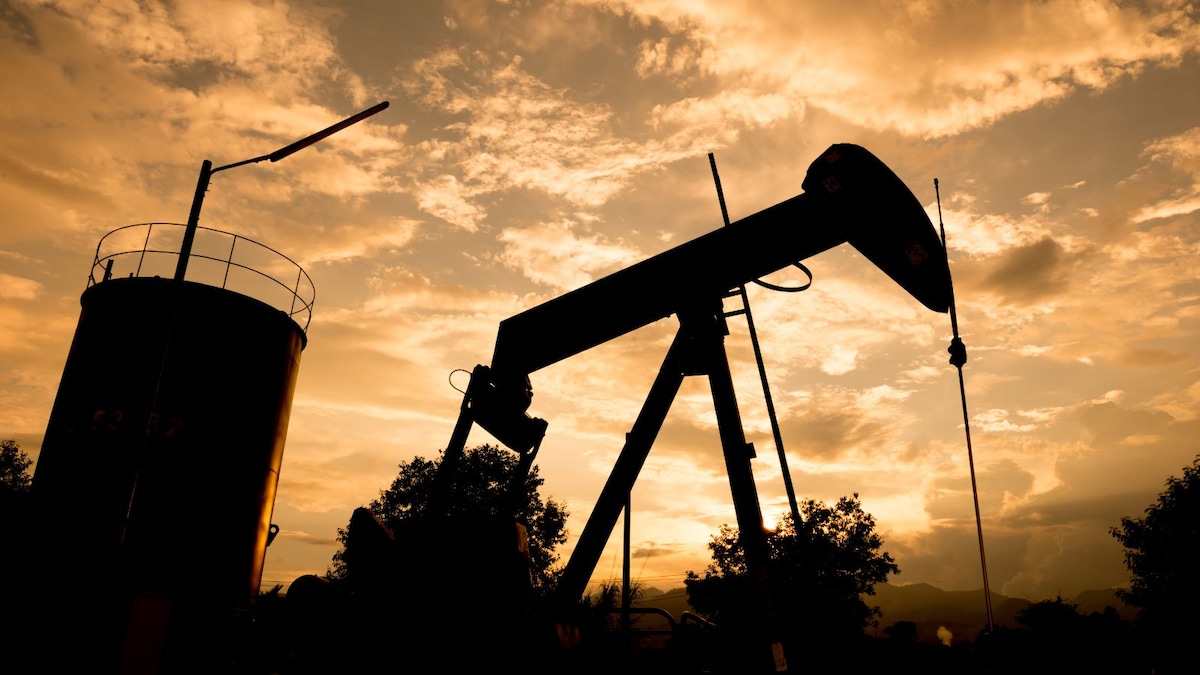
A long war involving Iran has made it harder to move oil around the world.
Many experts feared oil prices would become much higher than they are now.
China had stored a huge amount of oil before the war.
When imports became harder, China used some of its stored oil instead of buying as much from other countries.
This meant China needed less new oil, which helped keep worldwide prices from rising even more.
China’s stockpile was built partly to protect itself from future supply problems.
The benefit may not last if attacks spread or important shipping routes stay closed.
Trump and Xi may discuss the war, but they do not agree on how China should deal with Iran.
Analysts say oil prices could climb substantially if disruptions worsen.

China cut crude imports by 32% in the second quarter, drawing on an estimated 1.4 billion-barrel strategic reserve.
The reduced Chinese demand has helped moderate oil-price increases for the United States, Europe and other markets.
Brent crude is hovering near $100 a barrel after briefly reaching $126 in late April.
Analysts warn prices could rise to $120, or possibly $150 if violence damages major energy infrastructure.
Trump and Xi still differ sharply over Iran, the Strait of Hormuz and pressure on Tehran.
- Who
- The governments of China, the United States and Iran, especially President Xi Jinping and President Donald Trump, are central to the story.
- What
- China’s oil reserves and sharply reduced imports have helped cushion global oil prices during the continuing Iran conflict, while disagreements between Washington and Beijing persist.
- Where
- The conflict and supply disruptions involve Iran, the Strait of Hormuz, the Gulf region and the wider global oil market.
- When
- The conflict began in late February and had continued for about six months when the article was published; Xi’s visit to Washington was expected the following week.
- Why
- China reduced imports and used its stockpile after supply risks increased, lowering global demand; the United States wants Beijing to use its influence over Iran, but China opposes the war and resists further pressure.
Arguments Credit China’s Strategy
Concerns About China’s Limits and Motives
Effect on oil prices
Arguments Credit China’s Strategy
Energy analysts say China’s decision to draw on its reserves and reduce imports had the greatest moderating effect on prices since the war began.
Concerns About China’s Limits and Motives
The relief may be temporary because attacks, infrastructure damage or prolonged closure of the Strait of Hormuz could drive prices much higher.
China’s role toward Iran
Arguments Credit China’s Strategy
Some analysts argue China has an incentive to help stabilize the market and could use its economic influence to encourage Iran to reopen the Strait of Hormuz.
Concerns About China’s Limits and Motives
Chinese officials oppose the United States-led war and have resisted calls for greater economic pressure on Iran, so a diplomatic breakthrough appears unlikely.
Reason for the stockpile
Arguments Credit China’s Strategy
China’s reserves have demonstrated the value of Xi Jinping’s emphasis on energy self-reliance and contingency planning.
Concerns About China’s Limits and Motives
Analysts say the stockpile was built largely for potential military contingencies involving Taiwan, not primarily to assist global markets, and using it now is costly for Beijing.
Key facts
- China’s estimated oil reserve
- About 1.4 billion barrels at the end of last year, according to United States Energy Information Administration estimates.
- Second-quarter Chinese imports
- An average of 8.1 million barrels per day, nearly 4 million barrels per day—or 32%—below the first quarter.
- Current Brent price
- Around $100 per barrel.
- Recent Brent peak
- $126 per barrel in late April.
- Bank of America forecast
- $83 per barrel for the second half of the year, assuming shipping through the Strait of Hormuz gradually recovers.
- Higher-risk price scenarios
- Analysts said prices could reach $95-$120 per barrel if disruptions persist, and up to $150 if major energy infrastructure is damaged.
- China’s energy strategy
- Beijing has emphasized energy self-reliance and has also increased electric-vehicle use and other energy alternatives.
Quotes
Rosemary Kelanic
Director of the Middle East program at Defence Priorities
“We’ve been free-riding off Beijing in a weird way. China’s doing it because they understand that they’re on the train that Trump is driving off a cliff. If oil prices go way up, that hurts the global economy. If it hurts the global economy, it hurts them.”
 CNBC TV 18
“They did in 10 years what took us 25 years after the 1973 oil crisis to do: really build a kind of strategic petroleum reserve that could allow you to weather this.”
CNBC TV 18
Sources
Related news

China’s Oil Stockpiles Become a Shield Against Western Pressure

High Oil Prices Keep China’s Crude Buying Below Past Peaks

US Confidence in Iran War Tied to China Oil Angle

Clinton Says India, China Could Help Resolve West Asia Conflict
Iran Oil Sanctions Put China’s Refiners and Banks Under Pressure

Saudi Seeks China Help as Houthi Advances Threaten Oil Exports

Saudi Arabia Issues Rare Air-Raid Alerts Over Riyadh
Iran Claims Tanker Strike Amid Strait Tensions and Rally

North Sea Oil Premiums Hit Records as Saudi Sales Shift
Iran War Drives Diesel Supply Losses Beyond Trump’s Claims
