3 weeks ago
Trump demands Iran pay compensation; Strait of Hormuz deal stalls
The United States and Iran are having a big argument about a narrow waterway called the Strait of Hormuz.
Many ships carrying oil and gas sail through the waterway to reach the rest of the world.
The waterway has been blocked since the United States and Israel attacked Iran in February.
President Donald Trump says Iran should pay money to the families of people it hurt or killed in wars and protests.
Iran says the United States should first pay for damage from the attacks and stop its sanctions.
Each side wants the other to act first before the waterway reopens.
While the waterway stays blocked, oil and gas prices go up around the world.
That is why prices rose after Iran made a new statement.
Iranian leaders are not expecting a deal with President Trump before his term ends.
In Yemen, an attack linked to the conflict killed seven people.

President Donald Trump on Monday demanded Iran pay compensation for people he said it killed with roadside bombs and in conflicts and protests, and said the demand would be included in all future negotiations.
Trump also asserted the U.S. Navy has "100% control" of the Strait of Hormuz through an "infallible" blockade, and demanded payments for families of those killed on the USS Cole while referencing the late Iranian commander Qassem Soleimani, though the 2000 attack was blamed on al Qaeda, not Iran.
Iranian officials said Tehran was nearing a final pact with Oman on new shipping lanes but insisted the U.S. must compensate Iran, end sanctions and military threats, release frozen assets and withdraw forces before the waterway reopens.
An adviser to Iran's parliament speaker predicted Trump will not reach an agreement with Tehran during his term, which ends January 20, 2029, and backed a strategy of "neither war nor peace."
Brent crude rose 4.25% and Dutch and British front-month gas prices rose more than 10% after Iran restated its conditions, while Yemen's military said seven people were killed in a Houthi attack on Mocha and 11 Houthi drones were shot down.
- Who
- U.S. President Donald Trump, Iranian officials including Foreign Ministry spokesman Esmaeil Baghaei, Revolutionary Guard figure Mohammad Bagher Zolghadr and Parliament Speaker Mohammad Bagher Ghalibaf's adviser, plus Yemen's military and the Houthi rebels
- What
- Trump demanded Iran pay compensation for past deaths and attacks while both sides remained deadlocked over conditions to reopen the blocked Strait of Hormuz
- Where
- Strait of Hormuz, the Gulf, Red Sea, Gulf of Aden and the Yemeni port city of Mocha
- When
- Trump issued his demand on Monday; the strait has been effectively blocked since U.S.-Israeli attacks on Iran on February 28, and the U.S. blockade on Iranian shipping was reimposed in July
- Why
- Both sides pressed competing compensation claims tied to the conflict and the reopening of the strait, while Trump faces pressure to end a war that is unpopular ahead of November midterm elections
Iran and Houthi perspective
United States and allies' perspective
Who should pay compensation
Iran and Houthi perspective
Iran demands the U.S. compensate Tehran for damage caused during the recent five-month conflict and the June 2025 conflict fought primarily with Israel.
United States and allies' perspective
Trump demands Iran pay for people killed and wounded by roadside bombs and conflicts, families of protesters killed over 50 years, and the USS Cole attack, which the articles note was blamed on al Qaeda, not Iran.
Conditions for reopening the Strait of Hormuz
Iran and Houthi perspective
Iran says it is nearing a final pact with Oman on new shipping lanes, but the U.S. must compensate Iran, end sanctions and military threats, release frozen assets and withdraw forces before the waterway reopens.
United States and allies' perspective
The U.S. says its Navy has "100% control" of the strait through an "infallible" blockade and wants a deal, adding a compensation demand that was not mentioned in any previous talks.
Ceasefire, blockades and Yemen
Iran and Houthi perspective
Iran says the U.S. blockade reimposed in July violated the June ceasefire, and the Houthi rebels say their Red Sea naval blockade of Saudi Arabia answers a Saudi siege on them in Yemen.
United States and allies' perspective
Washington reimposed the blockade on Iranian shipping, Riyadh denies any siege and backs Yemen's internationally recognised government, and Yemen's military blames the Houthis for the Mocha attack that killed seven.
Key facts
- U.S. President
- Donald Trump
- Trump's demand
- Compensation for people killed and wounded by roadside bombs and conflicts, families of protesters killed over 50 years and USS Cole families; to be added to all future negotiations
- Iran's conditions
- U.S. compensation for war damage, end of sanctions and military threats, release of frozen assets, withdrawal of U.S. forces
- Strait of Hormuz share of global oil and LNG flow
- About one fifth before the conflict; effectively blocked since February 28
- Ceasefire and blockade timeline
- Ceasefire agreed in June; U.S. blockade reimposed on Iranian shipping in July
- Market reaction
- Brent crude up 4.25% at 1720 GMT; Dutch and British front-month gas prices up more than 10%
- USS Cole reference
- October 12, 2000 attack in Yemen killed 17 U.S. sailors; blamed on al Qaeda, not Iran
- Houthi attack on Mocha
- Seven killed, including military personnel and civilians; 11 Houthi drones shot down
Quotes

Donald J. Trump
President of the United States
“The only one that has control of the Strait of Hormuz right now is the United States Navy. We have a blockade that's been infallible. It's a steel wall. And we let people in that we want to let in, and those people come in, and they've been coming in, and they're going out. We do not let them go into Iran. They're not admitted into the Strait to go to Iran. We control the Strait of Hormuz 100%.”
 republicworld.com
“"I see that Representatives of the Islamic Republic of Iran are asking for compensation for the damage done to them during the last five month Military Conflict (started because, THEY WILL NOT HAVE A NUCLEAR WEAPON), even though it was never mentioned in any of our negotiations or meetings!"”
 firstpost.com
Majid Shakeri
Adviser to Iranian Parliament Speaker Mohammad Bagher Ghalibaf
“"Trump will not reach an agreement with us. We will accompany him until his term ends."”
firstpost.com
Sources
Related news
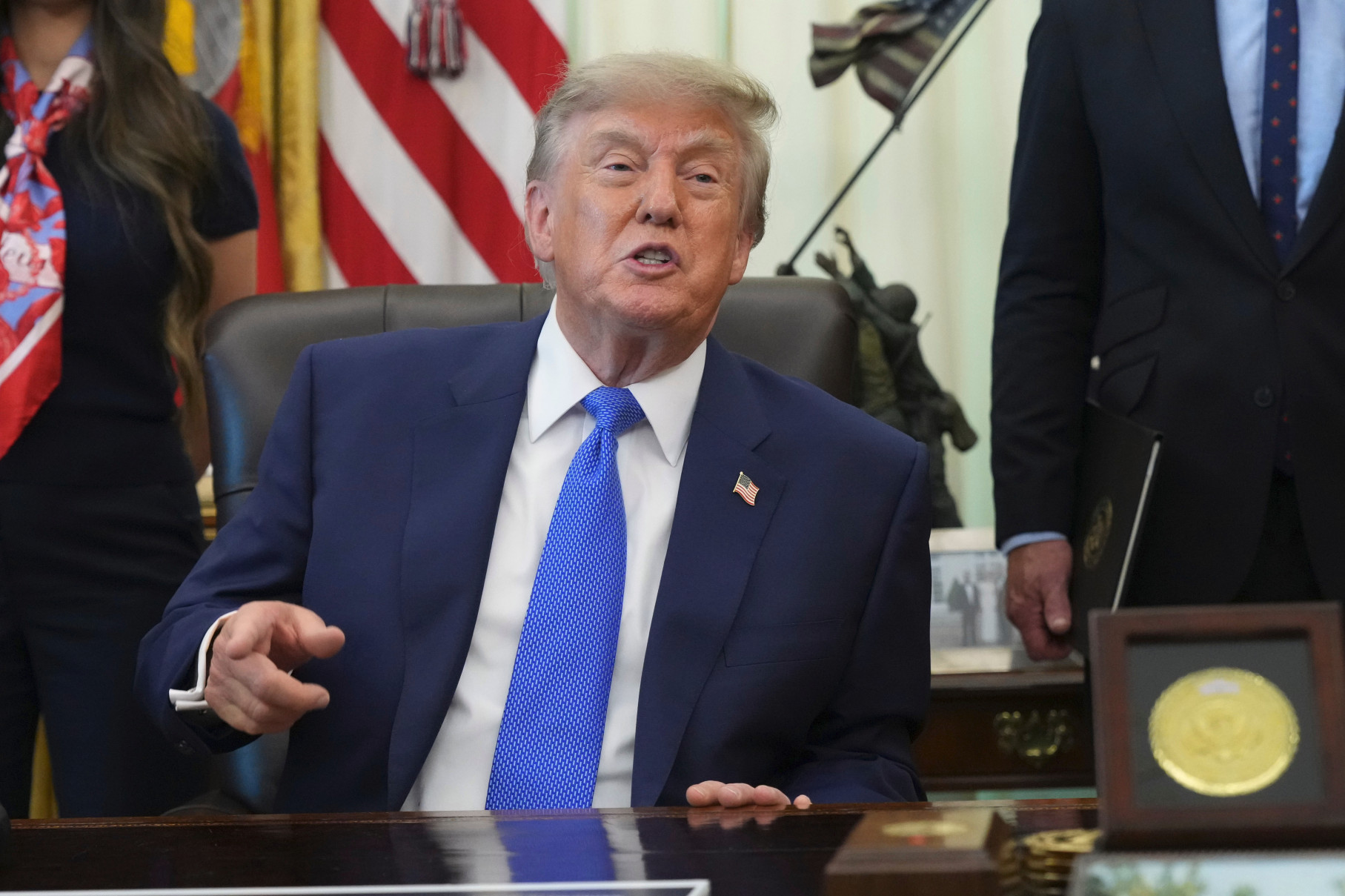
Trump Demands Iranian Reparations, Dimming Hopes for Hormuz Deal
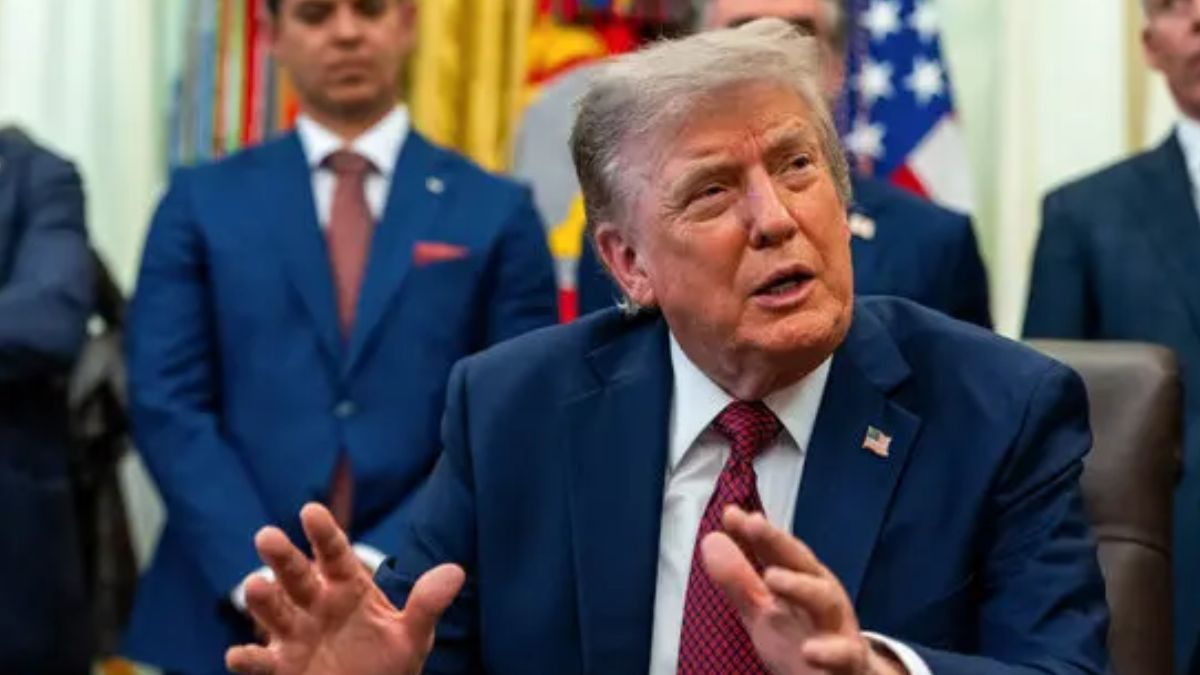
Trump Rejects Iran's Compensation Demand, Issues Counter-Claim for Casualties

Oil Gains Persist as Trump, Iran Clash Over Hormuz Reopening

Iran Demands US Concessions Before Reopening Strait of Hormuz
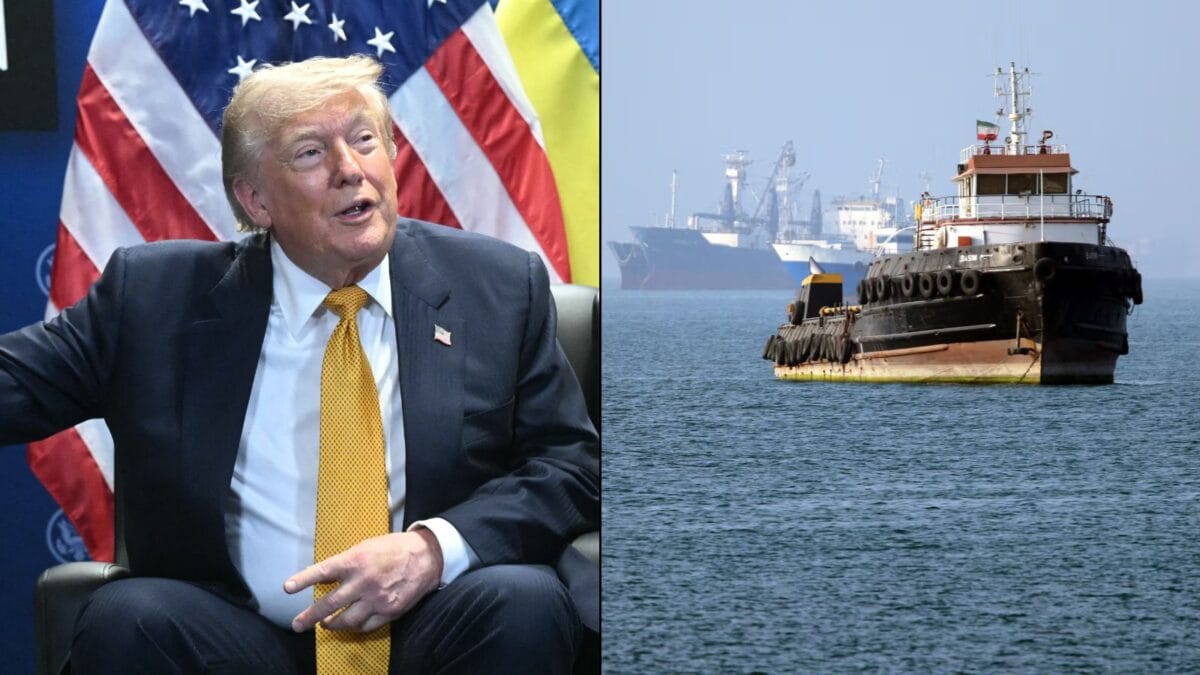
Iran Issues Sweeping Demands for Strait of Hormuz Reopening
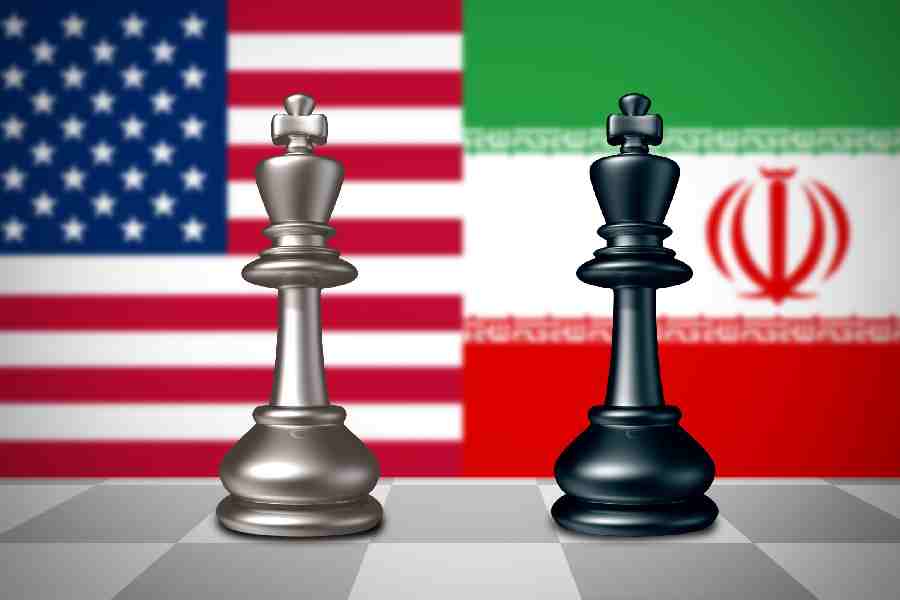
Strait of Hormuz stays closed until U.S. accepts Iran conditions

Trump Floats Renaming Strait of Hormuz as ‘Trump Strait’

Chevron Plans $7 Billion Venezuela Expansion Amid U.S. Oil Push
Saudi Arabia Says Iranian Tanker Attack Killed Two Sailors
U.S.-Iran Exchange Escalates Across Middle East, Markets Slide
Trump Aides Seek Quiet Iran War Before Midterm Elections