3 weeks ago
Strait of Hormuz stays closed until U.S. accepts Iran conditions
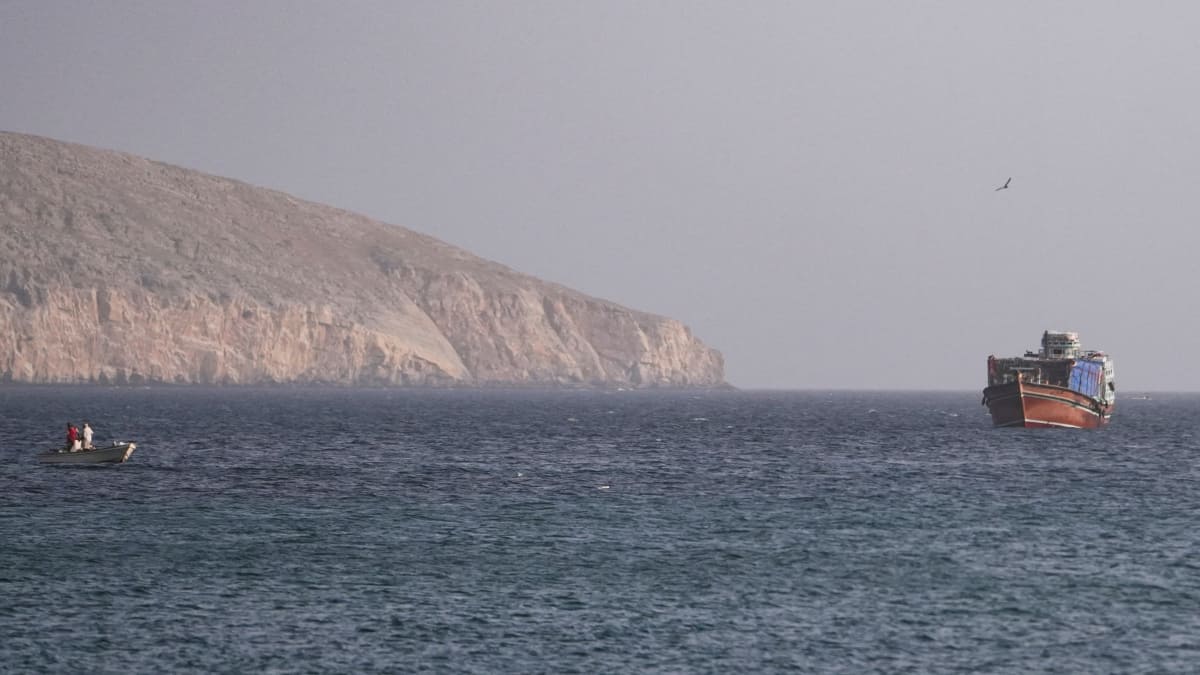
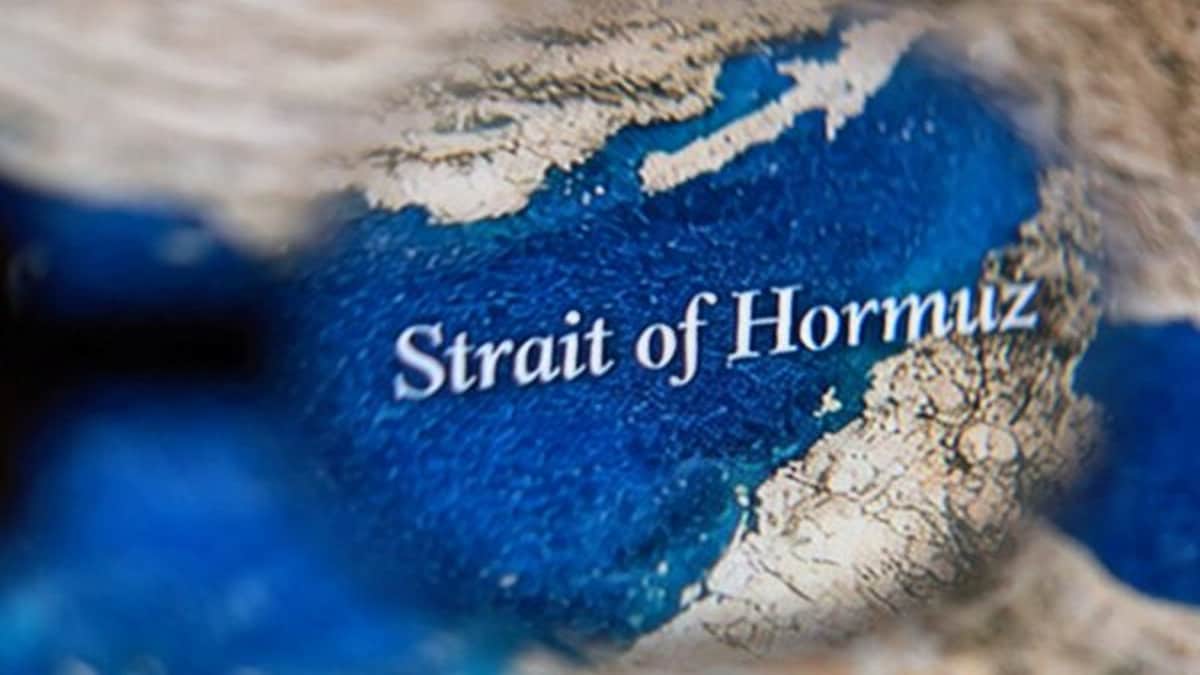
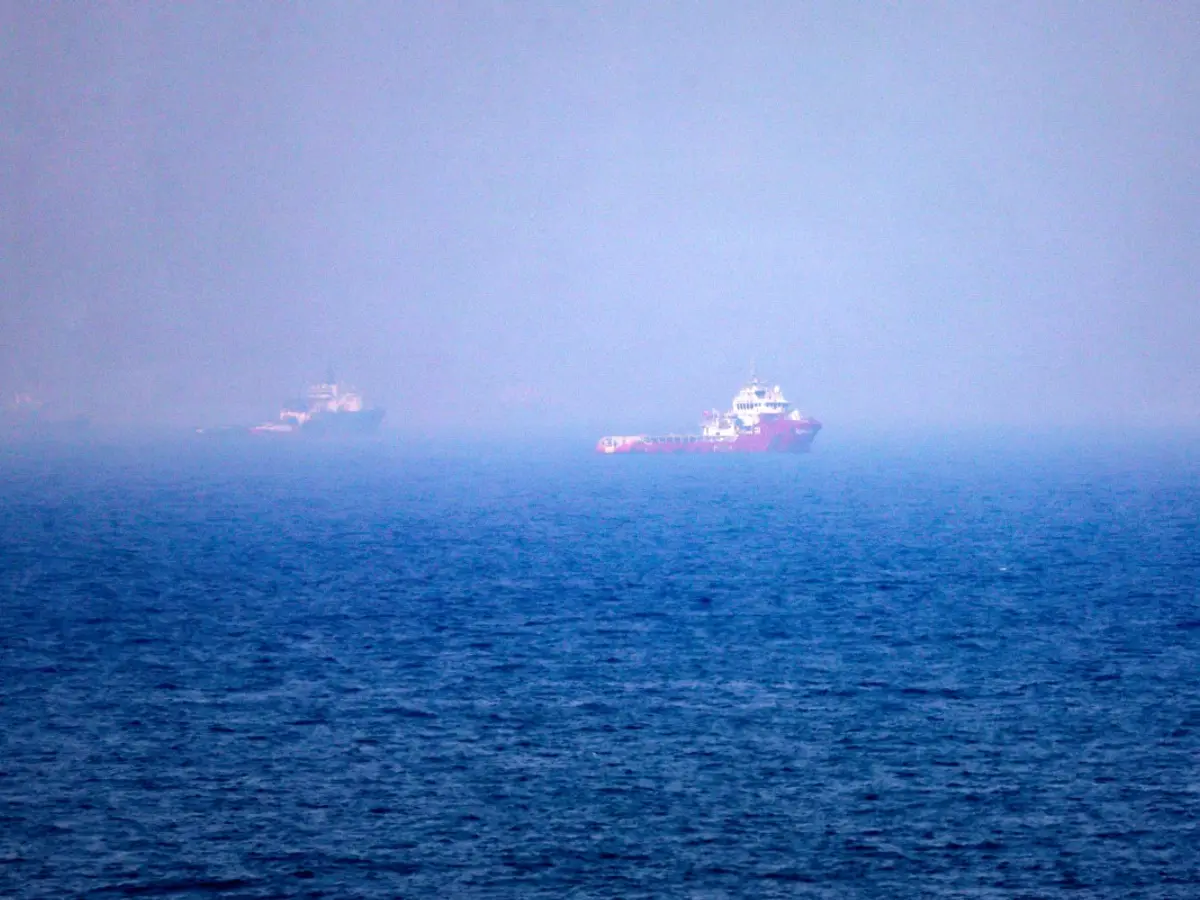
The Strait of Hormuz is a narrow waterway in the Middle East where many ships travel to deliver oil and gas.
Before the war, about one-fifth of the world's oil and gas passed through it.
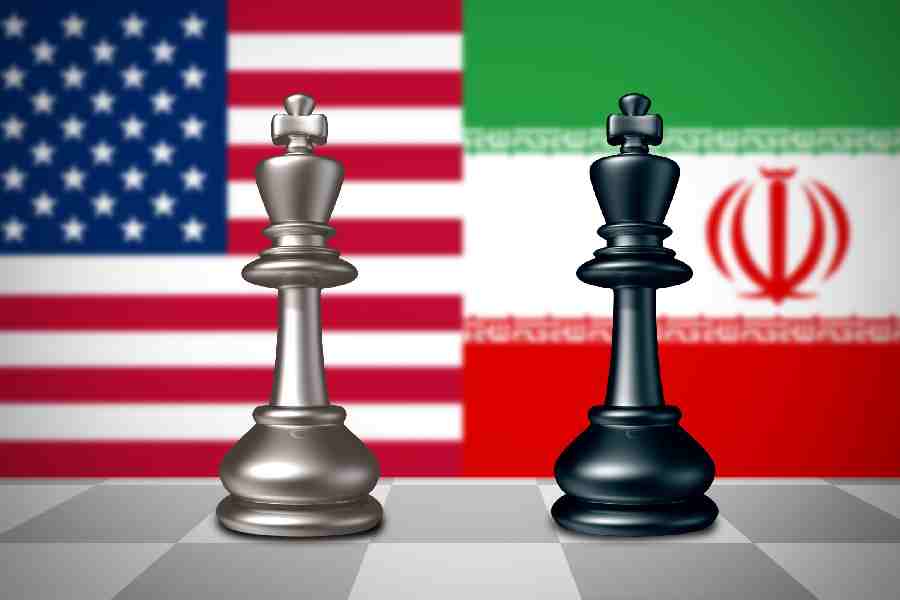
Iran has closed the strait during its war with the United States and Israel.
Iran's top security official said the strait will only open again when America meets Iran's conditions.
Those conditions include stopping the war and returning Iran's frozen money.
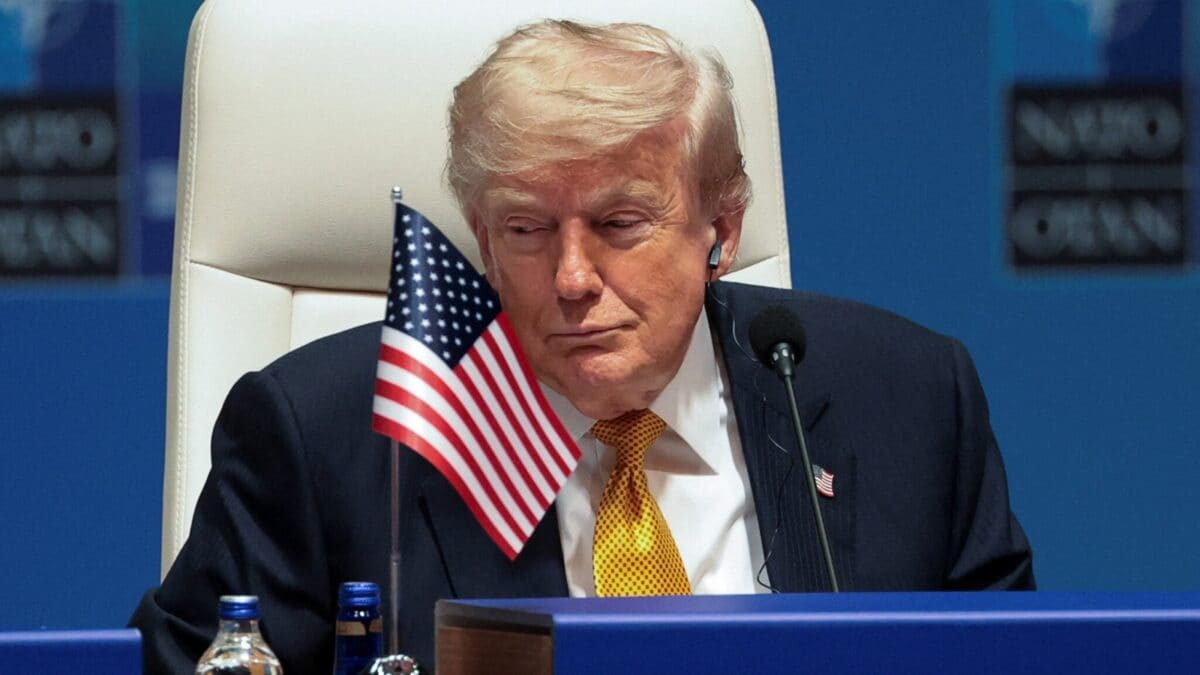
America's president, Donald Trump, says Iran should pay money for the damage it has caused over 50 years.
Countries like Pakistan and Qatar are trying to help the two sides make a deal.
Meanwhile, ships in nearby seas are being attacked, and some sailors have been hurt or killed.
The fighting has caused a lot of suffering, and many people want it to stop.

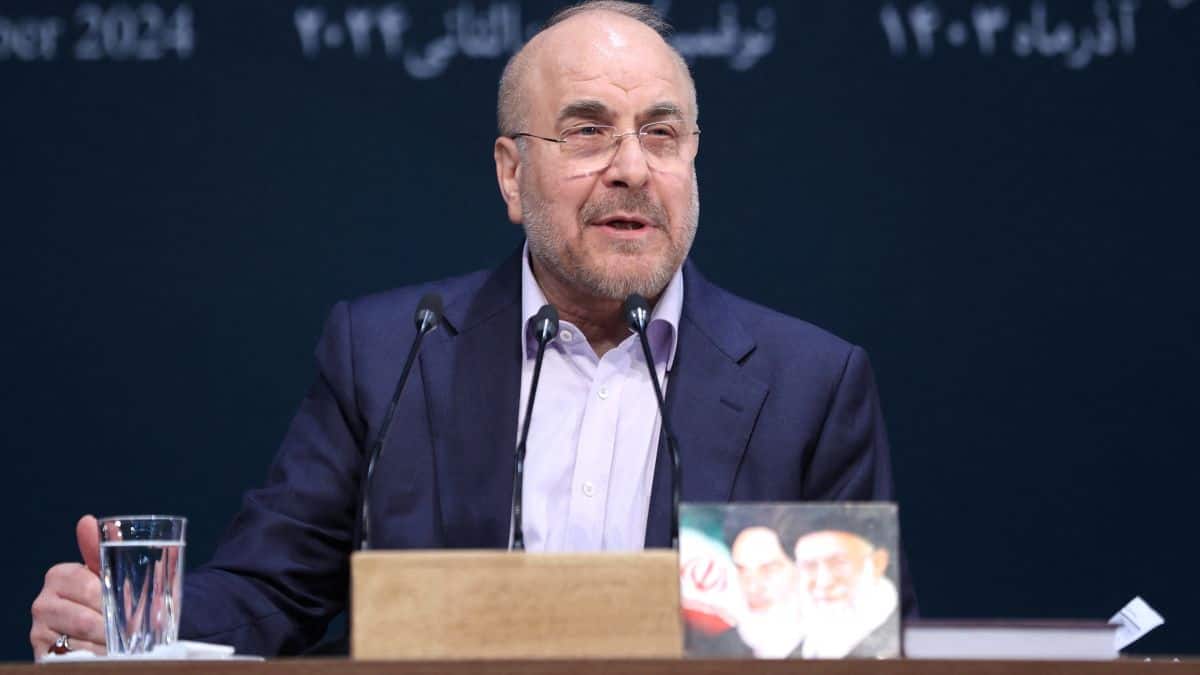
Iran's Supreme National Security Council secretary said the Strait of Hormuz will remain closed until the U.S. changes its behaviour and accepts Iran's conditions to end the war.
Iran's conditions include the U.S. ending the war, paying Iran's frozen assets, and ending the conflict throughout the region, including in Lebanon and Gaza.
President Donald Trump demanded compensation for damage Iran has done over a 50-year period and called Tehran 'devious negotiators.'
Pakistan and Qatar are mediating the conflict, and Pakistan's defence minister said the two sides may be close to an arrangement over the waterway.
Four crew members were killed in a suspected Houthi attack on a cargo vessel in the Bab el-Mandeb Strait, while a container ship was hit by a suspected U.S. missile off Pakistan.
- Who
- Iran's secretary of the Supreme National Security Council, Mohsen Rezaei, and adviser Mohammad Mokhber, alongside U.S. President Donald Trump and mediators Pakistan and Qatar.
- What
- Iran says the Strait of Hormuz will remain closed until the U.S. meets its conditions to end the war, while both sides traded demands amid new attacks on shipping.
- Where
- The Strait of Hormuz, Gulf of Oman, Red Sea and Bab el-Mandeb Strait, involving Iran, the U.S., Gulf states, Israel, Lebanon, Gaza, Pakistan and Yemen.
- When
- Comments were made on Tuesday by Rezaei and Mokhber, following Trump's statements on Monday; the war began with U.S. and Israeli attacks on Iran on February 28.
- Why
- Iran demands the U.S. end the war, unfreeze its assets and end regional fighting, while the U.S. demands compensation from Iran for decades of damage.
Iran's stance
U.S. stance
Reopening the Strait of Hormuz
Iran's stance
Iran says the strait will remain closed until the U.S. changes its behaviour, ends the war, pays Iran's frozen assets and ends regional fighting, and says any deal with Oman is separate from the closure.
U.S. stance
The U.S. says Iran must also accept new demands, including paying compensation for damage over a 50-year period, and accuses Tehran of being 'devious negotiators.'
Responsibility for the war
Iran's stance
Iran frames the U.S. and Israel as the aggressors, saying 'the punishment of the aggressor continues' and that America must end the war and end it throughout the region including Lebanon and Gaza.
U.S. stance
Trump blames Iran for decades of damage and deaths, saying 'We're going to ask for money for the damage they've done over a 50-year period,' and said options include letting Tehran fail economically or hitting it 'really, really hard.'
Attacks on shipping and blockades
Iran's stance
Iran-aligned Houthis declared a maritime embargo against Saudi Arabia, which they say is besieging Yemen, and are suspected in an attack that killed four crew members in the Bab el-Mandeb Strait.
U.S. stance
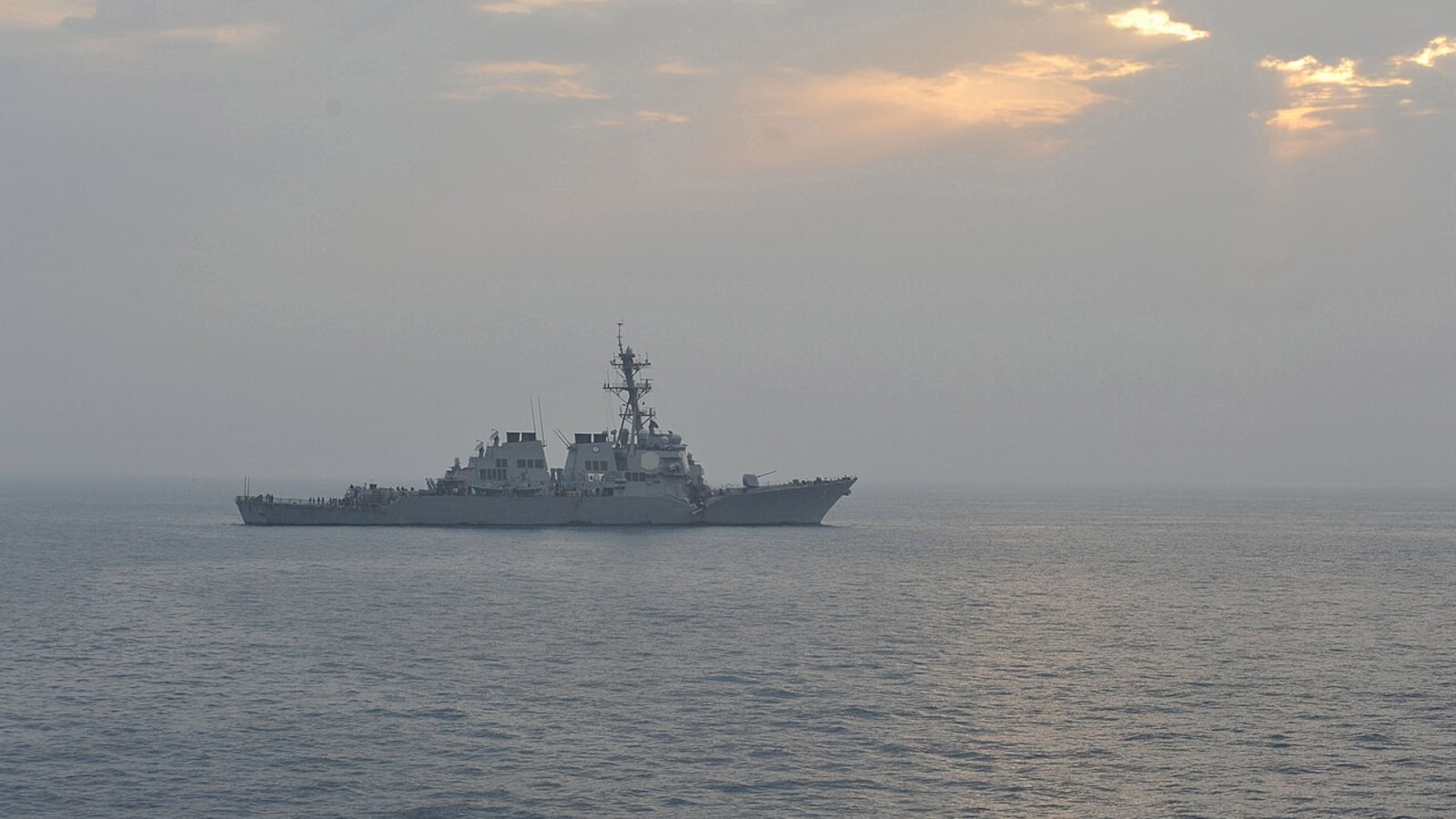
The U.S. enforces a naval blockade on Iranian ports, and Riyadh denies that Yemen is under siege; a U.S. military helicopter reportedly hit a container ship off Pakistan after its crew ignored warnings.
Key facts
- Iranian official
- Mohsen Rezaei, secretary of Iran's Supreme National Security Council
- Iran's conditions
- U.S. must end the war, pay Iran's frozen assets, and end the conflict in Lebanon and Gaza
- U.S. demand
- Compensation from Iran for damage over a 50-year period
- War start
- U.S. and Israel launched attacks on Iran on February 28
- Mediators
- Pakistan and Qatar
- Waterway significance
- About a fifth of global oil and liquefied natural gas flowed through the strait before the war
- Recent shipping attacks
- Four crew killed on the Egyptian-owned Tihamah in the Bab el-Mandeb Strait; a container ship hit off Pakistan in the Gulf of Oman
- Blockade timeline
- U.S. announced a blockade of Iranian ports in April and reimposed it in July after the June peace accord crumbled
Quotes

Mohsen Rezaei
Secretary of Iran's Supreme National Security Council
“"As long as America does not change its behaviour and does not accept Iran's conditions, the Strait of Hormuz will not be opened."”
 telegraphindia.com
“"We're going to ask for money for the damage they've done over a 50-year period."”
telegraphindia.com
Sources
Related news
Iran Issues Sweeping Demands for Strait of Hormuz Reopening

Iran Demands US Concessions Before Reopening Strait of Hormuz
UAE accuses Iran of missile attack on Hormuz vessel
Hormuz Strait stays shut until U.S. meets Iran deal conditions
Iran Says Hormuz Deal Close, Reopening Depends on US Conditions
Iran Sets Conditions for Reopening Strait of Hormuz
Iran Seizes Fuel-Smuggling Vessel in Gulf, Arrests 11 Crew
Trump Floats Renaming Strait of Hormuz as “Trump Strait”

Chevron Plans $7 Billion Venezuela Expansion Amid U.S. Oil Push
Saudi Tanker Hit in Hormuz, Killing Two Filipino Sailors
U.S.-Iran Exchange Escalates Across Middle East, Markets Slide