3 weeks ago
Iran Demands US Concessions Before Reopening Strait of Hormuz

The Strait of Hormuz is a narrow waterway in the Middle East that many ships use to carry oil and gas between countries.
Iran blocked the strait after the United States and Israel attacked Tehran earlier this year, and some ships have been stopped or hit with missiles.
Now Iran says it will reopen the strait, but only if the United States agrees to six things.
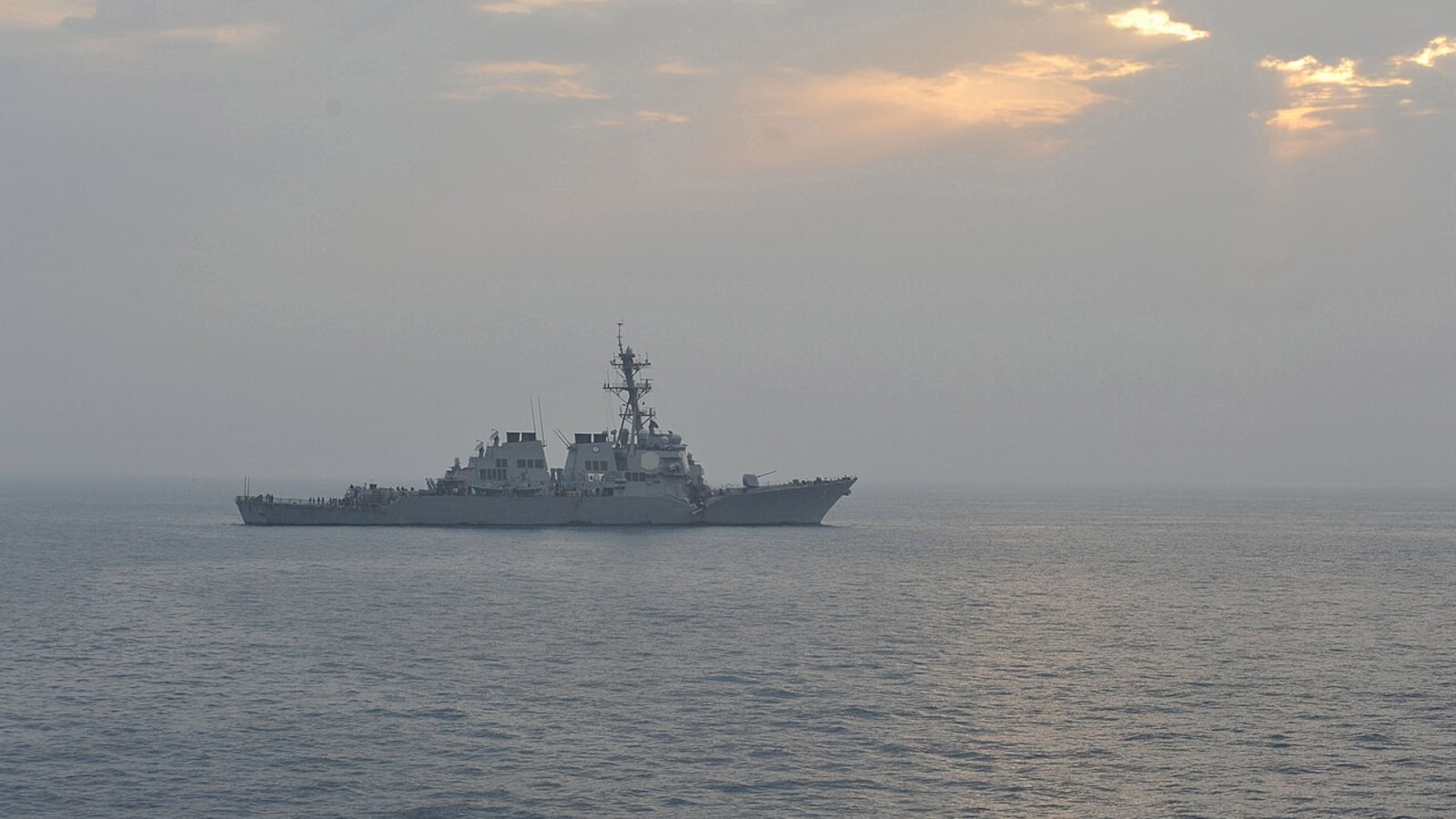
Iran wants the US to stop threatening its top leader, stop fighting Iran and its friends, and pull its soldiers and ships out of the area.
Iran also wants the US to pay for damage caused by the attacks, lift sanctions, and give back money from Iranian accounts that were frozen abroad.
At the same time, Iran is talking with its neighbour Oman about temporary routes so some ships can pass through the waterway again.
Iranian leaders say these temporary routes are not the same as fully reopening the strait.
The United Arab Emirates says Iran fired a missile at one of its oil company's ships, though Iran has not publicly responded.
Elsewhere, Yemen's Houthi rebels attacked an oil refinery in Saudi Arabia, and Saudi Arabia signed a new defence deal with Turkey and Pakistan.
Many countries are waiting to see whether the United States will accept Iran's demands.

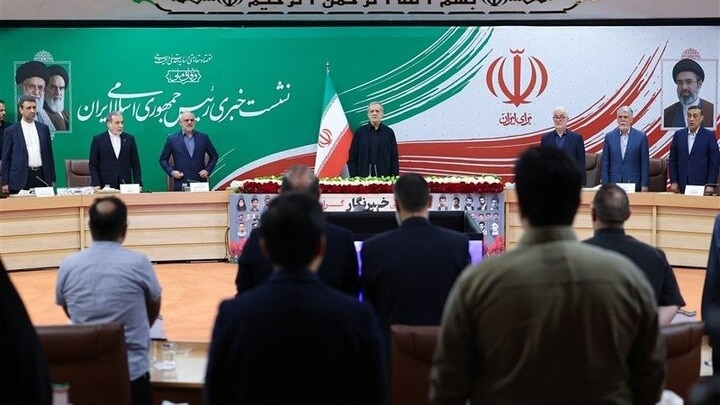
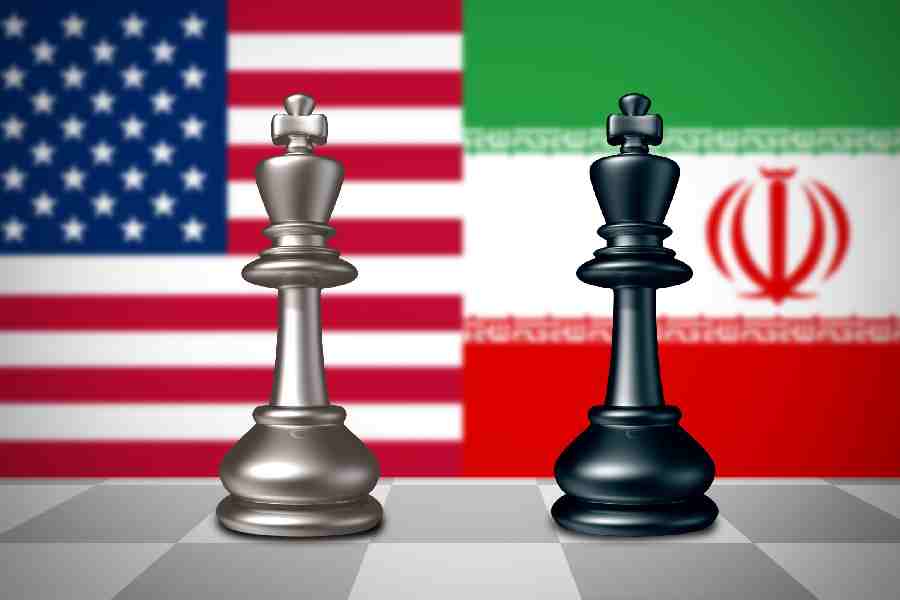
Iran's Supreme National Security Council set six conditions for reopening the Strait of Hormuz, including an end to threats against its supreme leader and a permanent halt to military action against Iran and its regional allies.
The other demands include withdrawal of US naval and air forces involved in the blockade, compensation for war damage, lifting of US sanctions and the unconditional release of Iran's frozen assets.
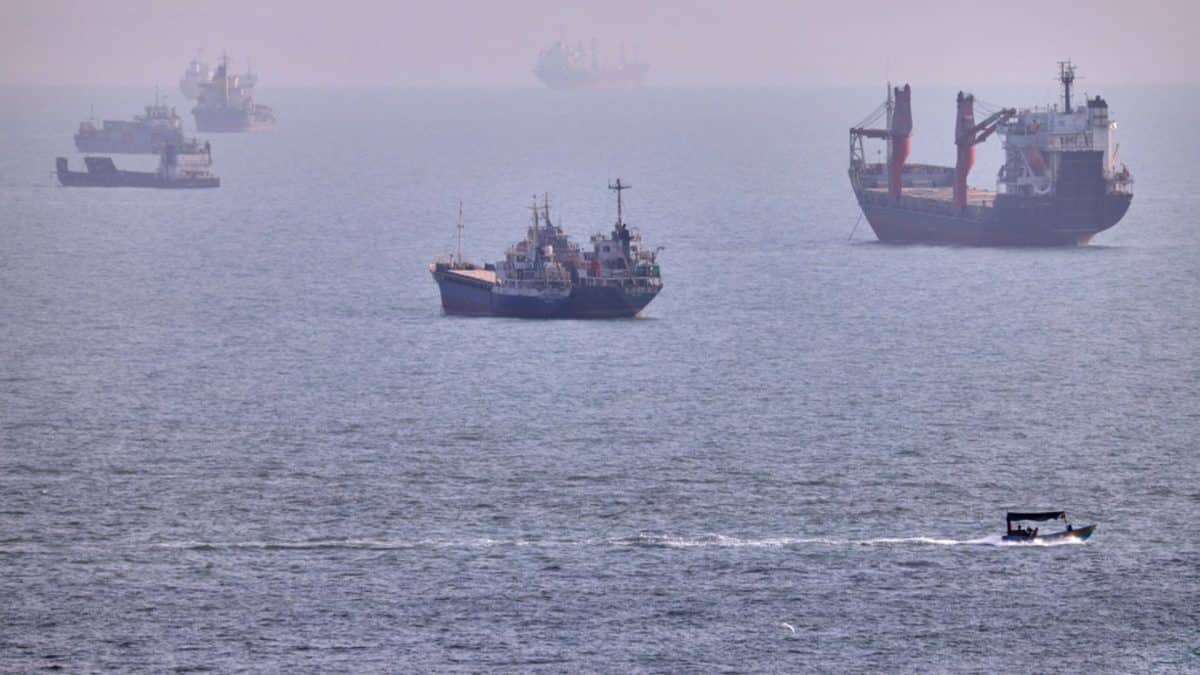
Foreign Minister Abbas Araqchi said an agreement with Oman on temporary shipping lanes through the strait is in its 'final stages' but does not amount to a full reopening of the waterway.
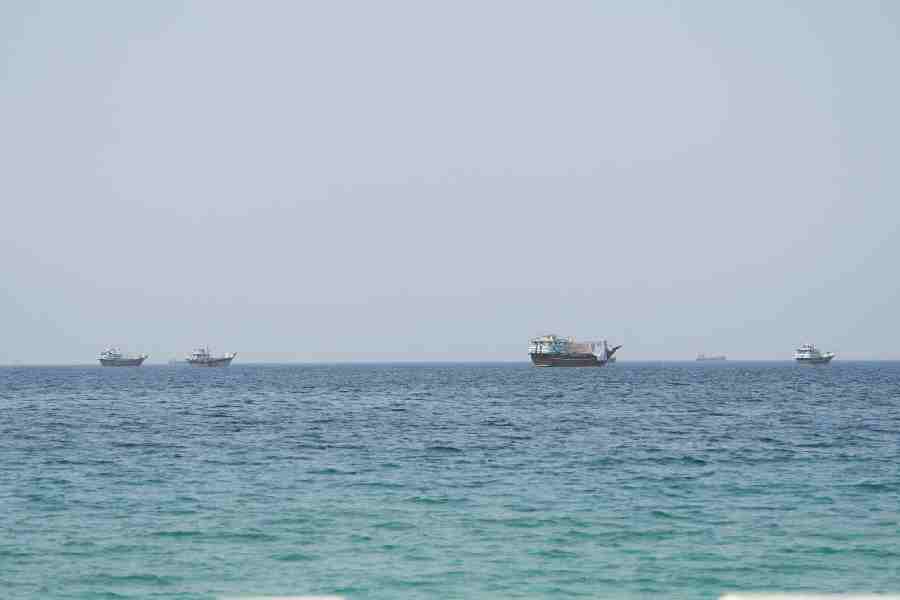
The UAE said Iran attacked a ship owned by Abu Dhabi's state oil company ADNOC with a missile as it transited Hormuz; ADNOC said there were no casualties in the attack.
The Houthis claimed an attack on Saudi Aramco's Jazan refinery and declared a naval blockade against Saudi Arabia, while Riyadh signed a defence pact with Turkey and Pakistan.
- Who
- Iran's government, including the Supreme National Security Council under secretary Mohammad Baqer Zolqadr, Foreign Minister Abbas Araqchi and military spokespeople; the United States, the UAE, Oman, Saudi Arabia, Turkey, Pakistan and Yemen are also involved.
- What
- Iran set six conditions for reopening the Strait of Hormuz while nearing an Oman-brokered agreement on temporary shipping lanes through the waterway.
- Where
- The Strait of Hormuz between Iran and Oman, with related attacks reported in the Red Sea and at a Saudi refinery.
- When
- Announced on Saturday and Sunday around August 10, 2026; the 60-day deadline for a final US-Iran nuclear agreement ends in just over a week.
- Why
- Iran says the US violated the June interim deal and attacked Iran, so it demands US concessions before the strategic waterway fully reopens.
Iran
United States and its Gulf partners
Reopening the Strait of Hormuz
Iran
Iran says the strait will not fully reopen until the US accepts all six demands, including compensation, lifted sanctions and released assets; the Oman talks cover only temporary transit routes.
United States and its Gulf partners
A US official said Washington would lift its blockade once Iran implements its commitments and a deal restoring safe passage is announced; Trump said the US is only 'semi-negotiating' with Iran while watching its inflation and lack of money.
Missile attack on an ADNOC ship
Iran
The UAE says Iran fired a missile at a vessel owned by Abu Dhabi's state oil company ADNOC as it transited Hormuz, and that more than a dozen ADNOC ships have been attacked since February.
United States and its Gulf partners
Iran gave no immediate comment on the Saturday attack; the Revolutionary Guard Corps has previously attacked ships it said tried to cross the strait without Iranian permission.
Blockade and attacks around the Arabian Peninsula
Iran
The Houthis declared a naval blockade against Saudi Arabia, citing an alleged Saudi siege on them in Yemen, and claimed an attack on Saudi Aramco's Jazan refinery.
United States and its Gulf partners
Saudi Arabia denies the allegation and backs Yemen's internationally recognised government; it signed a defence pact with Turkey and Pakistan, which Turkey says is a general security pledge not aimed at any third country.
Key facts
- Waterway
- Strait of Hormuz, a major conduit for oil and gas shipping
- Number of demands
- 6
- Iran's six demands
- End threats against Iran's supreme leader; permanent halt to military action against Iran and its allies; withdrawal of US naval and air forces; compensation for conflict damage; lifting of US sanctions; unconditional release of frozen Iranian assets
- Iran-Oman deal
- Temporary shipping lanes in 'final stages' - ships enter on a route closer to Iran and leave closer to Oman; no fees or tolls during the temporary period; expected to be announced jointly by Iran, Oman, the US and the International Maritime Organisation
- US-Iran status
- No direct talks; messages exchanged through intermediaries; a US official said the blockade would be lifted once Iran implements its commitments
- UAE attack claim
- Missile hit an ADNOC vessel transiting Hormuz on Saturday; no casualties; more than a dozen ADNOC vessels attacked since February, with one crew member killed and 20 wounded
- Houthi attacks
- Claimed strike on Saudi Aramco's Jazan refinery; Saudi energy ministry said a fire was extinguished with no injuries; naval blockade against Saudi Arabia declared last month
- New defence pact
- Saudi Arabia, Turkey and Pakistan signed a pact on Friday; an attack on one is treated as an attack on all three; secretariat to be based in Saudi Arabia
Quotes
U.S. official (anonymous)
An unidentified U.S. official
“Once the deal is announced to restore commercial shipping without impediments, the United States will lift the blockade of Iranian ports.”
 theprint.in
“We are only semi‑negotiating with them. We are just watching Iran with its huge inflation and the fact they have no money.”
theprint.in
Brigadier General Mohammad Akraminia
Spokesperson for the Iranian Army
“Whenever the United States accepts Iran’s conditions, the Strait of Hormuz will certainly be reopened.”
 businesstoday.in
“The US had no choice but to accept the current situation in the strait.”
businesstoday.in
Sources
Related news
Iran Issues Sweeping Demands for Strait of Hormuz Reopening
UAE accuses Iran of missile attack on Hormuz vessel
Strait of Hormuz stays closed until U.S. accepts Iran conditions
Iran Says Hormuz Deal Close, Reopening Depends on US Conditions
Hormuz Deal with Oman Close, Reopening Tied to US Compensation
Iran Sets Conditions for Reopening Strait of Hormuz
Israeli Airstrike Kills Three in West Bank, Sparking Disputes

Alleged ISIS-Inspired Plot to Bomb New York Capitol Disrupted
Kushner meets Hamas in Egypt amid Gaza plan opposition
Kushner, Sisi discuss Gaza ceasefire as Israeli strikes resume