

3 weeks ago
Iran Issues Sweeping Demands for Strait of Hormuz Reopening
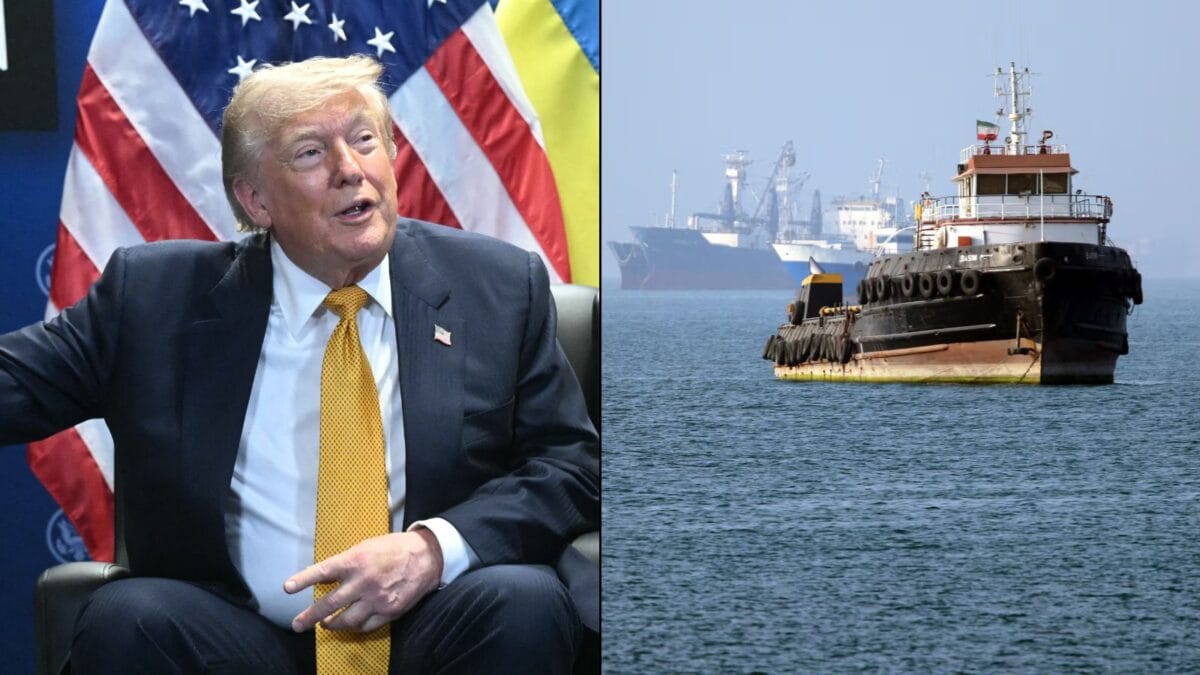
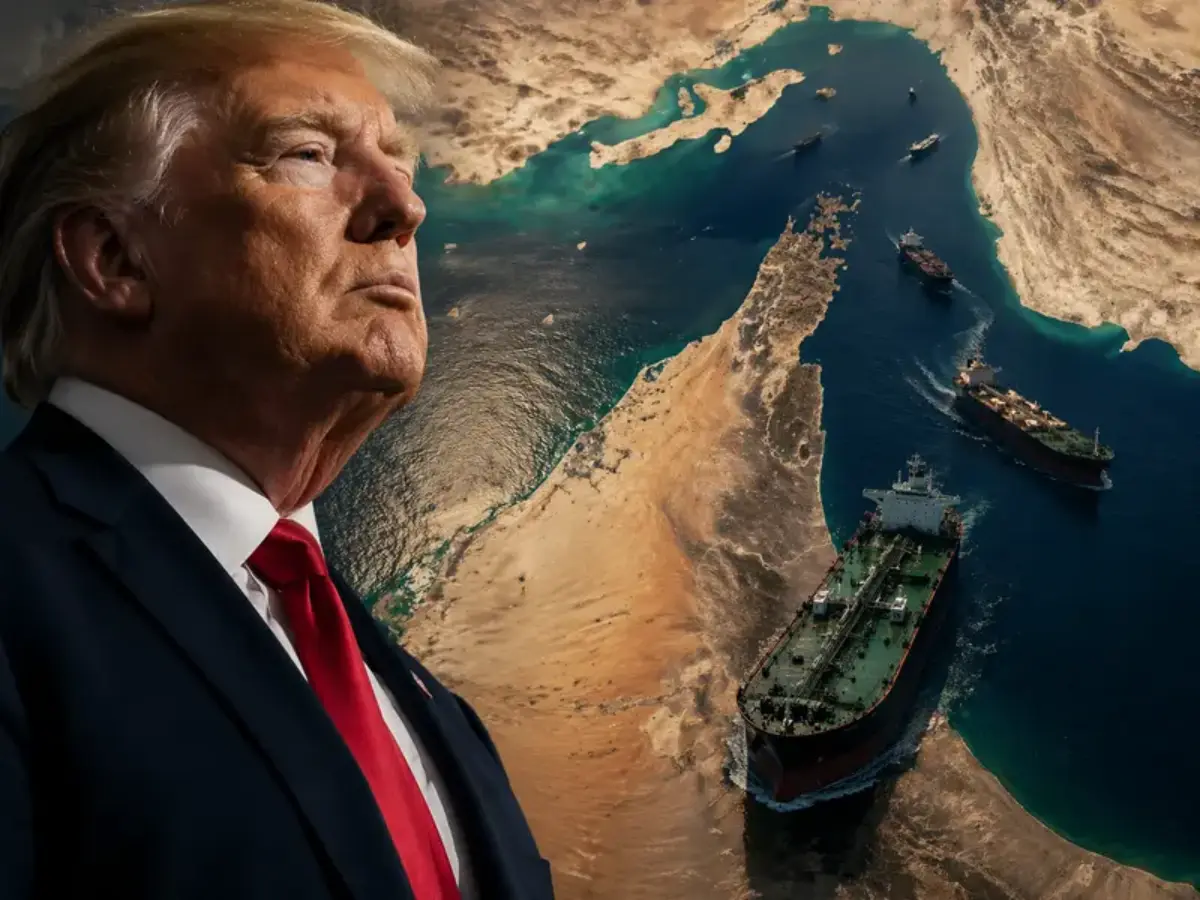
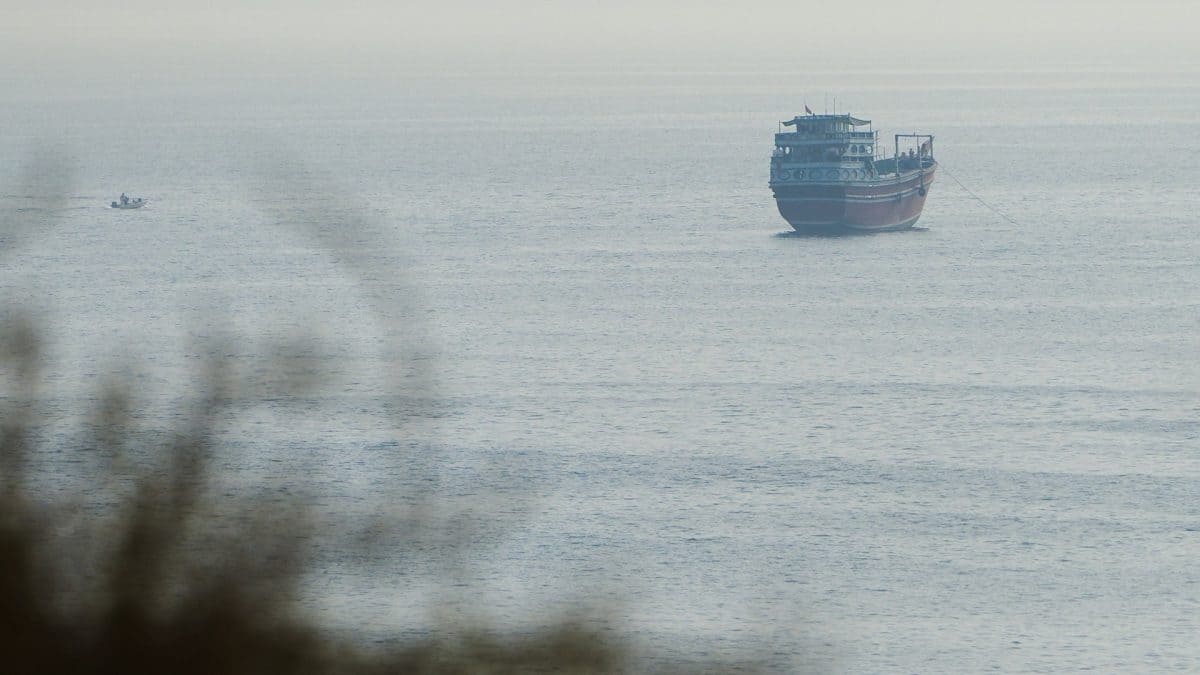
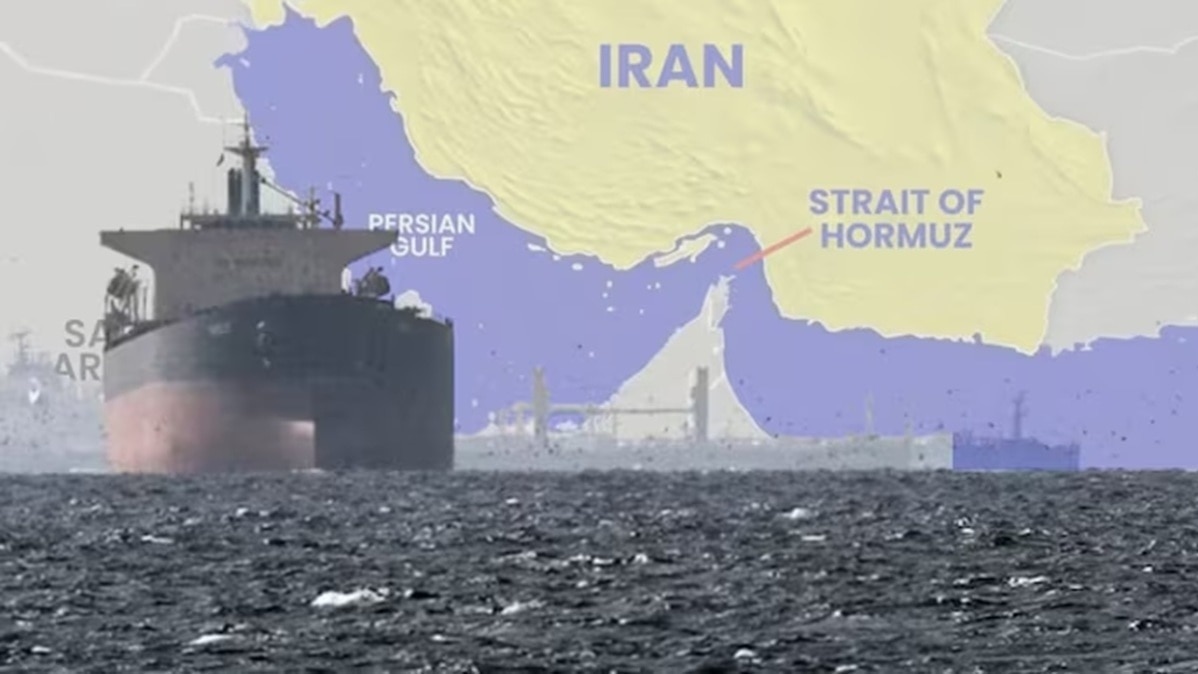
Countries sometimes disagree about who can use a very important waterway called the Strait of Hormuz, where many ships carry oil and goods.
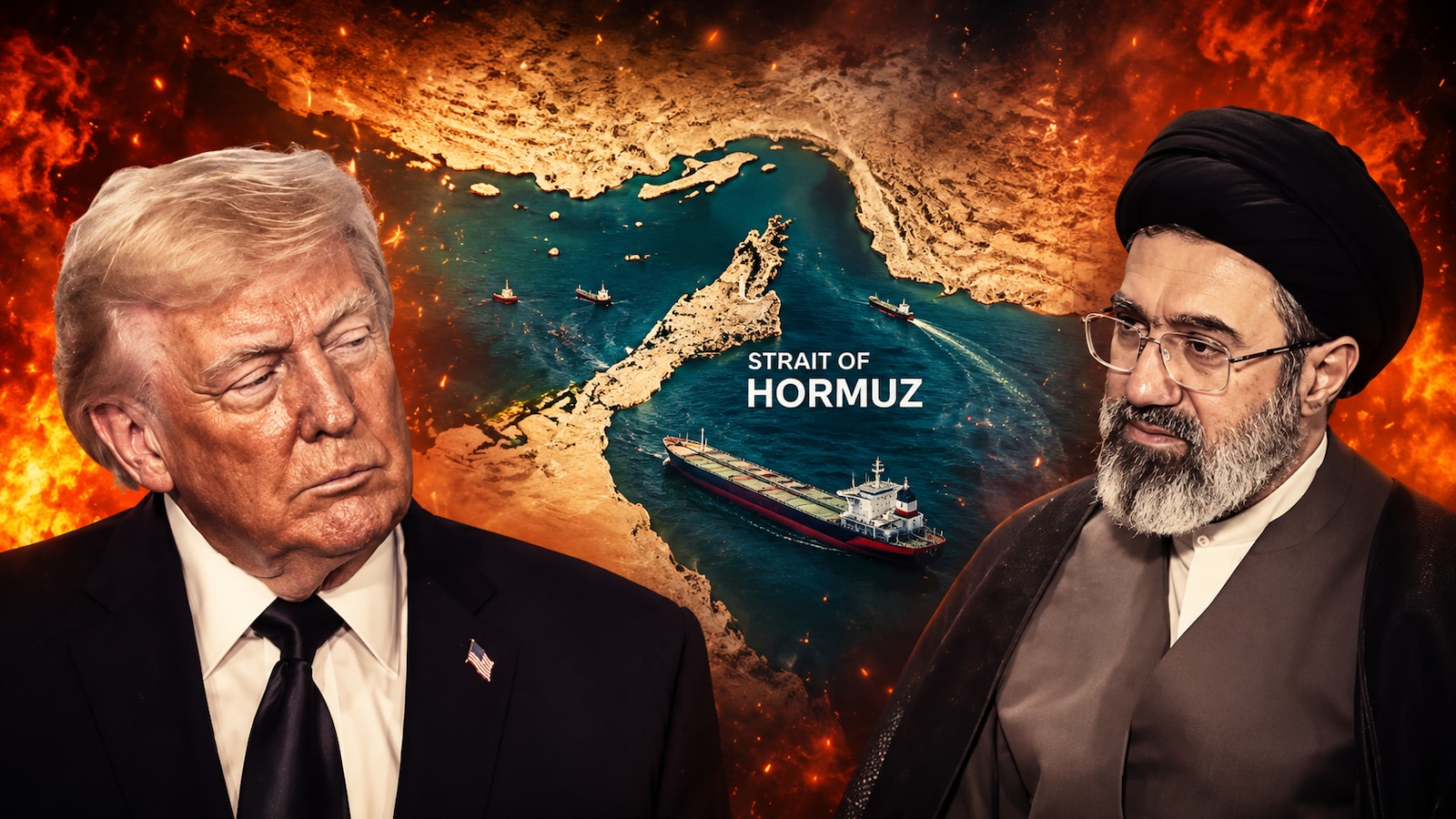
Iran's top security group said the strait will not reopen to shipping until the United States 'corrects its behavior.'
Iran made a long list of demands: stop the war, remove naval ships and soldiers, pay for war damage, lift sanctions, and give back Iran's money.
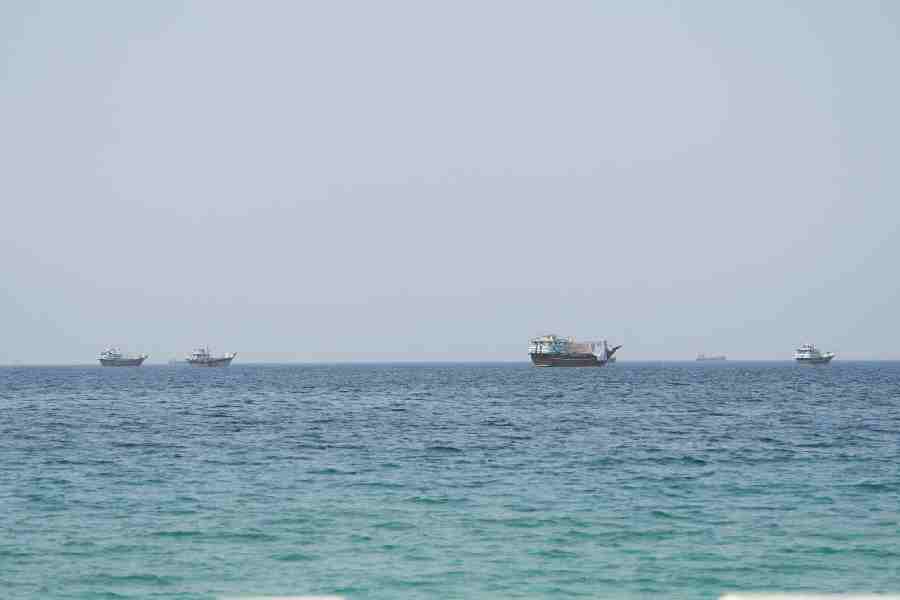
The same day, a ship owned by a company from Abu Dhabi was hit by an Iranian missile in the strait, but nobody was hurt.
Since the war began in February, Iran has attacked many ships, and sadly one sailor died and 20 others were hurt.
In Yemen, the army attacked rebel fighters called the Houthis, and a United Nations helper warned that big fighting could start again.
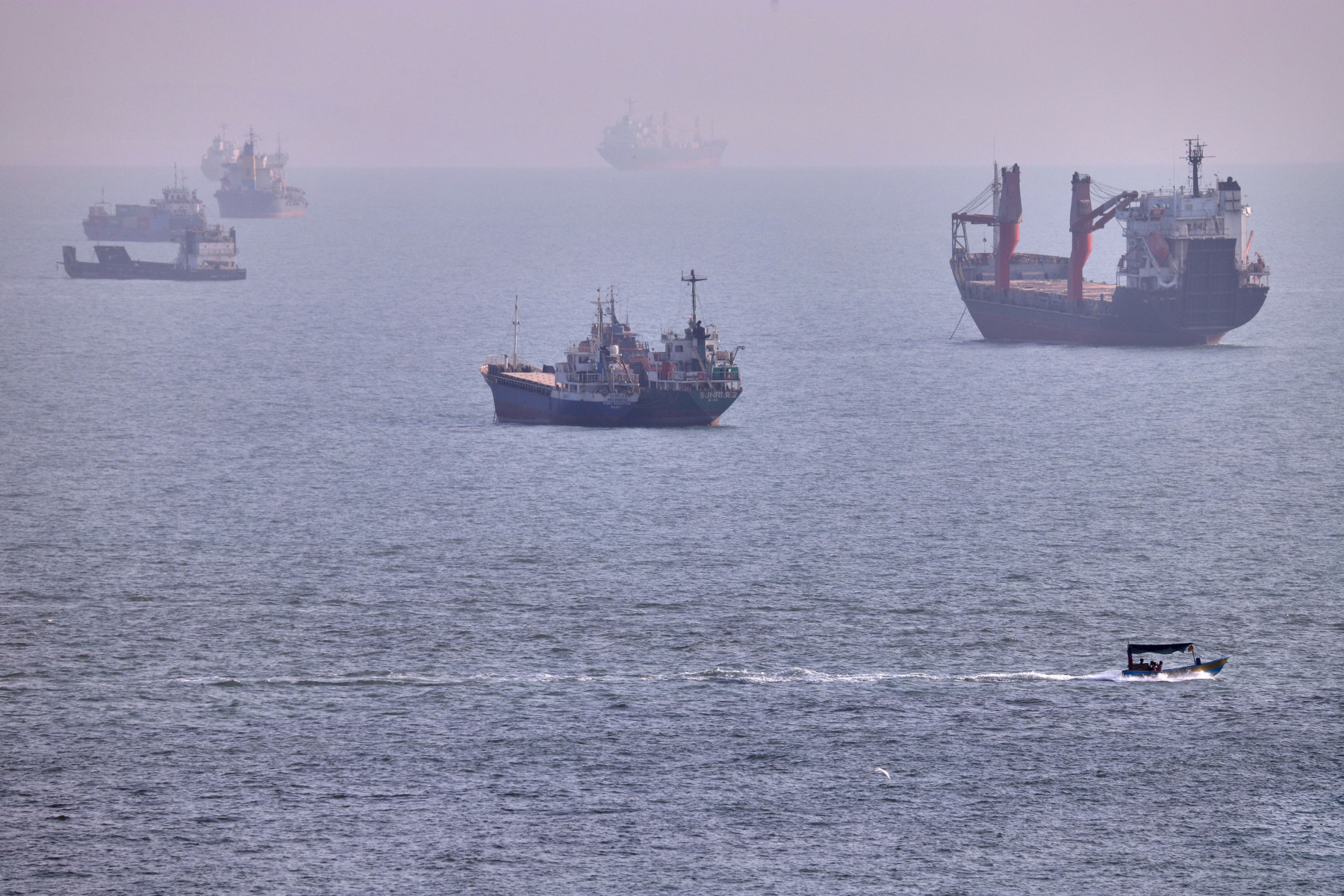
Far fewer ships are using the strait now, about a dozen a day instead of roughly 130 before the war.
In Turkey, leaders took a step toward peace with a rebel group called the PKK.
The United States did not answer right away, but its vice president said talks with Oman and Iran about keeping ships safe were still going on.

Iran's Supreme National Security Council said the Strait of Hormuz will not reopen until the US 'corrects its behavior,' demanding an end to the war, a lifted naval blockade and sanctions, troop withdrawal, war compensation, and unconditional release of frozen assets.
Emirati authorities reported that an oil and gas vessel owned by Abu Dhabi's state company ADNOC was struck by an Iranian missile while transiting the strait on August 8; ADNOC confirmed no casualties.
ADNOC said over a dozen (at least 15) of its vessels have been hit by missiles and drones since the US and Israel launched war on Iran in February, killing one crew member and wounding 20.
The White House gave no immediate official response, while US Vice President JD Vance said talks with Oman and Iran were in 'the middle of the game' over a safe shipping traffic scheme.
Yemen's military struck Iranian-backed Houthi 'sites and capabilities' across multiple front lines, UN envoy Hans Grundberg warned of the greatest risk of renewed conflict since April 2022, and Turkey's parliamentary committee approved a conditional PKK peace law.
- Who
- Iran's Supreme National Security Council (Secretary Mohammad Bagher Zolghadr), the United States, the UAE's ADNOC, Oman, Yemen's military and Houthi rebels, UN envoy Hans Grundberg, US Vice President JD Vance, and Turkey's parliament and the PKK
- What
- Iran issued sweeping conditions for reopening the Strait of Hormuz, an ADNOC vessel was hit by an Iranian missile, Yemen struck Houthi targets, and a Turkish committee approved a draft PKK peace law
- Where
- Strait of Hormuz, waters east of Khasab in Oman, Yemen, and Turkey
- When
- Saturday, August 8, 2026, amid a war that the US and Israel launched against Iran in February
- Why
- Iran says the strait will not reopen until the US 'corrects its behavior'; the strikes and regional escalation stem from the ongoing war and Houthi attacks in Yemen
Iran's Position
United States' Position
Conditions for Reopening the Strait of Hormuz
Iran's Position
Iran says the strait will not reopen until the US 'corrects its behavior' and fully accepts its conditions: never threaten Iran again, permanently end the war against Iran and its regional armed allies, lift the naval blockade, withdraw military forces, compensate Iran for war damage, lift all sanctions, and unconditionally release frozen assets. IRGC spokesman Hossein Mohebbi said reopening is not contingent on the Iran-Oman negotiations.
United States' Position
Washington gave no immediate official response and has consistently maintained that an acceptable agreement governing the strait must be secured before any blockade is lifted. Under the June cease-fire, sanctions were expected to be fully lifted only after a final agreement on Iran's nuclear program, and frozen assets released only if Tehran gave up its highly enriched uranium.
Managing Shipping Through the Strait
Iran's Position
Iran sees the Iran-Oman talks as primarily determining how the waterway could eventually be reopened and insists Washington must not interfere. Foreign Minister Araghchi said US efforts to establish new routes through the strait undermined Iran's management and are 'absolutely unacceptable'; Iran warned vessels using the US-supported southern route, and some ships subsequently came under attack.
United States' Position
US Vice President JD Vance said talks with Oman and Iran were in 'the middle of the game,' focused on setting up a traffic scheme so commercial vessels can pass safely, including demining and a commitment from Iran not to fire at commercial vessels. He said Iran is 'hurting in a big way' and wants the standoff to be over.
The Islamabad Memorandum
Iran's Position
Araghchi said reopening the strait is contingent on other conditions, including the US compensating for its violations of the Islamabad Memorandum, the June cease-fire reached with Pakistani mediation. Any violation of the memorandum or of Iran's management of the strait is 'absolutely unacceptable' to Iran.
United States' Position
The memorandum's language was sufficiently vague that Washington and Tehran developed different interpretations of its terms; a 60-day period to negotiate a final deal ends in just over a week but could be extended. After the cease-fire collapsed, the US reinstated its naval blockade of Iranian ports.
Key facts
- Key Waterway
- Strait of Hormuz
- Demand-Maker
- Iran's Supreme National Security Council (Secretary Mohammad Bagher Zolghadr)
- ADNOC Attack
- August 8; Iranian missile while transiting the strait; no casualties
- ADNOC Vessels Hit Since February
- At least 15; one crew member killed, 20 wounded
- Strait Traffic
- About a dozen ships daily in past week vs roughly 130 before the conflict (Kpler)
- US Response
- No immediate official response; VP JD Vance says talks in 'the middle of the game'
- Yemen Warning
- Hans Grundberg: greatest risk of renewed large-scale conflict since April 2022 truce
- Islamabad Memorandum
- June interim cease-fire with Pakistani mediation; final-deal talks end in just over a week, possibly extendable
Quotes

Mohammad Bagher Zolghadr
Secretary of Iran’s Supreme National Security Council
“They were close to reaching an agreement on navigation, specifically the determination of a transit route. The waterway reopening is contingent on other conditions.”
 firstpost.com
“The US must never threaten Iran again. It also must "completely compensate" Iran for war damage, lift sanctions and "unconditionally" release frozen assets.”
firstpost.com
Jay Donald Vance
US Vice President
“"The United States has no choice but to accept the existing situation; otherwise, it will incur costs far greater than those it has faced in the past."”
 businesstoday.in
“"What we’re really working through now is how you can actually set up a traffic scheme so that the ships that pass can pass through safely."”
 wionews.com
Oman diplomatic representative
Official representing Oman in discussions over the Hormuz strait
“"Yemen today faces a greater risk of renewed large-scale conflict than at any point since the U.N.-brokered truce of April 2022."”
businesstoday.in
“"In a positive and constructive atmosphere."”
businesstoday.in
Sources
Strait Of Hormuz reopening: These conditions set by Iran could decide what happens next
Iran lays out conditions to reopen Strait of Hormuz as deal with Oman remains 'out of reach'
Iran Makes New Hormuz Demands, UAE Says a Ship was Targeted
Hormuz standoff deepens: Iran issues sweeping demands to US for strait access amid missile strikes
What Will It Take To Open Strait Of Hormuz? Iran Issues List Of Demands
Strait Of Hormuz Shut Until US ‘Corrects Its Behaviour’: Iran’s Stern Demands For Reopening

Iran’s 6 demands to US for Strait of Hormuz reopening: End sanctions, lift blockade, pay war reparations, withdraw troops
Related news

Iran Demands US Concessions Before Reopening Strait of Hormuz
UAE accuses Iran of missile attack on Hormuz vessel
Strait of Hormuz stays closed until U.S. accepts Iran conditions
Iran Says Hormuz Deal Close, Reopening Depends on US Conditions
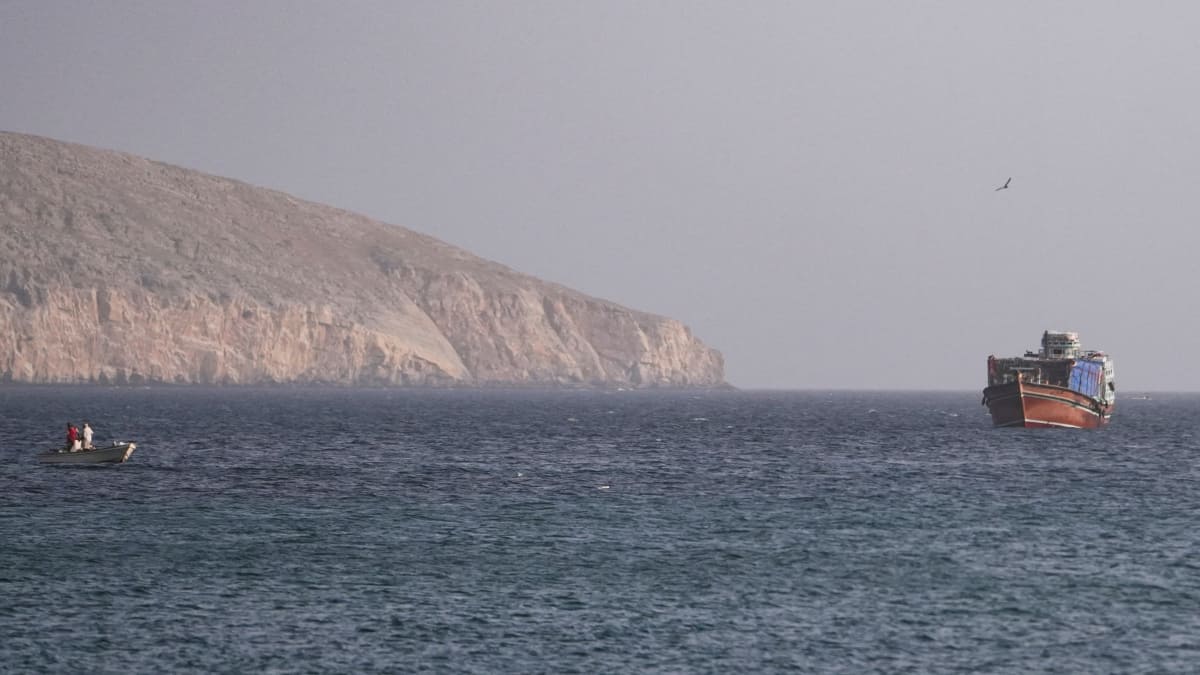
Hormuz Strait stays shut until U.S. meets Iran deal conditions

Oil Gains Persist as Trump, Iran Clash Over Hormuz Reopening
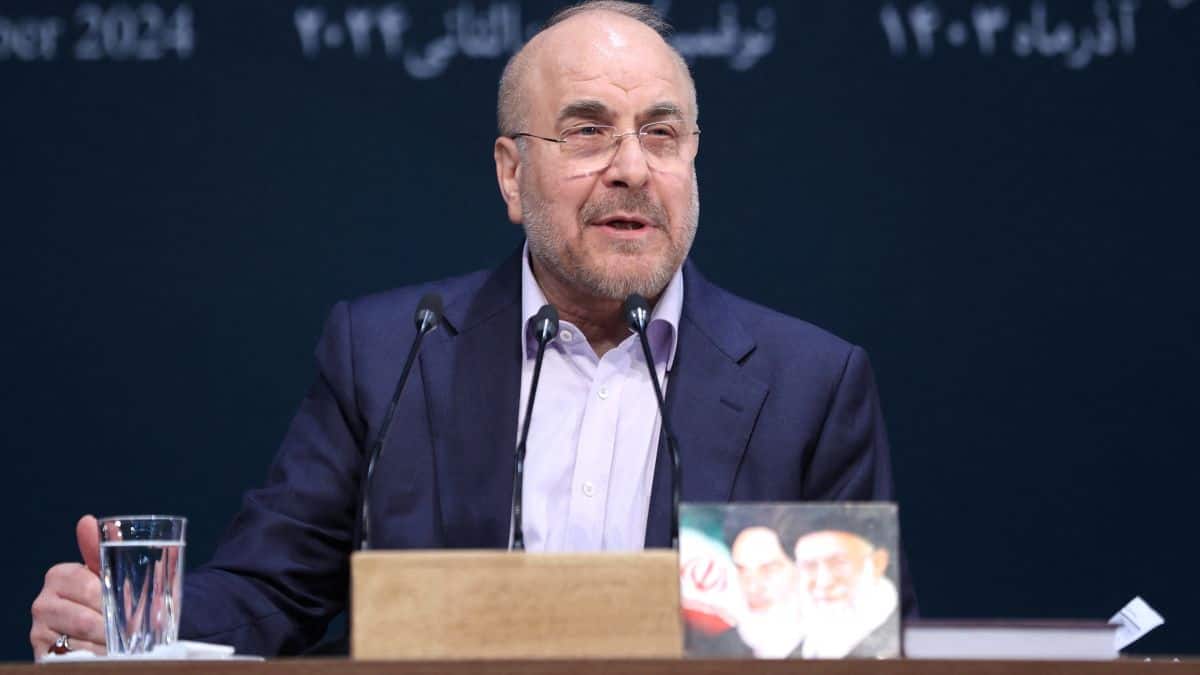
Iran Seizes Fuel-Smuggling Vessel in Gulf, Arrests 11 Crew
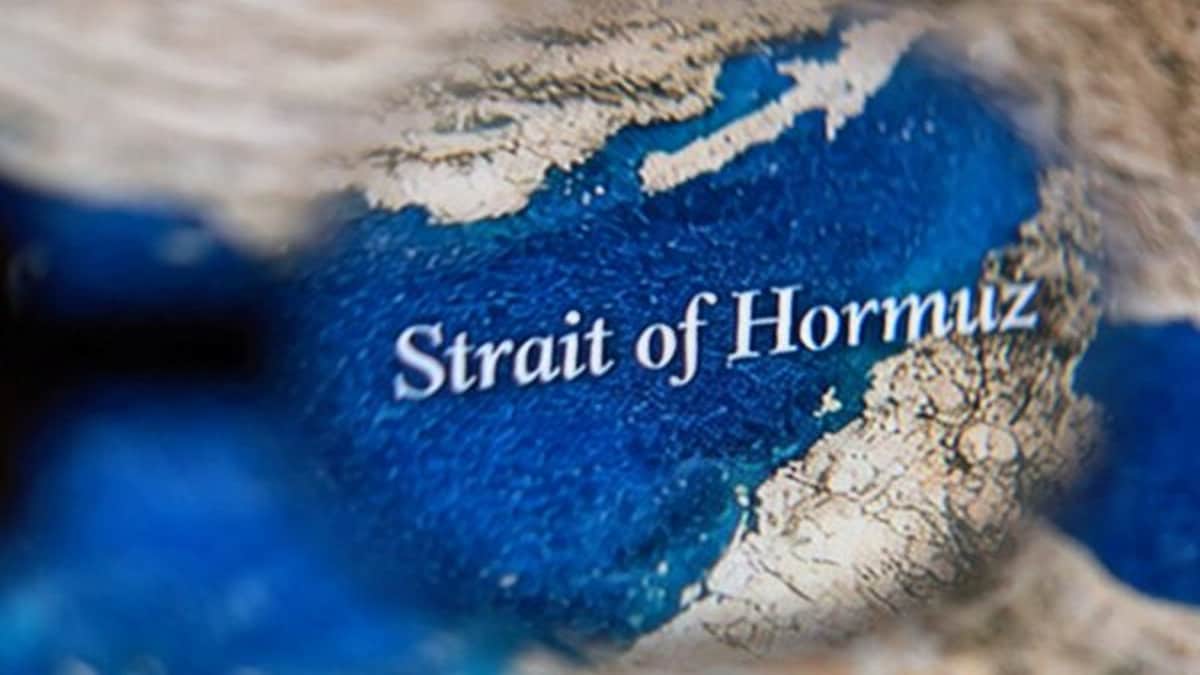
Trump Floats Renaming Strait of Hormuz as “Trump Strait”

Chevron Plans $7 Billion Venezuela Expansion Amid U.S. Oil Push
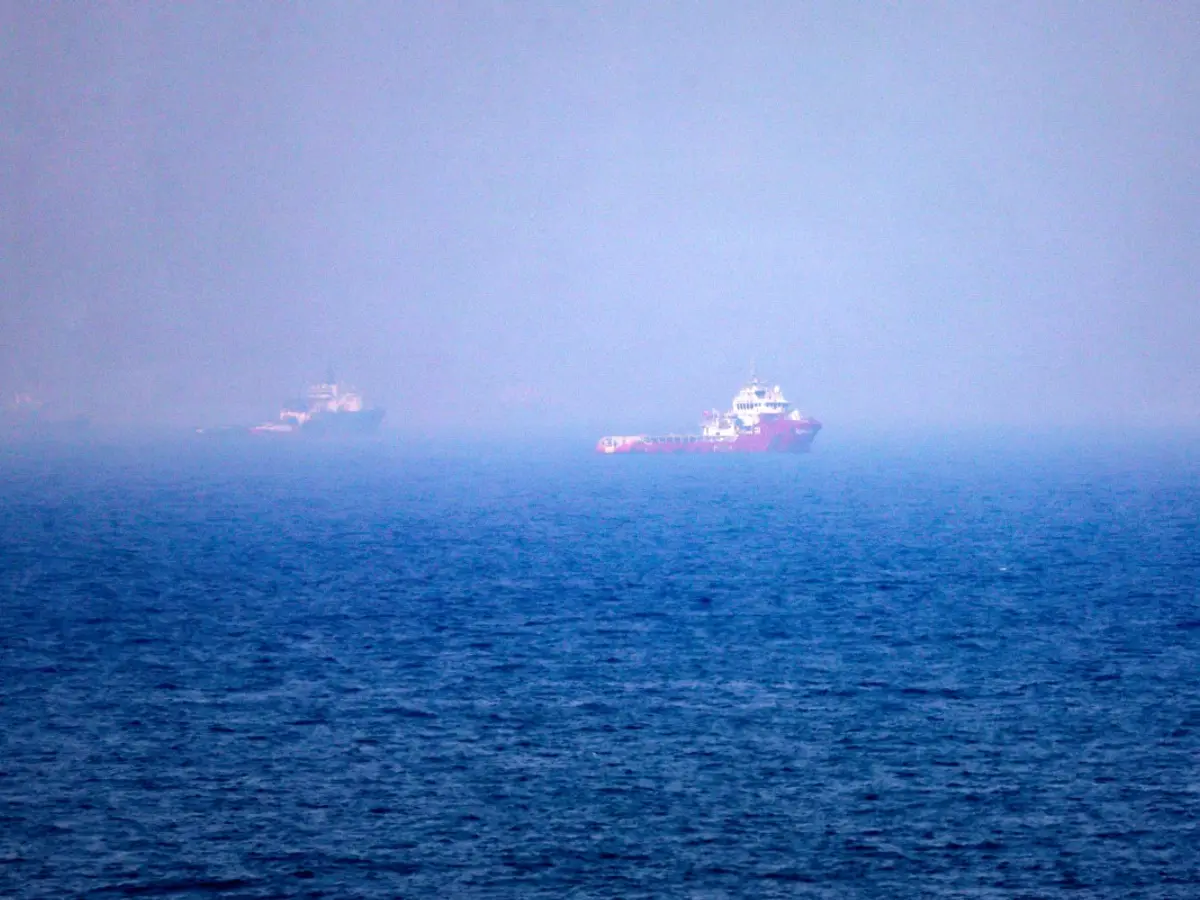
Saudi Tanker Hit in Hormuz, Killing Two Filipino Sailors

Indian Stocks Extend Three-Day Losing Streak as Oil Rises