

4 days ago
India’s Ethanol Push Shifts From Sugarcane Toward Grain Feedstocks
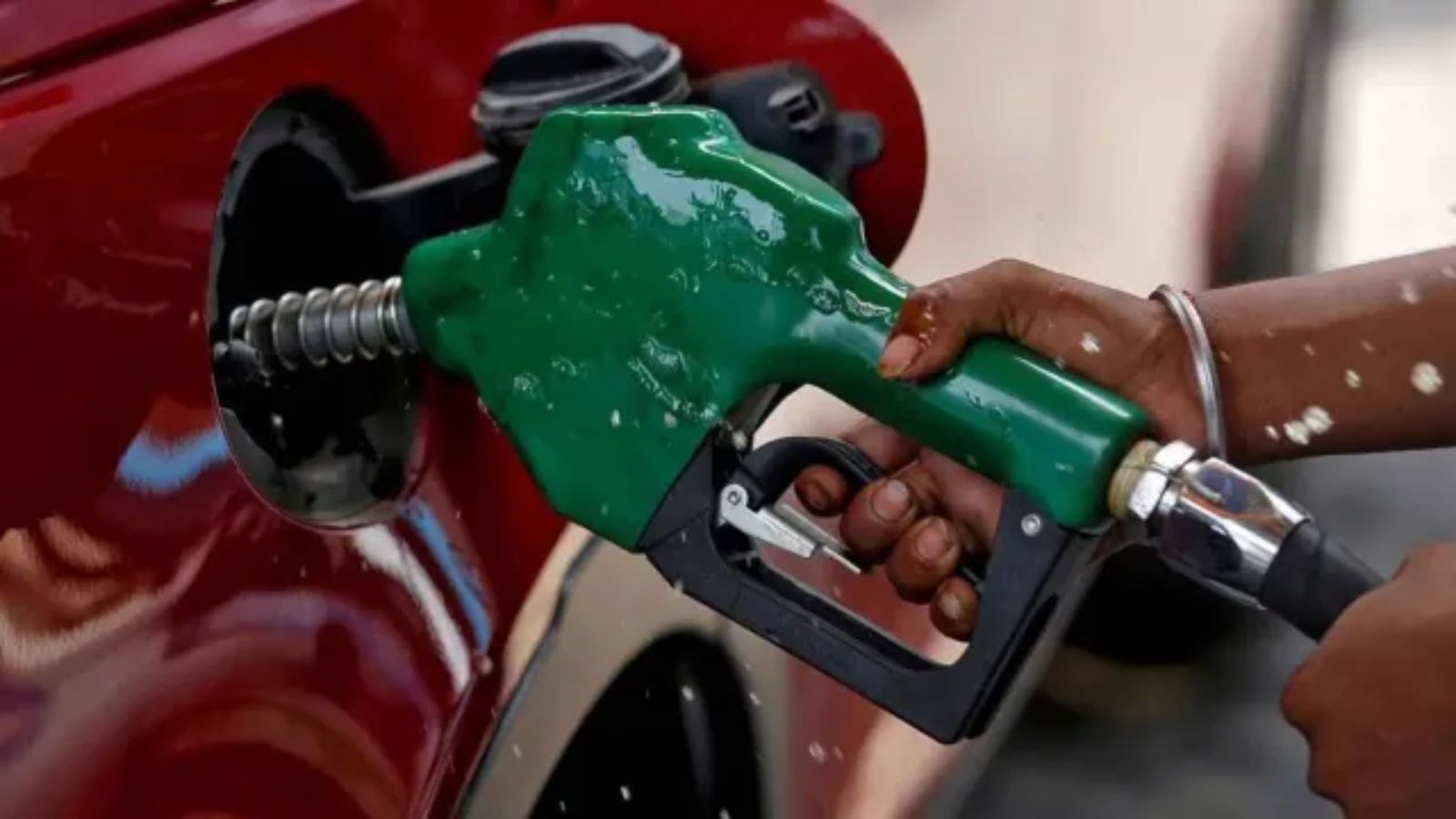
India mixes ethanol, a type of alcohol, into petrol.
The programme first mainly used waste from sugar production and helped sugar mills pay farmers.
Later, factories began making ethanol from maize and rice.
In 2023-24, grains provided almost 60% of the ethanol used for petrol blending.
For the supply year ending in October 2026, grains are expected to provide more than 70%.
The article says this is the opposite of the programme’s original purpose.
High sugar prices may make it harder to use sugarcane for ethanol.
Bad weather could also reduce maize supplies.
The writer suggests using crops such as millet and setting more cautious blending targets.

India’s ethanol programme was originally designed to support sugar mills and help them pay cane farmers on time.
Grain-based ethanol supplied 59.7% of the 673 crore litres used for blending in 2023-24.
For the supply year ending October 2026, grains account for 72.5% of allocated ethanol, while sugarcane-based feedstock accounts for 27.5%.
High sugar prices and low projected stocks may limit ethanol production from cane juice and B-heavy molasses in 2026-27.
The article warns that relying heavily on maize and subsidised Food Corporation of India rice could create food, water and supply concerns.
- Who
- The Indian government, sugar mills, grain-based distilleries, oil marketing companies, cane farmers and grain farmers are involved.
- What
- India’s ethanol-blended petrol programme is shifting from primarily sugarcane-based feedstock toward grain-based ethanol.
- Where
- India.
- When
- The shift accelerated after 2018-19; grain-based ethanol became dominant by 2023-24, with further changes projected for 2026-27.
- Why
- The programme began to support sugar mills and cane farmers, but expanded ethanol capacity and higher blending targets have increased demand for maize and rice.
Expand ethanol blending
Slow and rebalance expansion
Higher blending targets
Expand ethanol blending
The government has moved from E10 toward E20 and has notified standards for E22, E25, E27 and E30 fuels; distillers have built substantial capacity to support greater blending.
Slow and rebalance expansion
The article argues that blending targets should not be set or achieved ahead of time, saying the programme worked with 10-15% blending and that a return to E10 may be appropriate.
Use of grain feedstocks
Expand ethanol blending
Grain-based distilleries can supply the ethanol needed for higher blending, particularly when sugarcane supplies are limited.
Slow and rebalance expansion
The writer argues that standalone distilleries should be discouraged, especially when they rely heavily on Food Corporation of India rice, and should consider less water-intensive crops such as bajra and jowar.
Use of surplus rice
Expand ethanol blending
Surplus and broken rice held by the Food Corporation of India can provide a substantial source of ethanol feedstock; 7.2 million tonnes could produce about 325-330 crore litres.
Slow and rebalance expansion
The article says using more government rice would be difficult to justify because rice requires substantial water and is being sold to distilleries below normal retail market prices.
Key facts
- Blending level in 2023-24
- Average ethanol blending in petrol reached 14.6%.
- Ethanol supplied in 2023-24
- 673 crore litres.
- Grain contribution in 2023-24
- 402 crore litres, or 59.7% of total ethanol supply.
- Allocation for supply year ending October 2026
- About 1,048.3 crore litres of ethanol.
- Feedstock share of allocation
- Grains account for 759.8 crore litres, or 72.5%; sugarcane-based feedstock accounts for 288.5 crore litres, or 27.5%.
- Ethanol production capacity
- Distillers have nearly 2,000 crore litres of aggregate capacity, compared with 421 crore litres in 2014.
- Food Corporation of India rice allocation
- The government allocated 7.2 million tonnes of surplus rice to ethanol distilleries for 2025-26.
Sources
Related news

India’s Sugar Prices Rise as Ethanol Policy Strains Food Security

India's ethanol supplies cross 800 crore litres; grain-based share hits 76%
India's Sugar Stocks Surge Amid Debate Over Ethanol's Role

Policy Delays, Not Ethanol, Drive India’s Sugar Price Rise

Sugar and Egg Prices Surge as Rice Feeds Ethanol

India’s Sugar Prices Surge as Demand, Weather and Speculation Weigh

GDP Row Escalates as Government Rebuts 2.6% Growth Claim
India’s Avocado Boom Turns Luxury Fruit into Farmer Opportunity

Putin Faces Western Isolation While Russia Builds Non-Western Ties
India’s Global Power Ambitions Face Economic and Democratic Setbacks
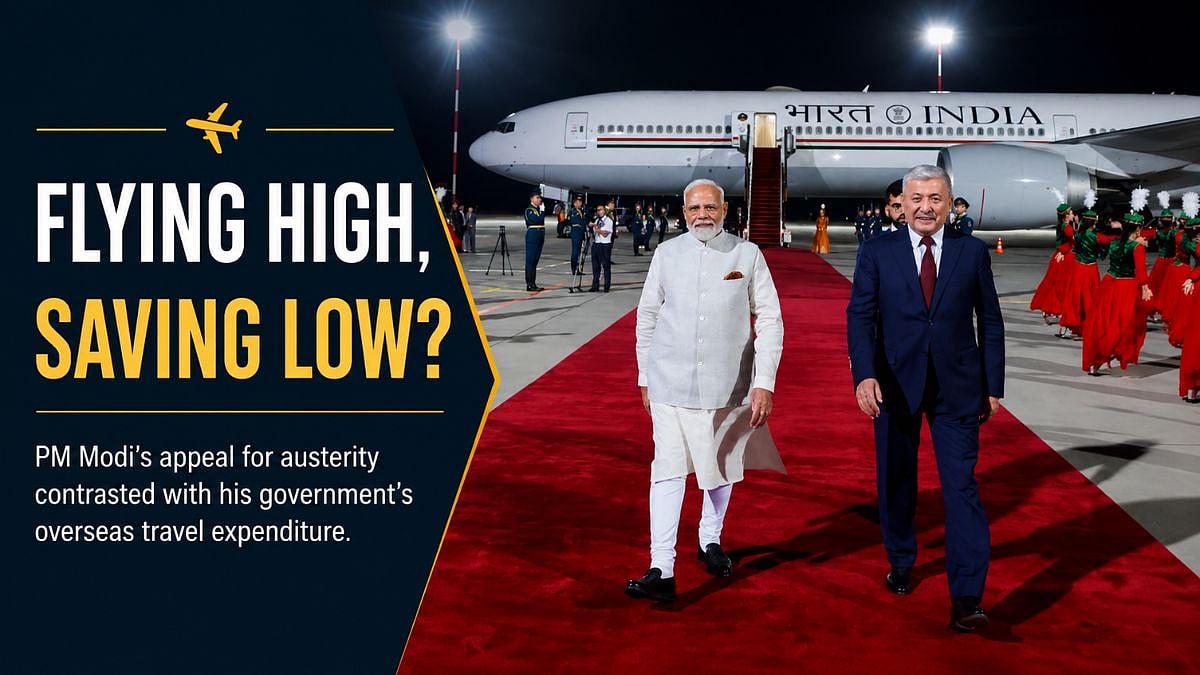
Modi’s Frugality Appeal Contrasts With Extensive Foreign Travel
