

4 days ago
Policy Delays, Not Ethanol, Drive India’s Sugar Price Rise

Sugar prices in India rose sharply within one month.
Some people blamed the ethanol-blended petrol programme.
However, most ethanol in 2025-26 was made from cereal grains, not sugarcane.
The amount of sugar used for ethanol was also much smaller than total sugar production.
The bigger problem was that sugar production was lower than first expected.
Mills in Uttar Pradesh and Maharashtra were already struggling to obtain cane by February.
The government later banned exports and imposed strict limits on sugar stocks.
These sudden actions may have increased panic and pushed prices higher.
The article says policy mistakes and lower production were more important than ethanol.

Retail sugar prices rose from about Rs 45 to Rs 65 per kg within a month.
Only 27.5% of ethanol supplied in 2025-26 came from sugarcane juice and molasses.
About 3 million tonnes of sugar were diverted to ethanol, roughly one-tenth of production.
Sugar output fell to 30.9 million tonnes, below the initial 34.4-million-tonne projection.
Late export restrictions and stock controls intensified concerns after prices began rising.
- Who
- Indian sugar mills, distilleries, oil marketing companies, dealers and the government are involved.
- What
- Sugar prices rose sharply amid lower-than-expected production and government measures affecting exports and inventories.
- Where
- India, particularly the sugar-producing states of Uttar Pradesh and Maharashtra.
- When
- Prices rose within a month; the government acted from mid-May and imposed further controls from July. The figures concern the 2025-26 and 2026-27 sugar years.
- Why
- Lower sugar output, delayed government action, export restrictions and stock-control measures contributed to market pressure; the article disputes ethanol as the main cause.
Ethanol-blending explanation
Production-and-policy explanation
Main cause of the price rise
Ethanol-blending explanation
The ethanol-blended petrol programme has been blamed for diverting sugar away from the market.
Production-and-policy explanation
The article argues ethanol was not the main cause because most ethanol came from cereal grains and sugar diversions were comparable in earlier years without similar price spikes.
Role of government measures
Ethanol-blending explanation
The price rise is associated with concerns that sugar was becoming less available after ethanol diversion.
Production-and-policy explanation
The article says delayed export restrictions and sudden stock controls were knee-jerk responses that intensified market panic.
Key facts
- Retail price change
- Average sugar prices rose from Rs 45 to Rs 65 per kg within a month.
- Ethanol from sugarcane
- Sugarcane juice and molasses accounted for 27.5% of ethanol supplied to oil marketing companies in 2025-26.
- Sugar diverted to ethanol
- An estimated 3 million tonnes of sugar were diverted to ethanol production.
- 2025-26 production
- Gross sugar production was estimated at 30.9 million tonnes, below the initial 34.4-million-tonne projection.
- Export policy
- The government banned sugar exports in mid-May.
- Dealer stock limit
- Dealers were limited to holding 400 tonnes of sugar and could not retain it beyond 30 days.
- Bulk consumer reporting
- Mills were directed to provide details of bulk consumers purchasing 500 tonnes or more.
Sources
Related news
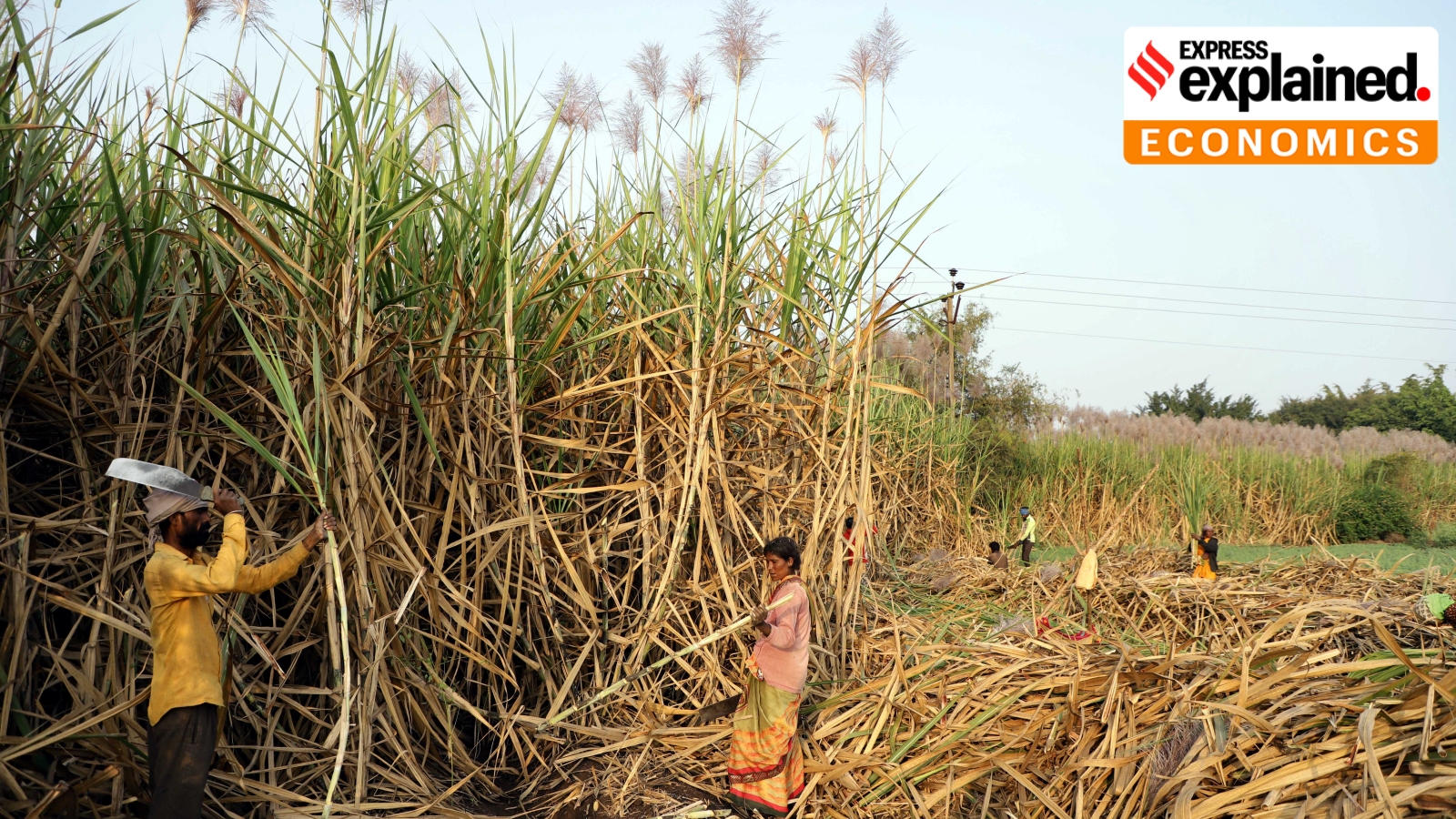
Centre Rejects Ethanol Diversion Link to Rising Sugar Prices

India’s Sugar Prices Surge as Demand, Weather and Speculation Weigh
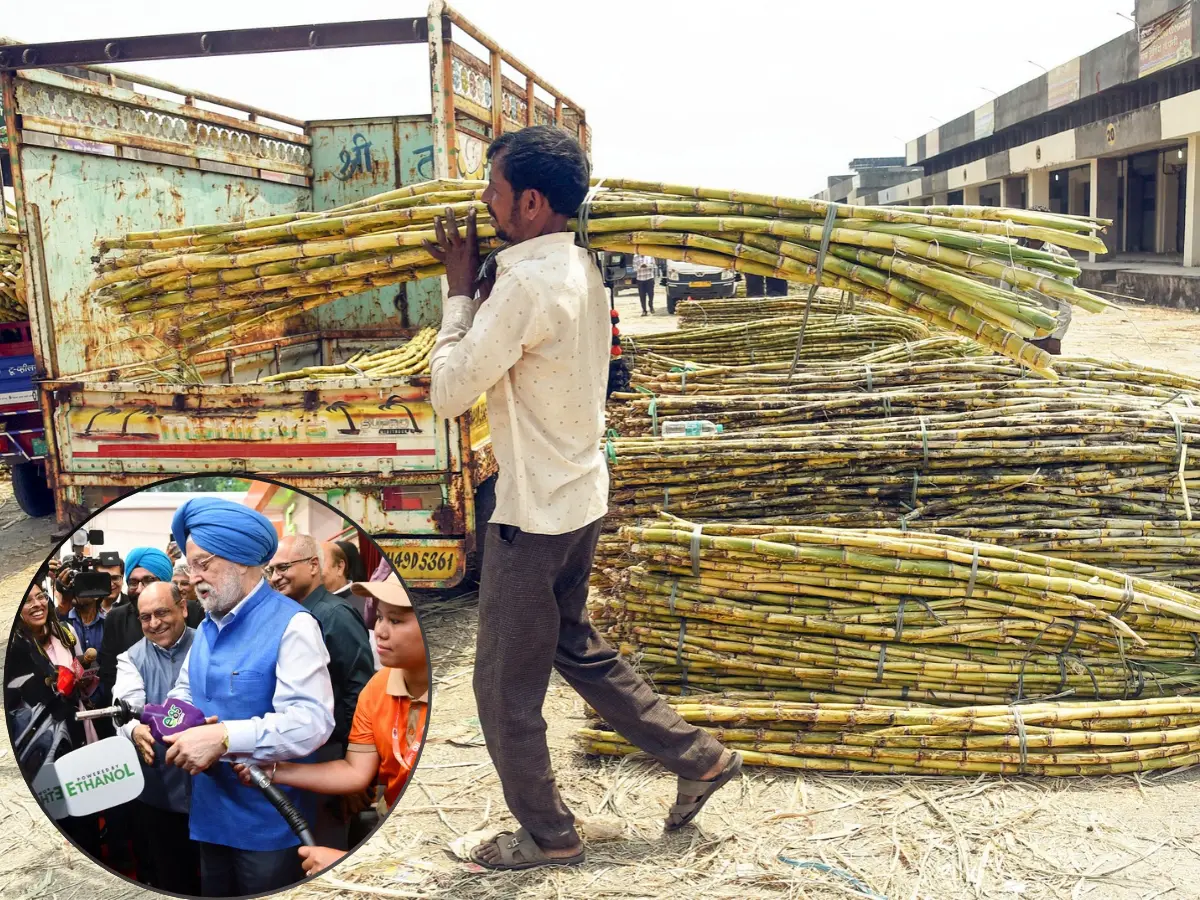
India Sugar Prices Rise as Government Rejects Ethanol Link
Government Rejects Ethanol Link, Blames Hoarding for India Sugar Surge
India’s Sugar Prices Rise as Production Falls, Policies Lag
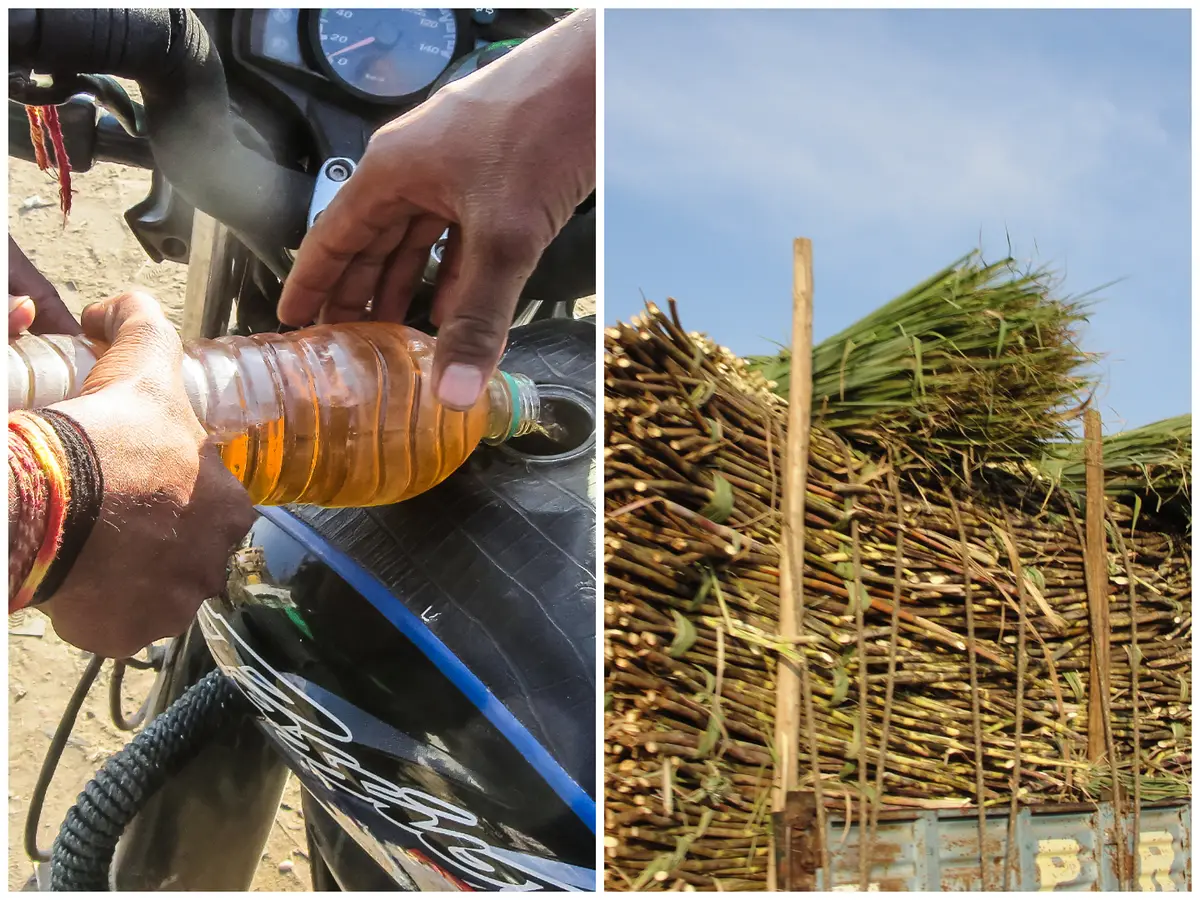
India's Sugar Stocks Surge Amid Debate Over Ethanol's Role

Gold Loans Quadruple as India’s Untapped Gold Wealth Fuels Growth
Maharashtra Penalises 33,993 Vehicles in HSRP Enforcement Drive
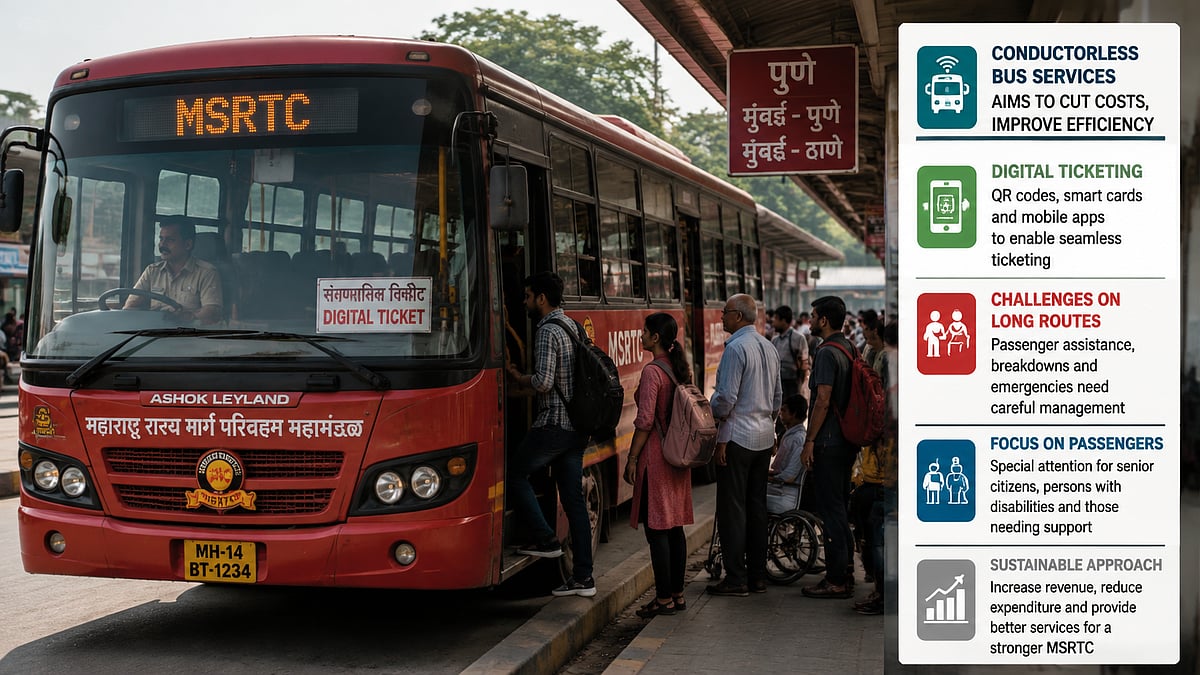
MSRTC Conductorless Bus Plan Targets Costs, Raises Long-Route Safety Concerns

Maharashtra Congress Seeks More Time for SIR Voter Claims

Mirzapur: The Movie Sells Over One Lakh Advance Tickets
